
Most of the integrated solar roadway lights are provided with dual intelligent light and time control system. Operation of this system is simple and very practical. The right settings can prolong the life of the lights and meet the lighting needs accurately. Many users are confused about the difference between the two modes of outdoor integrated solar lamps and the adjusting techniques. A step by step breakdown of how to use and the important settings here.
I. Functions of Light Control Mode
Light control is the most basic and commonly used mode for integrated solar roadway lights. It relies on a built-in photosensor to detect ambient brightness. During the day, when there is sufficient sunlight, the system automatically stops discharging and enters a charging and storage state. In the evening, when the sky darkens and the set brightness value is reached, the combined solar street lights automatically turn on. The combined solar street lights automatically turn off the next morning after sunrise.
This mode requires no manual operation and operates fully automatically. It is suitable for common outdoor scenarios such as rural roads, parks, and scenic spots. It is unaffected by seasons or the time of day, making it convenient and labor-saving. It is also the preferred mode for engineering lighting projects. For normal daily use, simply turn on the light control by default.
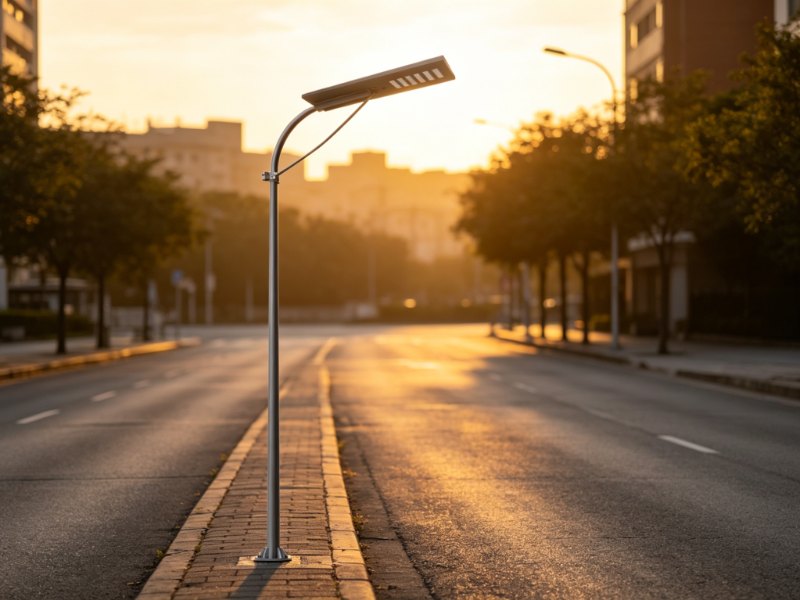
II. Understanding Time-Controlled Lighting Function
Time-controlled lighting allows for flexible setting of the on/off time, precisely controlling the lighting period. The user can set the combined solar street lights to automatically turn off after a set number of hours or at regular intervals.
Perfect for locations with light foot traffic and no need to light all night, such as factory backyards, distant trails, and home courtyards. The lighting time is shortened, saving energy, prolonging battery life and ensuring stable lighting in cloudy and rainy weather.
III. Tips for Combining Two Modes
Most integrated solar roadway lights are more practical since they can light control and time control simultaneously. The light sensor still turns the lights on at dusk during the day and then automatically turns them off after the set time, providing automatic start/stop and duration control.
In autumn and winter, when the darkness comes earlier and dawn later, the lighting duration of timed lighting can be suitably extended; in summer, with longer days, the lighting duration can be shortened. If you have several cloudy or rainy days in succession it is sensible to reduce the time of illumination, to save energy and not to switch them off before the time.
IV. Common Problems and Precautions in Debugging
During debugging, do not obstruct the photosensitive sensors on the lamp surface of combined solar street lights, otherwise, it may cause malfunctions such as false lighting during the day and failure to light up at night. Light control recognition errors can occur if installed in direct sunlight from buildings or vehicle headlights.
Don’t change the control system parameters too often. Factory default parameters are good for most outdoor scenarios. If it is too cloudy or rainy, don’t worry about turning the system off manually. It will run at low power automatically to save energy. Regularly clean the dust from the lamp surface to ensure the sensitivity of the photosensitive elements and more accurate control.
Mastering the use of light control and time control can meet the lighting needs of different sites, effectively save energy storage, improve the overall battery life and service life of the outdoor integrated solar lamps, and reduce later maintenance hassles.
TIANXIANG outdoor integrated solar lamps are equipped with an intelligent light and time control dual system, with sensitive sensing and precise adjustment. It automatically turns on at dusk and turns off at dawn, with adjustable timer duration. The entire unit is sealed, waterproof and tough. Rainy weather does not compromise long battery life. Easy installation, no wiring needed, suitable for roads, courtyards, scenic areas. It is well built and of good quality and can be custom built for engineering and home use.
Post time: May-19-2026


