
Featured Municipal Roadway Lighting Solutions
High-performance, energy-efficient streetlights designed to meet the rigorous demands of modern urban road networks.
The Evolution of Urban Streetlights for Municipal Roadways
In the modern era of rapid urbanization, municipal roadway lighting is no longer just a basic public utility; it is a critical pillar of smart city infrastructure. Urban streetlights play a vital role in ensuring traffic safety, reducing crime, and enhancing the aesthetic appeal of metropolitan corridors. Over the last decade, the industry has shifted dramatically from energy-intensive high-pressure sodium (HPS) lamps to high-efficiency Light Emitting Diodes (LEDs) and solar-powered systems. This transition is driven by global carbon-neutrality initiatives and the urgent need for municipalities to reduce operational and maintenance costs.
Today, the commercial landscape of urban streetlighting is dominated by smart technologies. Municipalities worldwide are seeking integrated systems that combine renewable solar energy, intelligent controls, and durable hardware. As a result, streetlights have transformed into multi-functional smart nodes capable of housing environmental sensors, traffic cameras, and even 5G micro-base stations. Establishing a reliable roadway lighting network requires a deep understanding of structural engineering, optical design, and energy management.
Key Market Drivers and Commercial Status
The global market for municipal streetlighting is experiencing unprecedented growth. Governments are implementing strict regulations regarding energy consumption, pushing for the immediate adoption of LED and solar alternatives. The commercial success of these projects depends heavily on the Total Cost of Ownership (TCO). While the initial capital expenditure (CAPEX) for solar and smart LED streetlights is higher than traditional systems, the long-term operational expenditure (OPEX) is significantly lower. Solar-powered streetlights, for instance, eliminate grid electricity costs and expensive trenching and cabling works during installation.
Furthermore, public-private partnerships (PPPs) and Energy Service Companies (ESCOs) are offering innovative financing models, allowing cities to upgrade their lighting infrastructure with zero upfront costs, paying back the investment through guaranteed energy savings. This has unlocked massive opportunities for manufacturing hubs to scale up production and deliver highly customized solutions for global municipal projects.
Advanced Application Scenarios of Roadway Lighting
1. High-Speed Municipal Expressways and Interchanges
Expressways require high-luminance, uniform lighting to ensure high-speed traffic safety. Adjustable high-power LED floodlights and high-mast installations are crucial in these scenarios. They provide wide beam angles and minimize glare, reducing driver fatigue. The structural integrity of the light poles is paramount here; they must withstand high wind loads and constant vibrations from passing heavy vehicles. Hot-dip galvanized steel poles are the industry standard for these demanding environments, offering decades of rust-free service.
2. Urban Arterial Roads and Smart Pedestrian Zones
Arterial roads serve as the main traffic veins of a city. Here, lighting must adapt to varying traffic densities throughout the night. Smart LED streetlights equipped with motion sensors and dimming profiles are highly effective. During peak hours, the lights operate at 100% capacity, while in the early morning hours, they automatically dim to 30% or 50%, conserving energy without compromising safety. In pedestrian areas, aesthetic integration and warm color temperatures are preferred to create a welcoming, secure environment.
3. Off-Grid Rural and Suburban Roadways
Extending the electrical grid to remote suburban or rural roadways is often economically unfeasible. Solar streetlights with integrated lithium batteries offer the perfect solution. By utilizing high-efficiency monocrystalline solar panels and durable LiFePO4 batteries, these systems operate completely independently of the grid. They gather solar energy during the day and provide reliable illumination throughout the night, even during extended periods of overcast weather.
Technological Trends: The Rise of IoT and Smart Control Systems
The future of municipal lighting lies in connectivity. Internet of Things (IoT) technology enables streetlights to communicate with a centralized management system (CMS). Through wireless protocols such as LoRaWAN, Zigbee, or cellular NB-IoT, municipal operators can monitor the status of every single light pole in real-time. This system automatically alerts maintenance crews of lamp failures, battery depletion, or structural damage, transitioning maintenance from reactive to predictive.
Moreover, adaptive lighting controls based on real-time weather and traffic data are becoming standard. For example, in heavy fog or rain, the system can automatically increase brightness or shift the color temperature to improve visibility. By integrating electric vehicle (EV) charging stations and environmental monitoring sensors into the light poles, cities can maximize the utility of their physical assets, turning a simple light pole into a cornerstone of smart urban design.
About Us
Yangzhou Tianxiang Road Lamp Equipment Co., Ltd. — Professional Outdoor Lighting Manufacturer Since 1996
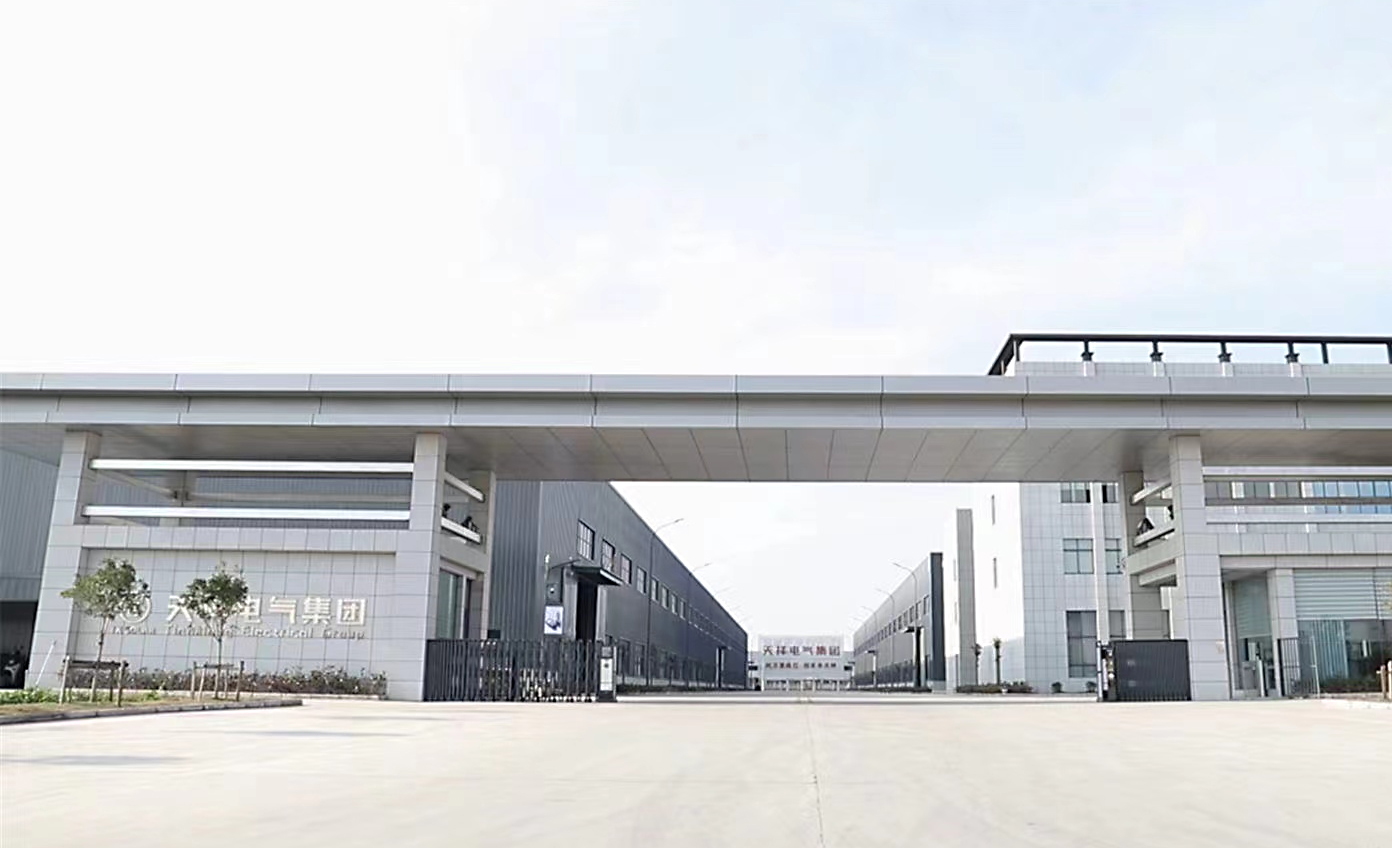
Who We Are
Yangzhou Tianxiang Road Lamp Equipment Co., Ltd. founded in 2008 and located in the smart Industrial Park of street lamp manufacturing base in Gaoyou City, Jiangsu Province, is a production-oriented enterprise focusing on street lamp manufacturing. At present, it has the most perfect and advanced digital production line in the industry.
Up to now, the factory has been at the forefront of the industry in terms of production capacity, price, quality control, qualification and other competitiveness, with a cumulative number of lights on more than 1,700,000. In Africa, Southeast Asia, South America, and many other regions, we occupy a large market share and have become the preferred product supplier for many projects and engineering companies at home and abroad.
What We Have
The company was established in 1996, and joined this new industrial zone in 2008. Now we have more than 200 people, including R&D personnel (12 people), engineers (16 people), QC specialists (4 people), International Trade Department (16 people), and domestic sales department (12 people).
Our state-of-the-art manufacturing facility features automatic welding lines, high-precision laser cutting machines, and advanced powder coating systems. This vertical integration allows us to maintain strict quality control across solar panel production, lithium battery pack assembly, and metal pole fabrication, ensuring that every product meets international engineering standards.
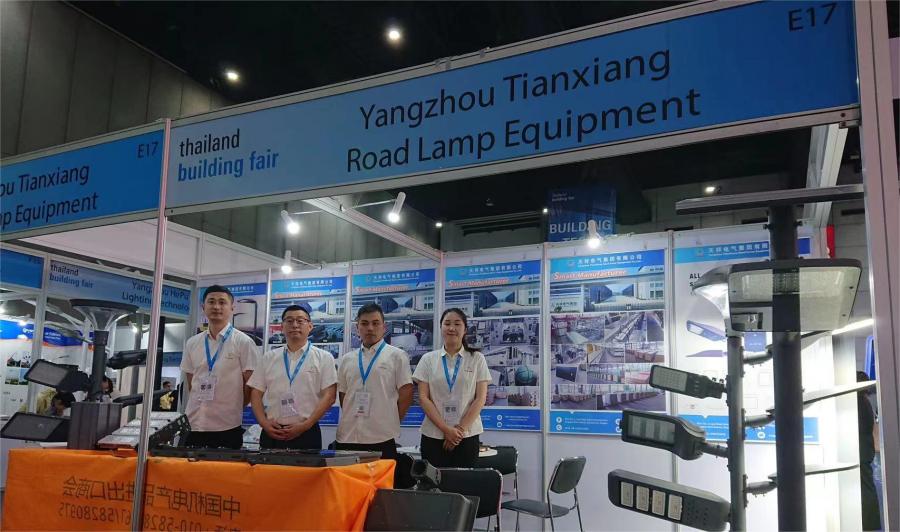
Enterprise Culture
Driving sustainable innovation through shared values and a clear vision for the future.

Our Mission
Continuous improvement, technological innovation, and the pursuit of 100% customer satisfaction.

Our Vision
To be the world's leading brand in renewable energy and energy efficient lighting.

Our Value
Open, harmonious, pragmatic and innovative.
Major Events of the Enterprise
Our journey of growth, innovation, and global expansion over the decades.
What You Get
We have a powerful R&D and engineer team, that offer exceptional products and technical supports, and we have our own solar panel, solar battery and lighting workshops.
Complete Municipal Lighting Product Catalog
Explore our full range of solar streetlights, high-power floodlights, and galvanized steel structural poles.
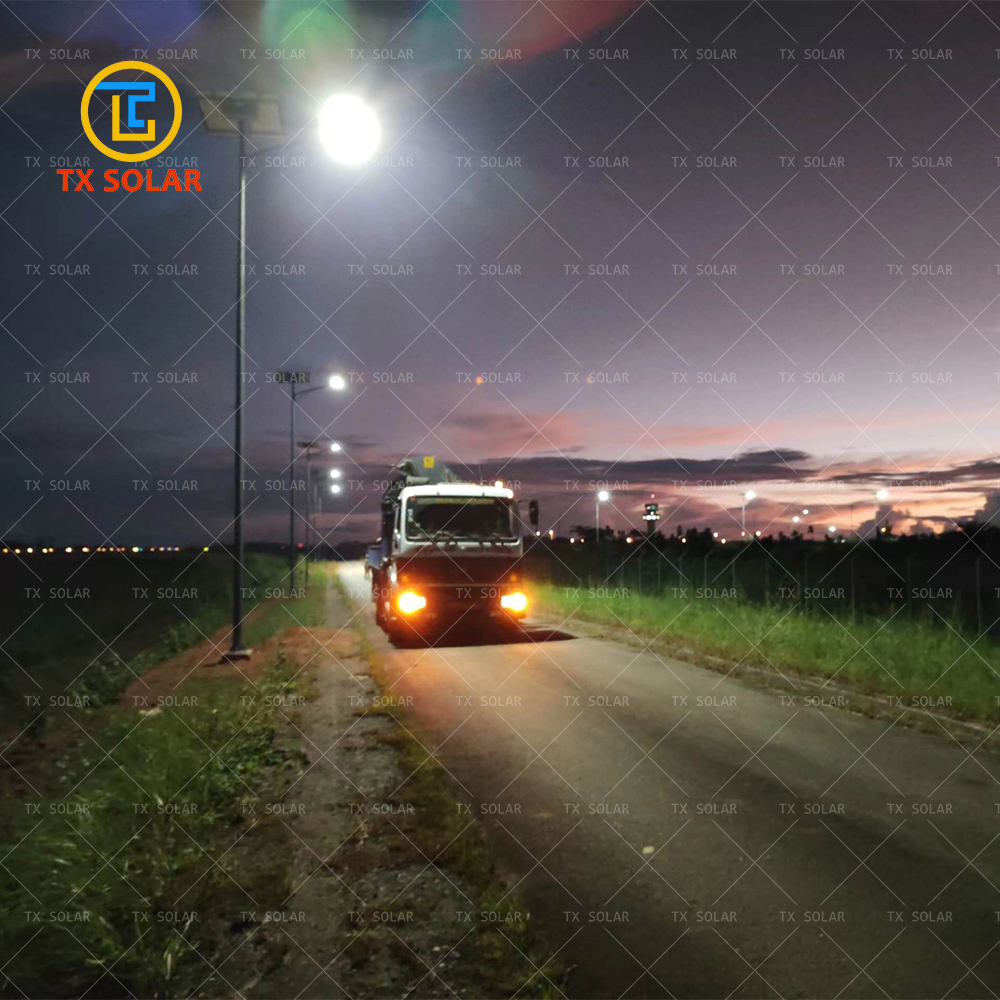
8m 60w Solar Street Light with Lithium Battery
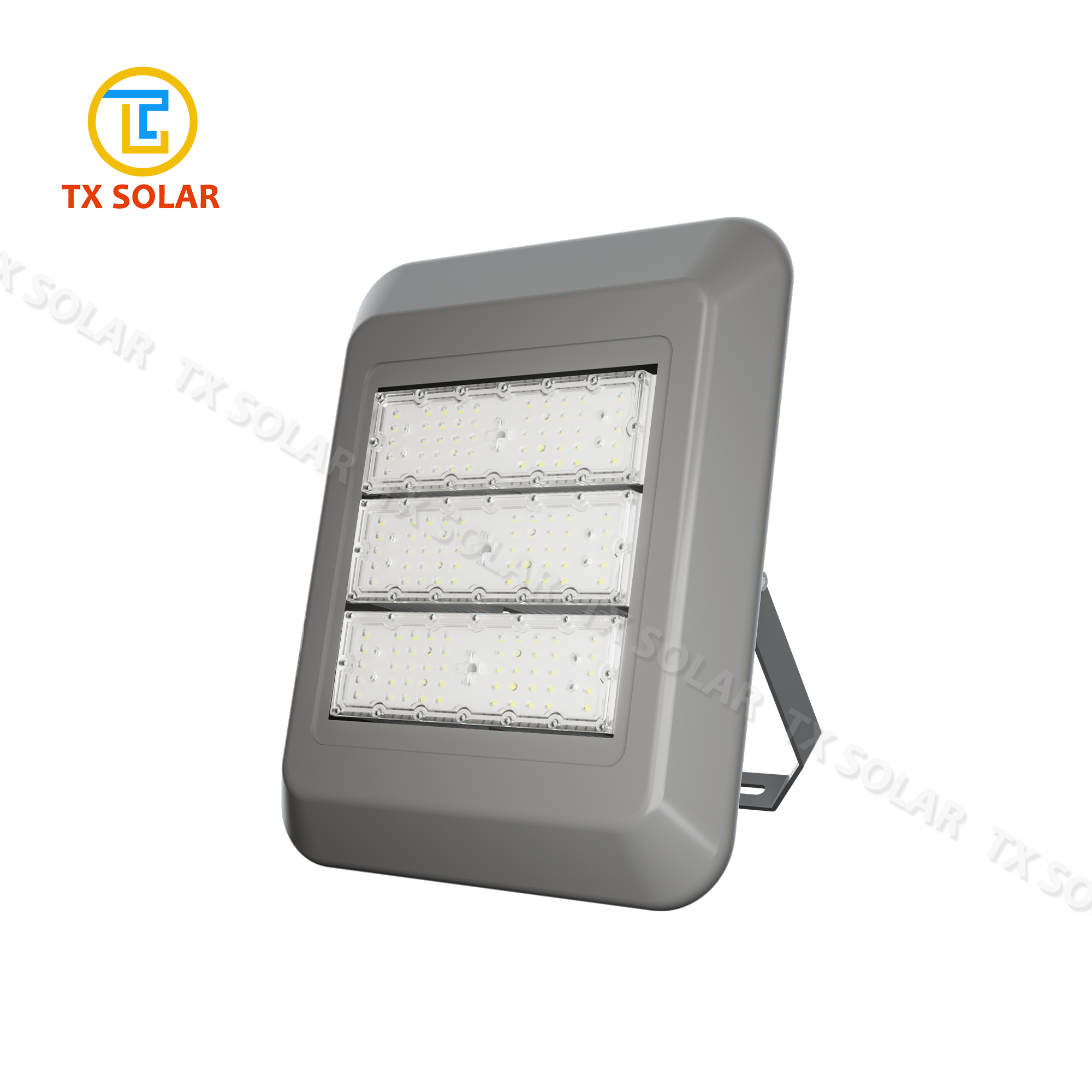
Adjustable High Power 300W LED Flood Light
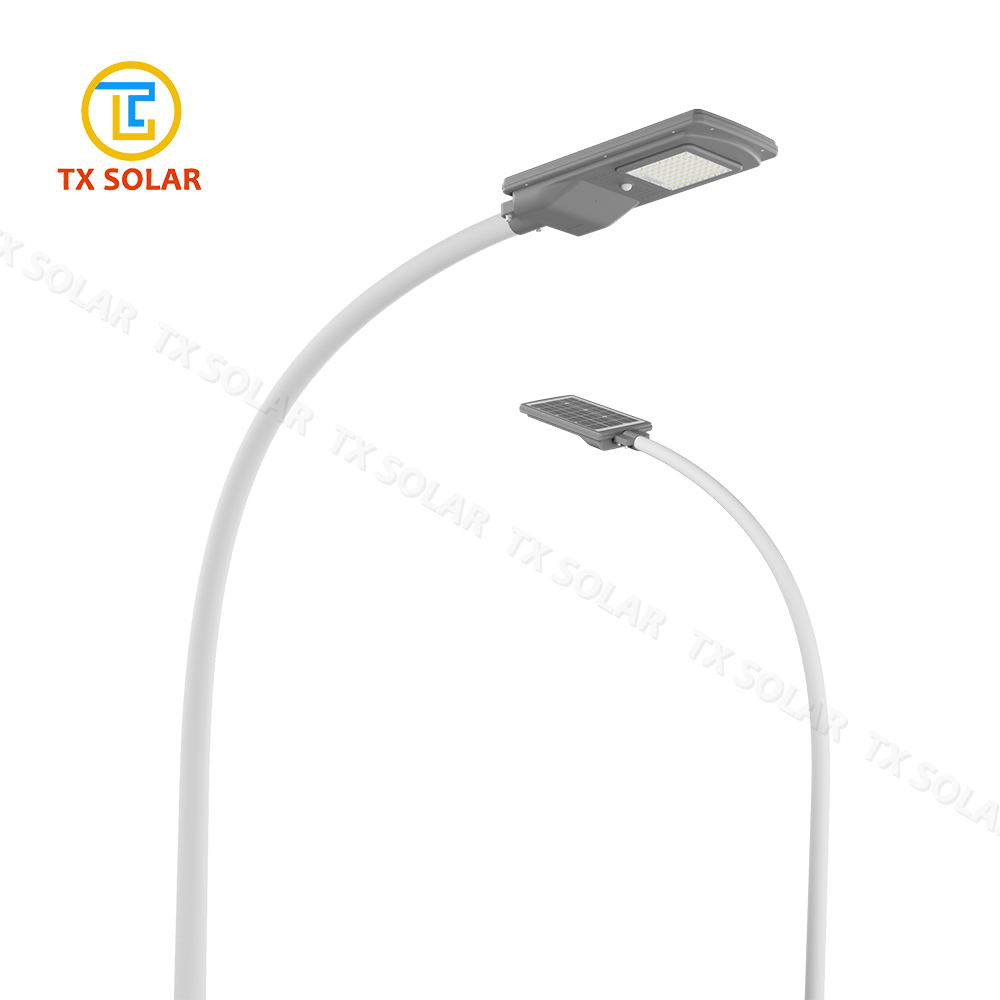
30W Mini All In One Solar Street Light
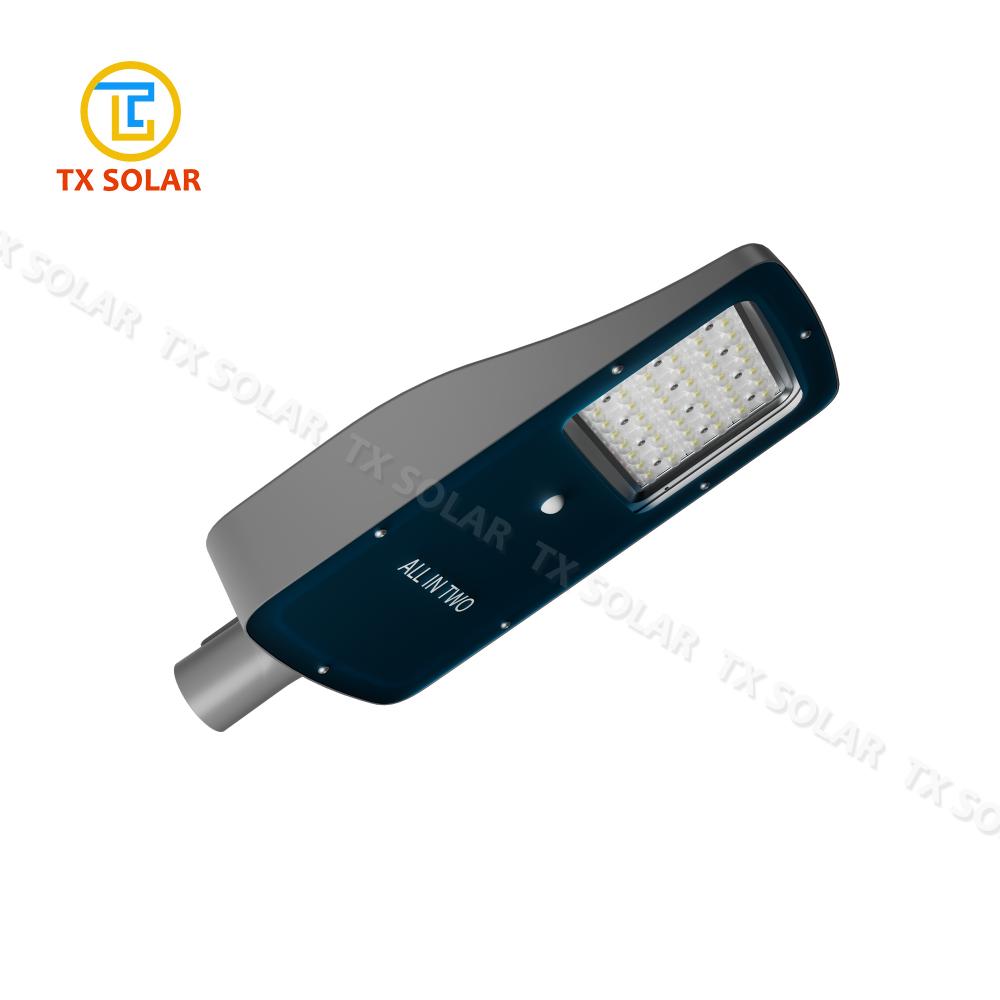
60W All In Two Solar Street Light
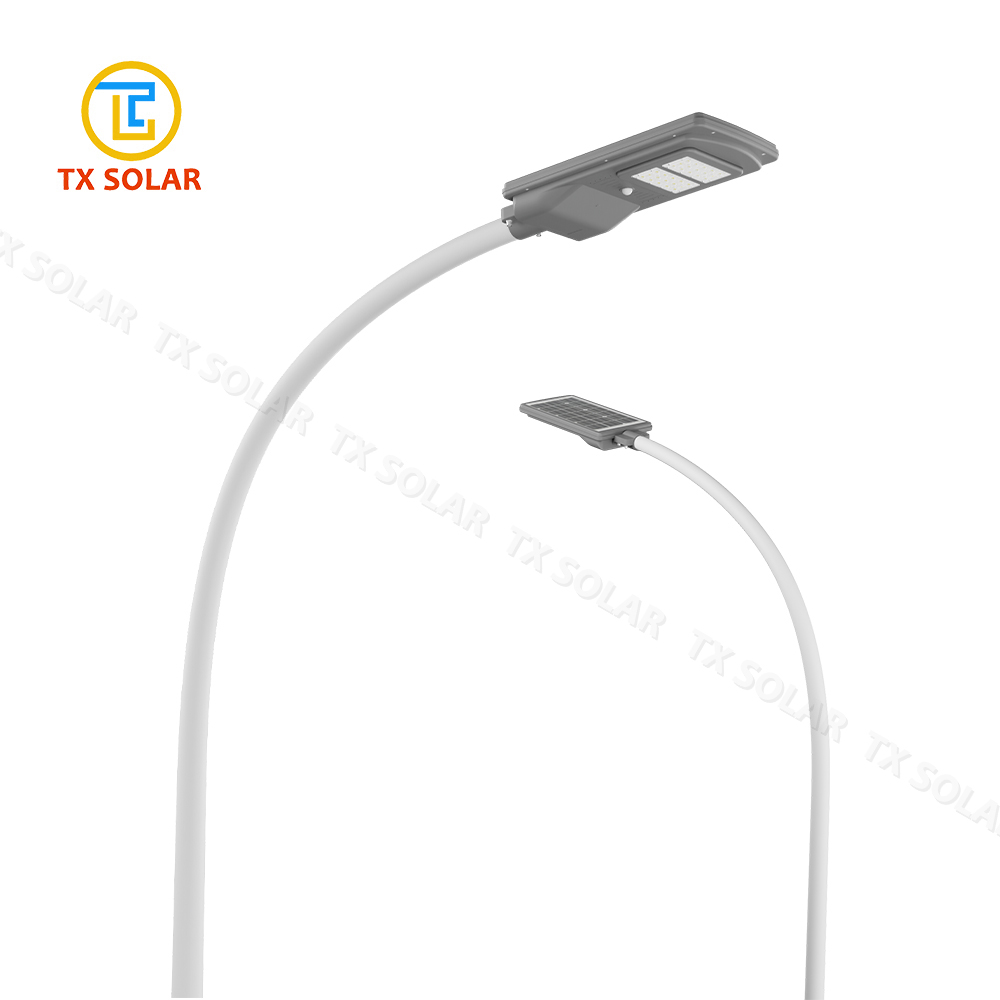
20W Mini All In One Solar Street Light
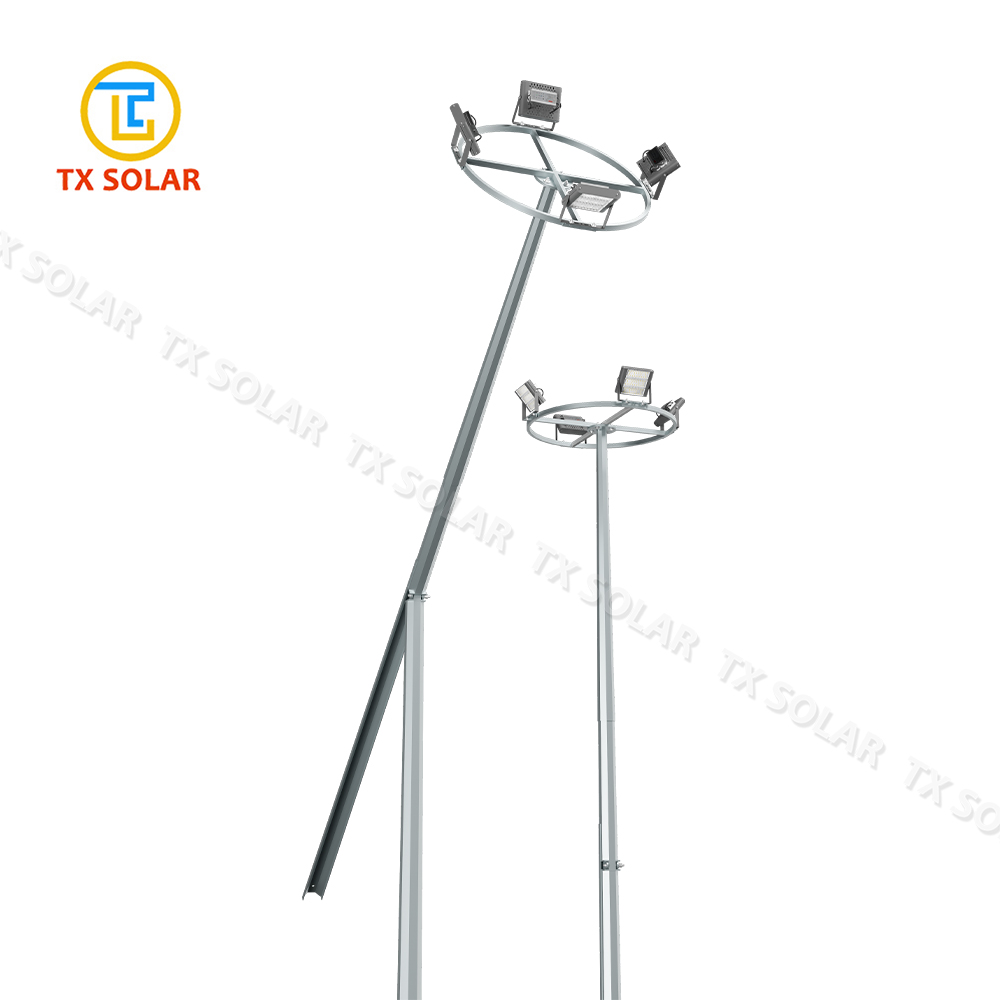
4m-20m Galvanized Mid Hinged Pole
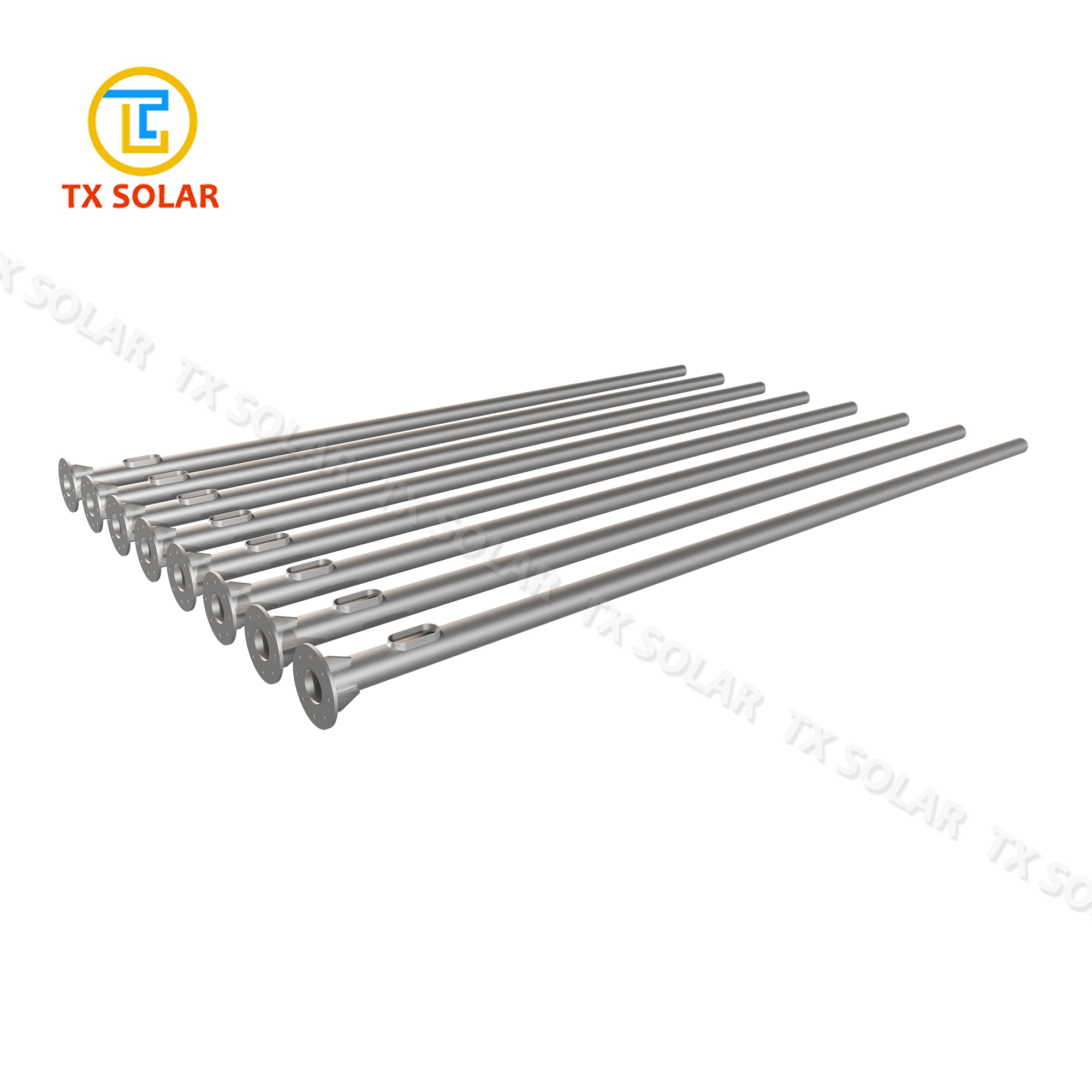
Hot-Dip Galvanized Light Poles For Street Lighting
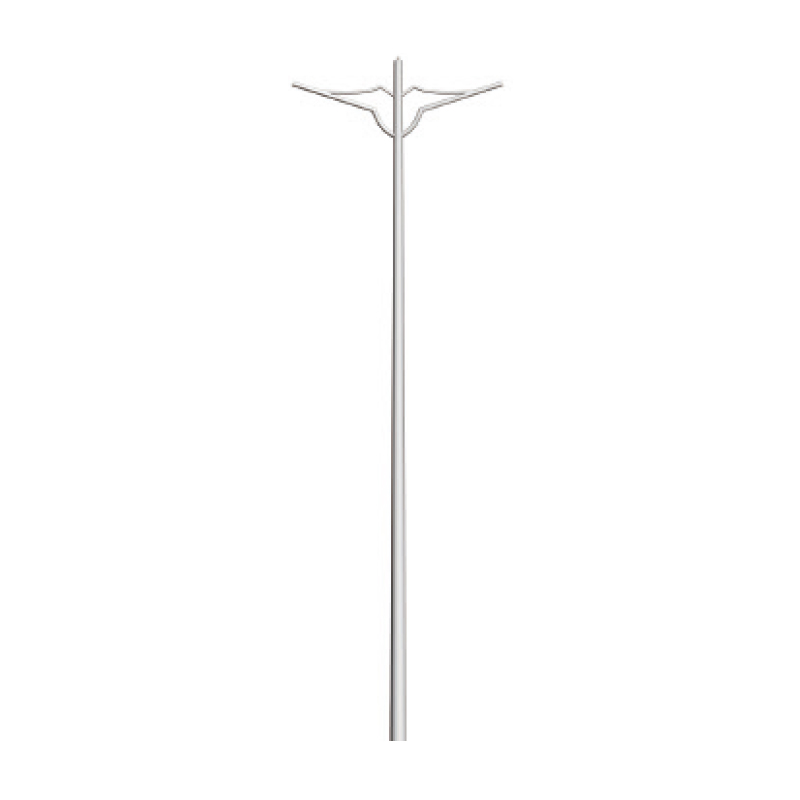
Airport Square Football Field Hot Dipped Polygonal Pole
-

E-mail
-

Whatsapp
-

Top


