
Innovative Municipal Solar Solutions
Explore our highly integrated solar poles and smart fixtures engineered specifically for public roads and municipal infrastructure.
The Commercial and Industrial Landscape of Municipal Solar Poles
The global shift toward sustainable smart cities has transformed municipal roadway lighting from a standard utility into a strategic technological asset. Historically, municipal lighting relied heavily on grid-tied high-pressure sodium (HPS) or standard LED fixtures. However, the integration of solar poles for municipal roadways has introduced a paradigm shift in urban planning, public safety, and energy conservation. Municipalities worldwide are facing escalating grid energy costs, stringent carbon-neutrality mandates, and the vulnerability of centralized power grids to extreme weather events. In this context, off-grid and hybrid solar poles present a commercially viable and structurally resilient alternative.
According to recent smart infrastructure analyses, the transition to solar-powered municipal lighting reduces carbon footprints by up to 100% per pole while eliminating trenching and cabling costs, which typically account for over 40% of standard street lighting installation budgets.
From an industrial perspective, the supply chain for solar poles has matured rapidly. Modern systems no longer feature bulky, fragile solar panels awkwardly bolted onto standard utility poles. Instead, today's industrial design emphasizes aesthetic integration, high-efficiency monocrystalline solar cells, long-lifecycle lithium iron phosphate (LiFePO4) or advanced gel batteries, and intelligent Power Management Systems (PMS). These advancements ensure that municipal roads remain illuminated even during prolonged periods of low solar irradiance, bridging the gap between ecological responsibility and regulatory compliance.
Key Market Drivers in Municipal Infrastructures
Several factors drive the commercial adoption of municipal solar poles. First is the elimination of massive infrastructure overhead. Traditional grid installation requires tearing up pavements, laying conduit, and connecting to the high-voltage grid. Solar poles operate independently, saving cities millions in labor, engineering, and disruption to traffic flow. Second is the rise of smart city initiatives. Modern municipal road poles serve as physical hosts for IoT sensors, public Wi-Fi, environmental monitoring modules, and surveillance cameras, drawing power directly from the integrated solar storage unit.
Advanced Technological Advantages
Why modern municipalities are standardizing on integrated solar poles for public roads, expressways, and urban corridors.
Zero Grid Dependency
100% autonomous operation protects public safety during grid blackouts, grid failures, and natural disasters.
Anti-Corrosive Durability
Hot-dip galvanized coating ensures resistance to harsh environmental elements, rust, and wind speeds up to 150 km/h.
IoT & Smart City Ready
Seamlessly integrates with smart controllers, enabling remote dimming schedules, system diagnostics, and real-time monitoring.
Deep Application Scenarios for Municipal Roadway Solar Poles
Municipal roadways encompass a diverse range of environments, each demanding specific lighting parameters, structural heights, and power configurations. Understanding these distinct application scenarios is crucial for municipal engineers and B2B buyers looking to maximize return on investment (ROI).
1. Urban Arterial Roads and Expressways
High-speed arterial roads require consistent, high-lumen output to ensure driver visibility and reduce accident rates. For these applications, high-mast solar poles (ranging from 10 meters to 15 meters) equipped with dual-arm LED fixtures and high-capacity battery banks are deployed. These poles often utilize smart MPPT (Maximum Power Point Tracking) controllers to dynamically adjust power distribution based on battery charge and traffic volume. By integrating motion-sensing and adaptive dimming, these poles can operate at 100% brightness during peak traffic hours and dim to 30% during the early hours of the morning, conserving precious battery reserves without compromising safety.
2. Suburban Expansion Zones and Rural Highways
Extending the traditional electrical grid to newly developed suburban sectors or remote rural highways is often cost-prohibitive. Solar poles provide an immediate, plug-and-play solution. Because they do not require connection to the electrical grid, installation can be completed in a fraction of the time. In rural areas prone to severe weather, the off-grid nature of these poles ensures that critical intersections, roundabouts, and pedestrian crossings remain illuminated even if local power lines are downed.
3. Pedestrian Corridors, Parks, and Municipal Plazas
In pedestrian-centric areas, aesthetic integration is just as important as functional performance. Aluminum alloy garden lights and architectural solar poles blend seamlessly into modern urban designs. These applications generally use shorter poles (3 to 6 meters) and warm-temperature LEDs to create a welcoming, safe environment. Additionally, the lack of underground high-voltage cabling eliminates the risk of electrical hazards in public parks and wet landscape areas.
About Tianxiang Electric Group
Professional outdoor lighting manufacturer since 1996, delivering reliability and innovation worldwide.
Who We Are
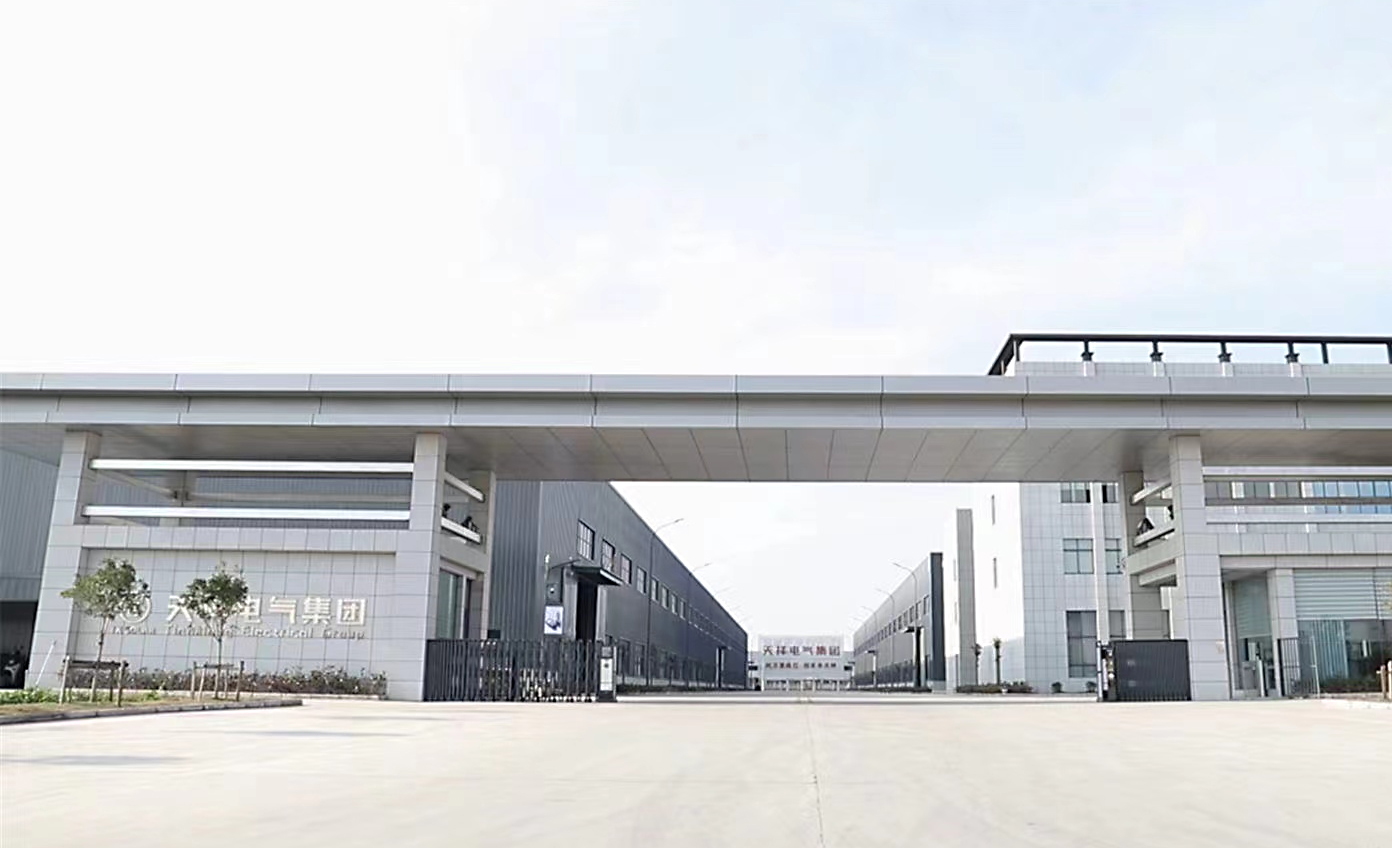
Yangzhou Tianxiang Road Lamp Equipment Co., Ltd. founded in 2008 and located in the smart Industrial Park of street lamp manufacturing base in Gaoyou City, Jiangsu Province, is a production-oriented enterprise focusing on street lamp manufacturing. At present, it has the most perfect and advanced digital production line in the industry. Up to now, the factory has been at the forefront of the industry in terms of production capacity, price, quality control, qualification and other competitiveness, with a cumulative number of lights on more than 1,700,000. In Africa, Southeast Asia, South America, and many other regions, we occupy a large market share and have become the preferred product supplier for many projects and engineering companies at home and abroad.
What We Have
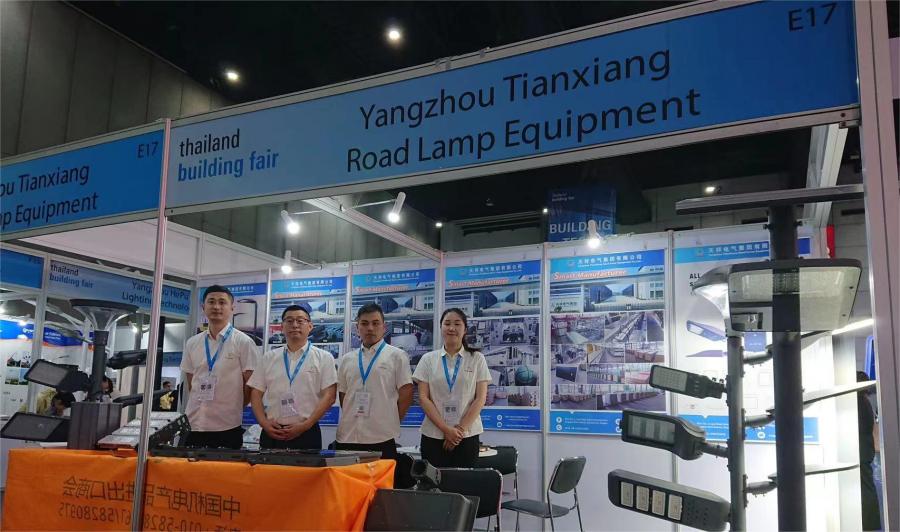
The company was established in 1996, and joined this new industrial zone in 2008. Now we have more than 200 people, including R & D Personnel (12 people), Engineers (16 people), QC (4 people), International Trade Department (16 people), and domestic sales department in China (12 people). Our state-of-the-art facility features advanced digital production lines, automated welding, and laser cutting equipment to ensure absolute precision in every solar pole and light fixture we manufacture.
Technological Evolution and Future Trends in Solar Pole Infrastructure
As the municipal lighting sector progresses, several key technological trends are shaping the future of solar poles. The industry is moving away from basic, standalone illumination toward highly integrated, grid-interactive, and intelligent municipal assets.
Vertical Cylindrical Solar Integration
One of the most significant design innovations is the transition from flat, pole-top solar panels to vertical cylindrical solar modules wrapped around the pole itself. This structural approach offers multiple advantages:
- Reduced Wind Load: Vertical modules offer far less wind resistance than traditional flat panels, allowing for safer installations in typhoon-prone coastal regions.
- Self-Cleaning Properties: Dust, snow, and bird droppings cannot easily accumulate on vertical surfaces, ensuring consistent solar absorption and reducing maintenance costs.
- 360-Degree Solar Capture: Cylindrical panels capture ambient light from all directions, improving charging efficiency in urban canyons where buildings block direct sunlight.
Advanced Battery Storage Chemistry
The transition from traditional Gel batteries to high-density Lithium Iron Phosphate (LiFePO4) batteries has revolutionized the operational lifespan of municipal solar poles. LiFePO4 batteries offer up to 3000 to 5000 charge cycles at 80% depth of discharge (DoD), compared to the 800 to 1200 cycles of Gel batteries. This translates to an operational life of over 8-10 years without requiring battery replacement, drastically lowering the long-term maintenance overhead for city councils.
IoT Connectivity and Centralized Management
Future-proof municipal roadways rely on Smart City Central Management Systems (CMS). By integrating wireless communication protocols such as LoRaWAN, NB-IoT, or Zigbee into the solar poles, municipal operators can monitor battery health, solar generation, and LED performance in real-time. Automated alerts notify maintenance crews of component failures before the light actually goes out, optimizing operational logistics.
Enterprise Culture
Guided by our core values, we strive to engineer sustainable solutions that illuminate the path forward.

Our Mission
Continuous improvement, technological innovation, and the pursuit of 100% customer satisfaction.

Our Vision
To be the world's leading brand in renewable energy and energy efficient lighting.

Our Value
Open, harmonious, pragmatic and innovative.
Engineering Challenges & Solutions in Municipal Deployments
Deploying solar poles along municipal roadways requires rigorous engineering to withstand environmental variables and guarantee public safety. Unlike residential lighting, municipal streetlights must adhere to strict structural and electrical safety standards.
Wind Resistance and Structural Calculations
Solar poles act as wind sails due to the surface area of the solar panels. Our engineering team conducts finite element analysis (FEA) to calculate the exact pole diameter, wall thickness, and foundation requirements based on local wind zone ratings. Using high-quality Q235 or Q345 steel combined with hot-dip galvanization ensures that the poles remain structurally sound during severe storms and hurricanes.
Thermal Management for Battery Longevity
Extreme temperatures can severely degrade battery performance and lifespan. In hot climates (such as Africa and parts of South America), burying the battery underground in a protective, IP67-rated waterproof battery box helps maintain a stable, cooler operating temperature. In colder regions, advanced gel batteries or low-temperature lithium cells with integrated heating elements are utilized to prevent freezing and capacity loss.
Optimizing Autonomy for Rainy Days
One of the main concerns of municipal planners is whether solar poles can function during consecutive rainy or cloudy days. To solve this, we engineer our systems with a minimum of 3 to 5 days of autonomy. By combining oversized solar panels, high-efficiency MPPT controllers, and smart dimming profiles, the system conserves energy automatically when solar input is low, ensuring the road remains illuminated throughout the night.
Our Complete Municipal Product Line
Explore our full catalog of street lamps, high masts, and structural poles designed for diverse urban applications.
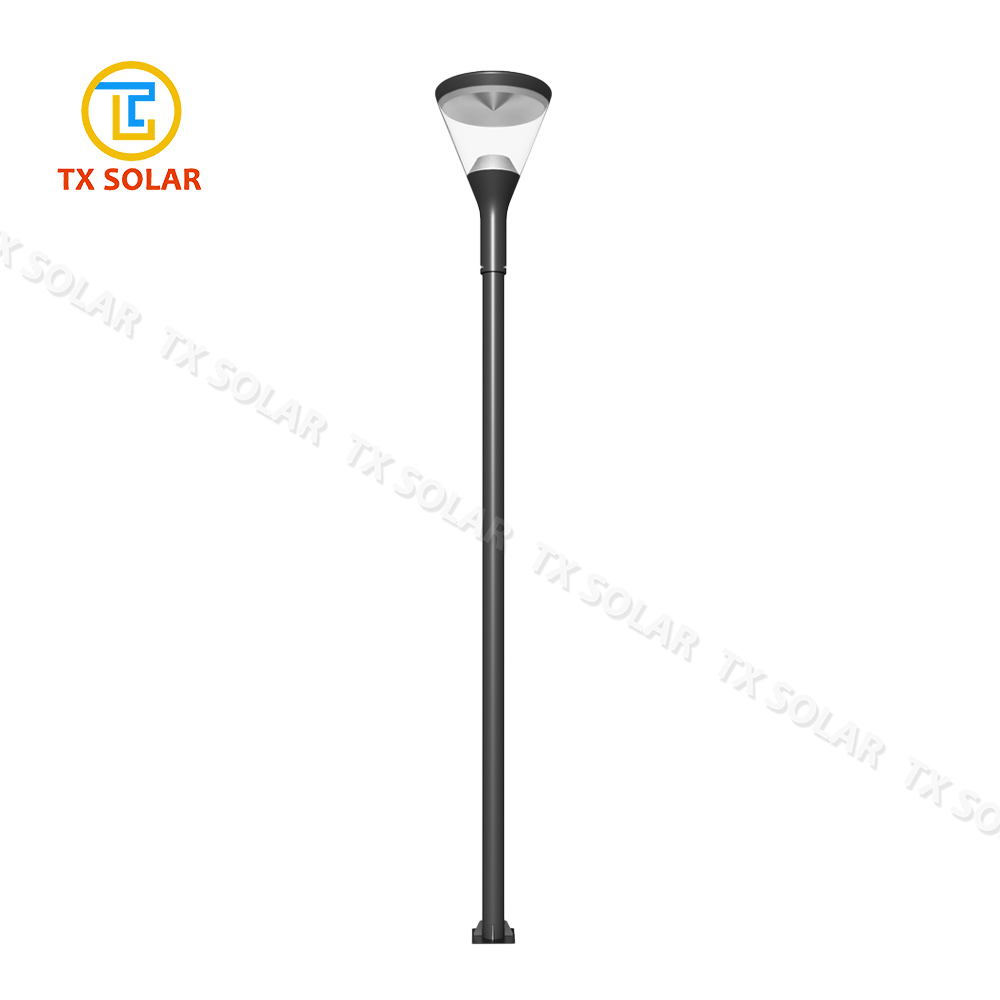
Municipal Landscape LED Solar Pole Light
View Details
6M Municipal Roadway Solar Pole with Gel Battery
View Details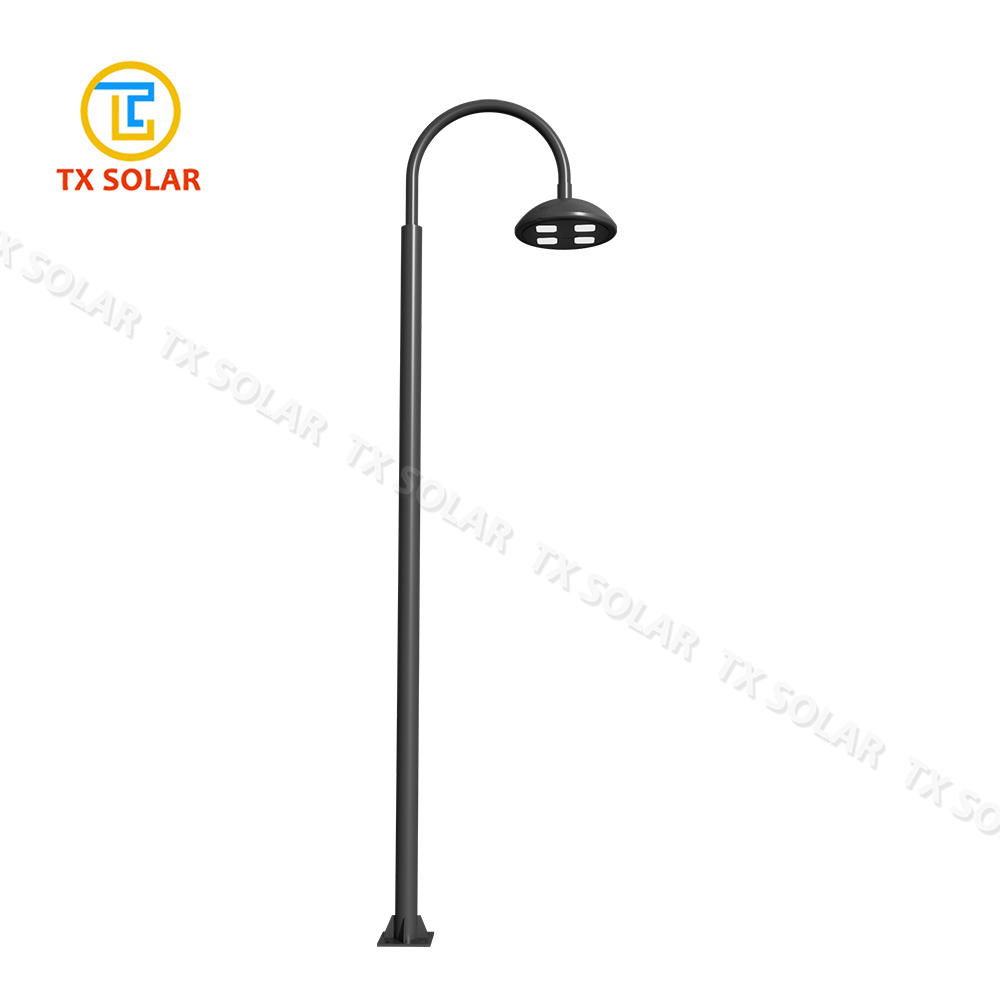
Aluminum Alloy Solar Pole for Municipal Parks
View Details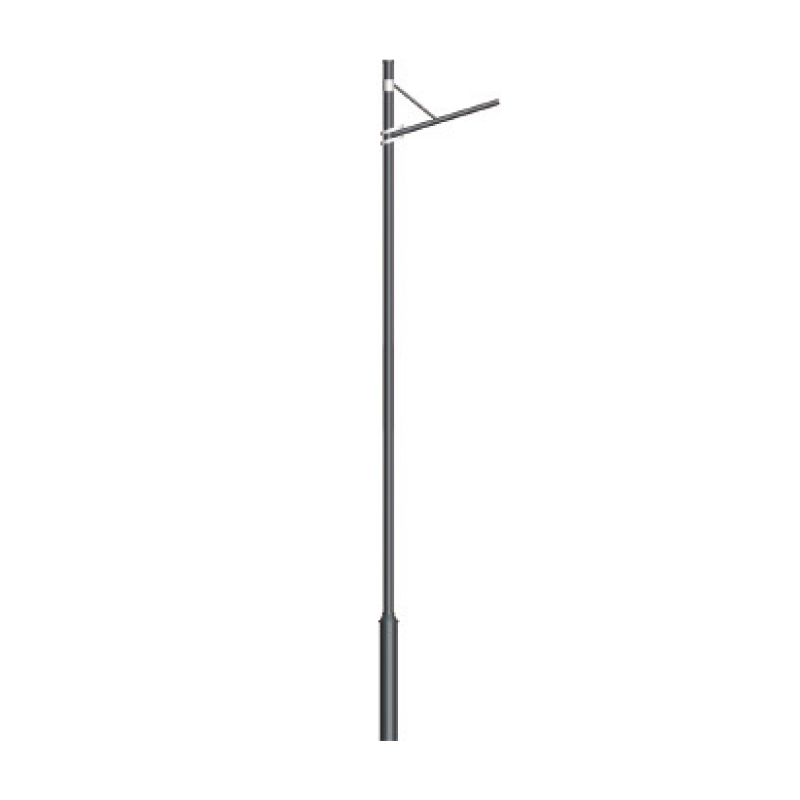
Hot-DIP Galvanized Single Arm Municipal Solar Pole
View Details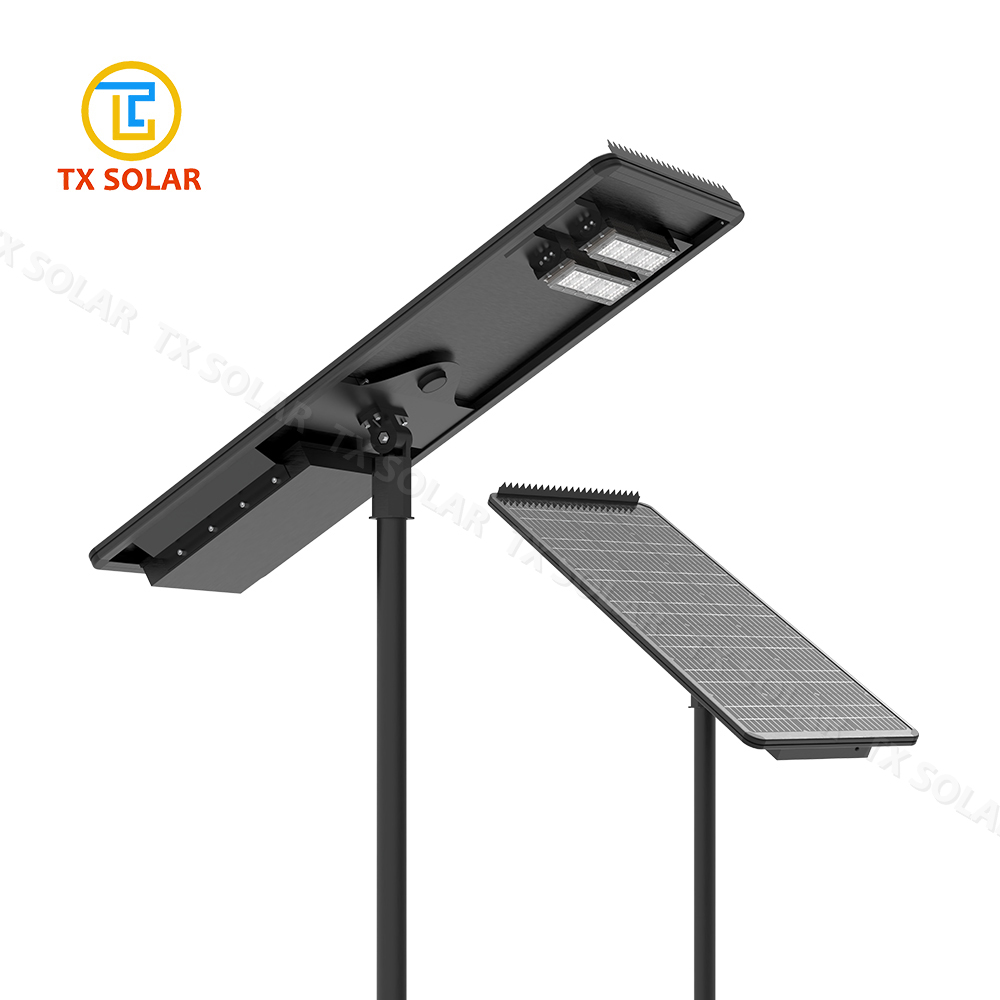
All-In-One Municipal Solar Pole with Bird Arresters
View Details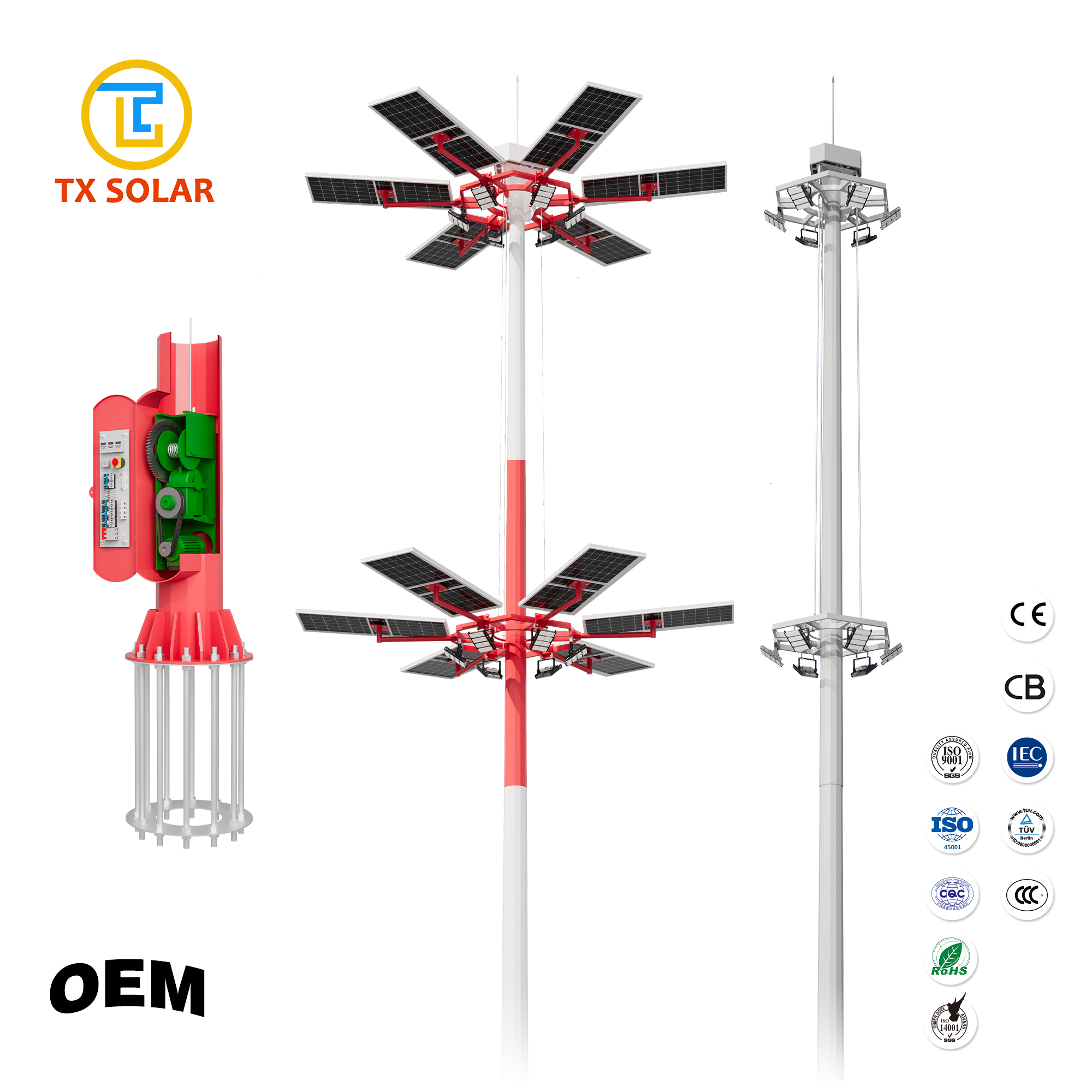
Automatic Lift Solar High Mast Pole for Interchanges
View Details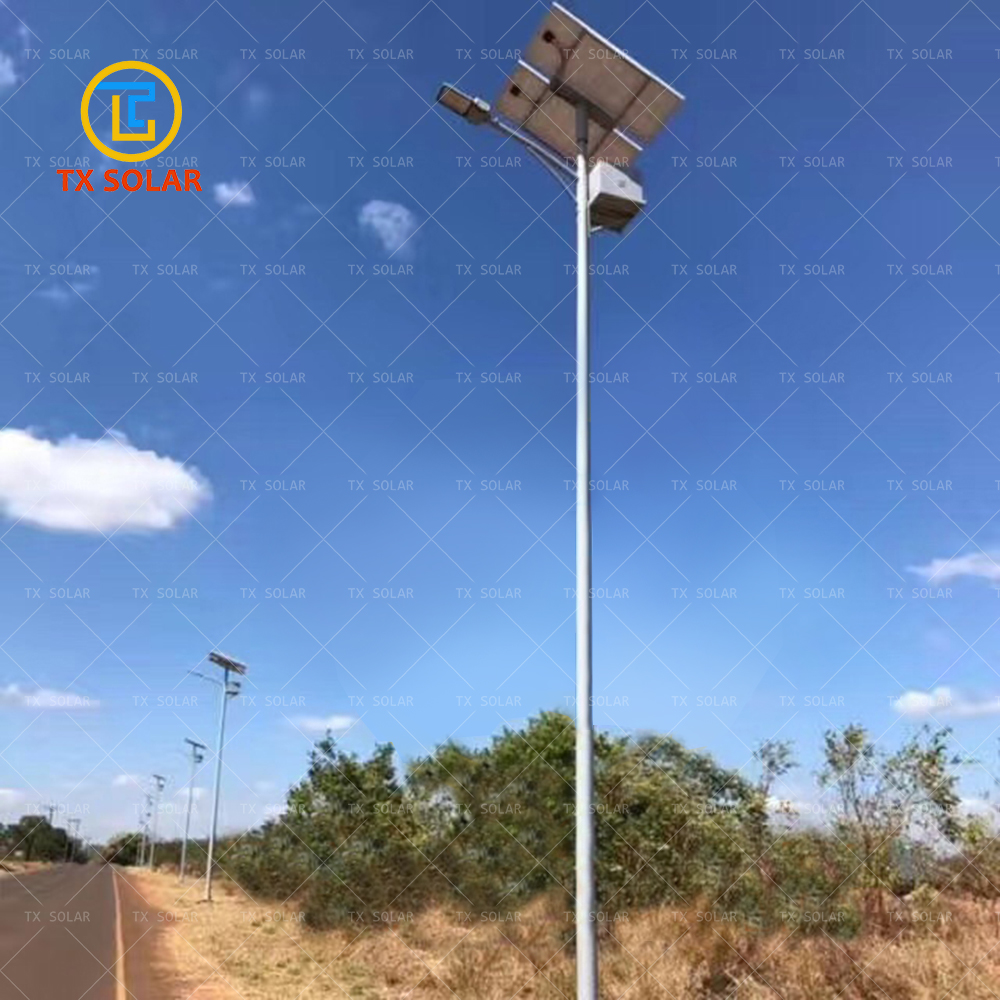
10M 100W Municipal Solar Pole with Lithium Battery
View Details
Hot-Dip Galvanized Multi-Functional Telecom Solar Pole
View Details-

E-mail
-

Whatsapp
-

Top


