
The Commercial and Industrial Energy Transition
In the modern industrial landscape, sustainability is no longer a peripheral corporate social responsibility goal—it is a core business survival strategy. As global supply chains face volatile energy markets, increasing carbon tariffs, and stringent environmental regulations, industrial parks and manufacturing facilities are seeking innovative ways to decarbonize their infrastructure. Transitioning to advanced solar poles for industrial parks and factories represents a critical step in this evolution.
“Outdoor lighting in industrial zones is historically one of the largest contributors to baseline electricity consumption and maintenance overheads. Modern vertical solar poles rewrite this narrative by offering decentralized, self-sustaining power hubs.”
Industrial parks generally span vast geographical regions with extensive perimeters, loading docks, internal roadways, and parking facilities. Laying down conventional grid-powered lighting requires millions in capital expenditure for trenching, copper cabling, electrical panels, and grid connections. In contrast, off-grid solar poles completely eliminate these infrastructure barriers, providing continuous, high-efficiency lighting from day one without drawing a single kilowatt from the national grid.
Deep Application Scenarios of Solar Poles in Factories
Integrating solar poles into industrial complexes extends far beyond simple illumination. Today's industrial solar pole is a multifunction smart device designed to solve specific operational challenges. Here is how they are deployed across various scenarios:
Perimeter Security & Smart Surveillance
Large manufacturing facilities contain valuable raw materials and expensive equipment. Perimeter security is critical. By deploying integrated CCTV solar poles along the boundary walls, factories gain 24/7 surveillance capabilities. Because these systems generate and store their own energy, security cameras remain online during blackouts or grid disruptions, securing the facility against intruders and vandalism without requiring data or power cables.
Logistics Hubs & Loading Docks
Industrial loading bays are high-risk zones where heavy trucks, forklifts, and workers interact. High-lumen, reliable illumination is essential for safety. Solar poles equipped with smart motion sensors can automatically increase brightness to 100% when active loading is detected, and dim down during quiet hours to conserve battery power, ensuring long-term operational autonomy even during prolonged rainy periods.
Employee Parking Lots & EV Integration
Employee parking lots represent large open spaces ideal for solar energy capture. Installing solar poles in these areas provides safe, bright illumination during shift changes. Furthermore, advanced solar pole designs can integrate auxiliary low-power EV chargers or smart parking sensors, helping industrial facilities transition their corporate fleets to green energy.
Internal Logistics Roadways
Internal factory roads experience heavy vehicle traffic. Standardized solar streetlights provide consistent, glare-free lighting that complies with occupational safety standards (OSHA). The high-durability galvanized steel construction of these poles protects them from corrosive industrial emissions, dust, and vibrations caused by heavy machinery.
Technological Trends Shaping the Future of Industrial Solar Poles
The solar lighting industry is undergoing rapid innovation, driven by advancements in materials science, battery chemistry, and Internet of Things (IoT) technologies. Several key trends are defining the next generation of industrial solar poles:
1. Vertical & Cylindrical Solar Integration
Traditional flat solar panels are highly susceptible to wind load, dust accumulation, and bird droppings, which drastically reduce energy conversion efficiency. The latest trend is vertical solar poles, where monocrystalline solar cells are wrapped around the pole structure. This 360-degree cylindrical design ensures continuous solar harvesting throughout the day, reduces wind resistance in coastal industrial zones, and prevents dust and snow accumulation, resulting in a maintenance-free life cycle.
2. IoT Connectivity and Smart Management Systems (SaaS)
Modern industrial parks are transforming into smart cities. Solar poles now feature built-in IoT controllers communicating via LoRa, Zigbee, or 5G networks. Facility managers can monitor real-time battery status, energy generation, and LED health through a centralized cloud dashboard. Automated alerts warn teams of potential component failures before they occur, shifting maintenance from reactive to predictive.
3. High-Performance LiFePO4 Batteries
Older solar systems relied on lead-acid batteries, which suffered from short lifespans and poor thermal tolerance. The shift to Lithium Iron Phosphate (LiFePO4) batteries has revolutionized industrial solar applications. These batteries support deeper discharge cycles (up to 90%), offer an operational lifespan of over 8-10 years, and function efficiently in extreme temperatures ranging from -20°C to 65°C.
Economic ROI and Environmental ESG Impact
For industrial CFOs and project engineers, the decision to install solar poles must make financial sense. While the initial capital cost of premium solar poles is higher than traditional grid-tied poles, the total cost of ownership (TCO) reveals substantial savings:
- Zero Trenching & Cabling Costs: Trenching through industrial asphalt or concrete to run high-voltage cables is extremely costly. Solar poles bypass this entirely.
- Zero Utility Expenses: The sun provides free energy. Over a typical 25-year system lifespan, the accumulated savings on utility bills can run into hundreds of thousands of dollars.
- Minimal Maintenance: Long-life LED luminaires combined with smart remote diagnostics reduce the frequency of bucket-truck dispatches, lowering labor costs.
Beyond economics, solar poles directly contribute to a factory's Environmental, Social, and Governance (ESG) performance. By generating clean electricity locally, industrial facilities reduce their Scope 2 emissions (indirect emissions from electricity purchased from the grid), which helps in securing green building certifications (such as LEED) and meeting carbon reduction targets imposed by international buyers.
Who We Are
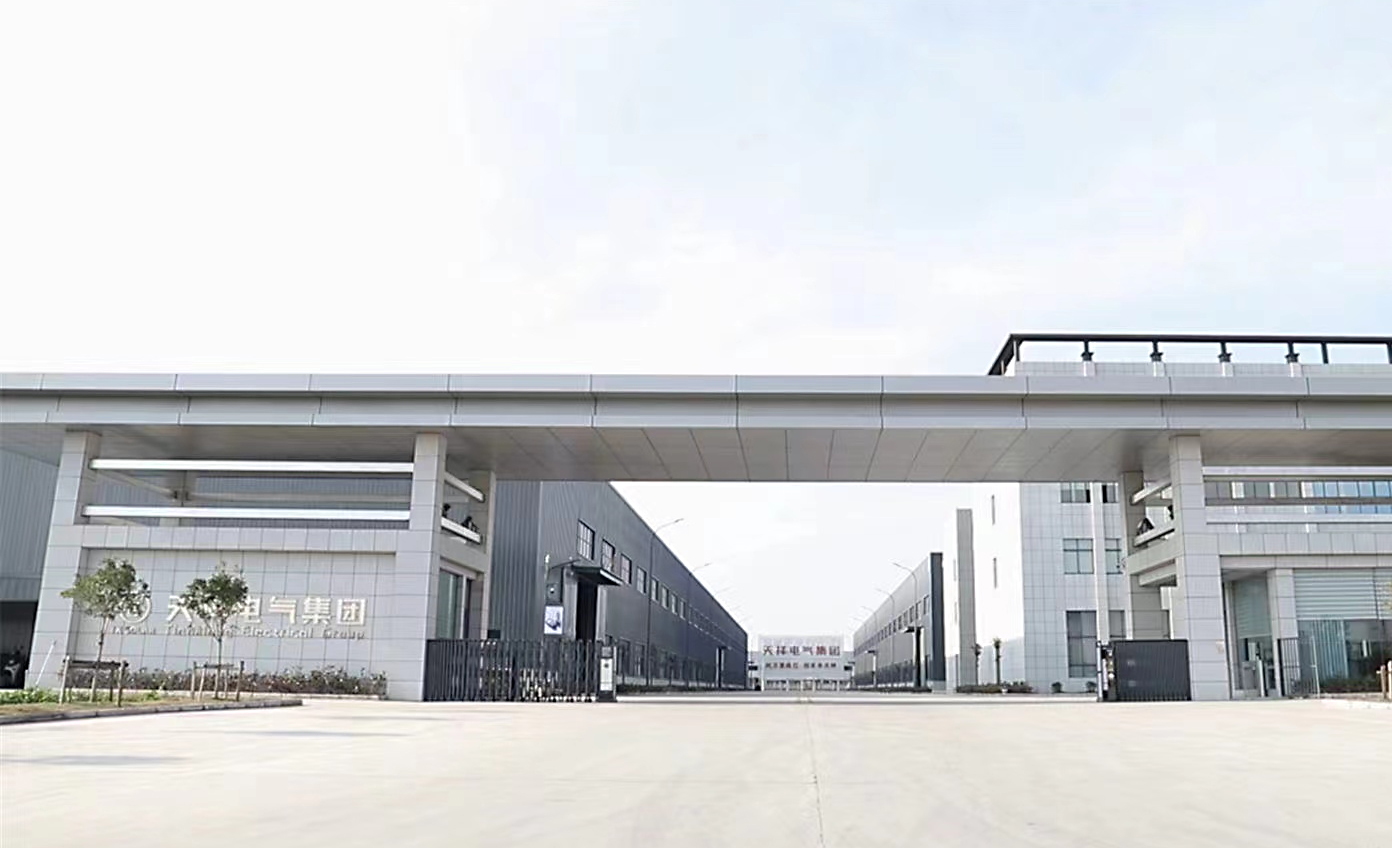
Yangzhou Tianxiang Road Lamp Equipment Co., Ltd. founded in 2008 and located in the smart Industrial Park of street lamp manufacturing base in Gaoyou City, Jiangsu Province, is a production-oriented enterprise focusing on street lamp manufacturing. At present, it has the most perfect and advanced digital production line in the industry. Up to now, the factory has been at the forefront of the industry in terms of production capacity, price, quality control, qualification and other competitiveness, with a cumulative number of lights on more than 1,700,000, in Africa and Southeast Asia, Many countries in South America and other regions occupy a large market share and become the preferred product supplier for many projects and engineering companies at home and abroad.
What We Have
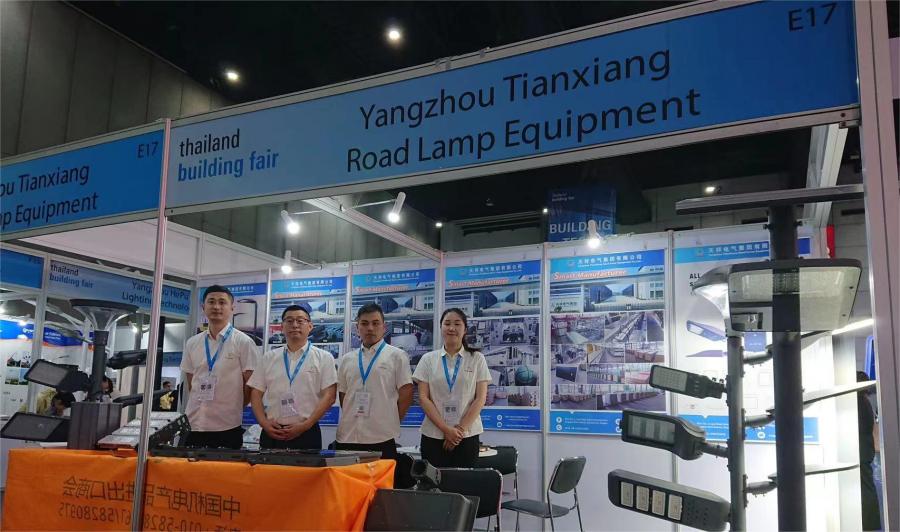
The company was established in 1996, join this new industrial zone in 2008. Now we have more than 200 people, R & D Personal 12 people, engineer 16 people, QC 4 people, International trade department: 16 people, sales department(china): 12 people.
What you get: We have a powerful R&D and engineer team, that offer exceptional products and technical supports, and we have our own solar panel, solar battery and lighting workshops.
Enterprise Culture
-


Our Mission
Continuous improvement, technological innovation, and the pursuit of 100% customer satisfaction.
-


Our Vision
To be the world's leading brand in renewable energy and energy efficient lighting.
-


Our Value
Open, harmonious, pragmatic and innovative.
Complete Industrial Solar Solutions Portfolio
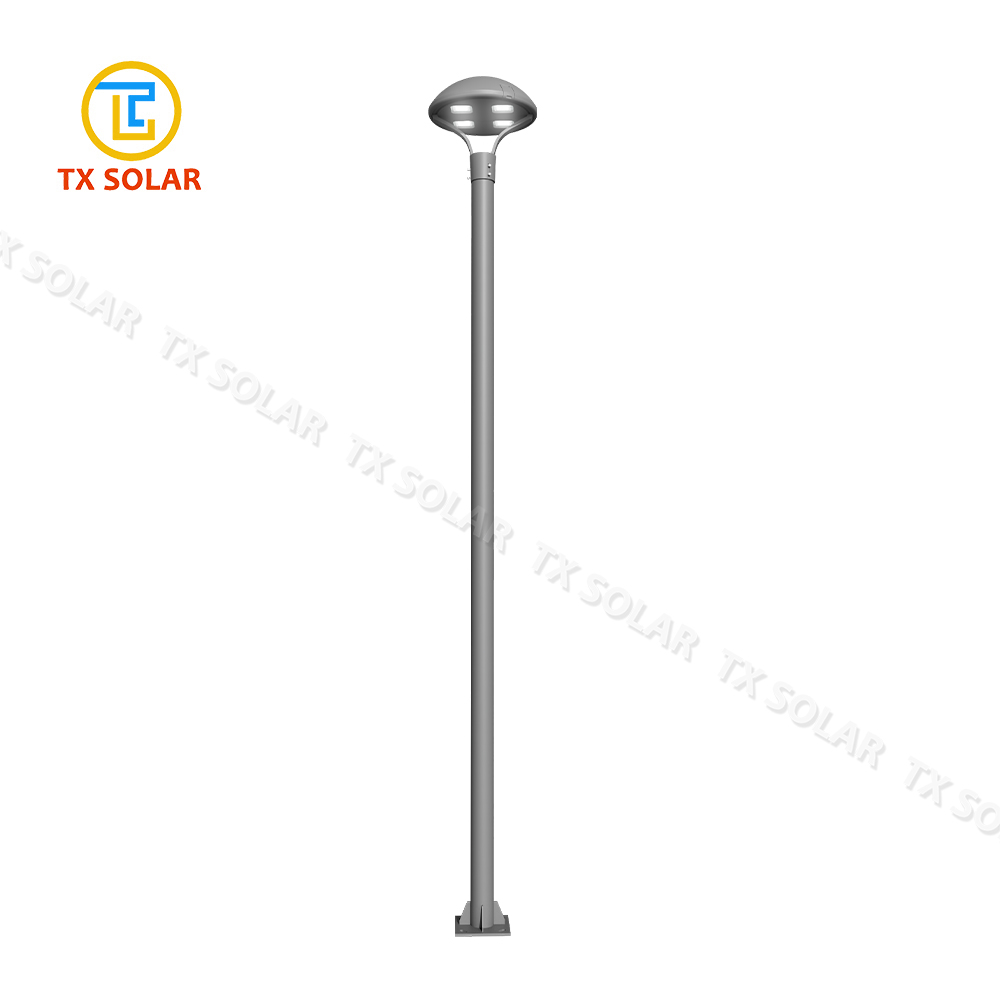
Industrial Park Die-cast Aluminum LED Courtyard Light
Learn More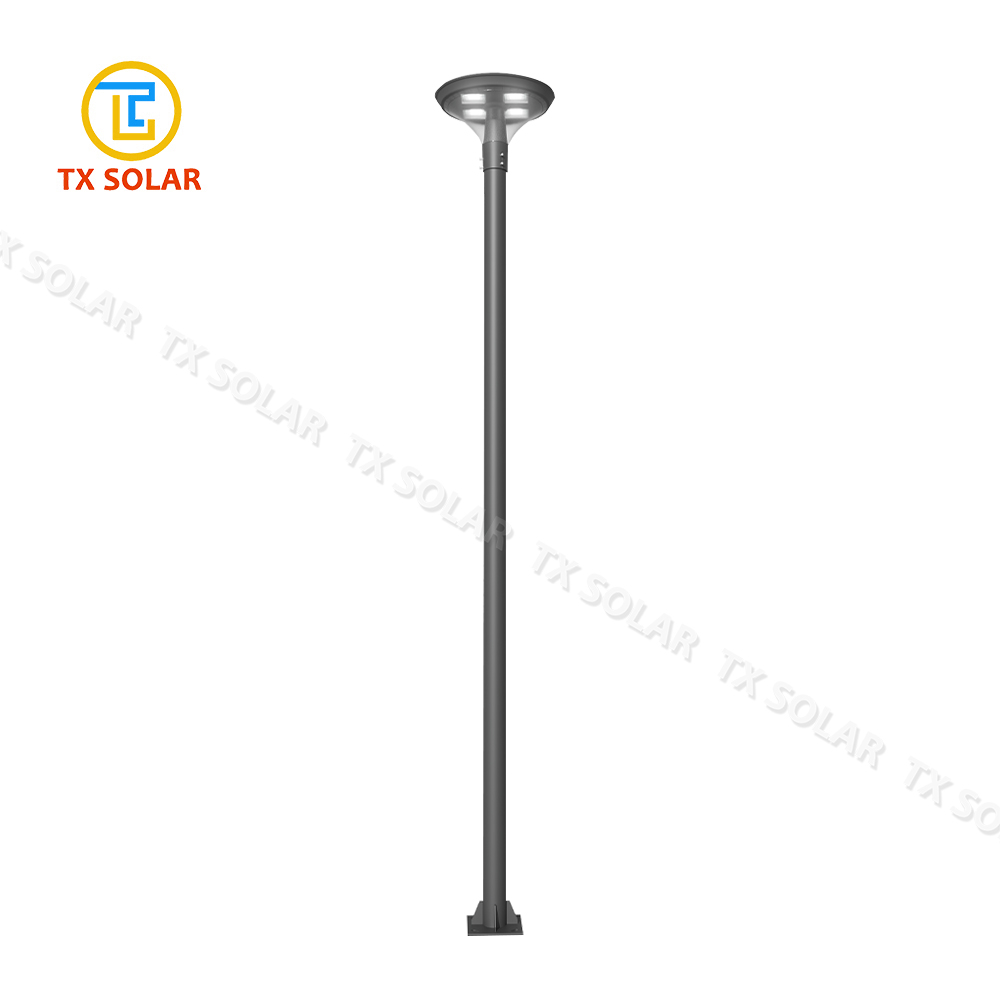
Factory Green Space Solar Garden Light
Learn More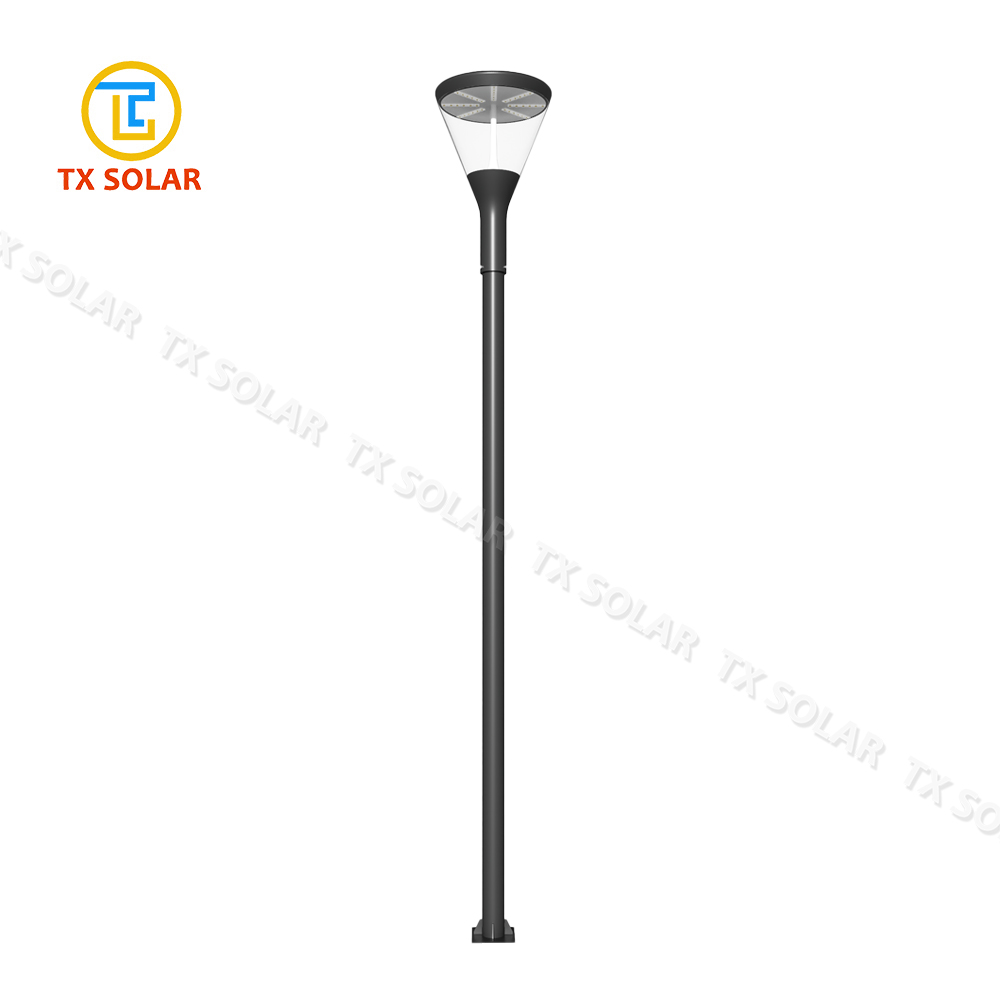
Industrial Zone Waterproof Perimeter Road Lamp
Learn More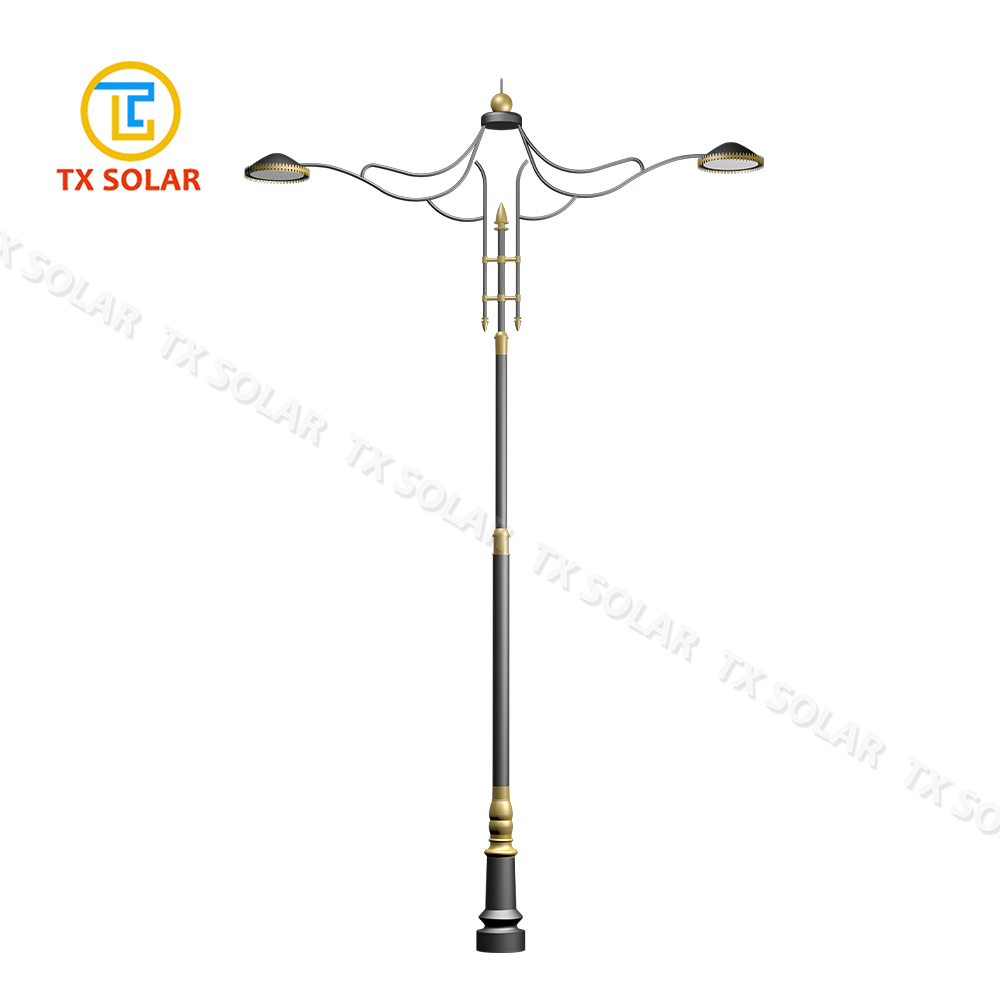
6-12M Heavy Duty Industrial Solar Pole for Factories
Learn More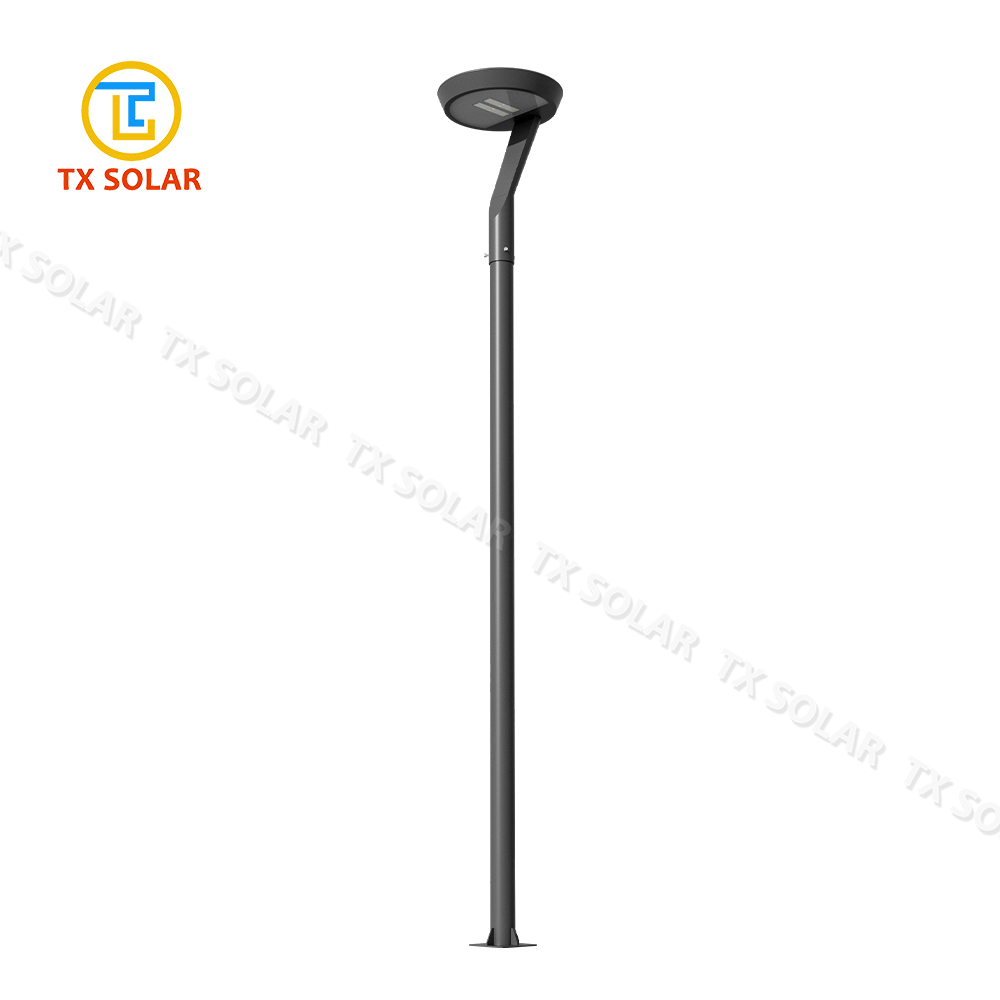
Industrial Facility Parking Lot LED Light
Learn More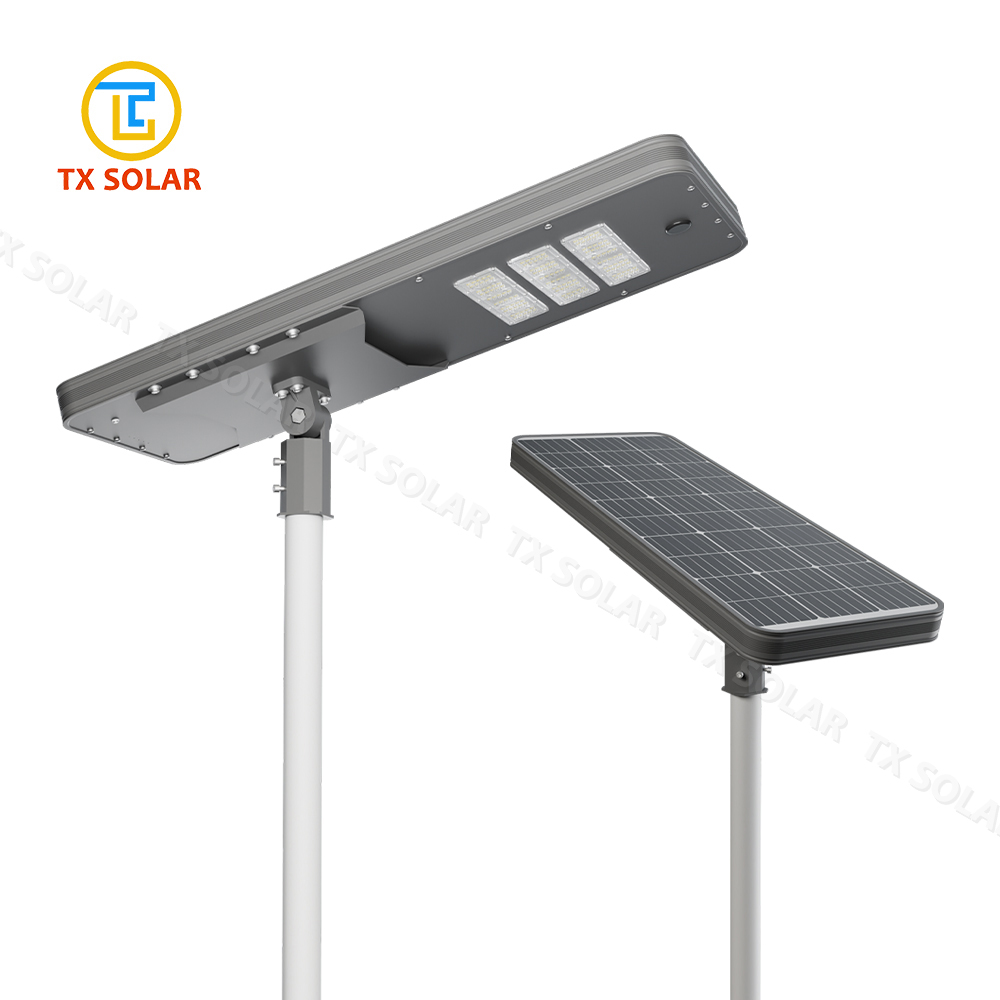
30W-100W Integrated Solar Street Light for Factory Zones
Learn More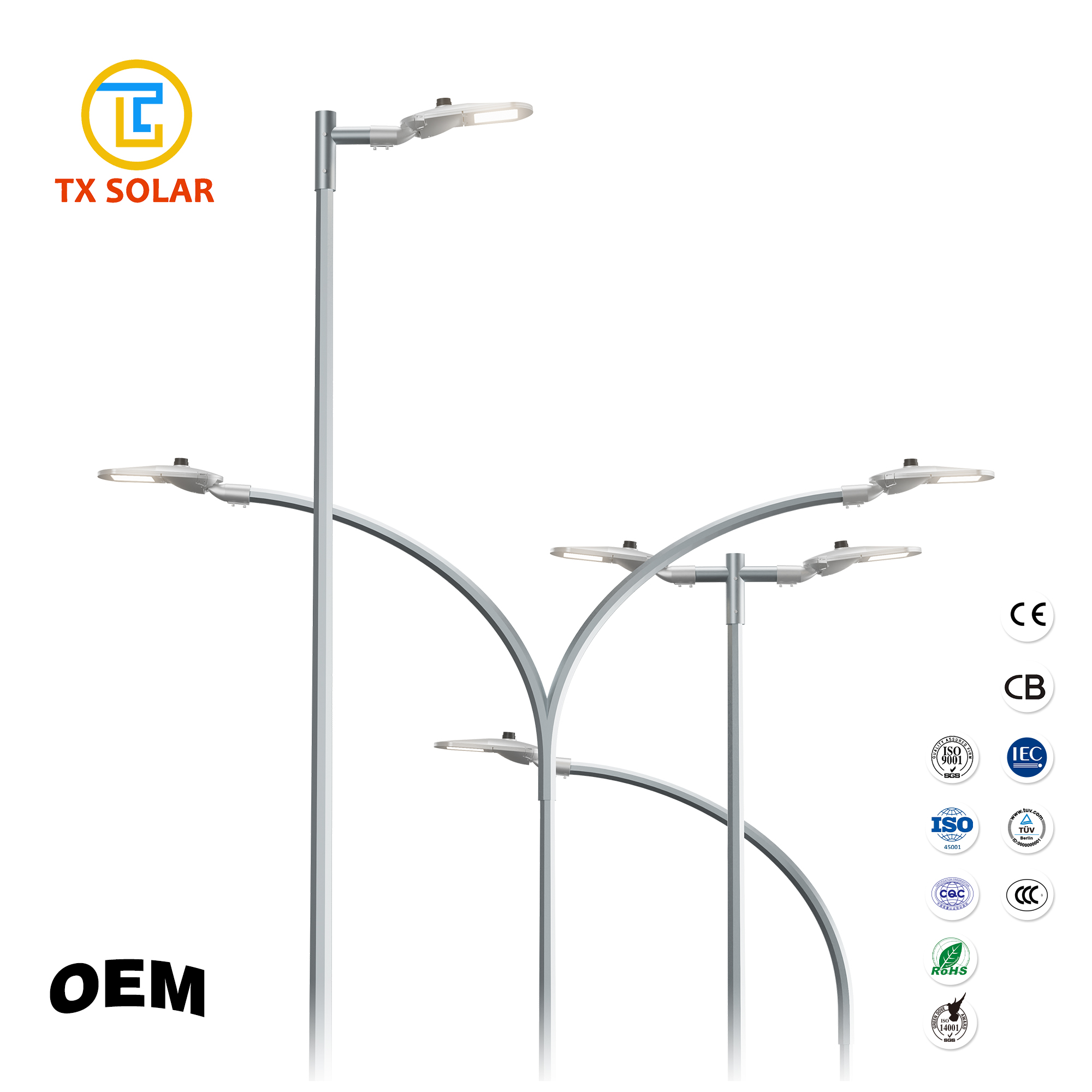
Galvanized Steel Industrial Solar Pole at Factory Price
Learn More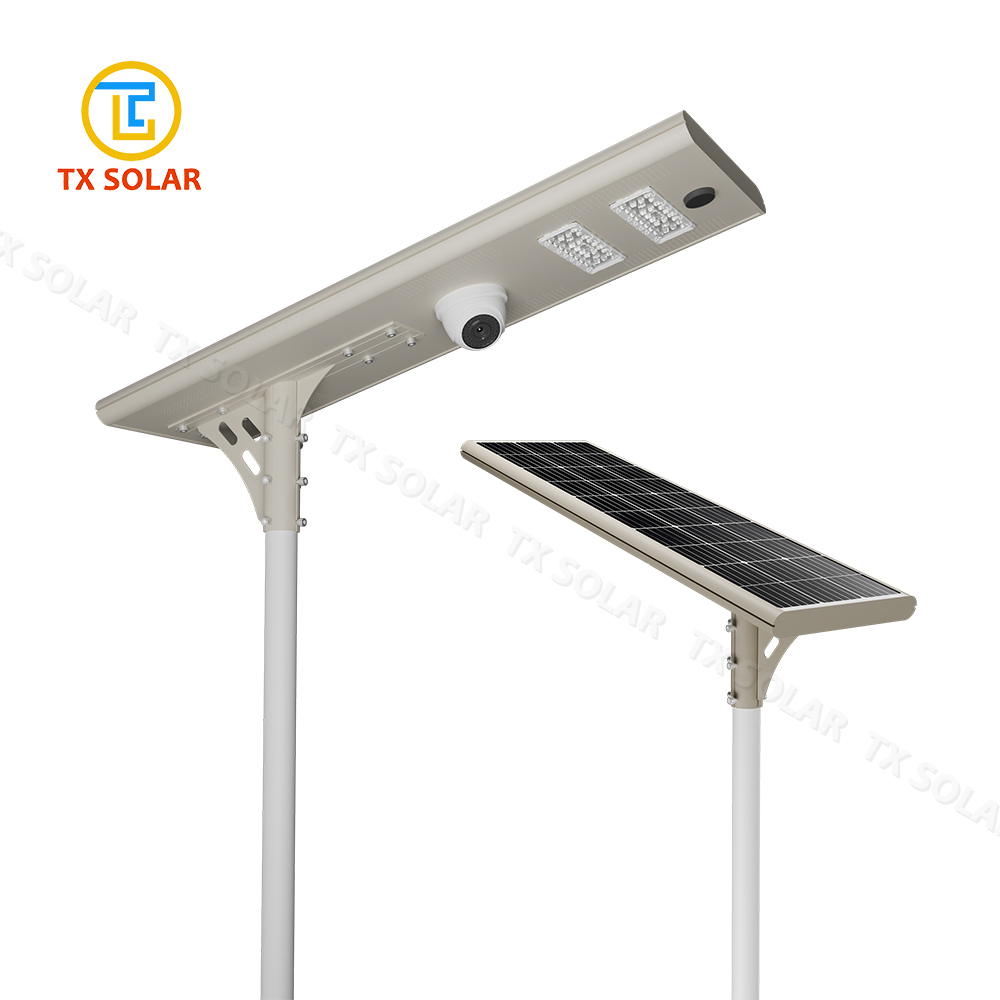
All in One Solar Street Light with CCTV for Industrial Security
Learn More-

E-mail
-

Whatsapp
-

Top


