
Industrial Landscape & Commercial Evolution
The global transition toward smart, carbon-neutral cities has placed municipal lighting at the forefront of urban planning. Historically, public parks and recreational gardens relied heavily on grid-connected high-pressure sodium (HPS) or metal halide lamps. These traditional systems not only consumed immense quantities of electrical energy but also incurred substantial infrastructure costs due to extensive trenching, cabling, and grid synchronization. Today, the commercial and industrial landscape of park illumination has fundamentally shifted toward Solar Outdoor Lamp Post Lights.
Driven by stringent environmental mandates, rising energy costs, and the rapid maturation of photovoltaic (PV) and battery storage technologies, municipal authorities and private developers are recognizing solar lamp posts as capital-efficient assets. The global solar street and park lighting market is projected to expand at a compound annual growth rate (CAGR) exceeding 15% over the next decade. This growth is fueled by a collective realization: solar outdoor lighting eliminates monthly utility bills, drastically reduces installation times, and minimizes soil and root disruption in ecologically sensitive parklands.
From a commercial standpoint, modern solar lamp posts are no longer viewed merely as standalone light fixtures. They are increasingly integrated into the "Smart City" framework, serving as structural nodes for environmental monitoring, public Wi-Fi, security surveillance, and emergency broadcasting. In public parks and botanical gardens, this integration enhances visitor safety while providing municipalities with valuable real-time data on air quality, pedestrian traffic, and ambient conditions.
Technological Trends: AI & Smart Energy Systems
The technological evolution of solar outdoor lamp post lights is marked by the convergence of high-efficiency hardware and intelligent software. The industry has moved past basic dusk-to-dawn sensors, embracing adaptive, AI-driven energy management systems that ensure uninterrupted illumination even during prolonged periods of inclement weather.


Furthermore, the incorporation of Internet of Things (IoT) connectivity via LoRaWAN, Zigbee, or cellular networks allows park managers to monitor the health of every individual lamp post from a centralized dashboard. Real-time alerts for battery degradation, solar panel obstruction, or LED driver failures dramatically lower operations and maintenance (O&M) expenditures, turning reactive maintenance into predictive servicing.
Deep-Dive Application Scenarios in Parks & Gardens
Public parks and botanical gardens present unique lighting challenges. Unlike standard highway lighting, park illumination must balance human safety, aesthetic elegance, and ecological preservation. Below, we dissect how modern solar lamp posts are tailored to distinct zones within public recreational spaces.
1. Pedestrian Pathways & Jogging Trails
Safety is paramount along winding park trails and jogging tracks. Solar lamp posts equipped with asymmetric optics project uniform, glare-free light directly onto the walkway, eliminating dark spots where accidents or security incidents could occur. Integrated motion sensors (PIR or microwave) allow the lights to remain at a dimmed capacity (e.g., 20%) when the trail is empty, instantly ramping up to 100% brightness when a runner or pedestrian approaches. This preserves battery life while maintaining a secure environment.
2. Ecological Preservation & Wildlife Zones
Artificial light at night (ALAN) can severely disrupt local ecosystems, affecting bird migration, insect populations, and nocturnal wildlife behavior. Modern solar park lights address this by utilizing warm-toned LEDs (2200K to 3000K) and specialized shielding to prevent light spill into the sky (Zero Up-light) or adjacent water bodies. AI-controlled schedules can completely douse or heavily dim lights during peak wildlife activity hours, ensuring human safety and ecological harmony coexist.
3. Central Plazas & Gathering Hubs
Public plazas, amphitheaters, and garden pavilions require higher illuminance levels and superior color rendering indexes (CRI > 80) to facilitate community gatherings, night markets, or cultural performances. In these zones, multi-arm decorative solar posts are deployed. They provide high-lumen output during active hours and transition to soft ambient lighting as the night progresses, utilizing smart power allocation to ensure the lights remain active until sunrise.
4. Historic & Botanical Theme Gardens
For heritage parks and botanical gardens, the structural design of the light pole is as important as the light it emits. Custom-engineered, hot-dip galvanized poles with decorative double-arms or classical European styling blend seamlessly into historical landscapes. These structures hide the advanced solar panels and battery compartments within an elegant silhouette, proving that cutting-edge green technology does not require sacrificing classic architectural beauty.
About Yangzhou Tianxiang Road Lamp Equipment Co., Ltd.
Professional Outdoor Lighting Manufacturer Since 1996
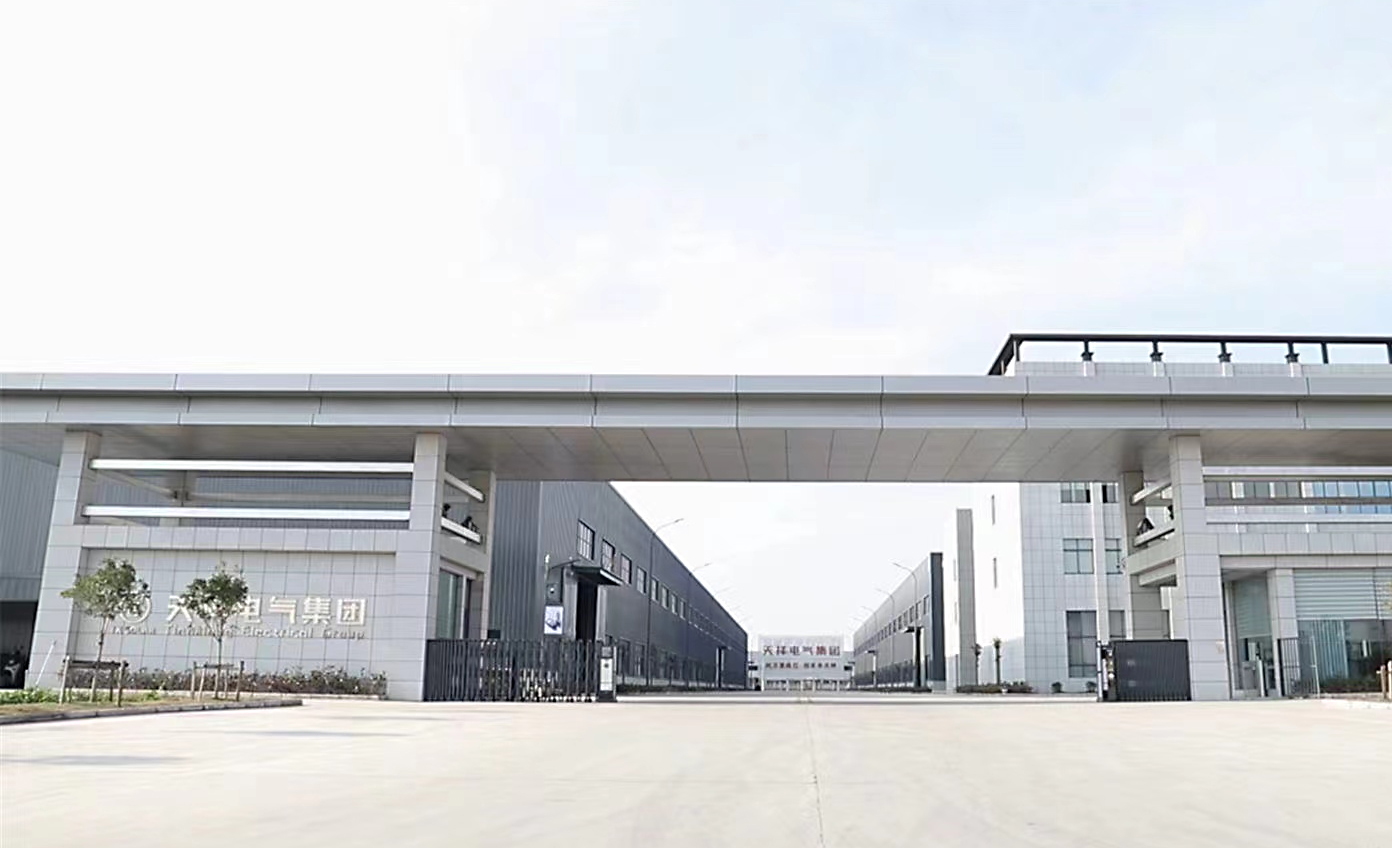
Yangzhou Tianxiang Road Lamp Equipment Co., Ltd. founded in 2008 and located in the smart Industrial Park of street lamp manufacturing base in Gaoyou City, Jiangsu Province, is a production-oriented enterprise focusing on street lamp manufacturing. At present, it has the most perfect and advanced digital production line in the industry. Up to now, the factory has been at the forefront of the industry in terms of production capacity, price, quality control, qualification and other competitiveness, with a cumulative number of lights on more than 1,700,000. In Africa, Southeast Asia, South America, and many other regions, we occupy a large market share and have become the preferred product supplier for many projects and engineering companies at home and abroad.
What We Have & Our Capacity
The company was established in 1996, joining this new industrial zone in 2008. Now we have more than 200 people, including a dedicated R&D Personal team of 12 people, 16 experienced engineers, 4 strict QC specialists, an International Trade Department of 16 people, and a domestic sales department of 12 people. Our state-of-the-art facilities enable us to deliver high-quality, wind-resistant, and anti-corrosion poles and integrated solar lighting solutions tailored for public works, parks, and municipal roads globally.
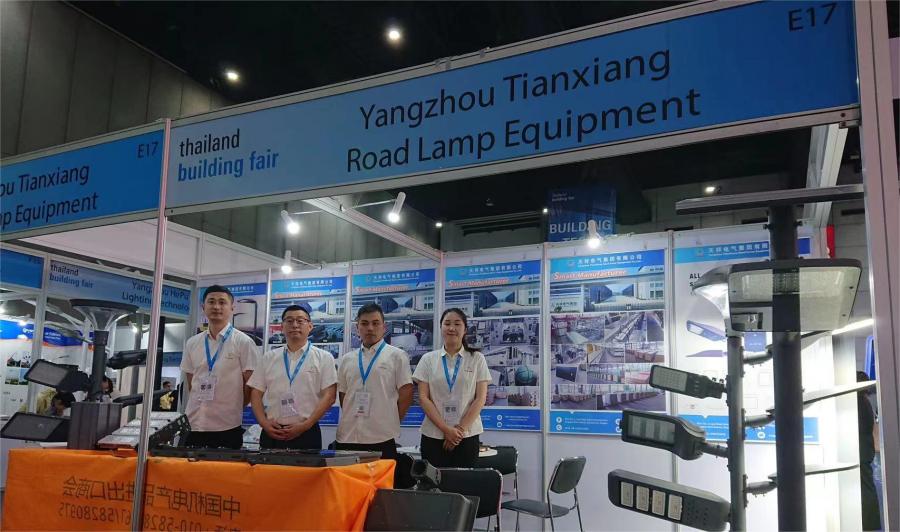
Enterprise Culture
What You Get Partnering With Us
We have a powerful R&D and engineer team that offers exceptional products and technical supports. Because we operate our own solar panel laminating workshops, solar battery assembly lines, and light pole fabrication facilities, we guarantee unmatched quality control and highly competitive pricing.
Our Complete Solar & Pole Catalog

Wind Resistant Anti-Corrosion Park Decorative Metal Pole
View Details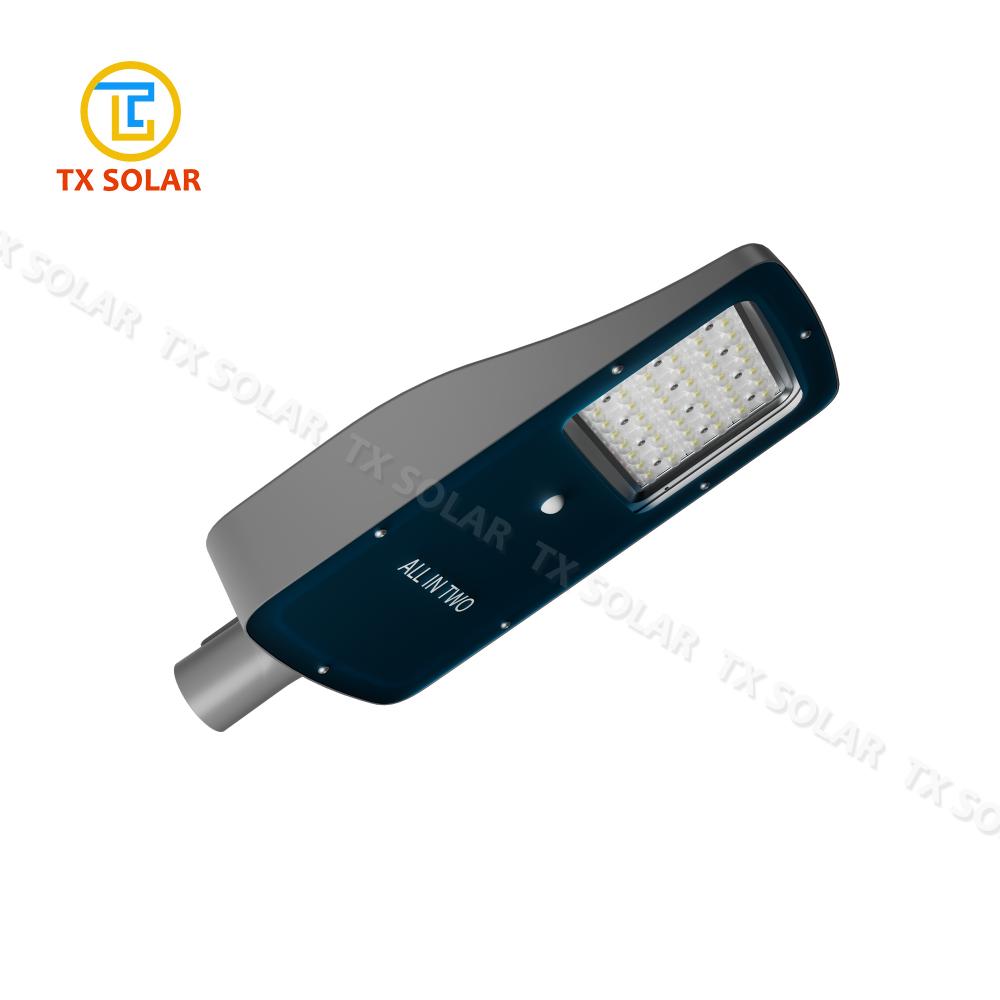
60W All In Two Solar Park & Garden Light
View Details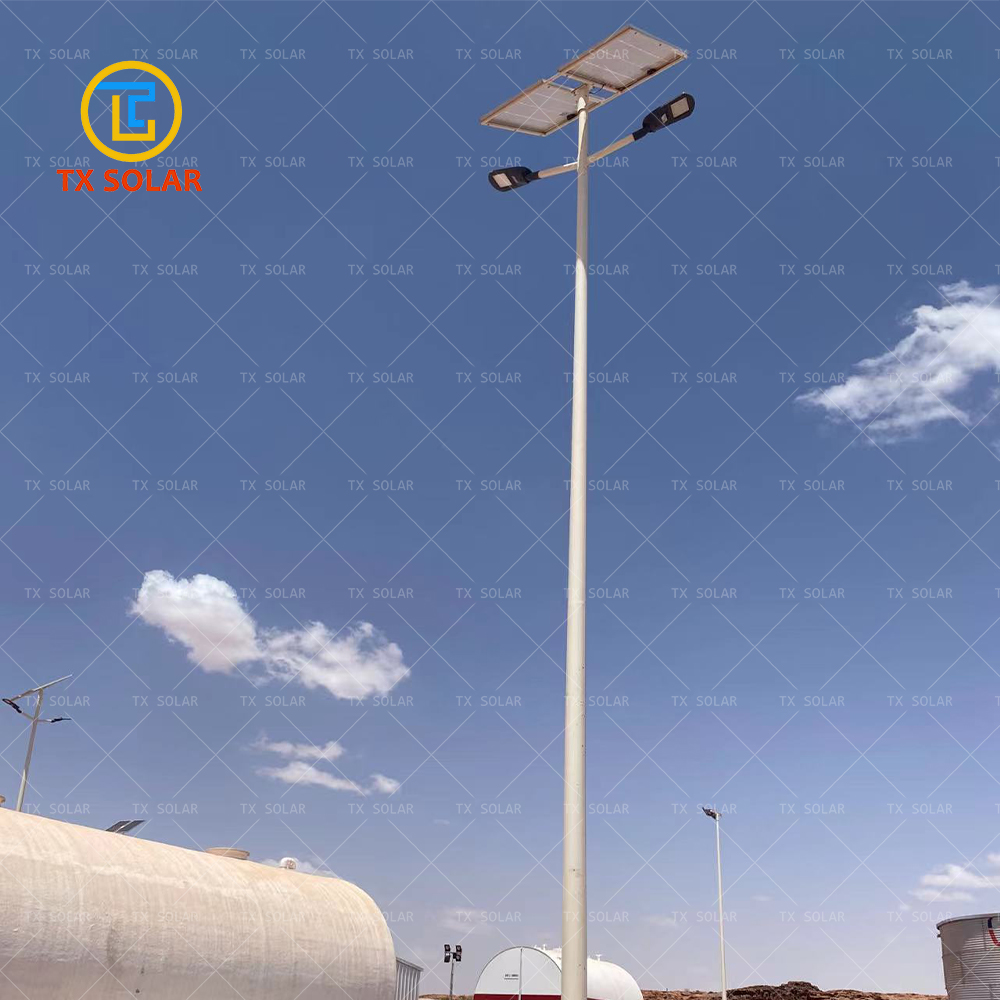
10m 100w Solar Pathway Light with Gel Battery
View Details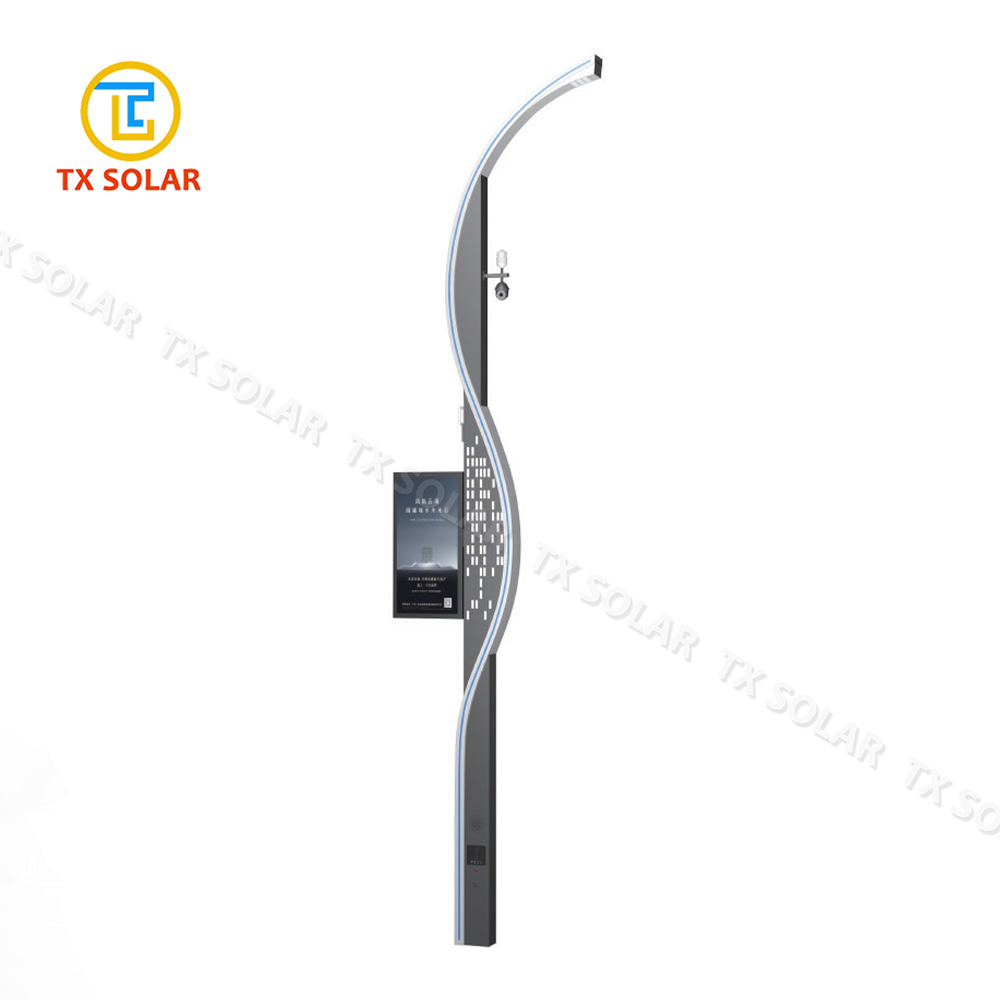
Smart Park Multifunctional Solar Pole 6M 8M 10M
View Details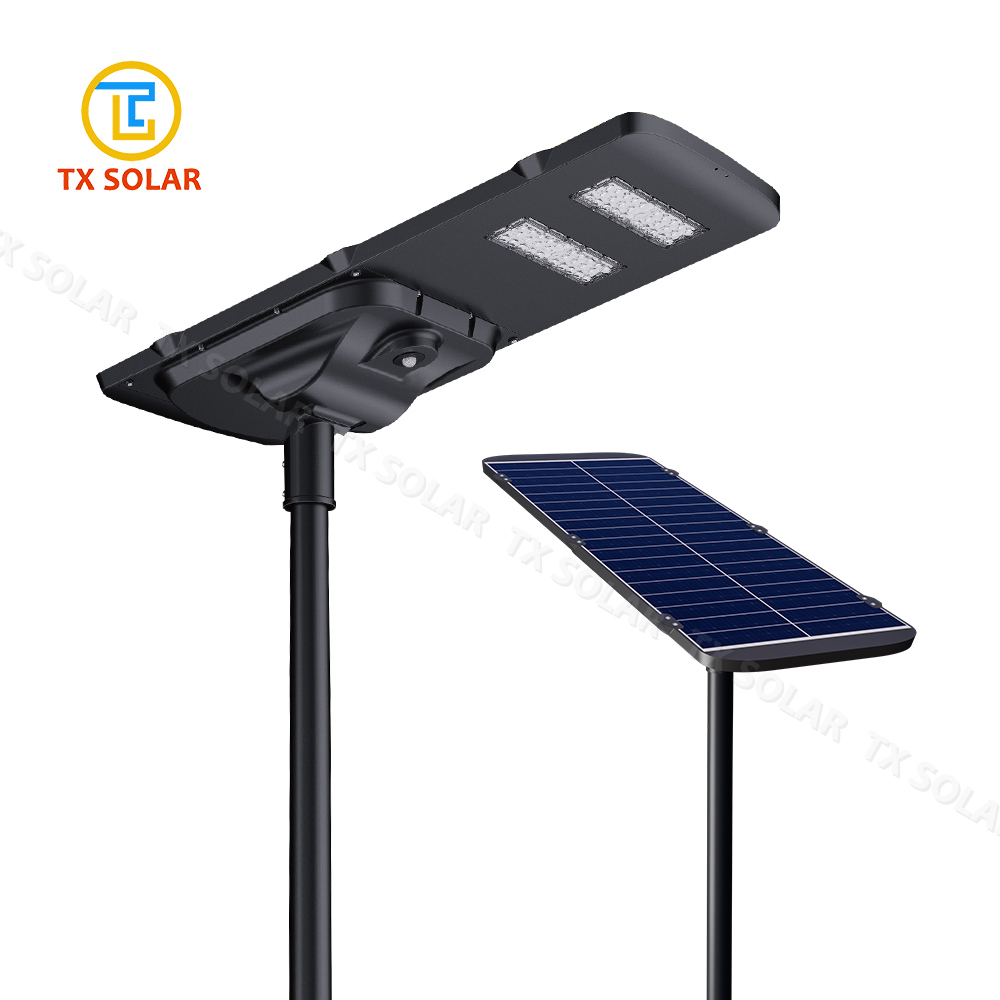
Bat Wing All In One Solar Garden Post Light
View Details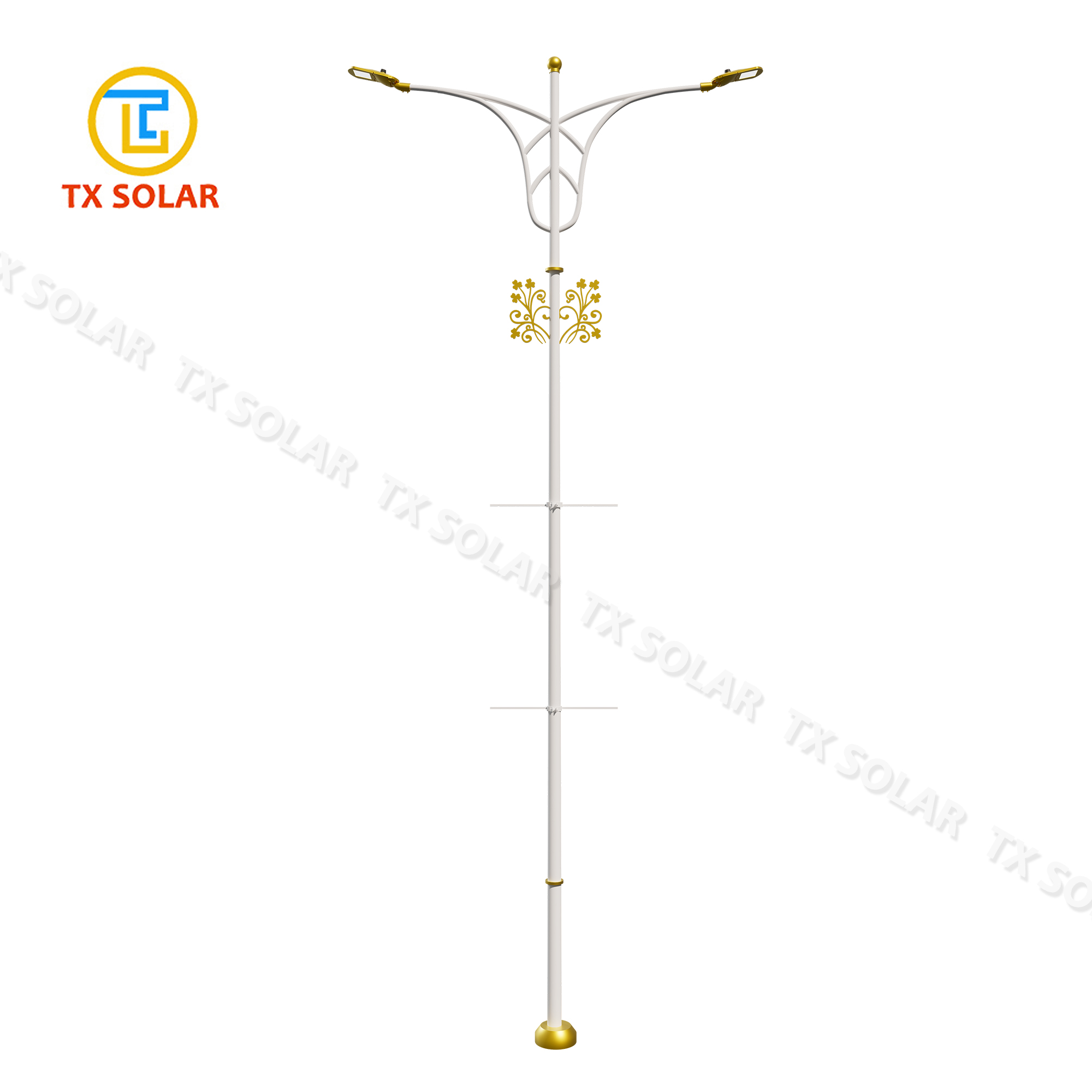
European Style Double-Arm Decorative Park Lamp Pole
View Details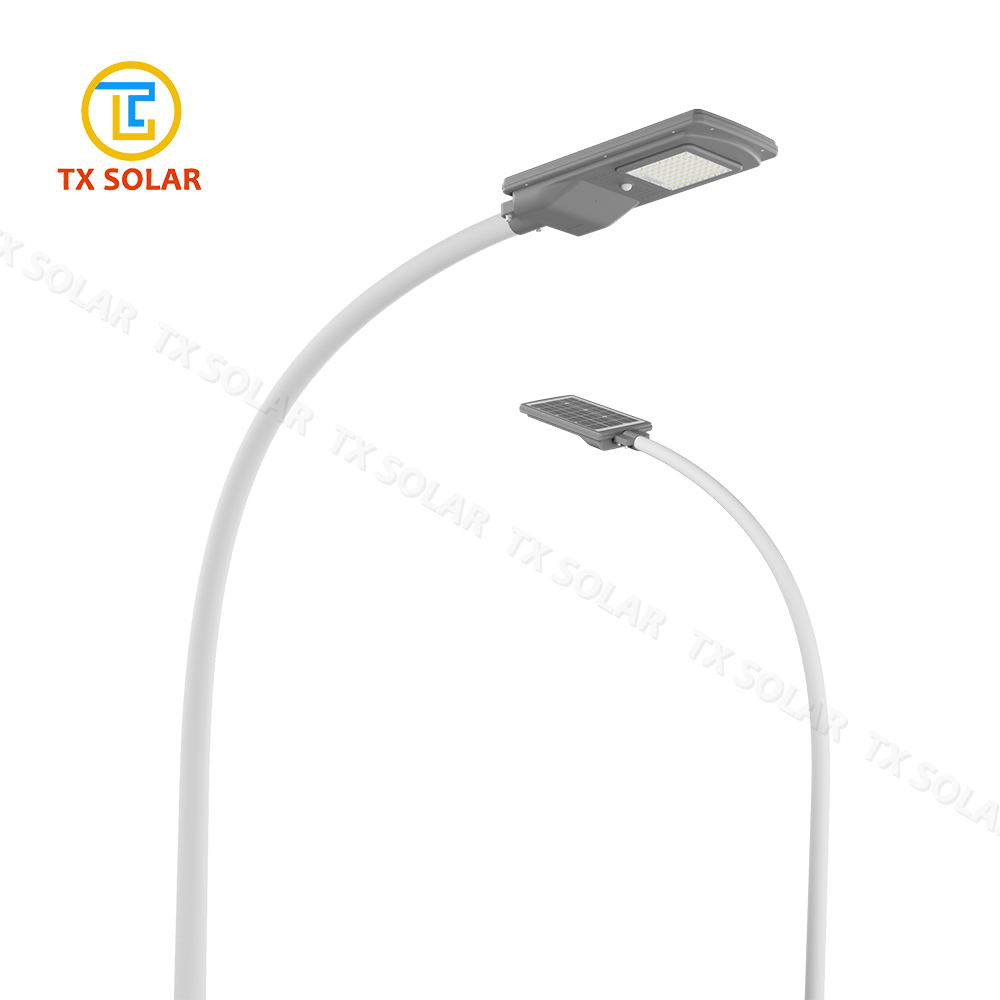
30W Mini All In One Solar Courtyard Light
View Details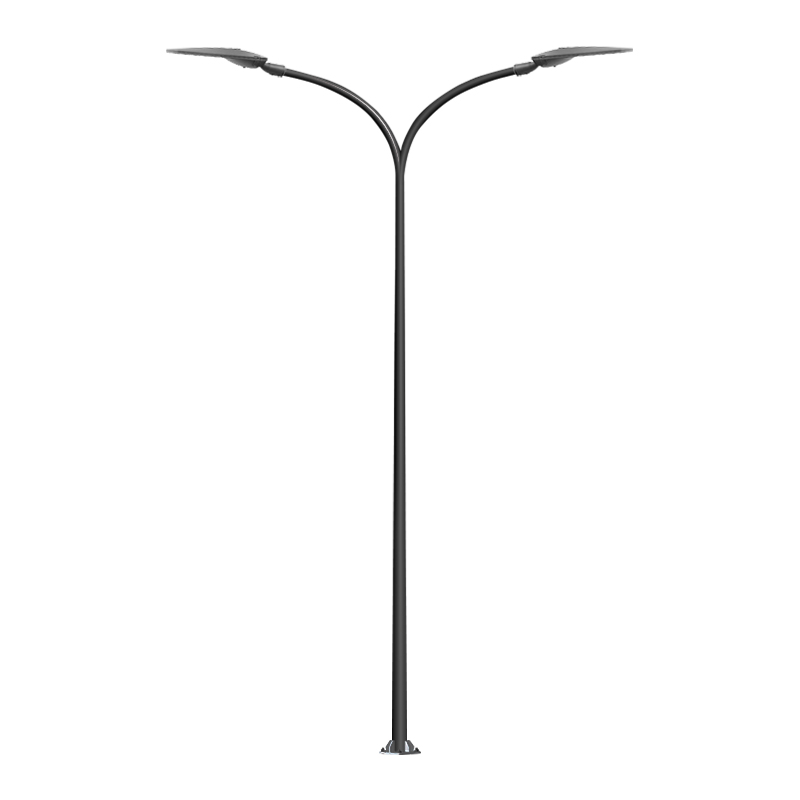
Double Arm Hot-dip Galvanized Park Light Pole
View Details-

E-mail
-

Whatsapp
-

Top


