
Featured Industrial Solar Lighting Solutions
High-efficiency luminaire systems engineered specifically to meet the strict security and operational standards of industrial parks and factory grounds.
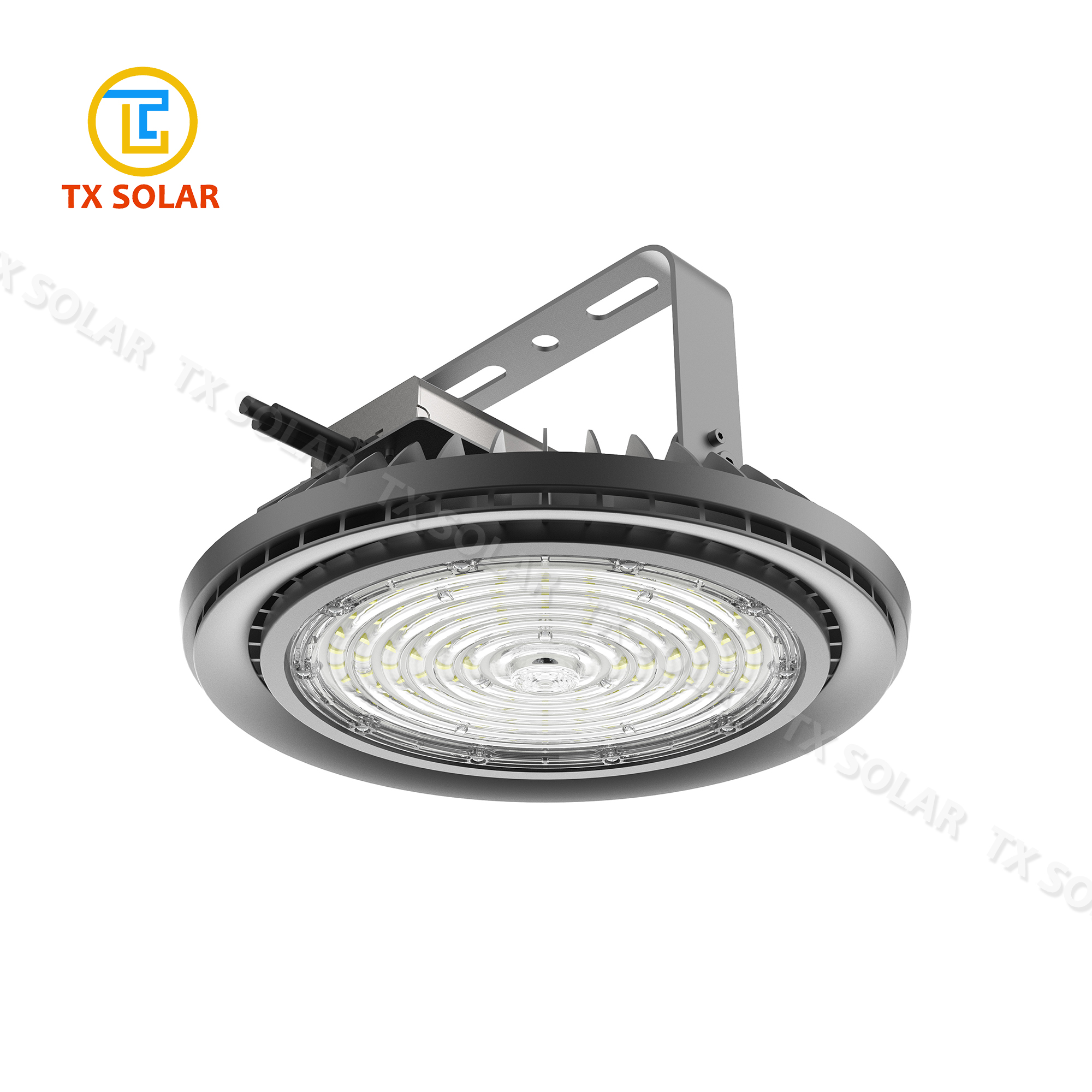
High-Efficiency UFO LED High Bay Light for Industrial Factory Workshops
View Details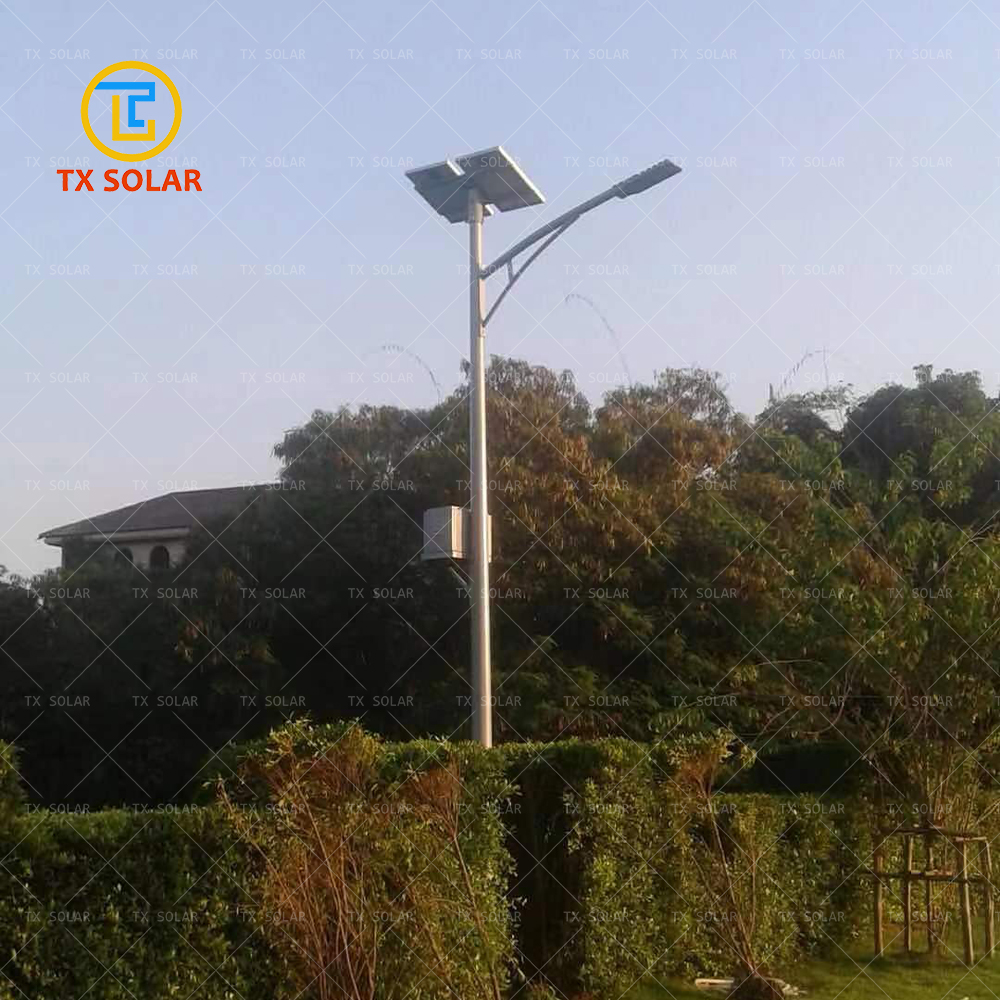
7M 40W Smart Solar Street Light for Factory Main Roadways
View Details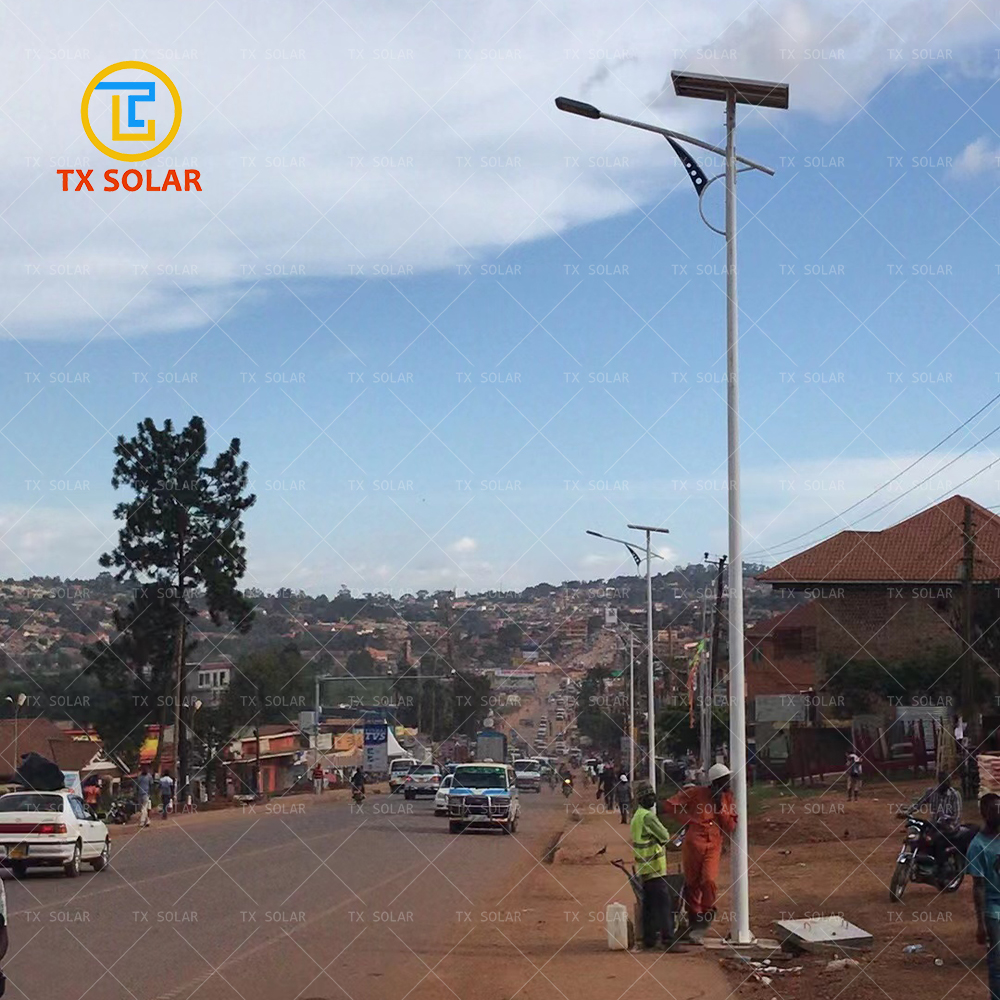
6M 30W Eco-Solar Street Light for Industrial Park Logistics Zones
View Details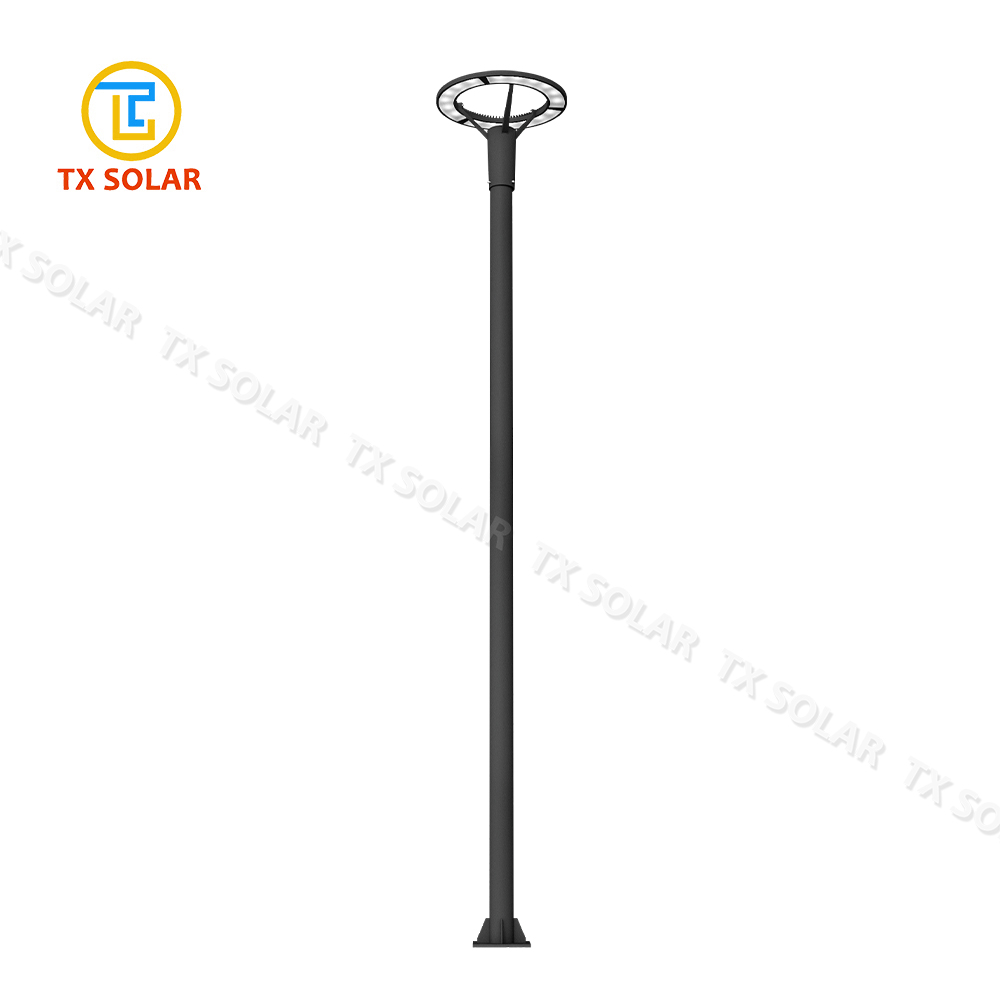
High-Lumen LED Pathway & Security Area Light for Industrial Parks
View DetailsThe Shift to Solar LED Street Lights in Modern Industrial Parks
Industrial parks, logistics hubs, and manufacturing facilities are the backbones of global trade, operating around the clock to meet production demands. However, these massive complexes require extensive infrastructure, with outdoor security and roadway lighting representing a substantial portion of their monthly utility bills. Historically, high-pressure sodium (HPS) or metal halide lamps illuminated these zones, demanding high maintenance, suffering from short lifespans, and consuming vast amounts of grid energy.
Today, the industrial landscape is undergoing a massive transformation. Driven by stringent environmental, social, and governance (ESG) directives, rising electricity tariffs, and the global push for carbon neutrality, industrial developers are shifting toward Solar LED Street Lights. These systems combine high-efficiency photovoltaic panels, long-lasting lithium or gel batteries, and advanced LED luminaires to deliver a completely autonomous, grid-independent lighting network. For industrial zones, this shift is not merely an environmental statement; it is a critical strategy to enhance operational resilience and drastically reduce overhead costs.
Zero Utility Expenses
By harvesting solar energy during the day, industrial parks eliminate grid dependency for outdoor lighting, shielding operations from rising energy tariffs and grid failures.
Low Installation & Setup Costs
Solar street lighting avoids expensive trenching, cable laying, and grid-connection approvals, saving thousands of dollars in initial civil engineering costs.
Maximum Industrial Security
Uninterrupted illumination continues even during localized blackouts or grid disruptions, maintaining critical surveillance and safety protocols.
Key Industrial Application Scenarios of Solar LED Lighting
Industrial parks are complex ecosystems containing distinct functional zones. A one-size-fits-all lighting model is insufficient. Implementing targeted solar lighting solutions ensures each zone meets safety, logistics, and productivity requirements.
1. Perimeter Security and Fencing
Securing the outer boundaries of a factory or industrial estate requires constant, high-reliability illumination. Solar LED street lights equipped with integrated motion sensors (PIR or microwave) are ideal for perimeter fencing. Under normal conditions, they operate at a dimmed power-saving mode (e.g., 30% brightness). If an intruder approaches, the sensor instantly triggers 100% brightness, working in tandem with CCTV cameras to capture clear footage. Because solar lights operate independently of grid cables, they remain functional even if an intruder attempts to cut the main factory power lines.
2. Heavy Truck Loading Bays and Logistics Yards
Logistics terminals run dynamic, heavy-vehicle operations throughout the night. Loading docks, container yards, and weighing stations require high-lumen, glare-free illumination to prevent accidents and ensure precise maneuvering. Installing high-mast solar LED lights with multi-angle adjustability allows logistics managers to illuminate wide spaces uniformly. High-capacity gel or lithium batteries ensure the lights maintain peak performance through long shifts, even during consecutive overcast days.
3. Internal Roadway Networks and Intersections
Internal factory roads experience constant traffic from forklift trucks, delivery vans, and pedestrian workers. Intersections, crosswalks, and sharp turns are high-risk zones. Deploying 6M to 8M solar LED street lights with optimized optical lenses ensures light is directed precisely onto the tarmac rather than scattering into the sky. This targeted lighting increases contrast, helping drivers spot hazards and pedestrians from a safe distance.
4. Administrative Buildings and Walkways
The administrative and visitor areas of industrial parks require aesthetic integration alongside functional lighting. For these zones, decorative double-arm solar poles or architectural pathway lights provide warm, welcoming illumination. These fixtures can be equipped with smart controllers that dim the lights during late-night hours when office occupancy is low, preserving battery life while maintaining a baseline level of safety and visual appeal.
Commercial Viability and ROI Analysis for Factory Owners
For financial directors and factory operations managers, infrastructure investments must be backed by a clear Return on Investment (ROI). While the initial purchase price of high-quality solar LED street lights may exceed that of traditional grid-tied LED lights, the total cost of ownership (TCO) tells a very different story.
- Elimination of Grid Infrastructure Costs: Traditional lighting requires digging trenches, laying armored cables, installing distribution boards, and connecting to the local utility substation. For a medium-sized industrial park, these civil works can account for up to 60% of the total lighting budget. Solar street lights require only a concrete foundation and pole installation, completely eliminating cabling costs.
- Minimal Maintenance Overhead: Modern industrial solar lights utilize advanced LiFePO4 (Lithium Iron Phosphate) or high-grade Gel batteries with lifespans exceeding 5 to 8 years. Combined with LED chips rated for 50,000+ hours, maintenance is reduced to occasional dust cleaning of the solar panels, minimizing the need for expensive cherry-picker rentals and maintenance crew hours.
- Protection Against Energy Inflation: With global electricity prices fluctuating and trending upward, switching to solar energy locks in zero-cost operation for the outdoor lighting network, protecting the factory's operational budget for decades.
Technological Trends Shaping Industrial Solar Lighting
The integration of smart technologies is driving solar street lights into a new era of efficiency and connectivity. Below are the key trends currently redefining the industry:
IoT and Smart Management Systems (CMS)
Modern industrial parks are adopting Central Management Systems (CMS) that connect solar street lights via LoRa, ZigBee, or 4G/5G networks. Operators can monitor battery health, solar charging rates, and energy consumption in real-time from a single dashboard. Automated alerts notify the maintenance team of any component failures instantly, preventing prolonged outages.
Adaptive Dimming and AI Algorithms
Instead of running at a fixed wattage all night, smart solar lights use AI algorithms to analyze historical weather patterns and remaining battery capacity. The system automatically adjusts brightness levels to ensure the light never goes out, even during prolonged rainy seasons. Adaptive dimming also syncs with factory shifts, providing maximum illumination during shift changes and dimming down during quiet production hours.
Bifacial Solar Panels and High-Efficiency Cells
To maximize energy capture in limited space, manufacturers are incorporating monocrystalline silicon cells with conversion efficiencies exceeding 22%. Bifacial solar panels, which generate power from both sides by absorbing reflected light from the ground, are increasingly common in industrial zones with light-colored concrete or gravel surfaces, boosting energy generation by up to 15%.
Who We Are
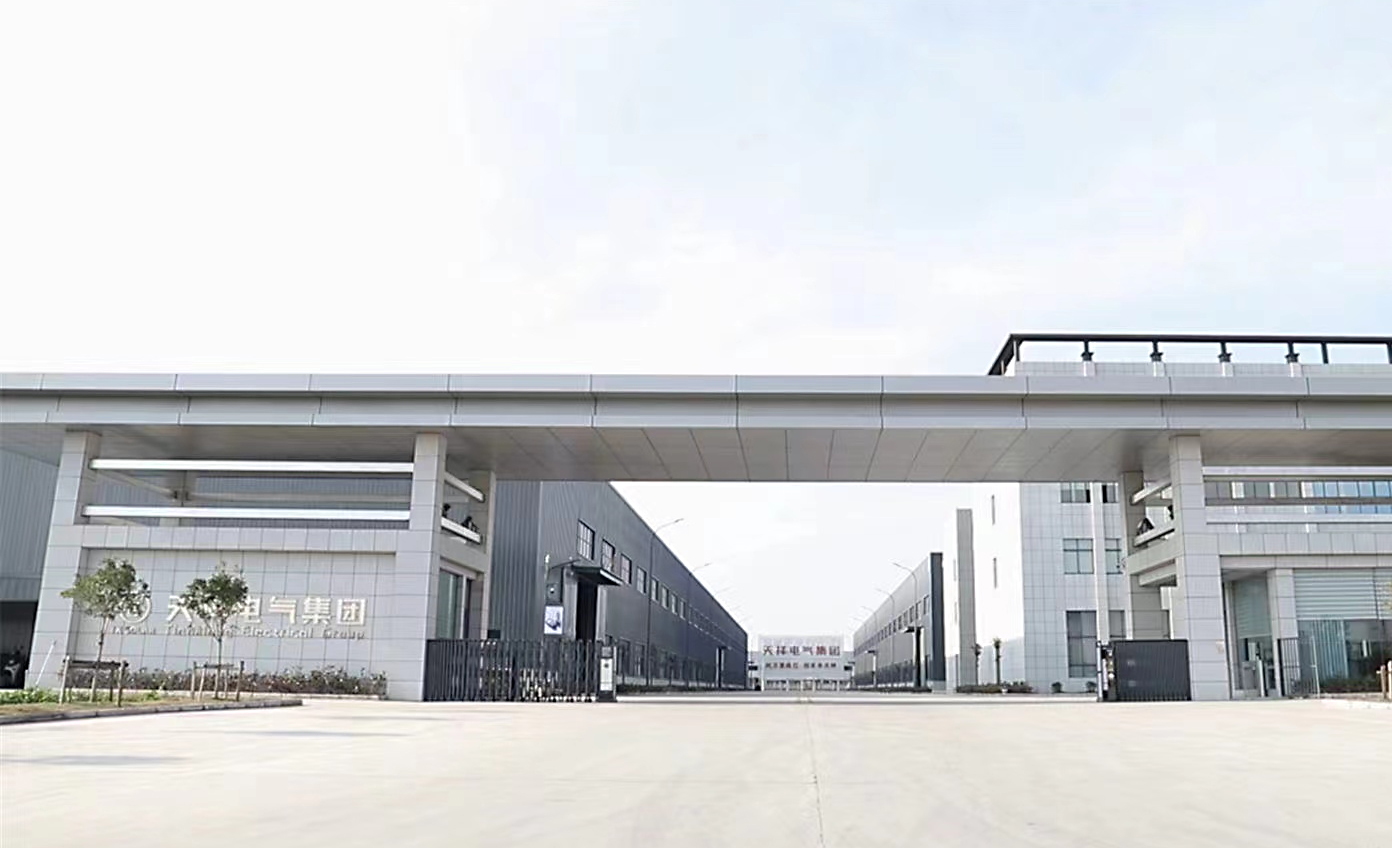
Yangzhou Tianxiang Road Lamp Equipment Co., Ltd. founded in 2008 and located in the smart Industrial Park of street lamp manufacturing base in Gaoyou City, Jiangsu Province, is a production-oriented enterprise focusing on street lamp manufacturing. At present, it has the most perfect and advanced digital production line in the industry.
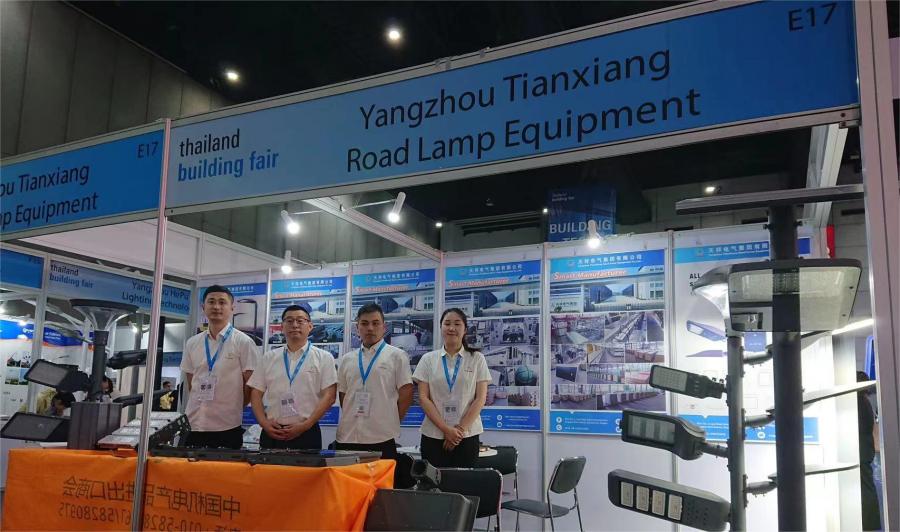
Up to now, the factory has been at the forefront of the industry in terms of production capacity, price, quality control, qualification and other competitiveness, with a cumulative number of lights on more than 1,700,000. In Africa, Southeast Asia, South America, and other regions, we occupy a large market share and have become the preferred product supplier for many projects and engineering companies at home and abroad.
What We Have
The company was established in 1996, joining this new industrial zone in 2008. Now we have more than 200 people, including 12 R&D specialists, 16 engineers, 4 QC specialists, an international trade department of 16 people, and a domestic sales department of 12 people.
Enterprise Culture
Driven by innovation, quality, and commitment to global clean energy solutions.


Our Mission
Continuous improvement, technological innovation, and the pursuit of 100% customer satisfaction.


Our Vision
To be the world's leading brand in renewable energy and energy efficient lighting.


Our Value
Open, harmonious, pragmatic, and innovative.
What You Get
Partnering with Yangzhou Tianxiang means gaining access to our powerful R&D and engineer team, offering exceptional products and comprehensive technical support. We operate our own specialized solar panel, battery, and lighting workshops, ensuring complete quality control and highly competitive factory-direct pricing.
Our Complete Industrial Lighting Product Line
Explore our full range of heavy-duty poles, solar luminaires, and high-bay workshop lighting engineered for industrial ecosystems.
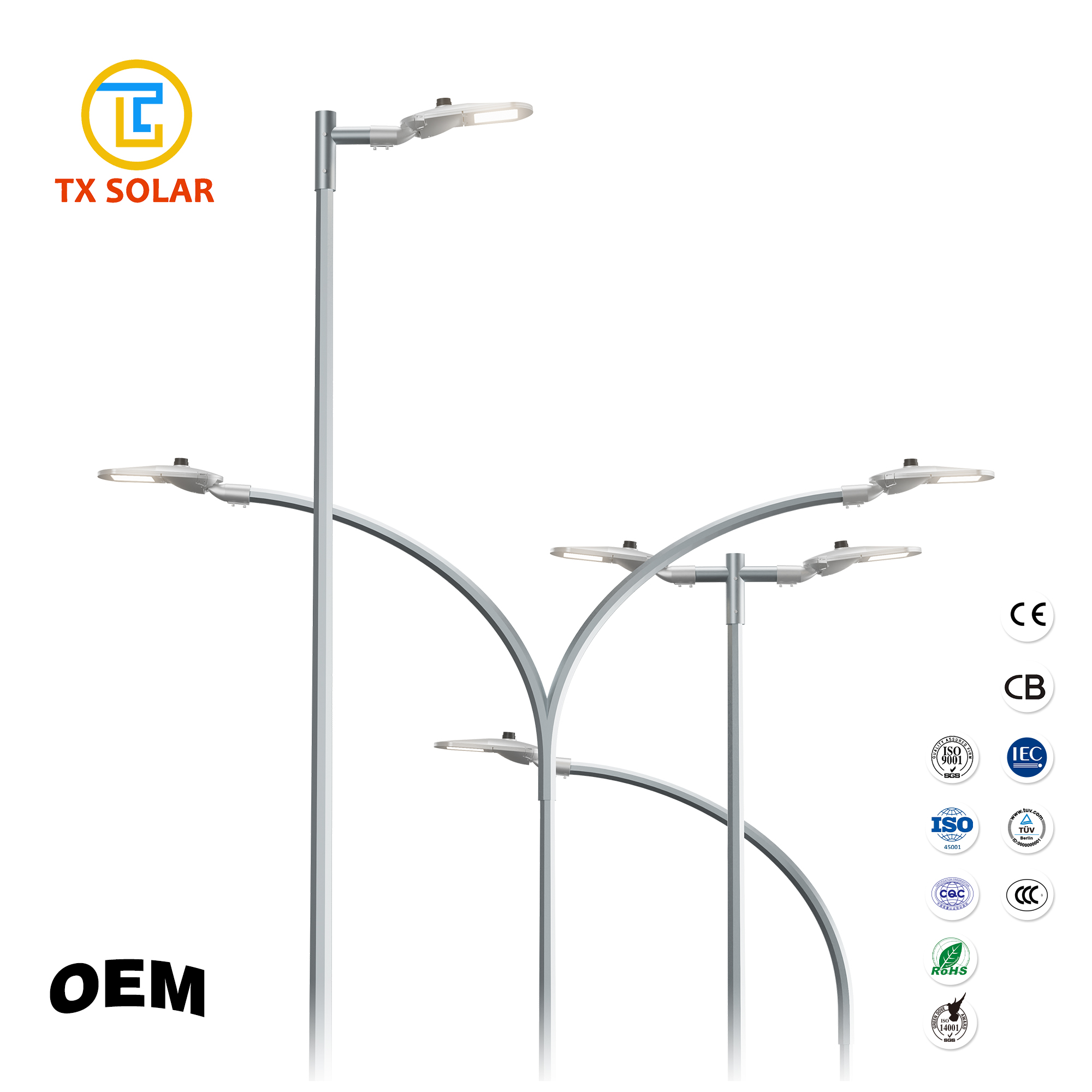
Heavy-Duty Galvanized Steel Pole for Factory Perimeter Solar Lighting
View Details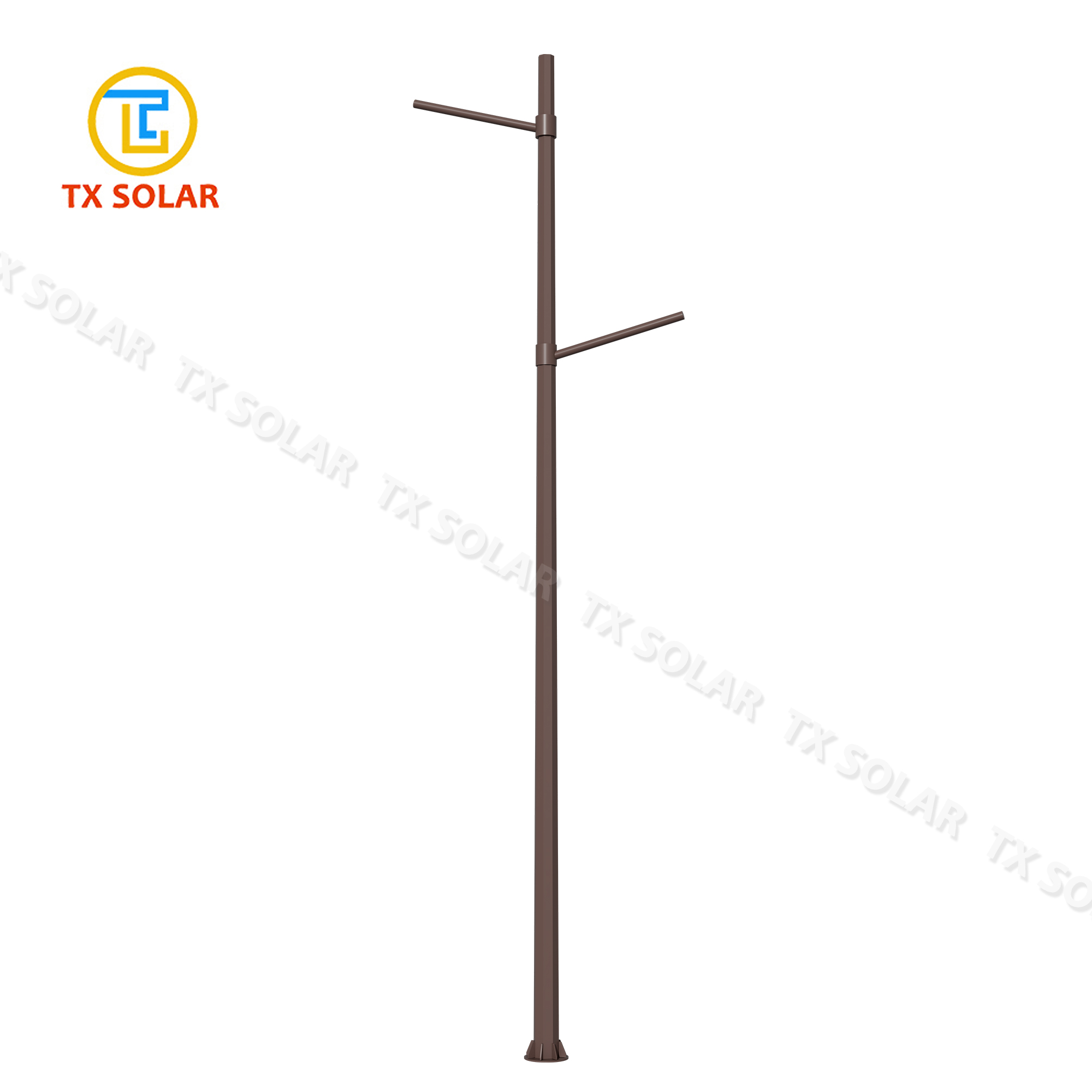
Dual-Arm Industrial Park Solar Pathway Lighting Pole
View Details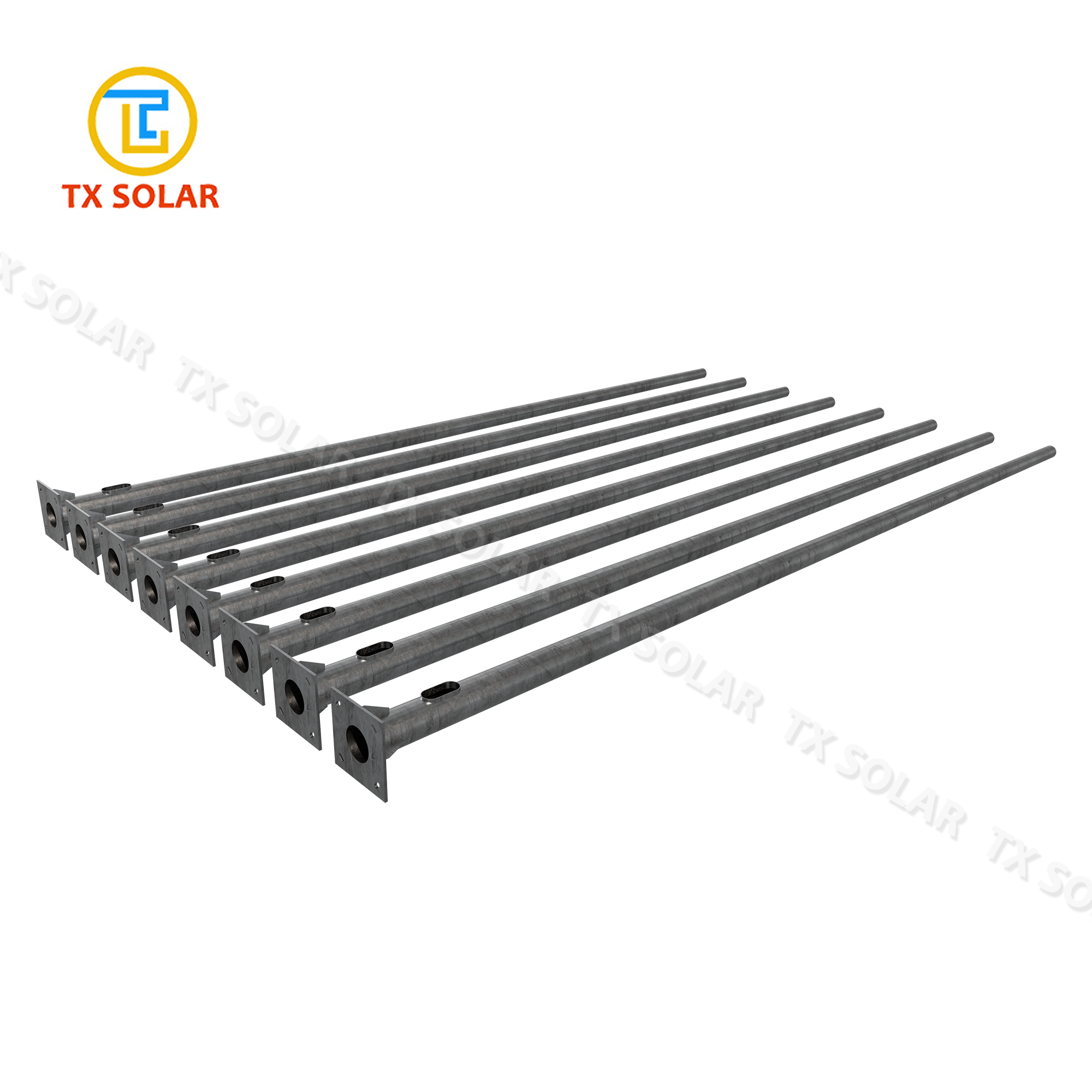
Premium Black Powder-Coated Pole for Modern Industrial Estates
View Details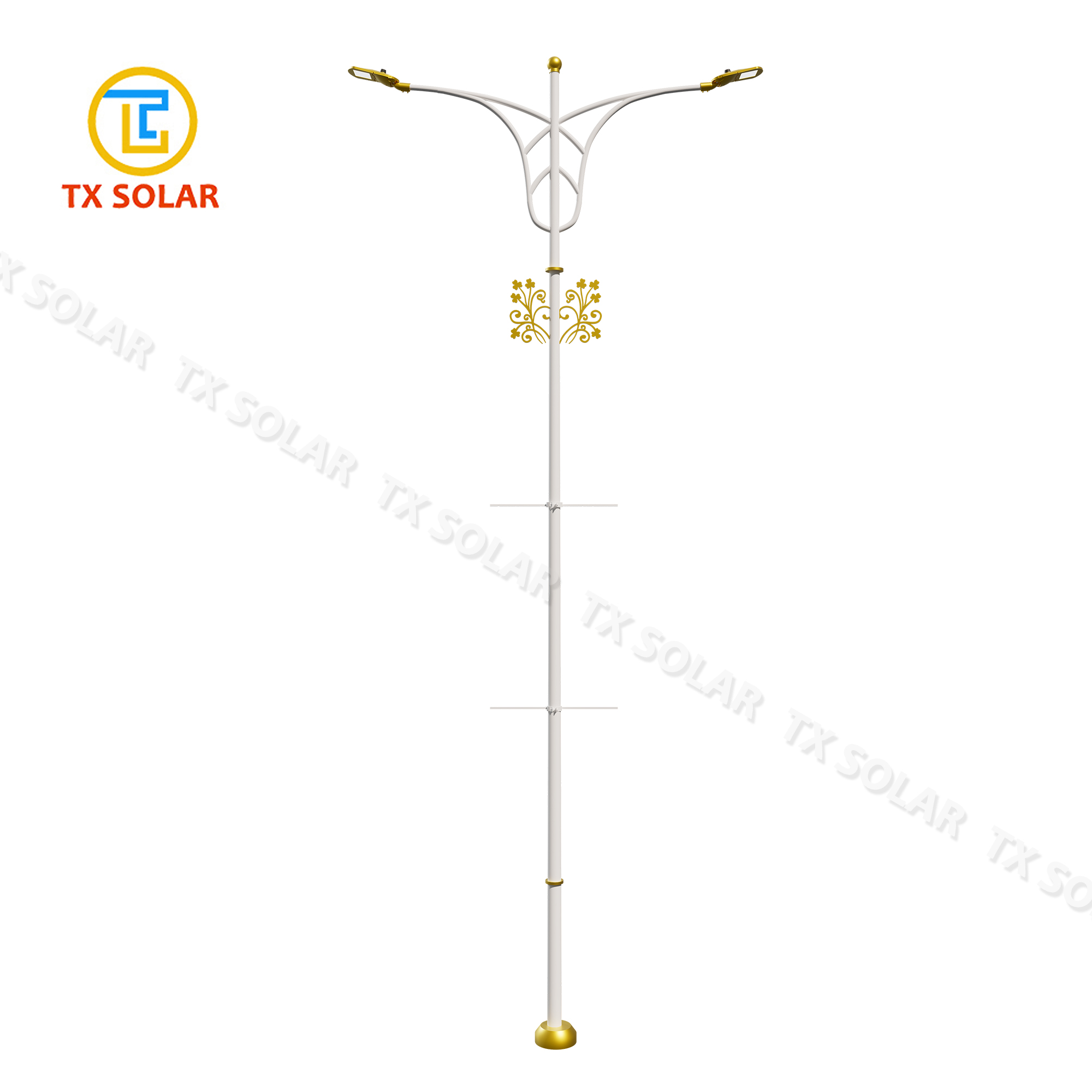
Decorative Double-Arm Solar Pole for Factory Administrative Zones
View Details
High-Efficiency UFO LED High Bay Light for Industrial Factory Workshops
View Details
7M 40W Smart Solar Street Light for Factory Main Roadways
View Details
6M 30W Eco-Solar Street Light for Industrial Park Logistics Zones
View Details
High-Lumen LED Pathway & Security Area Light for Industrial Parks
View Details-

E-mail
-

Whatsapp
-

Top


