
The Shift to Intelligent Solar Driveway Lamp Posts in Modern Industrial Parks
The global industrial sector is undergoing a massive transformation, driven by the dual imperatives of operational efficiency and decarbonization. As factories, manufacturing plants, and logistics parks expand to meet global supply chain demands, the infrastructure supporting these facilities must evolve. Among these critical assets, outdoor lighting—specifically along driveways, perimeter roads, loading docks, and parking zones—plays a pivotal role. Traditional grid-powered lighting systems are rapidly being replaced by autonomous, heavy-duty solar driveway lamp posts. This transition is not merely an environmental statement; it is a strategic business decision that directly impacts operational continuity, safety, and long-term cost reduction.
Modern industrial parks operate on tight schedules, often running 24/7. High-volume truck traffic, heavy machinery movement, and pedestrian shifts demand consistent, high-intensity illumination. Historically, installing outdoor lighting across vast industrial landscapes required extensive trenching, cabling, and grid connection permissions—processes that are not only capital-intensive but also disruptive to daily operations. Solar driveway lamp posts eliminate these hurdles entirely by operating as independent, self-sustaining power units. By leveraging high-efficiency photovoltaic panels, advanced lithium iron phosphate (LiFePO4) energy storage, and smart LED technology, these systems deliver reliable lighting without drawing a single watt from the national grid.
Deep Application Scenario Analysis in Industrial and Factory Environments
Industrial zones present unique challenges that standard residential or commercial solar lights cannot withstand. Below, we analyze the specific scenarios where industrial-grade solar driveway lamp posts are deployed to optimize safety and operations.
1. High-Traffic Logistics Driveways and Loading Bays
In logistics hubs, shipping terminals, and distribution centers, driveways are subjected to continuous heavy-vehicle transit. Large trucks require clear visibility to navigate tight turns, backing maneuvers, and parking lanes safely. Solar driveway lamp posts deployed in these zones must feature high-lumen outputs and optimized light distribution (typically Type II or Type III distribution patterns) to prevent glare while illuminating wide surfaces. Furthermore, integrating smart motion sensors allows the lights to dim during low-activity periods and instantly ramp up to 100% brightness when a vehicle approaches, conserving battery storage for extended rainy days.
2. Factory Perimeters and High-Security Fences
Perimeter security is a primary concern for high-value manufacturing plants. Dark spots along fences or remote access gates are vulnerable to intrusion. Solar driveway lamp posts installed along perimeters provide continuous, dusk-to-dawn illumination. Because they operate independently of grid power, they remain functional even if an intruder attempts to cut facility power lines. Many modern systems are integrated with CCTV cameras and IoT sensors, turning the lamp post into a smart security node that monitors the factory boundary autonomously.
3. Hazardous Material Zones and Chemical Plants
Chemical processing facilities, refineries, and hazardous waste storage areas require explosion-proof and highly reliable infrastructure. Running electrical conduits through these zones involves strict compliance and high installation costs to prevent spark hazards. Solar driveway lamp posts, requiring zero underground high-voltage cabling, significantly reduce the risk of electrical fires or short circuits. Their self-contained design makes them inherently safer and easier to certify under industrial safety codes.
Operate independently from the power grid, avoiding energy cost inflation and blackouts.
No trenching, cabling, or extensive civil engineering required. Install anywhere with sunlight.
Directly contributes to corporate ESG compliance and green building certifications (LEED).
Engineering Resilience: Technical Architecture of Industrial Solar Lamp Posts
To survive the harsh environments of industrial parks—ranging from corrosive chemical fumes to extreme wind loads and temperature fluctuations—solar driveway lamp posts must be engineered to military-grade standards. The components must be selected for durability, thermal stability, and maximum energy conversion efficiency.
High-Performance Photovoltaic (PV) Modules
Industrial solar lights utilize monocrystalline silicon solar panels, which offer conversion efficiencies exceeding 21-23%. In regions with frequent overcast skies, bifacial panels or adjustable-angle mounts are utilized to capture both direct sunlight and albedo light reflected from concrete driveways. These panels are treated with anti-soiling, self-cleaning coatings to prevent dust, soot, and industrial particulate matter from reducing solar absorption.
Advanced Lithium Energy Storage (LiFePO4)
Traditional lead-acid or gel batteries are obsolete in modern industrial applications due to their short lifespans and poor temperature tolerance. Lithium Iron Phosphate (LiFePO4) batteries are the industry standard, offering over 3000-5000 charge cycles at 80% depth of discharge. They operate efficiently in temperatures ranging from -20°C to 65°C, ensuring that factories located in desert areas or sub-zero climates maintain reliable lighting throughout the night.
Intelligent MPPT Controllers and IoT Integration
The Maximum Power Point Tracking (MPPT) controller acts as the brain of the solar lamp post. It constantly monitors the panel's output voltage and current to ensure the battery charges at maximum efficiency, even under partial shade. Advanced controllers feature integrated IoT modules (LoRa, Zigbee, or 4G/5G), allowing facility managers to monitor battery health, adjust brightness profiles remotely, and receive real-time maintenance alerts via a centralized dashboard.
- Structural Durability: Hot-dip galvanized steel poles with marine-grade powder coating to resist rust and corrosion in industrial zones.
- High-Lumen Output: Utilizing premium LED chips (such as Philips or Bridgelux 5050) delivering up to 180-200 lm/W for optimum visibility.
- Wind Load Engineering: Poles designed and certified to withstand wind speeds up to 160 km/h, crucial for open coastal industrial parks.
Economic ROI and ESG Impact for Industrial Enterprises
While the initial capital expenditure (CapEx) of high-quality solar driveway lamp posts can be higher than conventional AC lights, the total cost of ownership (TCO) is dramatically lower. The return on investment (ROI) is realized through three main vectors:
1. Elimination of Installation Costs: Conventional lighting installation requires trenching through paved driveways, laying conduits, building substations, and restoring asphalt. This process can cost thousands of dollars per pole. Solar lights require only a simple concrete foundation and anchor bolts, cutting installation costs by up to 70%.
2. Zero Operating Expenses (OpEx): Solar energy is free. By switching to solar driveway lighting, a large industrial park with 200 light poles can save tens of thousands of dollars annually in utility bills. Additionally, the maintenance cycle of modern LED and LiFePO4 systems is 5 to 8 years, significantly reducing labor costs.
3. Meeting Carbon Neutrality Mandates: Global corporations are under intense pressure to reduce their Scope 1 and Scope 2 carbon emissions. Utilizing solar-powered lighting directly offsets carbon output, helping factories align with international environmental standards and secure favorable green financing rates.
Professional Outdoor Lighting Manufacturer Since 1996
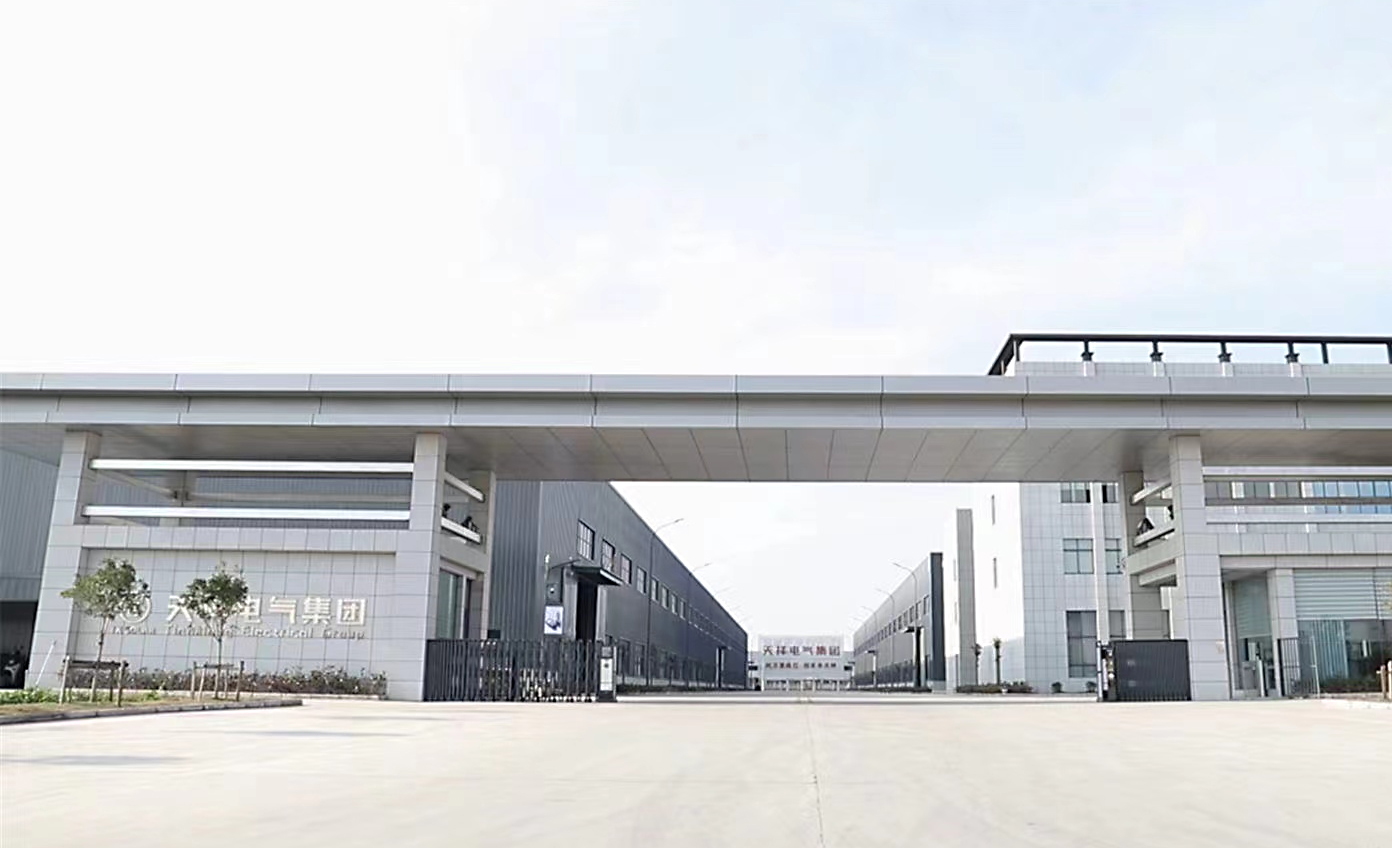
Yangzhou Tianxiang Road Lamp Equipment Co., Ltd. founded in 2008 and located in the smart Industrial Park of street lamp manufacturing base in Gaoyou City, Jiangsu Province, is a production-oriented enterprise focusing on street lamp manufacturing. At present, it has the most perfect and advanced digital production line in the industry.
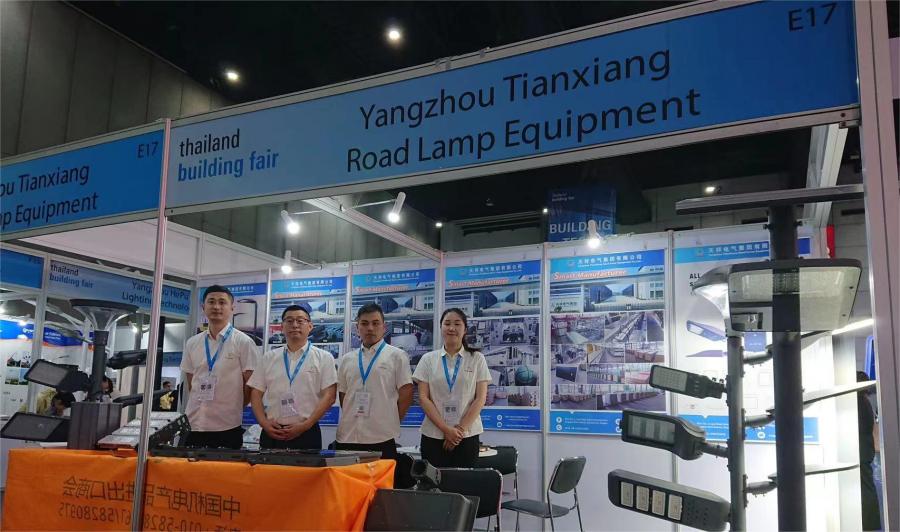
Up to now, the factory has been at the forefront of the industry in terms of production capacity, price, quality control, qualification and other competitiveness, with a cumulative number of lights on more than 1,700,000. In Africa, Southeast Asia, South America, and other regions, we occupy a large market share and have become the preferred product supplier for many key industrial projects and engineering companies worldwide.
What We Have
Established originally in 1996, the company joined the new industrial zone in 2008. We have grown to a robust workforce of over 200 dedicated professionals, including:
- R & D Specialists: 12 innovative minds developing next-generation solar systems.
- Engineering Team: 16 structural and electrical engineers ensuring product safety and performance.
- Quality Control (QC): 4 strict inspectors maintaining rigorous quality standards.
- International Trade Department: 16 professionals serving our global clients.
- Domestic Sales: 12 experts managing Chinese industrial lighting projects.
Our Enterprise Culture

Our Mission
Continuous improvement, technological innovation, and the pursuit of 100% customer satisfaction.

Our Vision
To be the world's leading brand in renewable energy and energy efficient lighting.

Our Value
Open, harmonious, pragmatic and innovative, driving sustainable progress globally.
What You Get
We have a powerful R&D and engineering team that offers exceptional products and comprehensive technical support. By manufacturing our own solar panels, solar batteries, and light poles in-house, we ensure high quality, custom specifications, and competitive pricing for large-scale industrial projects.
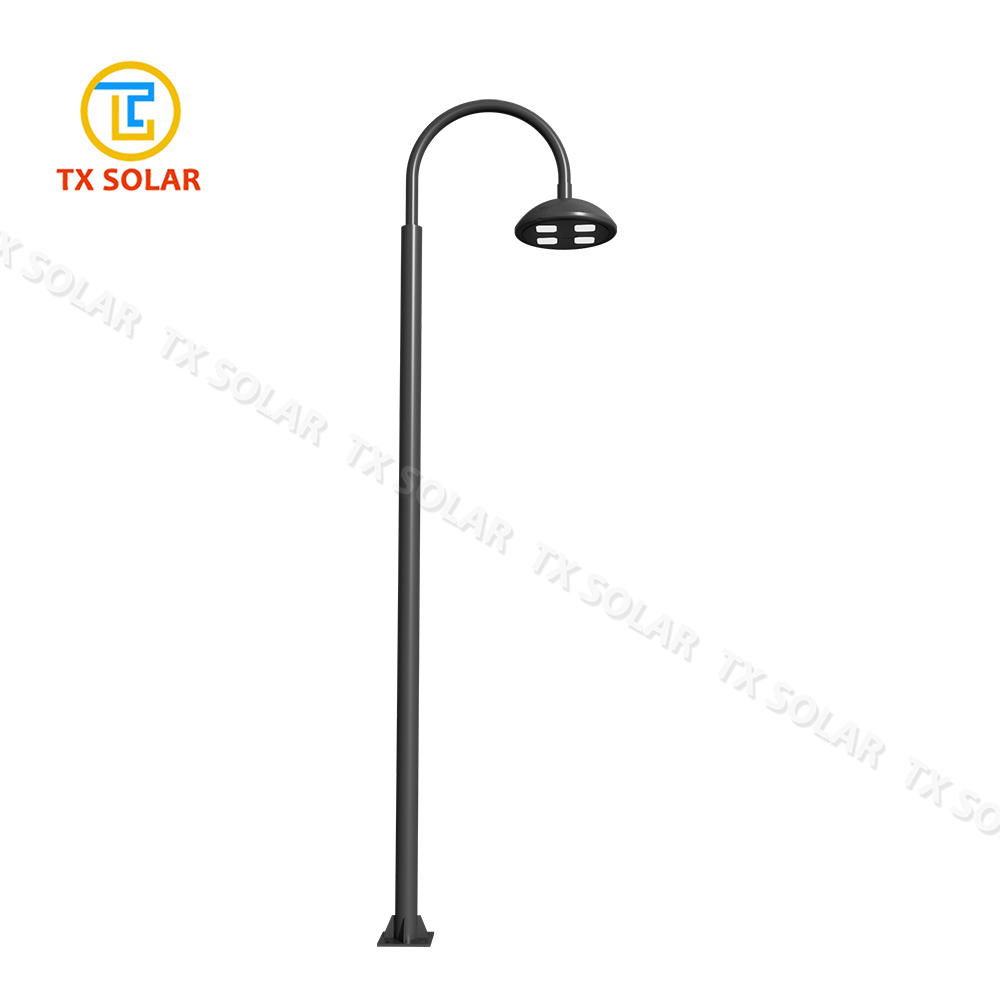
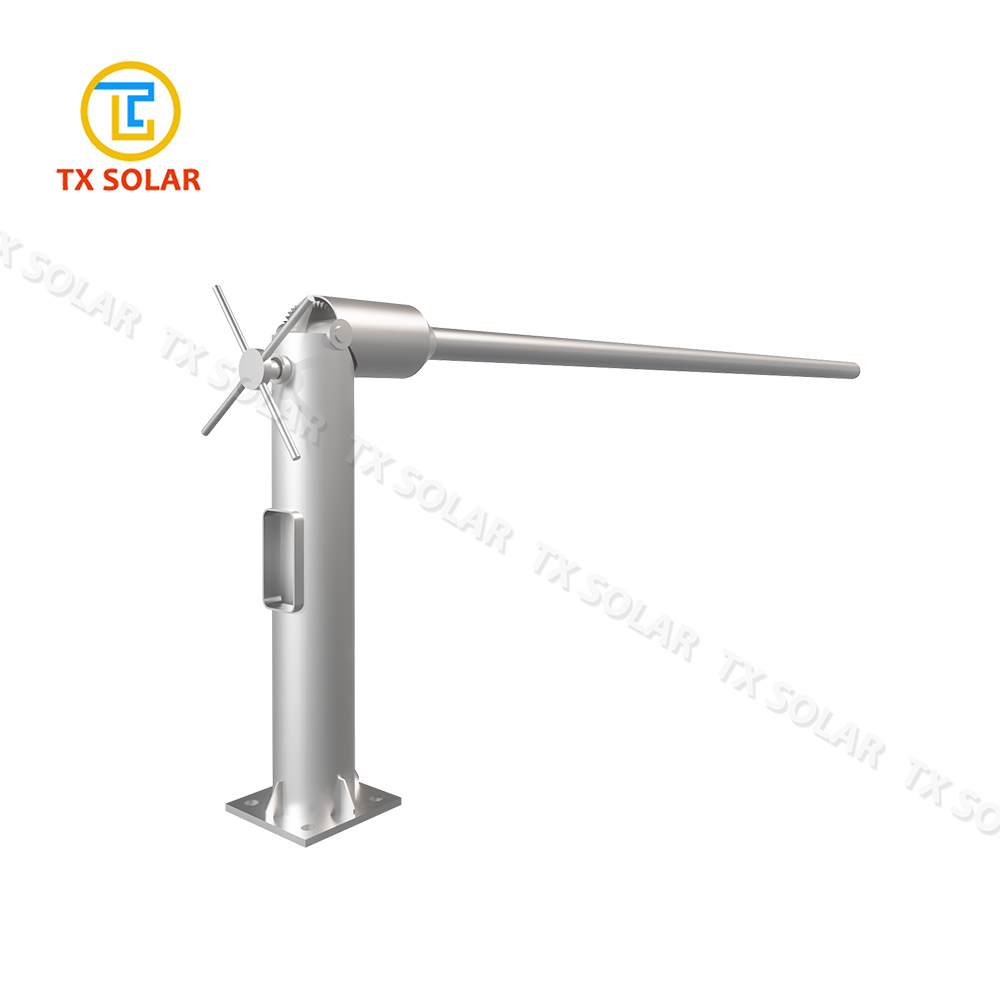
Explore Our Complete Industrial Lighting Lineup
-

E-mail
-

Whatsapp
-

Top


