
Commercial Parking Lot Solutions: Featured Systems
Engineered to deliver exceptional zero-carbon performance, wind resistance, and automated illumination for large parking plazas and transit terminals.
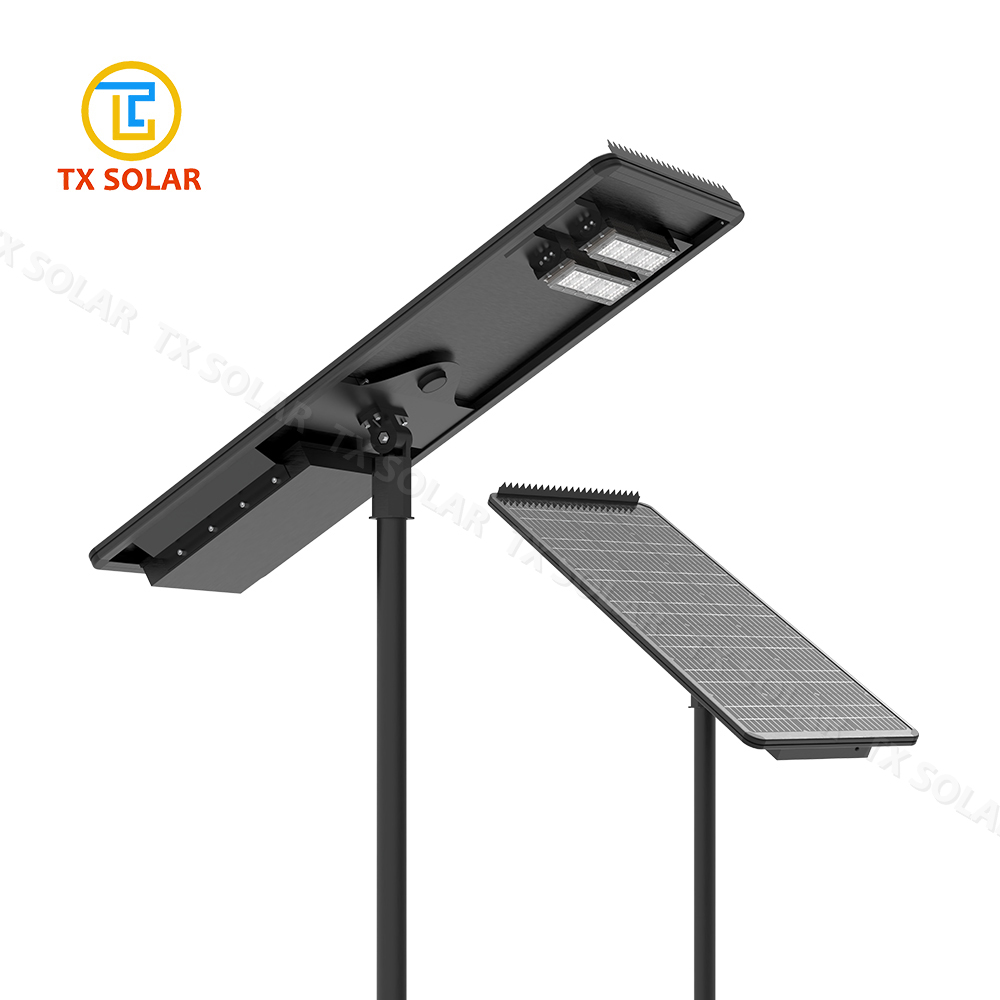
Commercial Parking Lot: 30W-150W All In One Solar Street Light With Bird Arresters
Heavy-Duty Parking Lot Series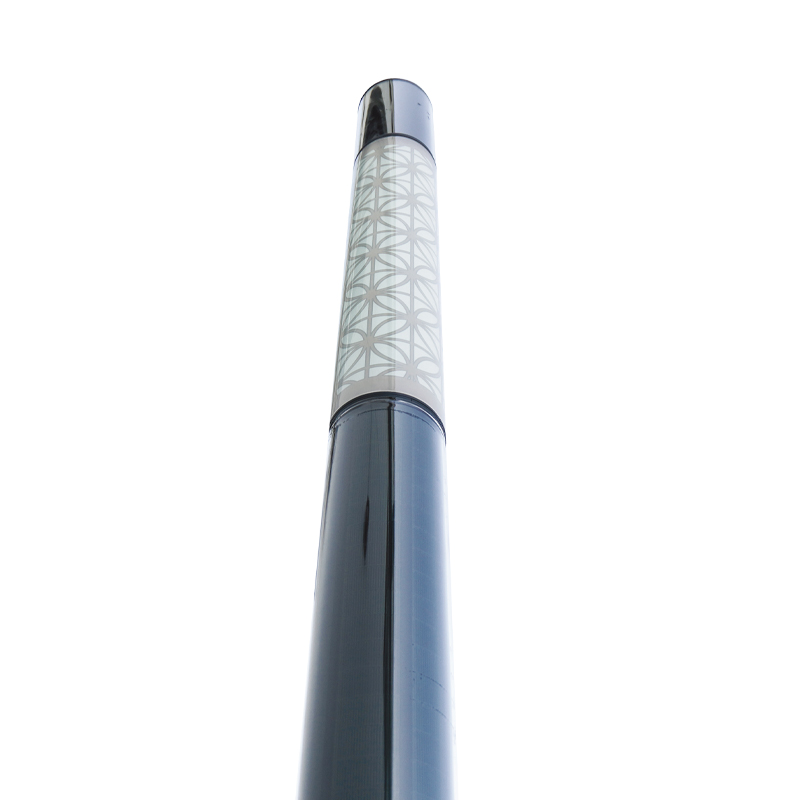
Commercial Parking Lot: Flexible Solar Panel LED Garden Light
Aesthetic Perimeter Illumination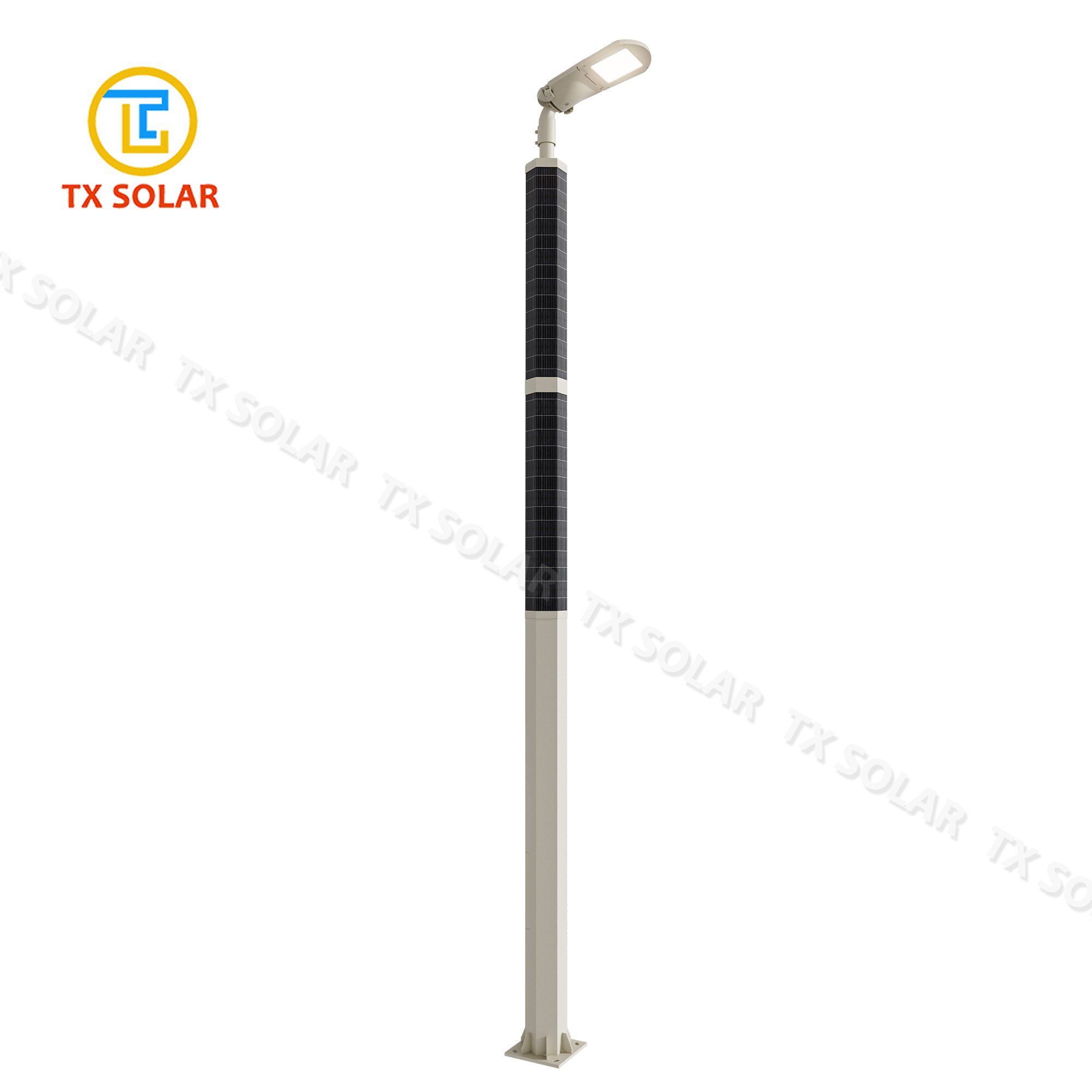
Commercial Parking Lot: High Power Hexagonal Solar Pole Light
Wide-Bay Parking Lot Coverage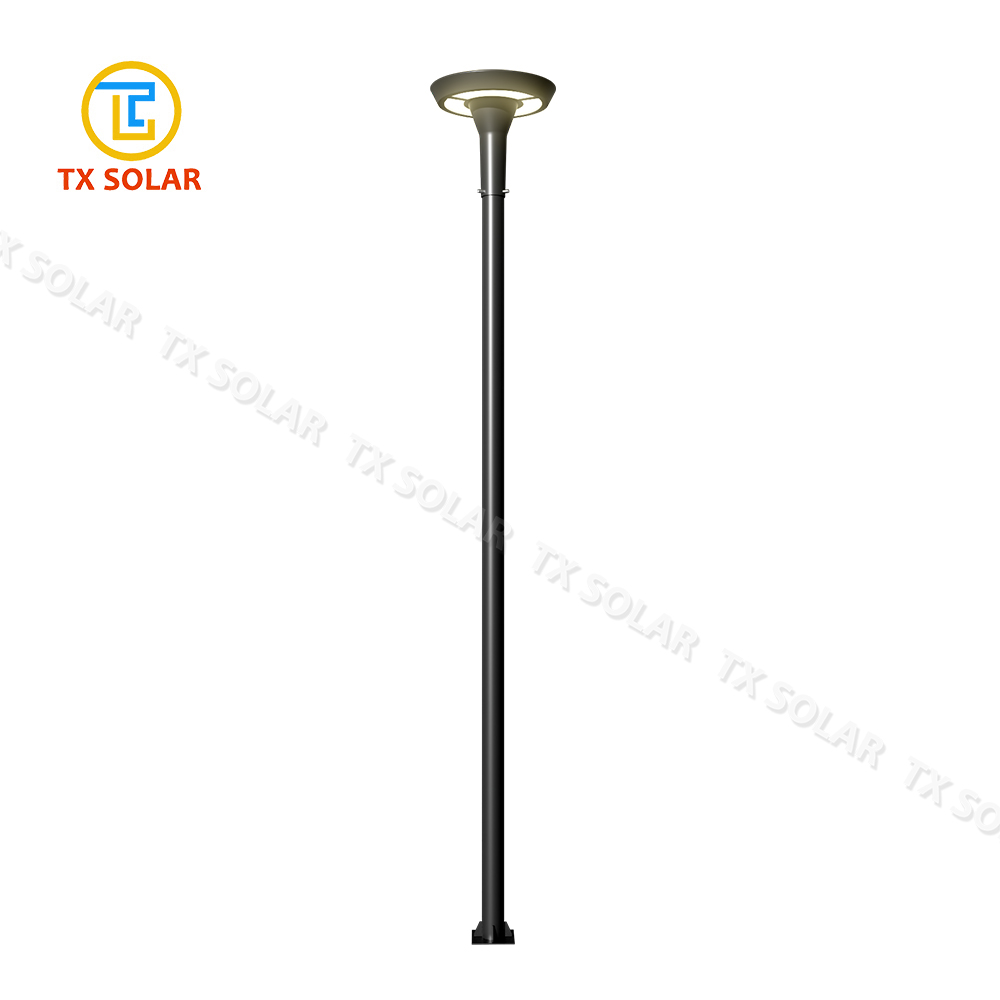
Commercial Parking Lot: Modern Outdoor Lighting Post Aluminum
Architectural Commercial PostIndustrial Landscape & Technological Advancements
Analyzing the paradigm shift in commercial parking illumination: From high trenching costs to vertical semi-flexible solar wrap architectures.
Zero Trenching Civil Works
Eliminates high cabling, repaving, and conduit costs, reducing installation disruption in operational commercial zones.
360-Degree Wind Aerodynamics
Curved wrap modules offer ultra-low windage resistance, structurally engineered to withstand typhoons and extreme weather.
Continuous Solar Capture
Seamless cylindrical semi-flexible panels harness ambient and direct sunlight across sunrise, noon, and sunset trajectories.
Smart IoT Cloud Management
Integrates microwave occupancy sensing, scheduled adaptive dimming, remote battery BMS, and optical fault diagnosis.
Current Commercial Reality: Parking Facilities Under Electrification Pressure
Commercial parking lots—serving retail complexes, logistics hubs, enterprise headquarters, and international airports—represent expansive footprints that require uncompromising safety, security, and illumination standards. Traditionally, illuminating such spaces required massive capital outlays for civil works, including asphalt tearing, underground conduit routing, electrical trenching, transformer sizing, and persistent operational utility expenses. Moreover, conventional grid-tied configurations leave parking hubs vulnerable to regional brownouts, blackouts, and escalating utility peak-hour tariffs.
While standard solar street lights attempted to address this challenge, traditional rectangular rigid flat-panel solar configurations create distinct architectural and engineering drawbacks in commercial parking environments. Flat panels carry heavy wind drag ratings, gather accumulated dust, snow, and bird droppings (which cause localized hot-spot cell degradations), and often present an industrial, obtrusive aesthetic that compromises contemporary building design.
The Architectural Leap: Semi-Flexible Cylindrical Solar Pole Engineering
Semi-flexible solar pole technology represents a fundamental architectural evolution. Utilizing lightweight, highly efficient monocrystalline or advanced CIGS thin-film cells, semi-flexible solar modules are encapsulated in UV-resistant, fluoropolymer-based polymers (such as ETFE). These modules are curved and mounted flush or integrated cylindrically around circular or polygonal structural poles.
This cylindrical wrap structure delivers decisive advantages for commercial parking lot environments:
- Multidirectional Sunlight Absorption: Traditional flat panels only capture peak generation when the sun directly aligns with their fixed tilt angle. Vertically wrapped semi-flexible systems capture direct, diffuse, and reflected ground albedo sunlight from 360 degrees, substantially boosting early-morning and late-afternoon power production.
- Self-Cleaning Aerodynamics: Because the semi-flexible panels are oriented vertically against the aerodynamic cylindrical profile, snow cannot accumulate, sand and dust slide off naturally during rainfall, and bird roosting surfaces are practically eliminated.
- Superior Structural Safety & Wind Drag Minimization: Commercial parking centers are large open spaces subject to intense wind shear. Flat solar panels function like sails, requiring oversized concrete footings and heavy-gauge poles. Cylindrical semi-flexible installations possess an extremely streamlined drag coefficient (Cd), minimizing overturning moments on foundations.
- Architectural Harmony: The clean, vertical, column-like appearance integrates seamlessly into corporate campuses, high-end shopping centers, and urban landscapes without visual clutter.
In-Depth Commercial Parking Scenario Analysis
Tailored engineering and photometric performance across demanding infrastructure typologies.
1. Mega Retail Centers & Suburban Shopping Malls
In high-traffic retail centers, lighting must guarantee customer safety and enhance nighttime security camera visibility while keeping maintenance footprints low. Semi-flexible solar pole lights eliminate subterranean wiring failures caused by asphalt settling or water ingress. Outfitted with intelligent dual-mode microwave radar sensors, these luminaires maintain safety-standard baseline illumination (e.g., 30%) during quiet periods and instantly ramp up to 100% full lumen output when vehicle or pedestrian movement is detected.
2. Corporate Campuses & High-Tech Industrial Parks
For modern technology parks committed to ESG (Environmental, Social, and Governance) scorecards and LEED certifications, visible zero-carbon infrastructure is a strategic asset. Semi-flexible solar pole lights provide a clean, futuristic look that aligns with high-tech corporate architecture. Their integration with smart IoT wireless controllers (Zigbee/LoRaWAN) allows facility managers to monitor battery state-of-charge (SOC), solar power harvest, and fixture temperature via centralized dashboard interfaces.
3. Hospital, Healthcare, and Transit Terminals
Healthcare facilities and regional transportation terminals operate around the clock, where zero power interruptions are critical. Equipped with deep-cycle Lithium Iron Phosphate (LiFePO4) energy storage and multi-channel MPPT controllers, semi-flexible solar poles deliver autonomous continuous lighting for up to 5 to 7 overcast or rainy days. Even during severe grid disruptions or natural disasters, emergency routes and transit parking lots remain fully lit.
4. Airport Long-Term Parking & Rental Car Fleet Plazas
Airport long-term parking areas span immense acreage where trenching power lines across kilometers of active tarmac and transit routes is cost-prohibitive. Semi-flexible solar poles function as stand-alone power islands. Their vertical profiles also eliminate glint and glare hazards that rigid tilted solar panels might otherwise cause for air traffic control towers and approaching aircraft.
Future Trends: The Smart Pole Ecosystem in Commercial Parking
How edge computing, EV convergence, and advanced microgrids are turning solar poles into multi-functional digital hubs.
Smart City & 5G Micro-Base Integration
Commercial parking lots are rapidly evolving into connected service nodes. The semi-flexible solar pole serves as an ideal vertical asset for mounting smart devices without clutter. Future deployments integrate 5G micro-base stations, AI-assisted security surveillance with vehicle license plate recognition (LPR), environmental weather sensors, and emergency SOS call points—all backed by clean on-site solar generation and battery reserves.
Energy Storage Advancements & Thermal Resilience
Extreme temperatures in exposed parking lots demand superior battery chemistry. Advanced commercial solar poles increasingly adopt thermally isolated internal battery chambers integrated within the pole cavity or base structure. Utilizing Class-A LiFePO4 cells paired with active battery management systems (BMS), these installations operate reliably from -20°C up to +65°C, providing over 4,000 charge cycles at 80% depth of discharge (DoD) for a decade-long operating lifespan.
Adaptive Optical Distribution (Type II & Type III Lenses)
Parking lot illumination demands precise optical design to eliminate dark zones between parking stalls while avoiding light pollution. Modern semi-flexible solar lighting utilizes precision multi-lens optical configurations (IESNA Type II and Type III distributions). This ensures broad, uniform rectangular light footprints tailored specifically for driving lanes and parking bays, maximizing pole-to-pole spacing and lowering overall capital investment.
About Tianxiang Electric Group
Professional Outdoor Lighting Manufacturer Since 1996
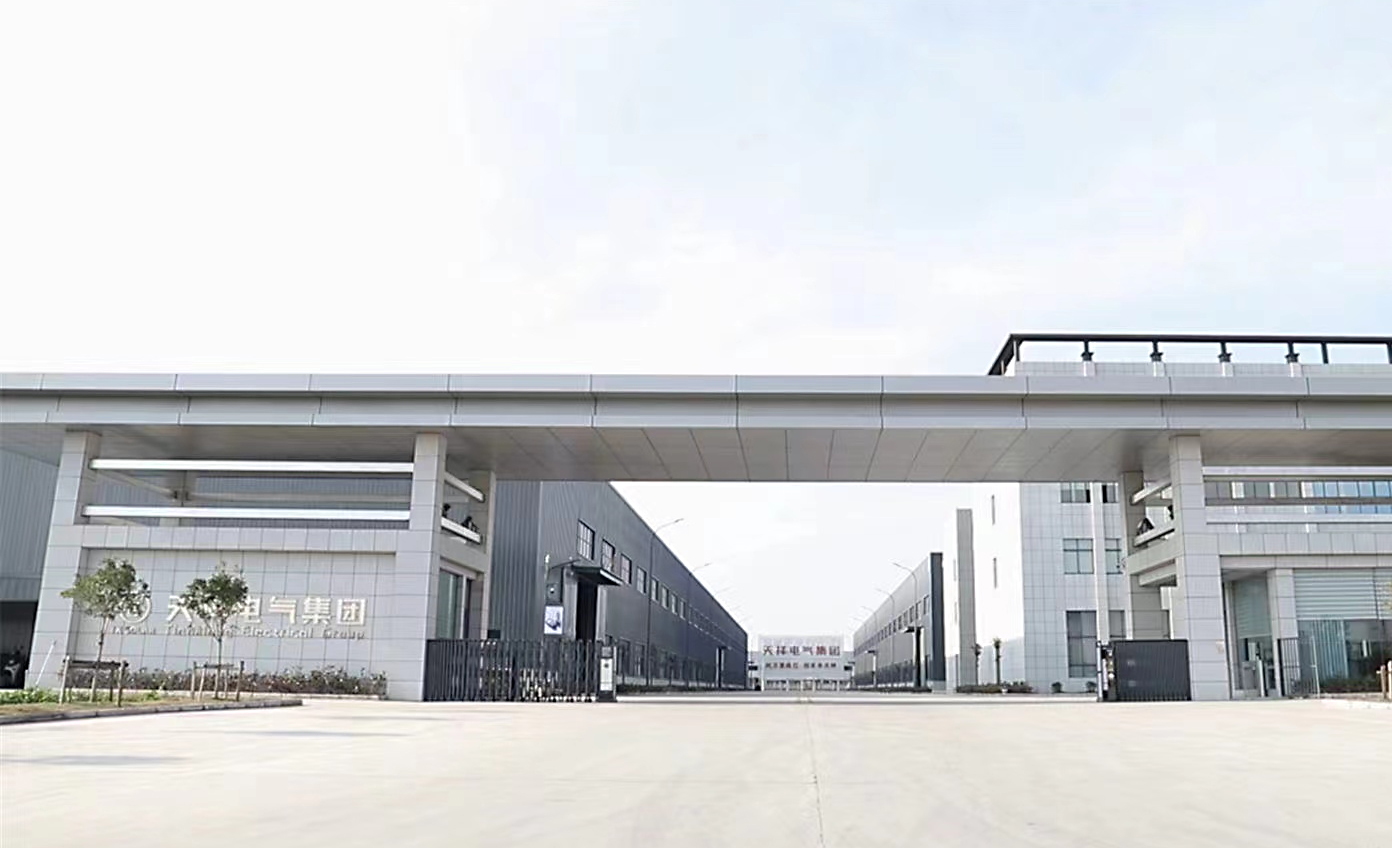
Who We Are
Yangzhou Tianxiang Road Lamp Equipment Co., Ltd. founded in 2008 and located in the smart Industrial Park of street lamp manufacturing base in Gaoyou City, Jiangsu Province, is a production-oriented enterprise focusing on street lamp manufacturing. At present, it has the most perfect and advanced digital production line in the industry. Up to now, the factory has been at the forefront of the industry in terms of production capacity, price, quality control, qualification and other competitiveness, with a cumulative number of lights on more than 1,700,000, in Africa and Southeast Asia, many countries in South America and other regions occupy a large market share and become the preferred product supplier for many projects and engineering companies at home and abroad.
What We Have
The company was established in 1996, join this new industrial zone in 2008. Now we have more than 200 people, R & D Personal 12 people, engineer 16 people, QC 4 people, International trade department: 16 people, sales department (China): 12 people. We provide comprehensive design, solar module lamination, automated powder coating, and precision testing laboratories.
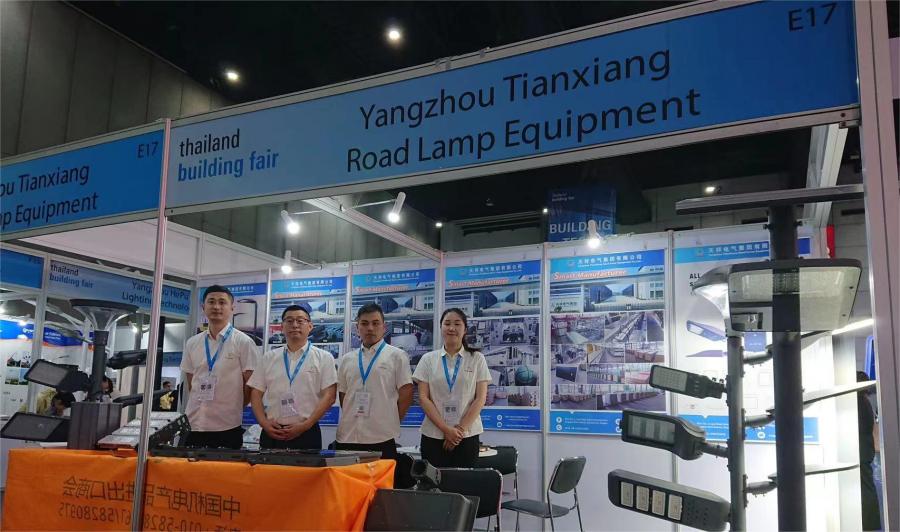
Enterprise Culture & Values
Continuous improvement, technological innovation, and sustainable engineering excellence.


Our Mission
Continuous improvement, technological innovation, and the pursuit of 100% customer satisfaction.


Our Vision
To be the world's leading brand in renewable energy and energy efficient lighting.


Our Value
Open, harmonious, pragmatic and innovative.
What You Get
We have a powerful R&D and engineer team that offers exceptional products and technical support, with dedicated in-house solar panel, solar battery, and luminaire workshops.
Complete Infrastructure Product Portfolio
Explore our complete range of certified poles, high-power fixtures, and smart lighting components engineered for commercial parking lots and outdoor roadway projects.
Commercial Parking Lot: 30W-150W All In One Solar Street Light With Bird Arresters
Integrated Clean Tech
Commercial Parking Lot: Flexible Solar Panel LED Garden Light
Semi-Flexible Wrap Post
Commercial Parking Lot: High Power Hexagonal Solar Pole Light
Polygonal Solar Series
Commercial Parking Lot: LED Modern Outdoor Lighting Post Aluminum
Anodized Aluminum Post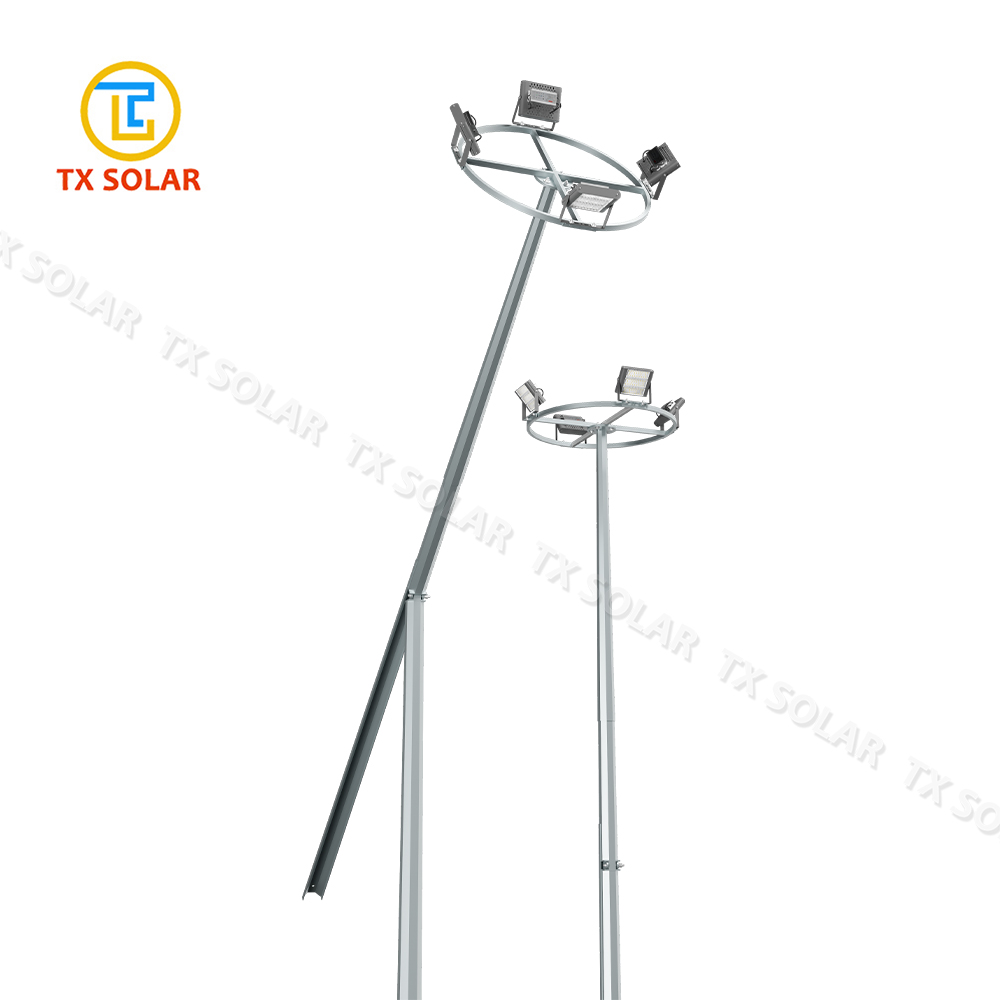
Commercial Parking Lot: 4m-20m Galvanized Mid Hinged Pole
Easy Maintenance Structure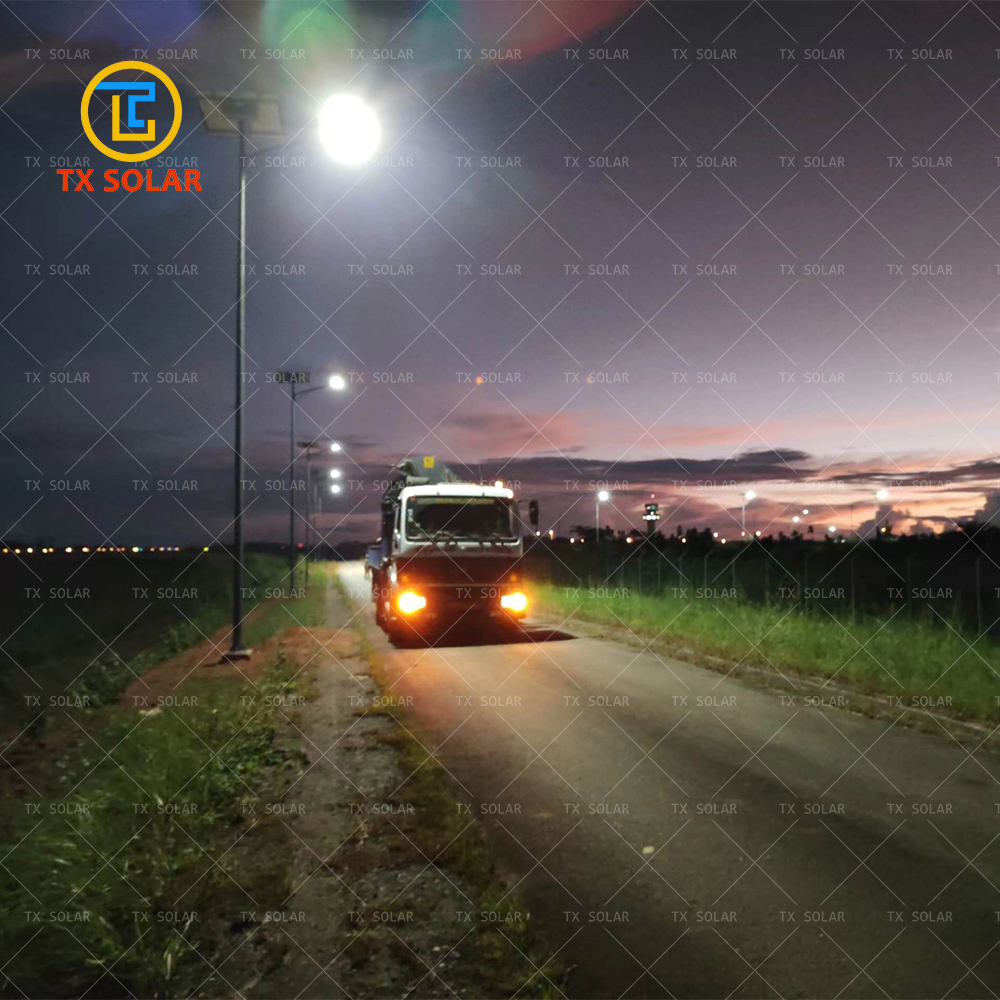
Commercial Parking Lot: 8m 60W Solar Street Light With Lithium Battery
High Autonomy Storage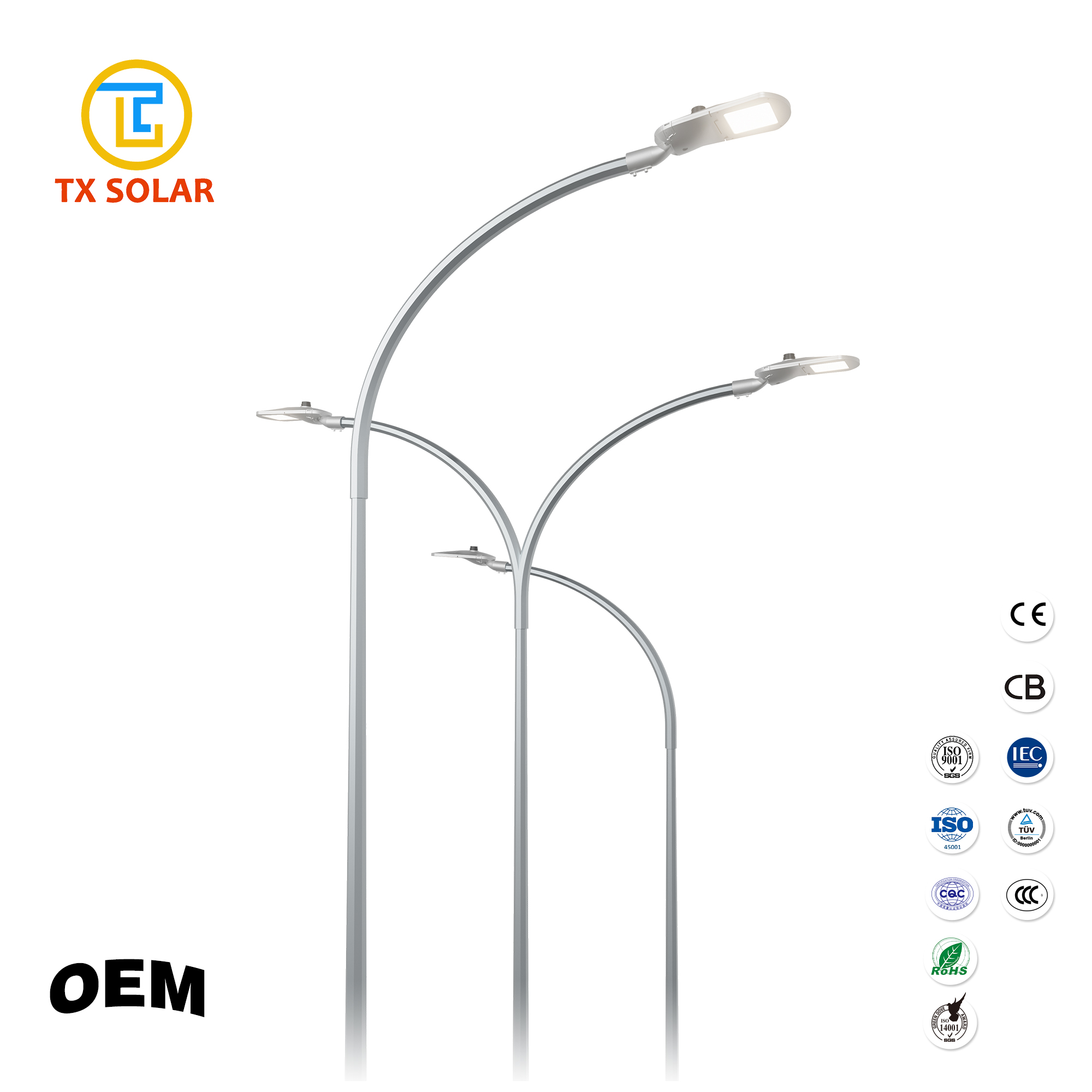
Commercial Parking Lot: Stainless Steel Curved Street Light Pole
Curved Aesthetic Steel
Commercial Parking Lot: CE Certified Steel Round Galvanized Pole
Certified Galvanized Steel-

E-mail
-

Whatsapp
-

Top


