
Primary Rural & Remote Municipal Lighting Solutions
Engineered for high resilience, minimal maintenance, and superior autonomous operation across off-grid and remote municipal landscapes.
Modern Rural Electrification & Off-Grid Municipal Lighting Infrastructure
Bridging the urban-rural divide through robust photonic engineering, advanced energy storage, and intelligent automated illumination.
Across developing and developed regions globally, expanding reliable public lighting into rural and remote territories represents both a critical municipal priority and a formidable engineering challenge. Traditional grid-tied public lighting requires extensive trenching, copper cabling, transformer substations, and sustained grid stability—factors that translate into astronomical capital expenditures when servicing dispersed settlements, mountainous passes, desert outposts, and agricultural thoroughfares. Consequently, modern municipal street lights for rural and remote areas have evolved from standard electrical luminaires into integrated, self-sustaining optoelectronic systems.
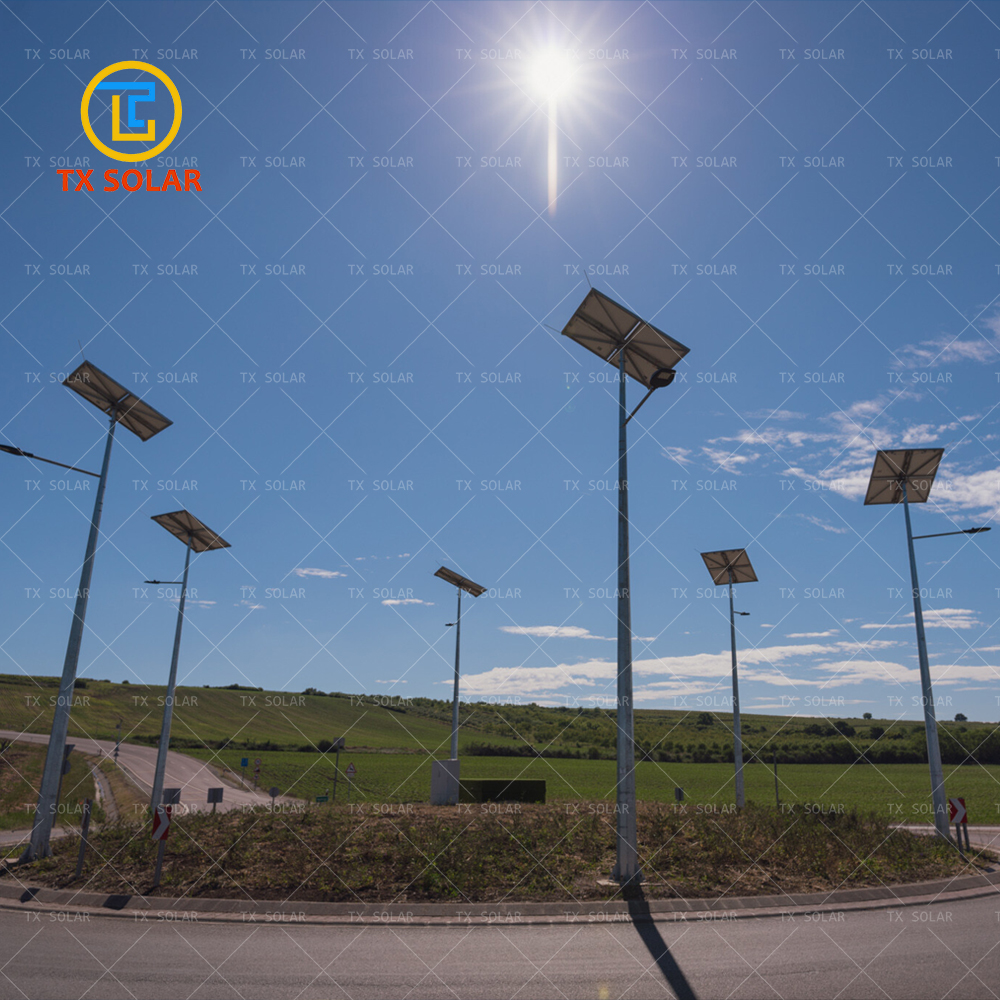
The contemporary industrial landscape is characterized by a rapid transition toward high-efficiency LED photonics coupled with monocrystalline photovoltaic (PV) generation and long-cycle Lithium Iron Phosphate (LiFePO4) storage systems. By eliminating the necessity for utility grid interconnects, local government bodies, rural development agencies, and civil contractors can achieve zero-emission nocturnal safety with significantly compressed deployment cycles. Furthermore, with the maturation of IoT-enabled micro-controllers and adaptive dimming algorithms, municipal luminaires now deliver sustained operational autonomy even under prolonged monsoon conditions or extended high-latitude winter darkness.
Technological Pillars of Next-Generation Remote Lighting Systems
Engineered to conquer extreme climates, zero maintenance windows, and decentralized management architectures.
High-Yield Photovoltaic Integration
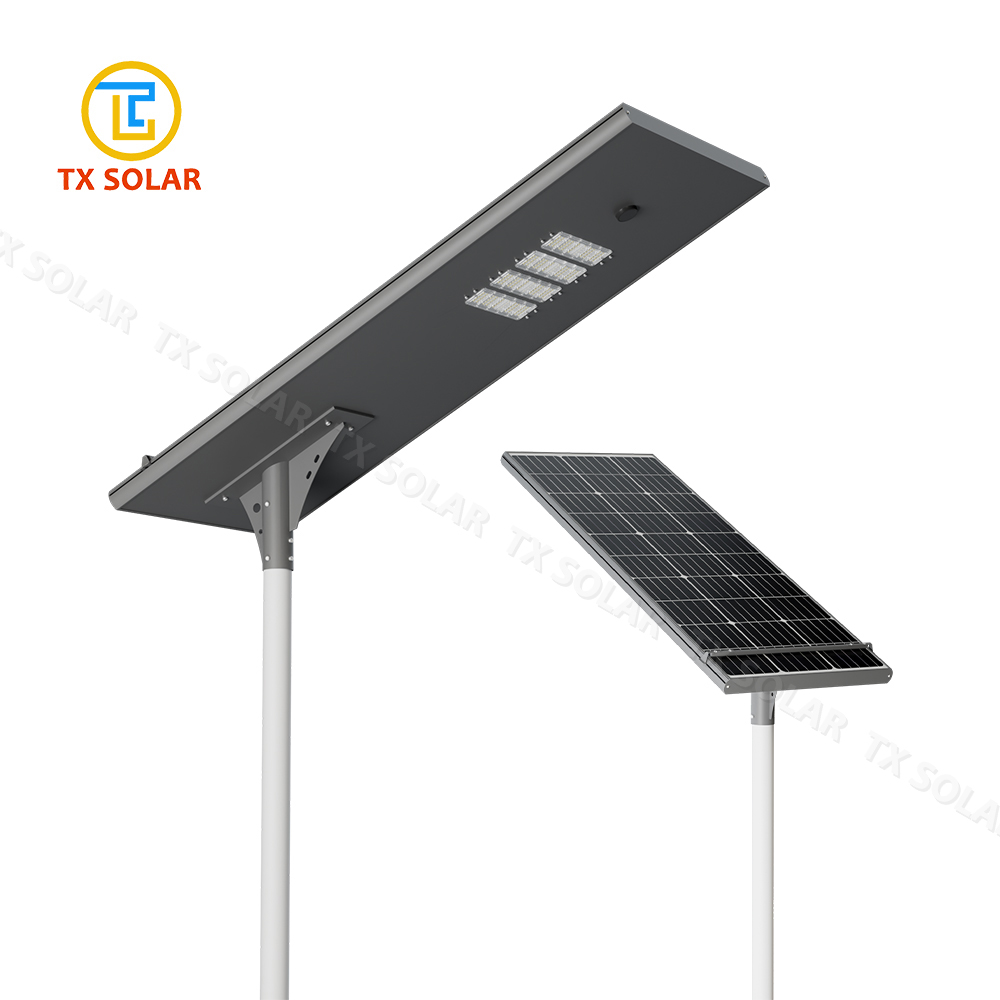
Utilizing high-efficiency A-grade monocrystalline silicon solar cells with conversion efficiencies exceeding 22.5%. Advanced MPPT (Maximum Power Point Tracking) charge controllers dynamically maximize energy harvest even during heavy overcast or partial shading conditions commonly encountered in mountainous and forested valleys.
LiFePO4 Deep-Cycle Storage
Integrated high-capacity Lithium Iron Phosphate battery modules deliver over 2,500 to 4,000 thermal-stable cycles at 80% DoD. Integrated Intelligent Battery Management Systems (BMS) provide multi-layer protection against over-voltage, deep discharge, high-temperature thermal runaways, and sub-zero temperature charging degradation.
AI-Powered Adaptive Dimming & IoT
Equipped with intelligent microwave motion sensors and multi-stage programmable dimming profiles. Luminaires automatically optimize lumen output based on real-time pedestrian and vehicular activity patterns, preserving battery reserves to ensure 3 to 7 consecutive days of continuous autonomous operation during severe inclement weather.
Hot-Dip Galvanized Structural Integrity
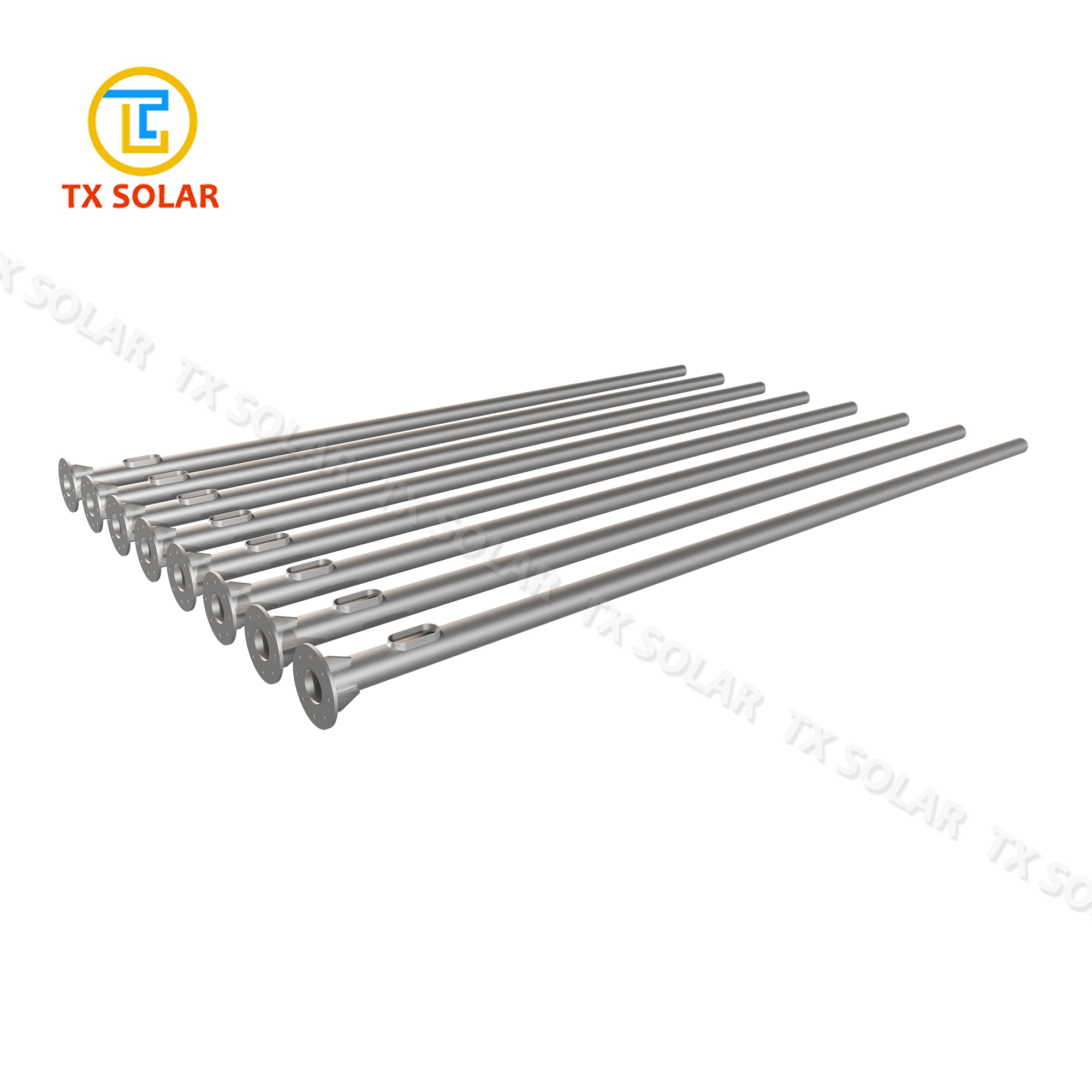
Fabricated using high-strength Q235/Q345 structural steel with hot-dip galvanization conforming to international anti-corrosion standards. Resistant to salt-spray corrosion, chemical fertilizers in rural agricultural zones, desert sand abrasions, and extreme typhoon-force wind loads up to 160 km/h.
Autonomous Self-Cleaning Optics
Features robotic auto-brushing mechanisms and anti-static hydrophobic surface coatings specifically designed for arid, dusty, and agricultural environments. Eliminates sand, dust, pollen, and bird droppings accumulation, maintaining peak PV conversion efficiency without manual labor.
Multifunctional Smart Infrastructure
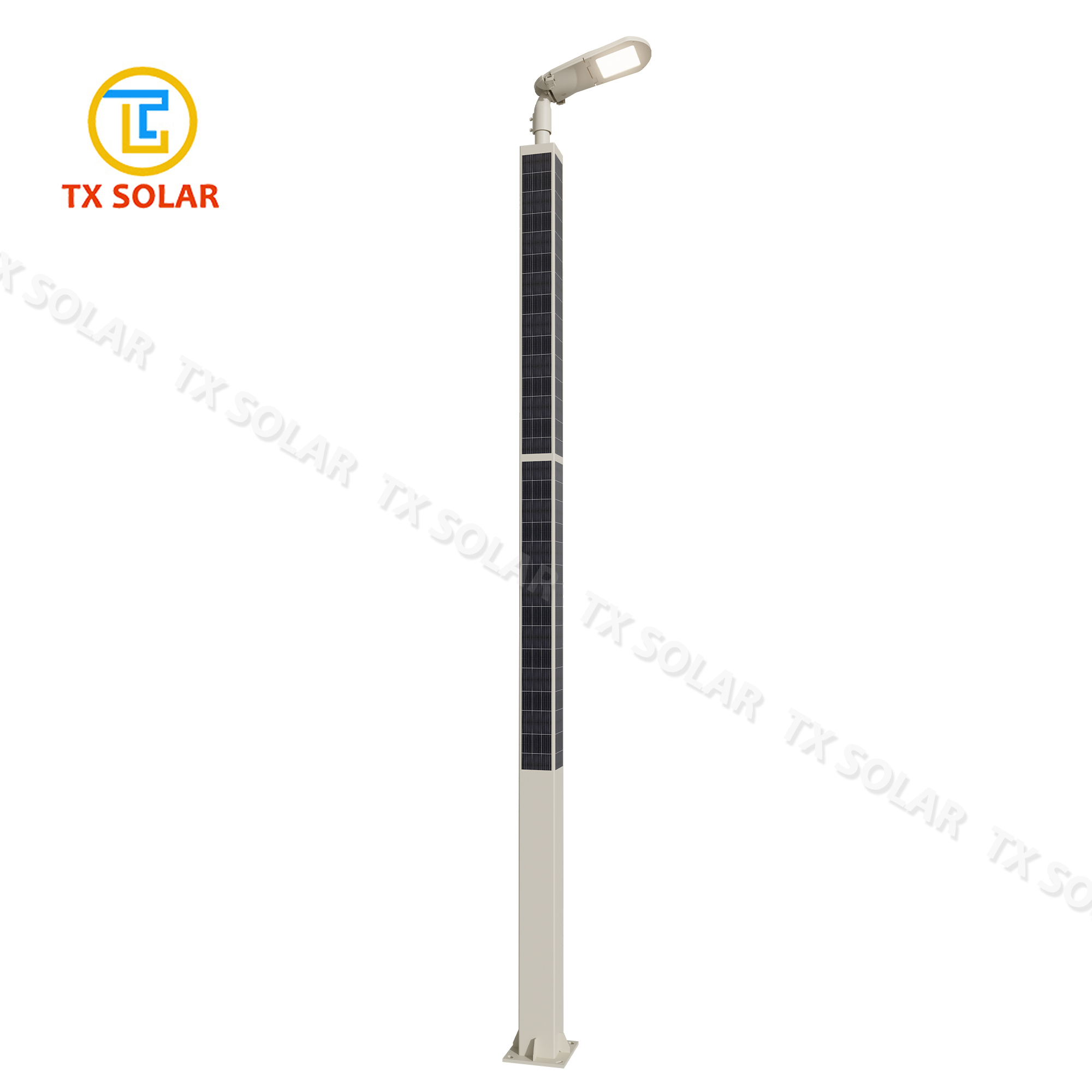
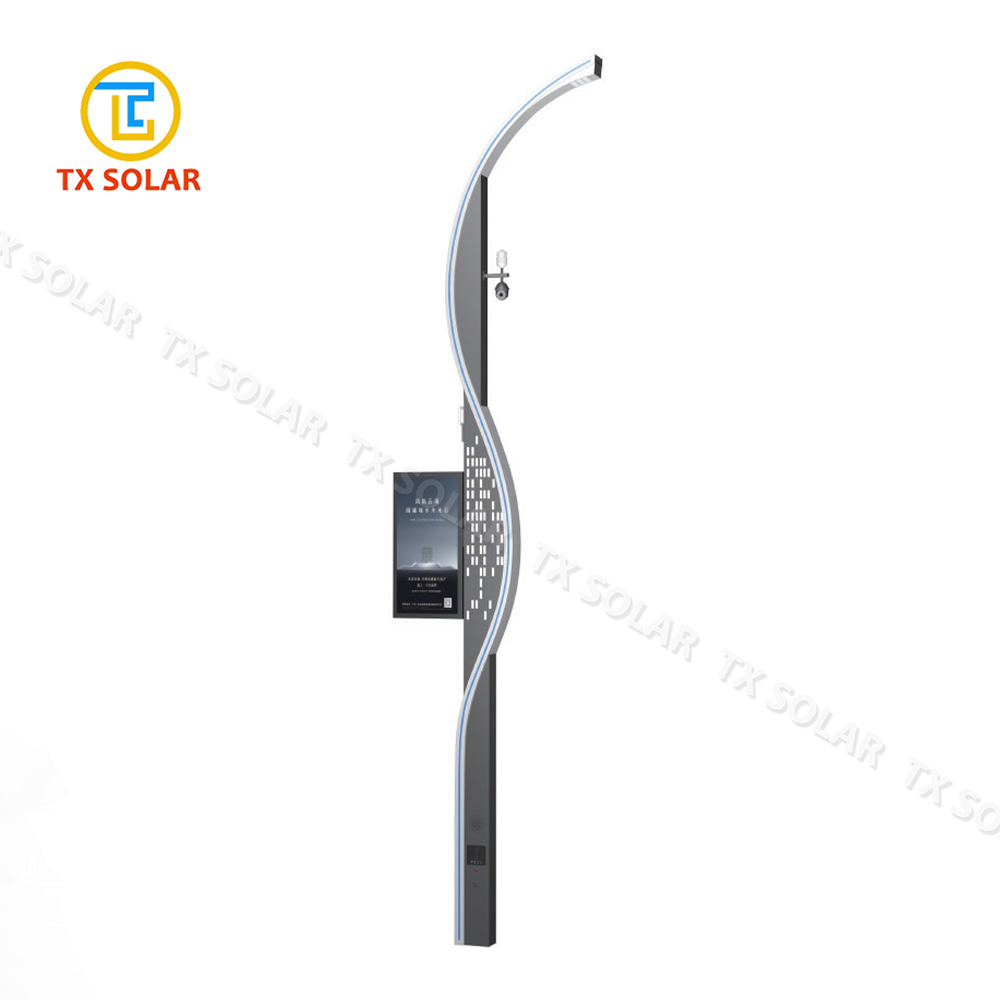
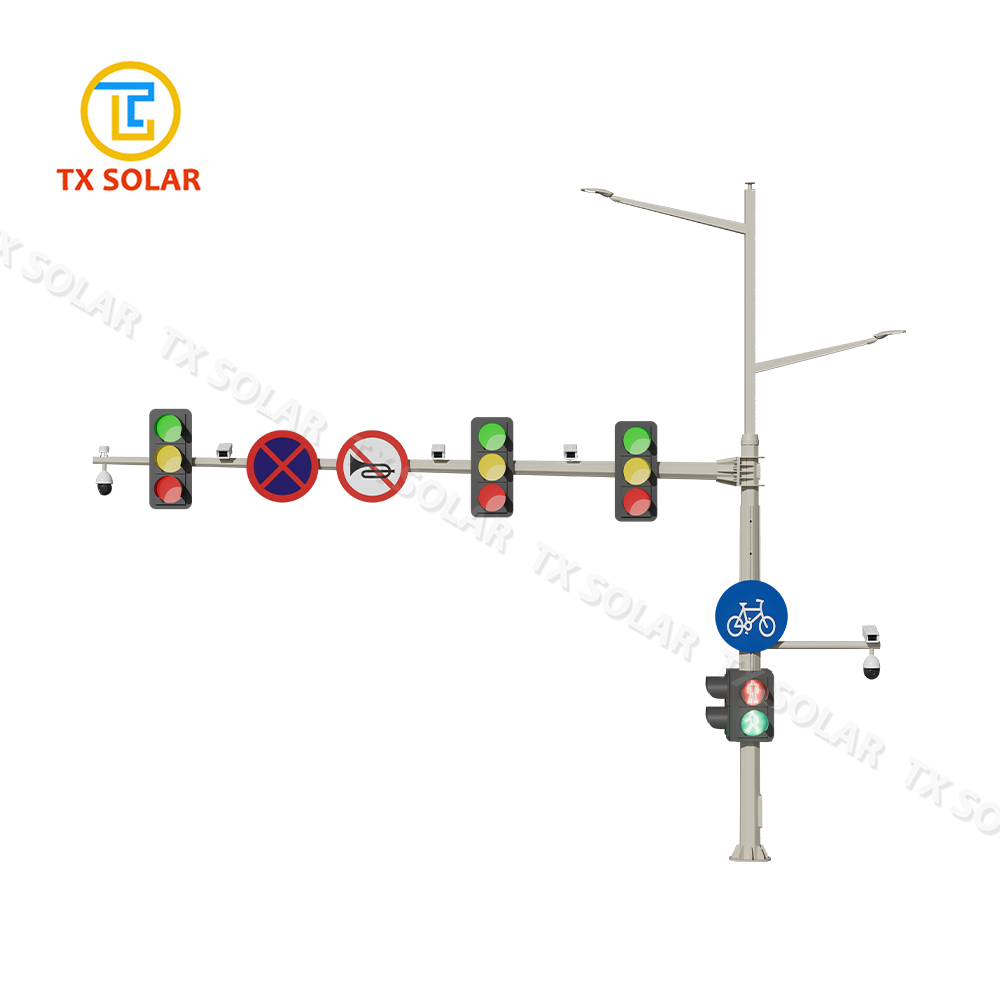
Modular smart pole platforms capable of integrating environmental sensors (air quality, temperature, precipitation), public Wi-Fi hotspots, emergency SOS call buttons, and municipal CCTV cameras, serving as the digital backbone for remote smart village initiatives.
In-Depth Scenario Analysis & Engineering Deployment Profiles
Customized optical distributions and mechanical configurations optimized for specialized remote environments.
Rural Arterial Roads & Inter-Town Highways
Designed with bat-wing optical lenses (Type II and Type III distributions) that deliver broad, uniform illuminance across unlit two-lane roadways. Reduces glare for drivers while eliminating nocturnal blind spots, substantially lowering nighttime traffic accidents along unlit national and provincial rural corridors.
Remote Village Hubs & Community Gathering Plazas
Provides dependable, glare-free perimeter lighting for rural market squares, public healthcare clinics, schools, and civic centers. Enhanced illumination fosters nighttime economic micro-activities, enhances community cohesion, and strengthens civic safety across isolated off-grid settlements.
Agricultural Facilities & Agro-Industrial Estates
Delivers continuous, rugged lighting for grain storage complexes, livestock facilities, irrigation control stations, and remote processing mills. Heavy-duty IP66 fixtures resist agricultural chemical vapors, moisture, dust, and continuous mechanical vibration from heavy farming machinery.
Mining Encampments & Remote Extraction Sites
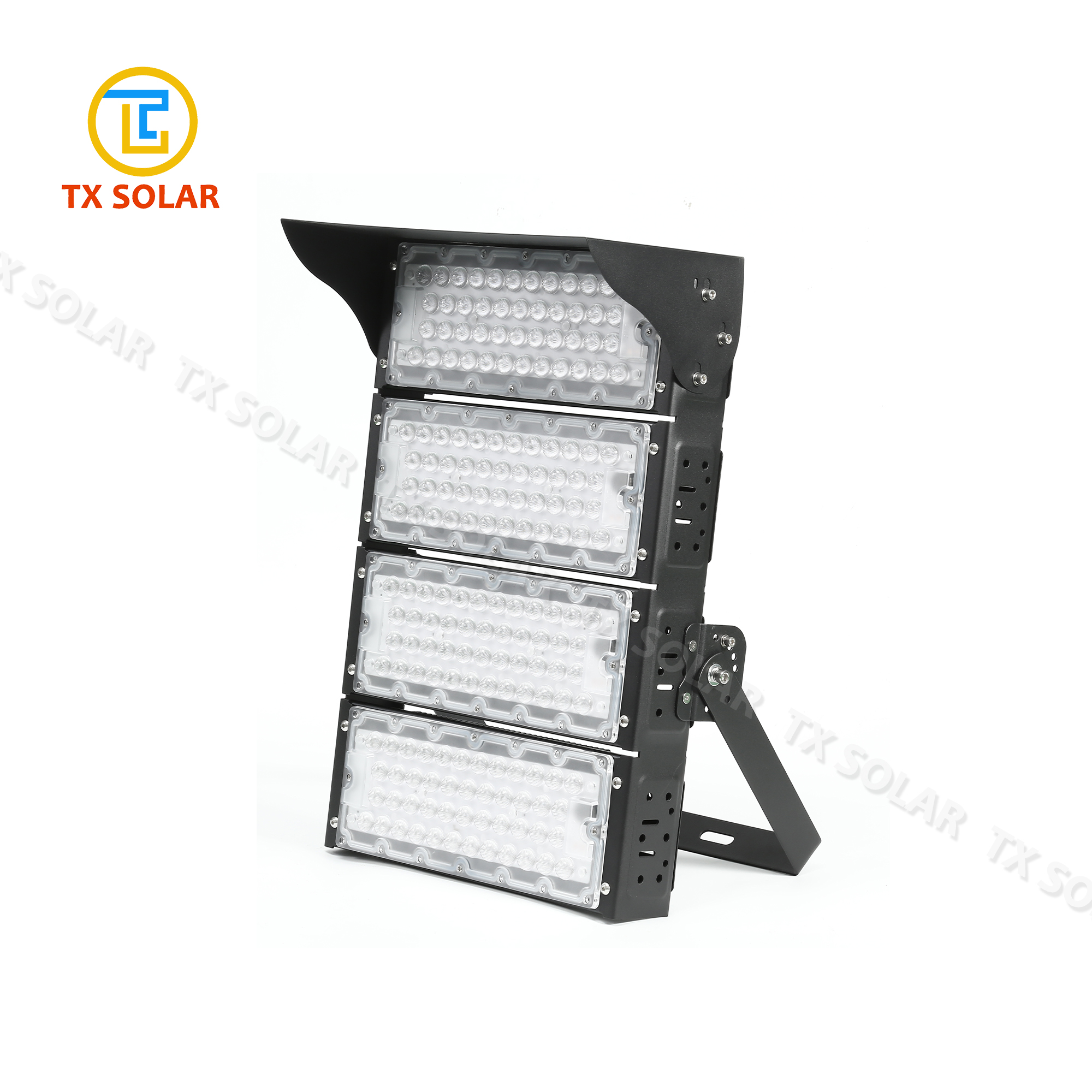
Engineered with heavy-duty structural steel poles and high-lumen floodlighting arrays to illuminate remote quarries, mining access roads, processing facilities, and exploration camps where connection to a primary electrical grid is economically unviable.
Border Control, Checkpoints & National Parks
Offers autonomous, stand-alone solar and smart pole luminaires integrated with surveillance equipment and low-light optical sensors, ensuring continuous 24/7 situational awareness across vast, uninhabited conservation lands and national boundary corridors.
Coastal Fishery Ports & Island Communities
Features marine-grade powder coating, stainless steel hardware, and sealed optical chambers that endure extreme salinity, high humidity, tropical monsoons, and corrosive coastal marine atmospheric conditions without structural or electrical degradation.
About Us
PROFESSIONAL OUTDOOR LIGHTING MANUFACTURER SINCE 1996
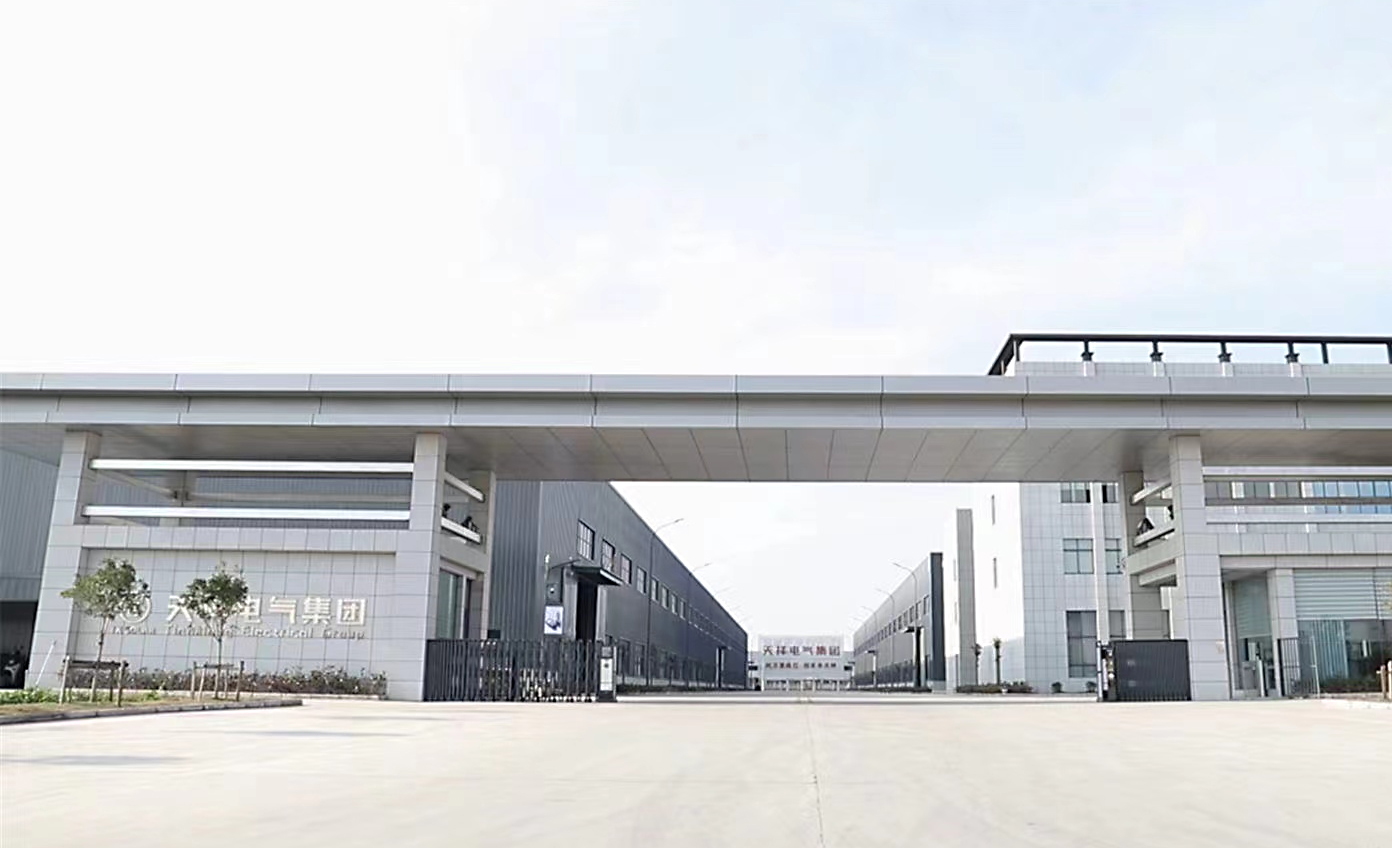
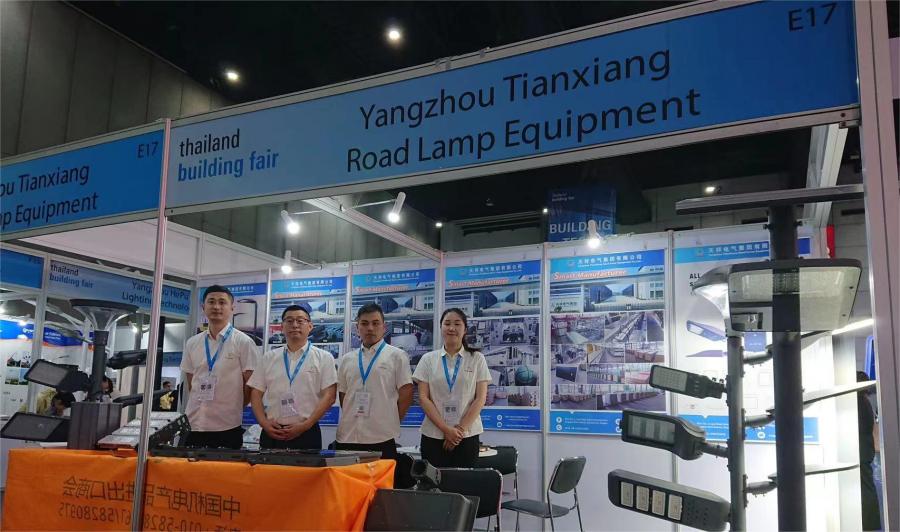
Yangzhou Tianxiang Road Lamp Equipment Co., Ltd. founded in 2008 and located in the smart Industrial Park of street lamp manufacturing base in Gaoyou City, Jiangsu Province, is a production-oriented enterprise focusing on street lamp manufacturing. At present, it has the most perfect and advanced digital production line in the industry. Up to now, the factory has been at the forefront of the industry in terms of production capacity, price, quality control, qualification and other competitiveness, with a cumulative number of lights on more than 1,700,000, in Africa and Southeast Asia, many countries in South America and other regions occupy a large market share and become the preferred product supplier for many projects and engineering companies at home and abroad.
The company was established in 1996, joining this new industrial zone in 2008. Now we have more than 200 people, R&D personnel 12 people, engineers 16 people, QC 4 people, International trade department: 16 people, sales department (China): 12 people.
What You Get
Full-Chain Manufacturing & Engineering Support
We have a powerful R&D and engineer team that offers exceptional products and technical supports, and we have our own solar panel, solar battery, and lighting workshops. By maintaining strict end-to-end quality control across sheet metal processing, automated welding, hot-dip galvanizing, optical lens molding, SMT assembly, and lithium battery pack integration, Tianxiang provides global clients with unparalleled product durability and direct factory economics.
Whether navigating complex rural electrification bids, international municipal tenders, or customized smart pole infrastructure developments, our engineering department provides comprehensive photometric DIALux simulations, wind load calculations, solar autonomy modeling, and customized structural adaptations to guarantee flawless project execution.
Enterprise Culture
Driving technological innovation and sustainable illumination across global communities.


Our Mission


Our Vision


Our Value
Complete Rural & Remote Municipal Lighting Catalog
Explore our complete range of heavy-duty luminaires, solar street lighting assemblies, and engineered steel poles.
-

E-mail
-

Whatsapp
-

Top


