
Industrial Park & Factory Lighting Configurations
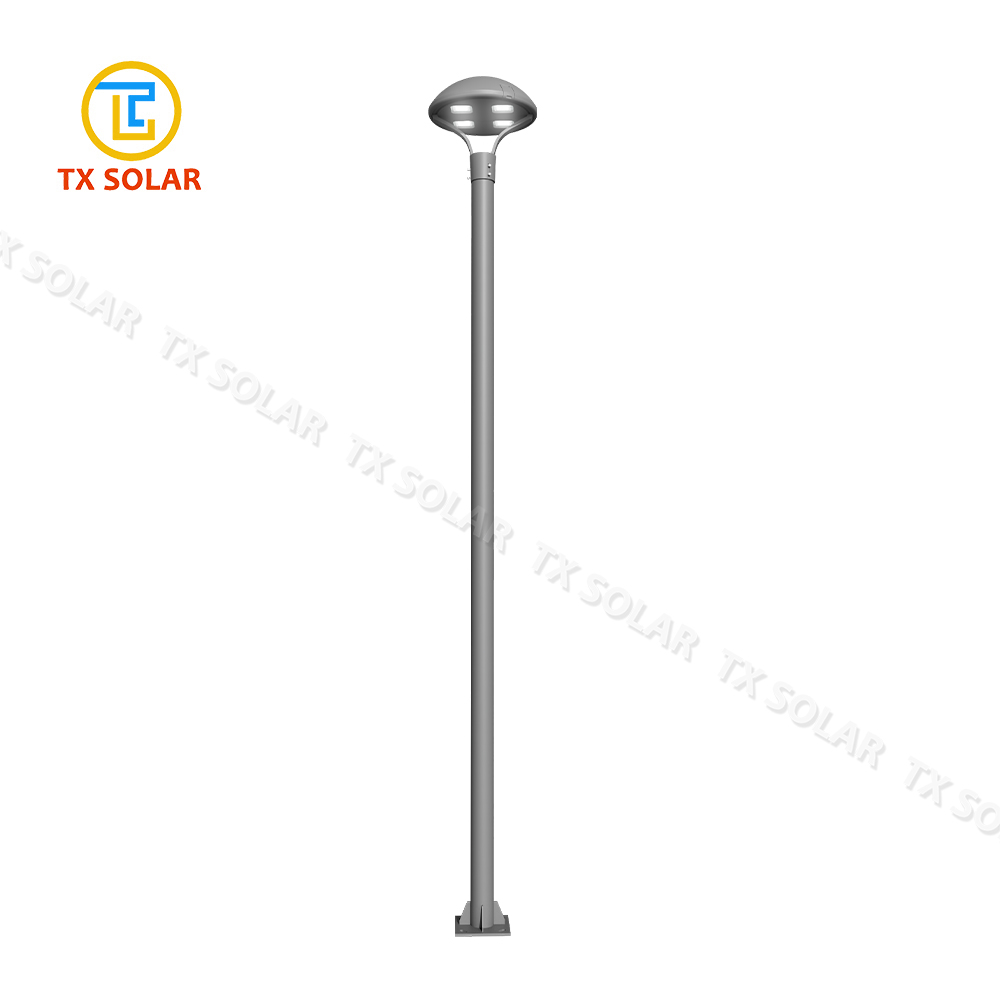
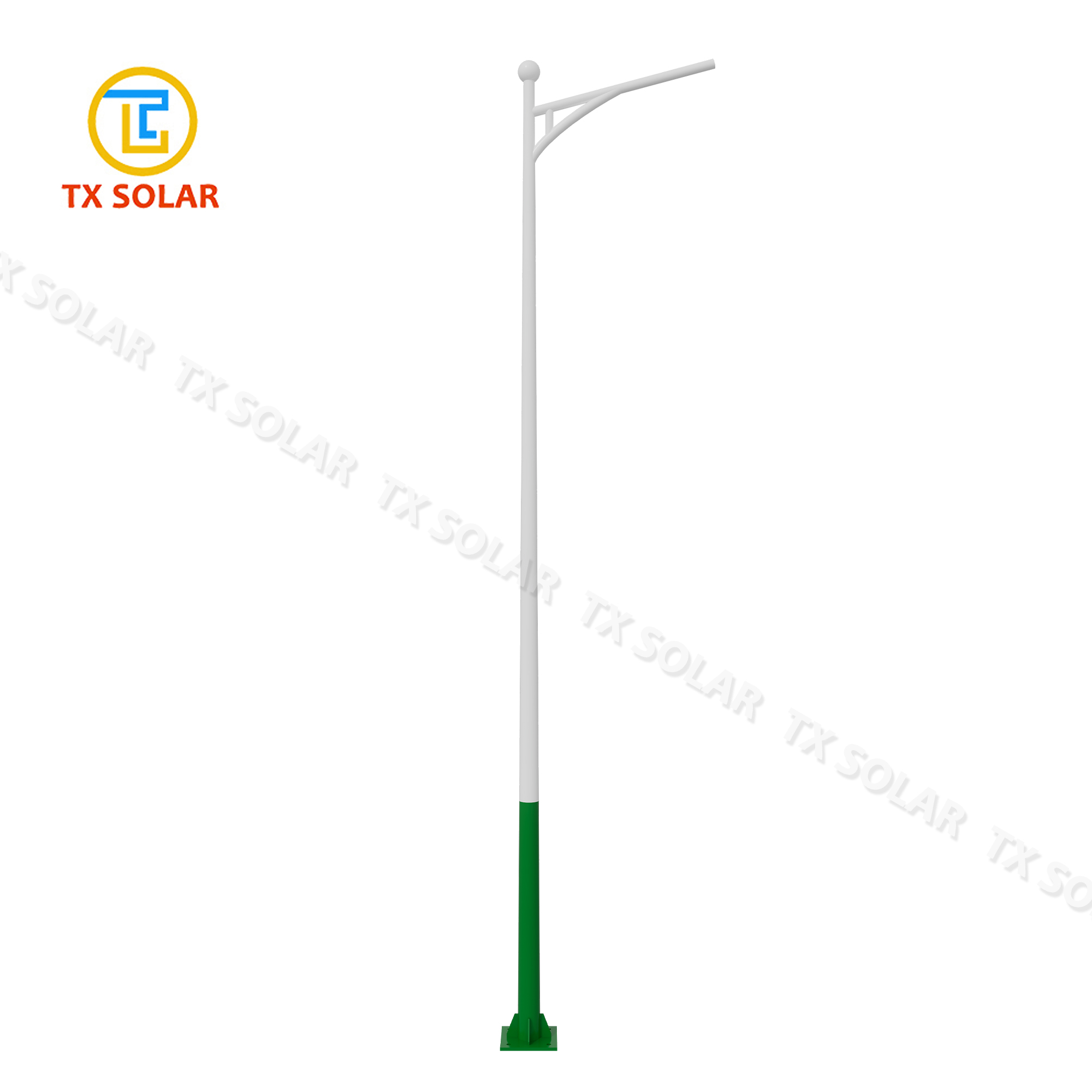
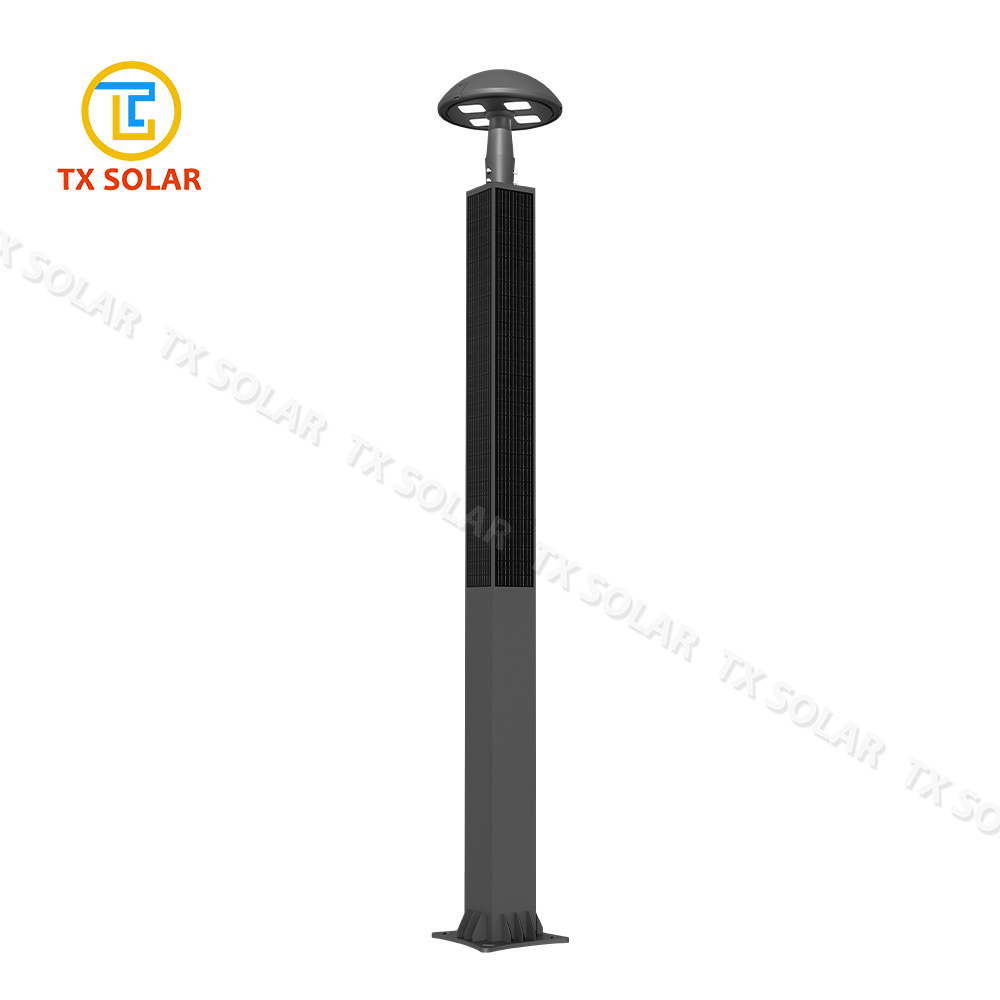
The Commercial & Industrial Landscape of Modern Lighting
In the era of Industry 4.0, industrial parks and manufacturing zones are transforming into smart, interconnected ecosystems. Modern factories no longer view municipal street lighting as a simple utility. Instead, it is recognized as a vital component of infrastructure that directly impacts operational efficiency, security, and sustainability. As manufacturing facilities run on 24-hour shifts, high-performance lighting guarantees seamless logistics, reduces workplace accidents, and deters security threats.
Commercial developers and municipal planners are rapidly shifting from legacy High-Pressure Sodium (HPS) systems to intelligent LED and solar-hybrid configurations. This transition is heavily driven by strict environmental mandates and carbon-neutrality targets. A well-designed municipal street lighting grid in an industrial zone can reduce energy expenditure by up to 70%, while smart controls enable real-time monitoring, automated dimming, and predictive maintenance schedules.
Critical Demands of Industrial Lighting:
- Structural Resilience: Materials must withstand heavy vibrations, dust, chemical exposure, and extreme weather.
- Luminous Efficacy: High lumen output with minimal glare to keep heavy machinery and transport zones safe.
- Smart Integration: Compatibility with IoT sensors, motion detectors, and centralized management software.
- Low Maintenance Costs: Long lifespans (50,000+ hours) to minimize downtime and replacement costs in busy zones.
Who We Are
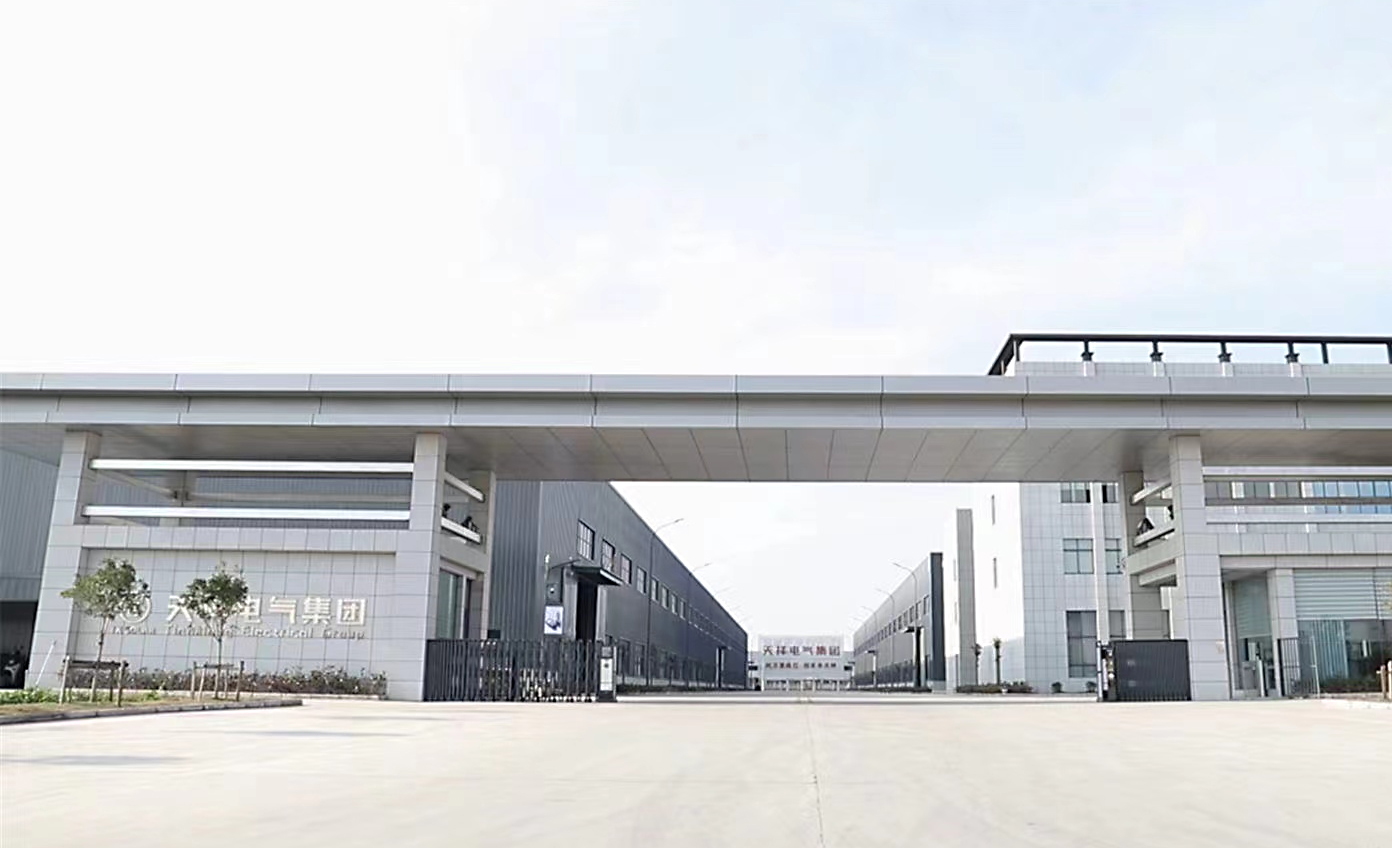
Yangzhou Tianxiang Road Lamp Equipment Co., Ltd. founded in 2008 and located in the smart Industrial Park of street lamp manufacturing base in Gaoyou City, Jiangsu Province, is a production-oriented enterprise focusing on street lamp manufacturing. At present, it has the most perfect and advanced digital production line in the industry.
Up to now, the factory has been at the forefront of the industry in terms of production capacity, price, quality control, qualification and other competitiveness, with a cumulative number of lights on more than 1700000, in Africa and Southeast Asia, Many countries in South America and other regions occupy a large market share and become the preferred product supplier for many projects and engineering companies at home and abroad.
Deep-Dive Application Scenarios in Industrial Zones
1. Logistics Hubs & Loading Bays
Logistics terminals run continuously, requiring precise and powerful illumination to facilitate safe loading and unloading. Heavy transport trucks maneuver through narrow lanes, making high-uniformity street lights essential. High-mast LED street lights with asymmetrical beam angles ensure that shadows are eliminated between stacked containers and delivery bays, preventing collisions and physical strain on workers.
2. Perimeter Security & Surveillance Corridors
The perimeter of a factory is its first line of defense. Integrating municipal street lights with high-definition CCTV security cameras creates a robust deterrence system. Smart poles equipped with motion sensors can dynamically brighten when movement is detected near the fence line, alerting security personnel and capturing crystal-clear footage under optimal lighting conditions.
3. Heavy Manufacturing & High-Vibration Zones
Industrial plants housing heavy machinery generate constant low-frequency vibrations that can degrade standard lighting fixtures. Municipal lights engineered with Q235 structural steel poles and die-cast aluminum housings offer the structural integrity required to absorb mechanical stress. These fixtures maintain their IP65/IP66 ratings, keeping out fine dust, metallic shavings, and moisture.
4. Eco-Friendly Green Industrial Parks
Modern industrial parks are prioritizing zero-emission targets. Solar-integrated street lights, combining high-efficiency monocrystalline solar panels with smart LiFePO4 batteries, provide complete off-grid reliability. This eliminates the need for expensive underground cabling during installation, significantly accelerating project timelines and reducing the park's overall carbon footprint.
What We Have
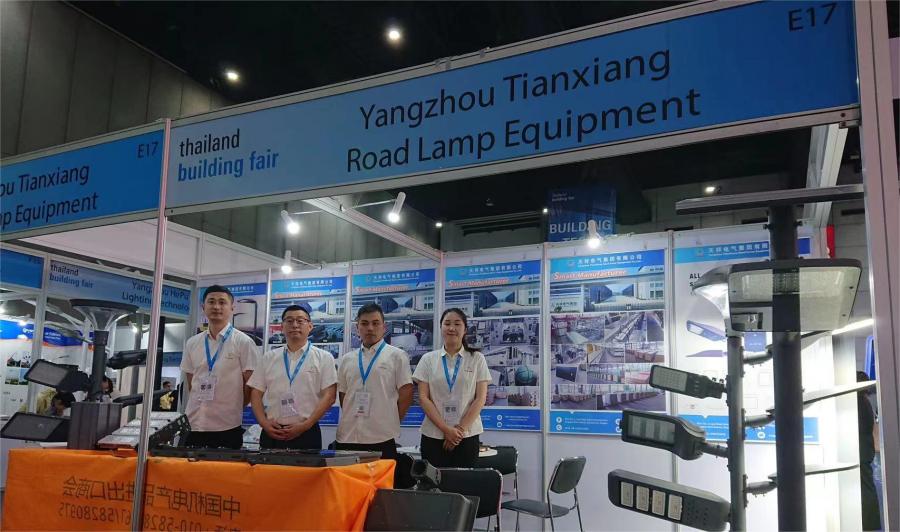
The company was established in 1996, join this new industrial zone in 2008. Now we have more than 200 people, R & D Personal 12 people, engineer 16 people, QC 4 people, International trade department: 16 people, sales department(china): 12 people.
Our comprehensive workforce allows us to manage large-scale municipal bids, customize street light poles to specific wind-load calculations, and deliver high-performance LED chips designed to survive the harshest industrial climates.
Enterprise Culture


Our Mission
Continuous improvement, technological innovation, and the pursuit of 100% customer satisfaction.


Our Vision
To be the world's leading brand in renewable energy and energy efficient lighting.


Our Value
Open, harmonious, pragmatic and innovative.
What You Get
We have a powerful R&D and engineer team, that offer exceptional products and technical supports, and we have our own solar panel, solar battery and lighting workshops.
Direct Factory Pricing
Eliminate middlemen and secure high-quality municipal equipment directly from our digital production lines.
Custom Engineering
Tailored pole heights, arm configurations, wind-load analysis, and photometric planning for your specific site.
Integrated Production
Strict quality control across our dedicated solar panel, lithium battery, and LED luminaire workshops.
Global Project Experience
Over 1.7 million lights installed globally. Proven durability in high-humidity, tropical, and arid climates.
Future Trends in Industrial Park Municipal Lighting
The rapid integration of AI and smart city technologies is redefining municipal infrastructure. In industrial parks, street lights are evolving from static light sources into dynamic, multi-functional smart nodes that capture data, optimize energy, and enhance safety.
IoT-Enabled Central Management Systems (CMS)
Modern municipal lighting is increasingly controlled via cloud-based software platforms. Operators can monitor the energy consumption of individual light poles, adjust brightness levels based on weather conditions or shift patterns, and receive instant alerts when a bulb or battery requires maintenance. This predictive maintenance approach slashes operational costs and ensures factory roadways never go dark.
Next-Generation Photovoltaic Integration
Traditional solar street lights featured bulky, flat solar panels that were susceptible to wind damage and dust accumulation. The latest industrial street poles utilize flexible, wrap-around monocrystalline solar panels that conform to the pole's shape. This cylindrical design maximizes solar absorption throughout the day, reduces wind resistance, and prevents dust buildup, ensuring consistent power generation.
Multi-Functional Smart Poles
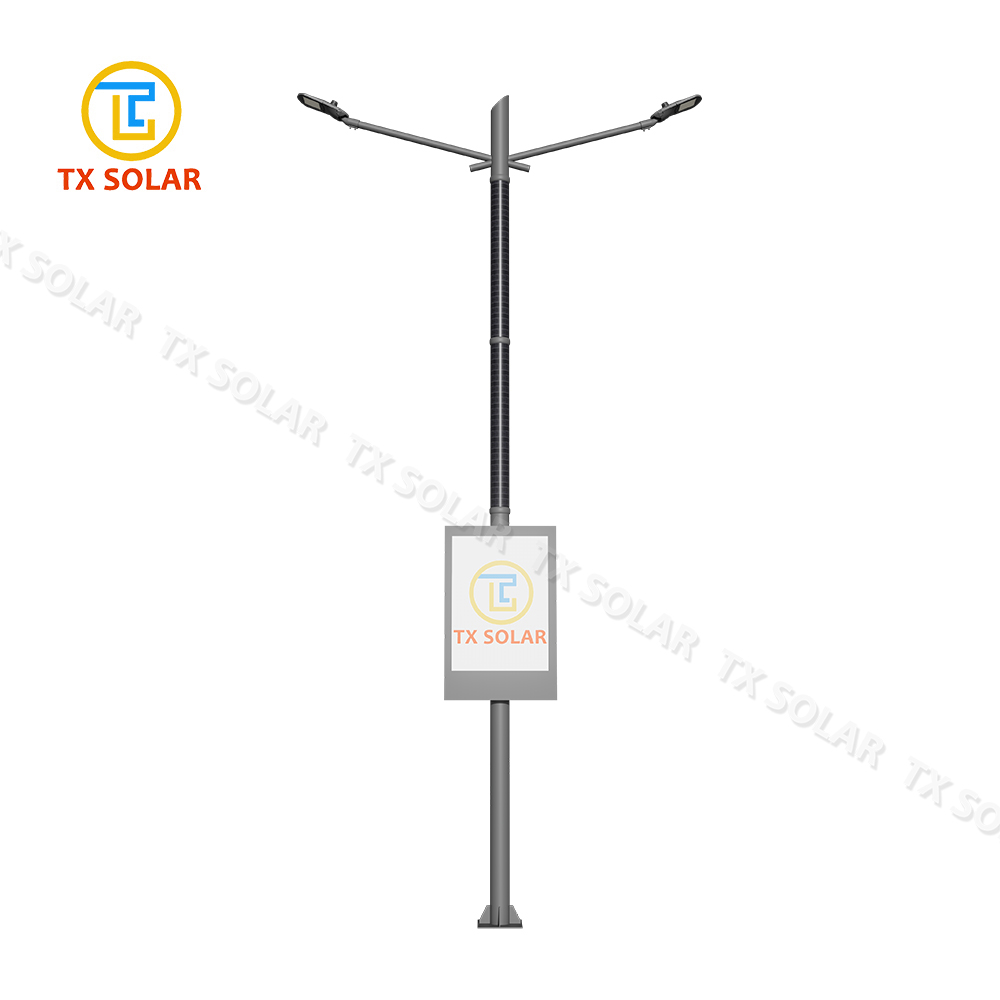
As factories transition to automated guided vehicles (AGVs) and rely on real-time data, street light poles are serving as mounting points for 5G micro-base stations, environmental monitoring sensors (measuring air quality and noise), and LED digital billboards for internal park announcements. By combining multiple utilities into a single pole, parks save physical space and reduce installation costs.
Optimized Photometric Design
Advanced optical lenses allow municipal street lights to direct light exactly where it is needed, preventing light pollution and waste. For factory access roads, narrow-beam optics focus light onto the pavement, while wide-beam optics are deployed in parking lots and open storage yards. This precise distribution ensures compliant lux levels while minimizing the required wattage.
Industrial Park & Factory Infrastructure Portfolio
-

E-mail
-

Whatsapp
-

Top


