
Innovative Campus Roadway Lighting & Pole Solutions
Explore our premium selection of structural poles and integrated solar LED streetlights designed specifically to meet the aesthetic, safety, and performance demands of modern academic campuses.
The Commercial & Industrial Landscape of Campus Lighting
Educational institutions worldwide are undergoing massive transformations. Modern school and university campuses function as micro-cities, operating 24/7 with a complex mix of vehicular roadways, pedestrian walkways, residential quarters, and recreational hubs. Consequently, the demand for robust, energy-efficient, and intelligent outdoor lighting has never been more critical.
Historically, campus lighting relied heavily on legacy High-Pressure Sodium (HPS) or Metal Halide (MH) lamps. These systems are notorious for high energy consumption, frequent maintenance cycles, and poor color rendering, which compromises safety. Today, the commercial landscape has shifted decisively toward LED roadway lights for school and university campuses. Driven by institutional carbon-neutrality pledges, safety regulations, and smart-city integration, school boards and university facility managers are prioritizing complete retrofits and advanced new installations.
From a financial perspective, commercial models such as Energy Service Performance Contracts (ESPC) and municipal green energy grants have lowered the barrier to entry. Universities can now execute comprehensive lighting upgrades with zero upfront capital expenditure, paying off the investment through guaranteed utility bill savings. This has turned lighting upgrades from a capital expense bottleneck into a cash-flow-positive operational upgrade.
💡 Industry Insight: Smart Campus Evolution
Modern campus roadway lighting is no longer just about illumination. It serves as the physical backbone for the Internet of Things (IoT). By deploying advanced LED fixtures and smart poles, campuses are integrating environmental sensors, security cameras, emergency broadcast speakers, and Wi-Fi access points directly into the lighting infrastructure.
Technological Trends Shaping Campus Roadway Lighting
The integration of advanced optical designs, smart controls, and renewable energy is redefining how educational spaces are illuminated at night.
IoT & Smart Controls
Wireless mesh networks (LoRaWAN, Zigbee) allow campus operators to monitor energy usage, schedule dimming profiles based on class schedules, and receive instant maintenance alerts when a fixture requires service.
Off-Grid Solar Integration
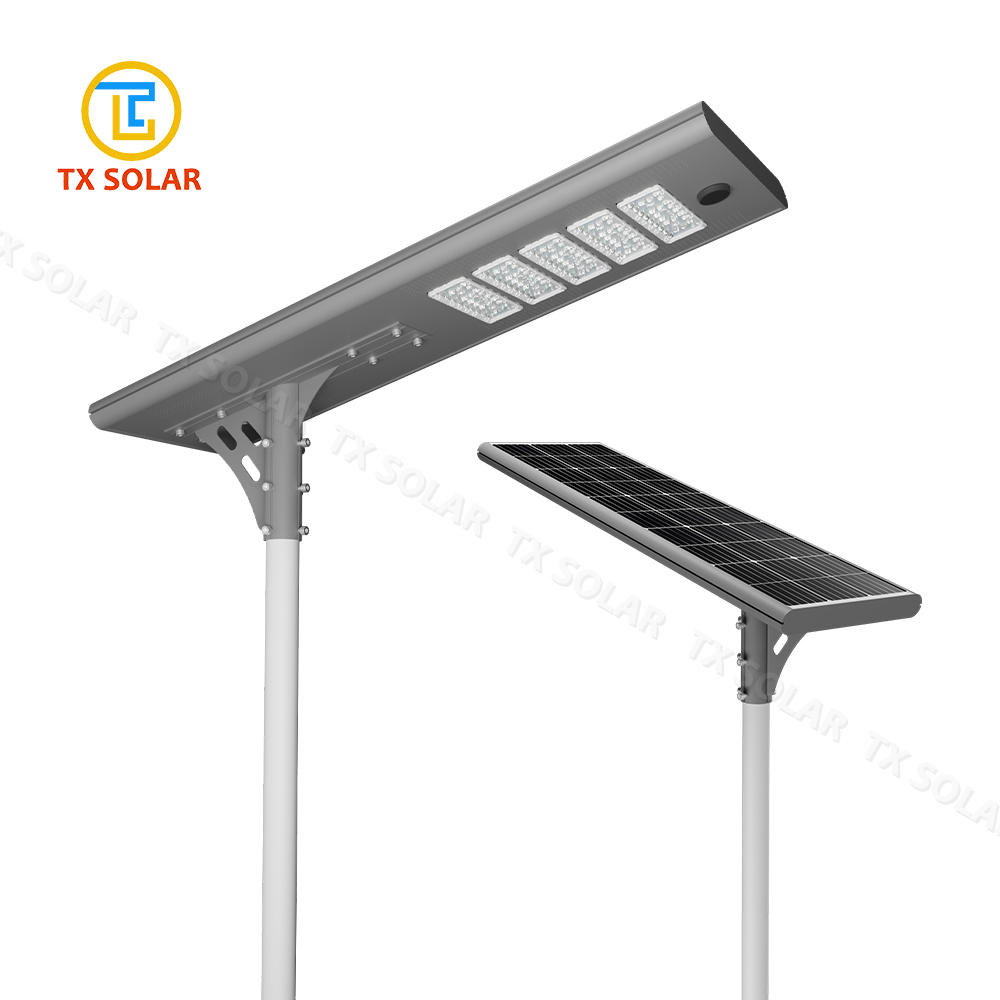
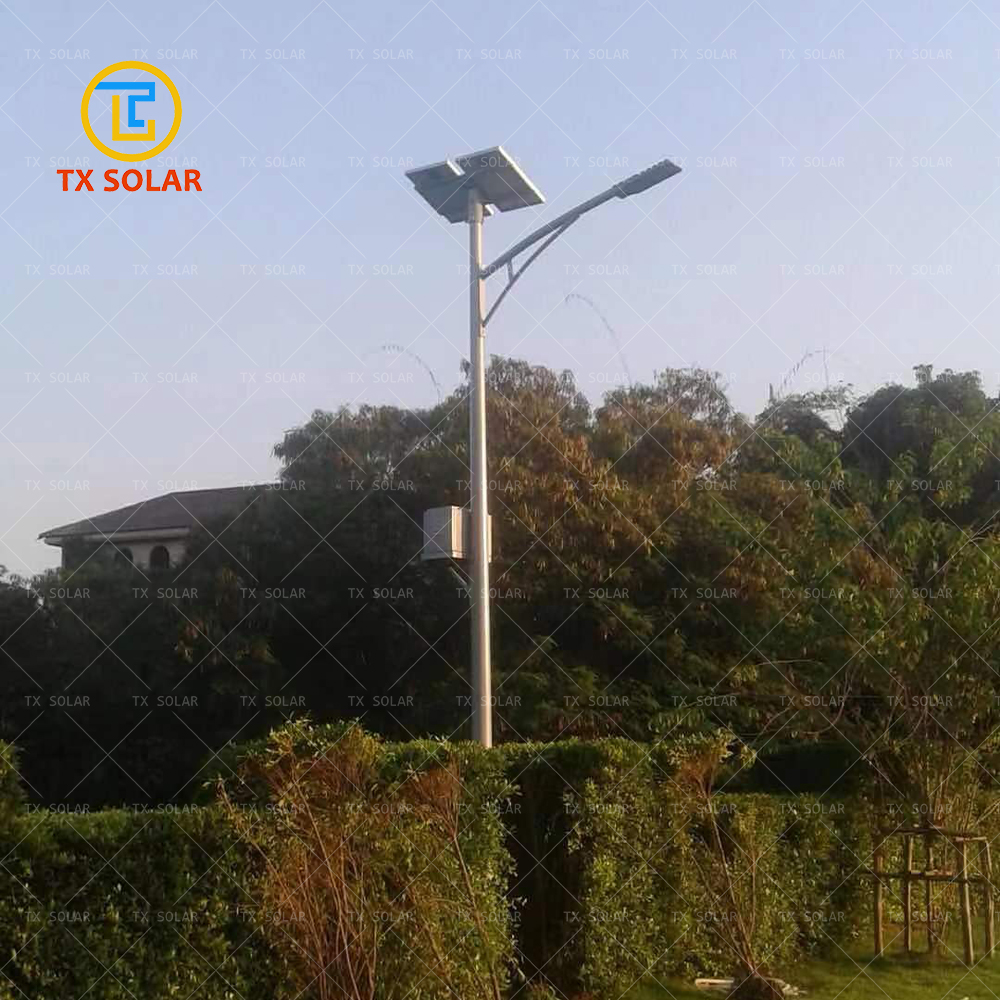
Integrating high-efficiency solar panels and advanced gel or lithium batteries ensures continuous illumination, even during grid failures. This is vital for maintaining emergency evacuation pathways.
Dark-Sky Compliance
Precise optical distributions minimize light spill and glare. This protects local ecosystems, reduces astronomical light pollution, and directs light exactly where it is needed—on the roads and walkways.
Another major trend is the adoption of Human-Centric Lighting (HCL) and adaptive color temperatures. During high-traffic evening hours, cool white light (4000K-5000K) is utilized to enhance alertness, visibility, and safety for students and drivers. Later in the night, the system can automatically transition to warmer color temperatures (3000K or lower) to minimize disruption to human circadian rhythms and nocturnal wildlife on and around the campus.
Furthermore, durability and materials science have advanced significantly. High-quality die-cast aluminum housings with marine-grade coatings and IP66/IK08 ratings ensure that fixtures can withstand harsh weather conditions, physical vandalism, and decades of environmental wear. This translates to an operational lifespan exceeding 50,000 to 100,000 hours, virtually eliminating the recurring maintenance costs associated with traditional lighting.
In-Depth Application Scenarios Across University Campuses
A campus is a diverse ecosystem requiring customized lighting configurations to ensure safety, beauty, and utility in different zones.
1. Main Vehicular Arteries and Perimeter Roads
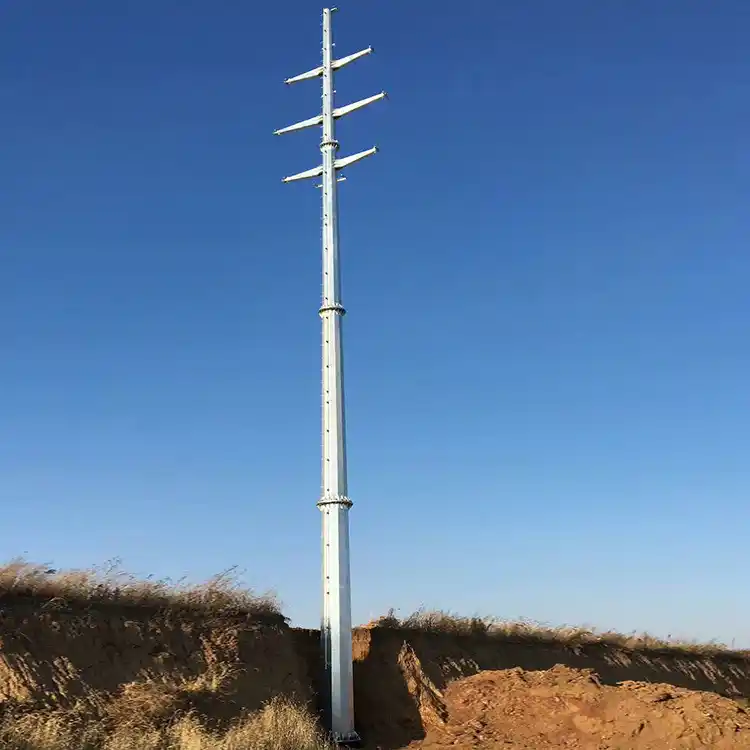
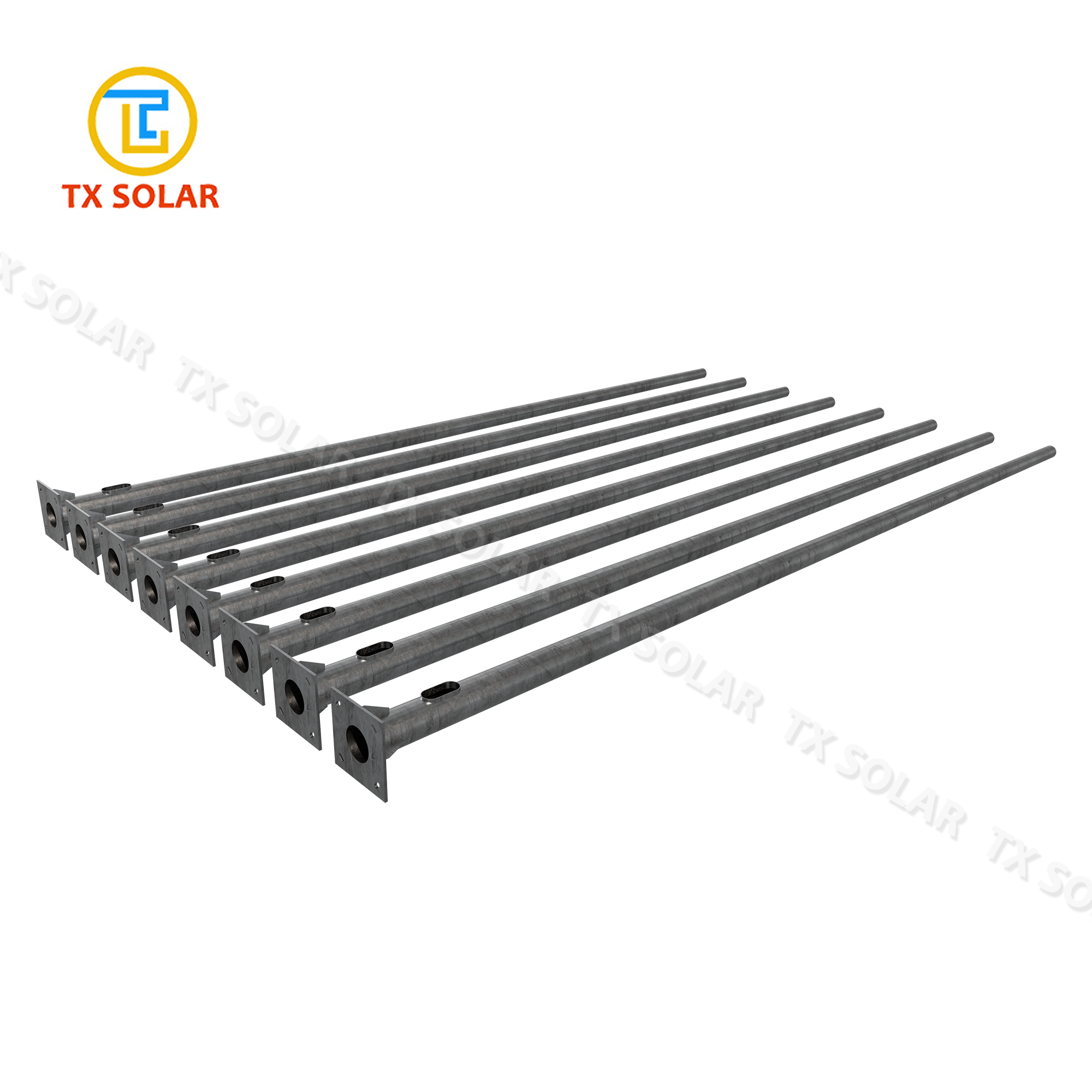
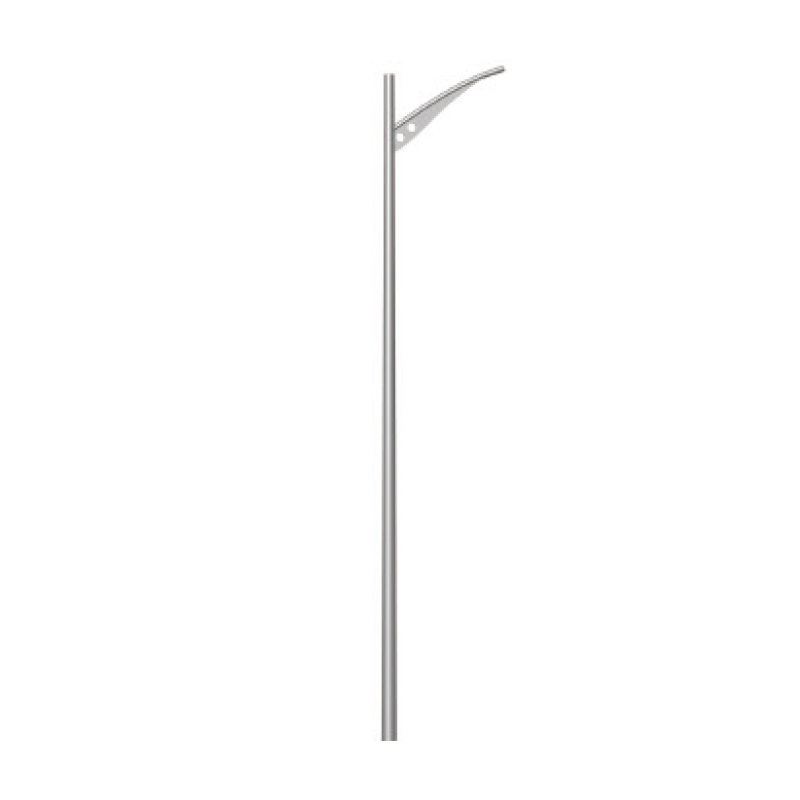
Perimeter roads and main entry gates handle high volumes of vehicular traffic, including transit buses, delivery trucks, and student vehicles. Lighting in these areas must meet strict municipal roadway standards. High-output LED streetlights mounted on robust galvanized steel poles ensure uniform light distribution, eliminating dark patches that could lead to accidents. High color rendering index (CRI) helps drivers quickly identify pedestrians, cyclists, and traffic signage, significantly reducing traffic risks during twilight and nighttime hours.
2. Pedestrian Walkways, Plazas, and Courtyards
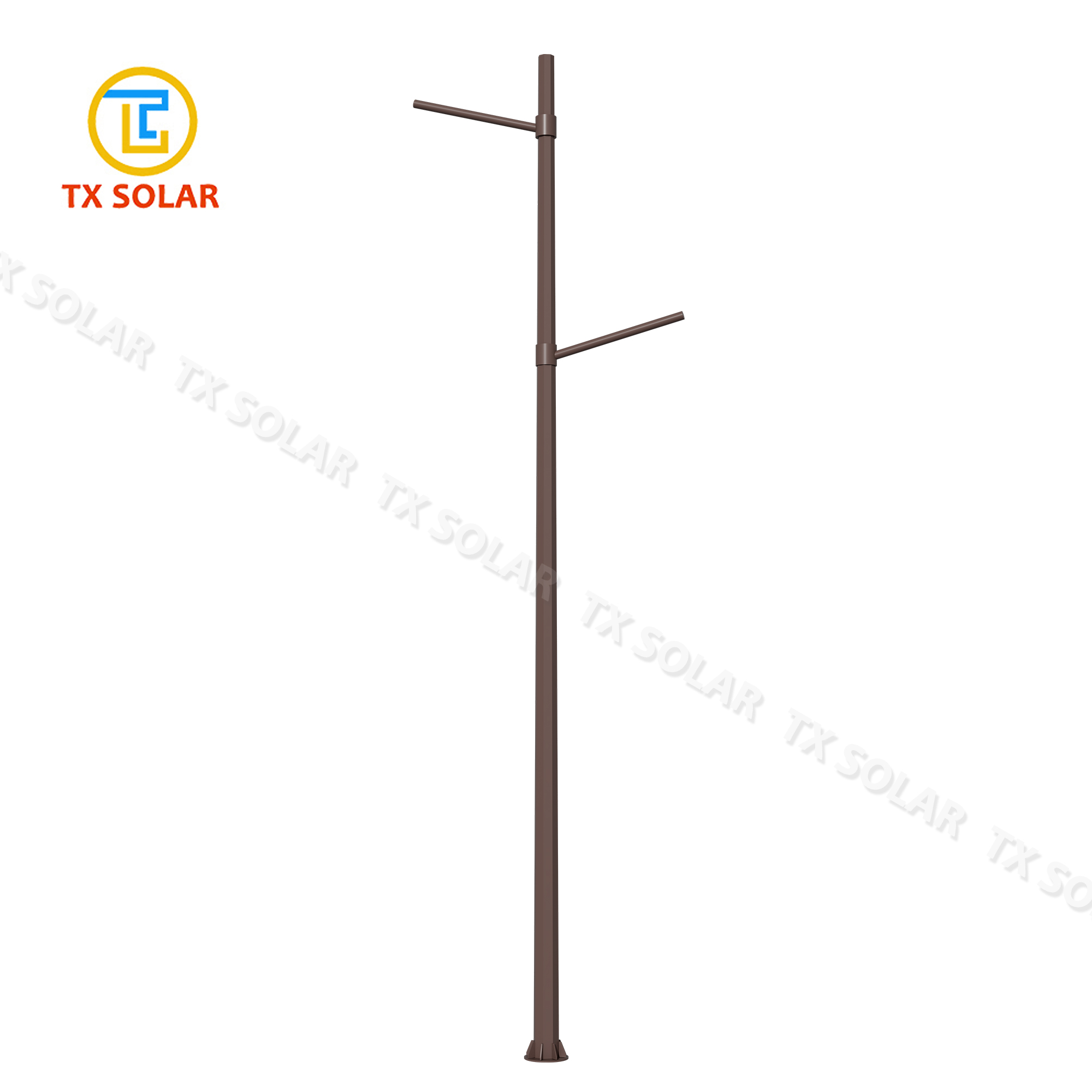
Pedestrian zones are the lifeblood of student interaction. Lighting here needs to feel welcoming yet secure. Low-height decorative poles or dual-arm poles (featuring a high-angle street light paired with a lower-angle pedestrian light) provide the perfect balance. By utilizing asymmetrical optics, light is cast directly onto pathways and steps, preventing slips and falls while creating an aesthetically pleasing, warm ambiance that encourages evening study sessions and social gatherings.
3. Parking Lots and Multi-Level Garages
Campus parking lots are frequent hotspots for security concerns. Bright, even illumination from LED roadway lights and high-performance solar floodlights acts as a powerful deterrent to criminal activity. Integrating motion sensors allows these lights to operate at 20% capacity when empty, instantly ramping up to 100% brightness when a vehicle or pedestrian enters the zone. This smart dimming strategy maximizes energy conservation while maintaining a high level of proactive security.
4. Sports Fields, Recreational Areas, and Emergency Zones
Outdoor basketball courts, running tracks, and open fields require specialized high-mast lighting or high-power floodlights to support recreational activities safely after sunset. Additionally, strategic placement of solar-powered LED systems near "Blue Light" emergency call stations ensures that even during a complete campus grid outage, these critical safety points remain highly visible and fully operational.
About Yangzhou Tianxiang Road Lamp Equipment Co., Ltd.
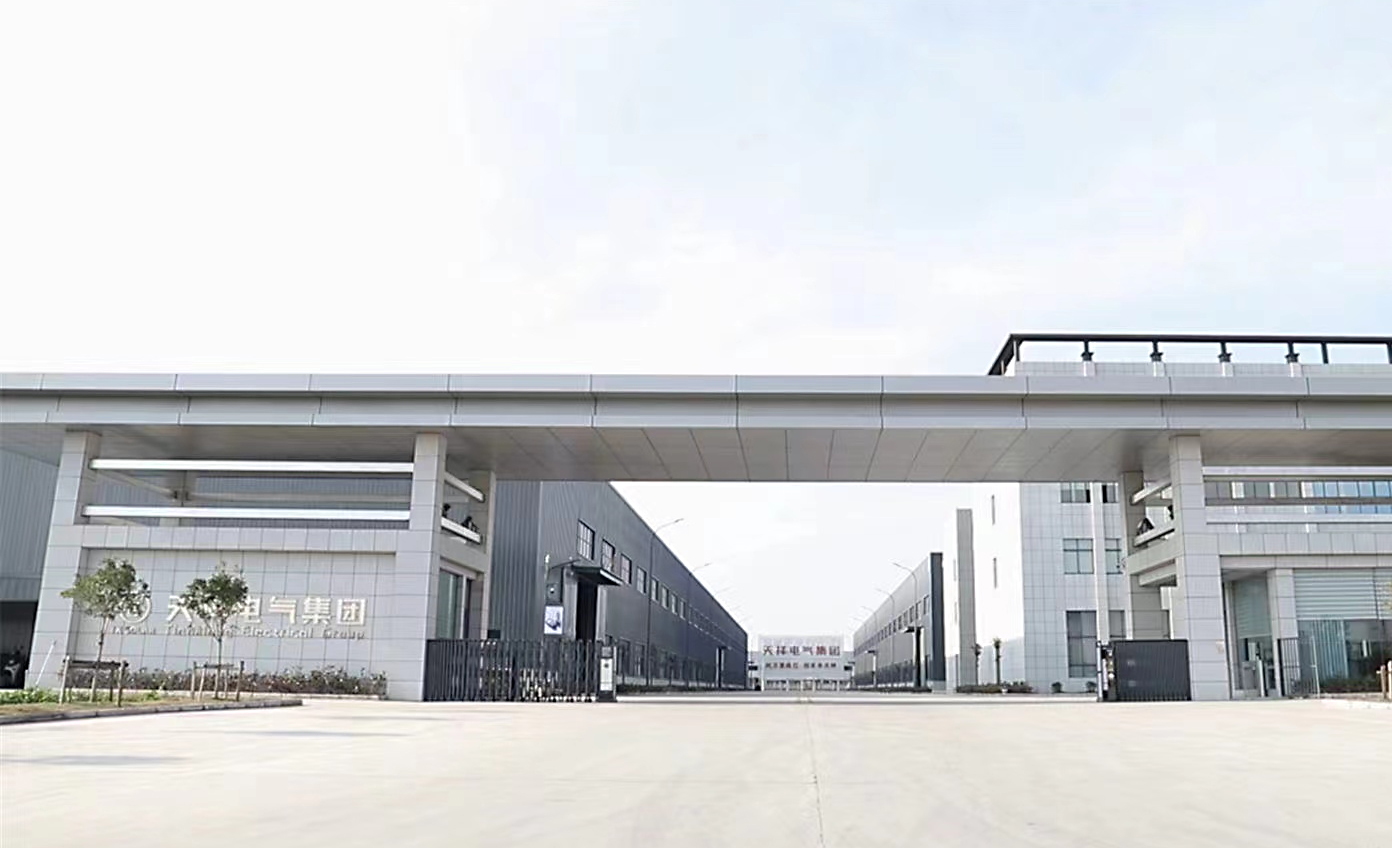
Professional Outdoor Lighting Manufacturer Since 1996
Yangzhou Tianxiang Road Lamp Equipment Co., Ltd. founded in 2008 and located in the smart Industrial Park of street lamp manufacturing base in Gaoyou City, Jiangsu Province, is a production-oriented enterprise focusing on street lamp manufacturing. At present, it has the most perfect and advanced digital production line in the industry.
Up to now, the factory has been at the forefront of the industry in terms of production capacity, price, quality control, qualification and other competitiveness, with a cumulative number of lights on more than 1,700,000. In Africa, Southeast Asia, South America, and many other regions, we occupy a large market share and have become the preferred product supplier for many key projects and engineering companies at home and abroad.
Our Technical Power & Manufacturing Capabilities
Originally established in 1996, our company relocated to the new high-tech industrial zone in 2008 to expand and modernize our manufacturing systems. Today, our facility operates with a dedicated workforce of over 200 professionals, ensuring excellence at every stage of production.
Our structural breakdown includes a robust R&D team of 12 specialists, 16 experienced structural and electrical engineers, 4 strict Quality Control (QC) officers, an International Trade Department of 16 representatives, and a domestic sales team of 12 professionals. This highly coordinated structure allows us to deliver tailored roadway lighting systems that meet the specific engineering codes and aesthetic standards of universities and schools globally.
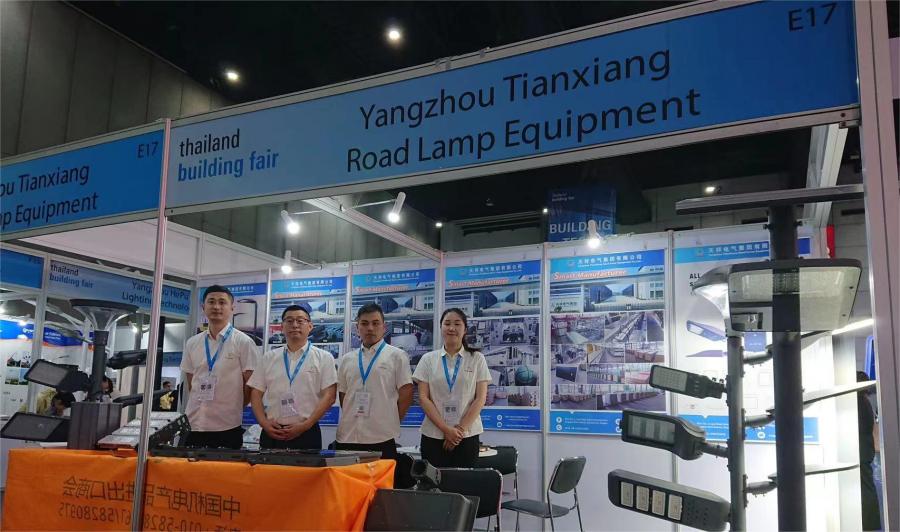
Our Enterprise Culture
Driving sustainable progress and technological innovation to illuminate campuses and communities around the world.


Our Mission
Continuous improvement, technological innovation, and the pursuit of 100% customer satisfaction.


Our Vision
To be the world's leading brand in renewable energy and energy efficient lighting.


Our Value
Open, harmonious, pragmatic and innovative.
What You Get With Tianxiang Lighting Systems
We have a powerful R&D and engineer team that offers exceptional products and technical support. By managing our own solar panel, solar battery, and lighting workshops, we guarantee unmatched quality control and cost efficiency.
Exceptional Engineering
Poles and brackets engineered to withstand high wind speeds and structural loads, customized to your local building codes.
Integrated Solar Workshops
In-house manufacturing of solar panels and specialized gel/lithium batteries ensures perfect component compatibility.
End-to-End Technical Support
From initial DIALux lighting simulations and layout designs to post-installation engineering support, we are with you at every step.
Complete Campus Lighting & Infrastructure Catalog
Browse our full range of street poles, solar-powered systems, and commercial LED fixtures built to elevate campus safety and sustainability.
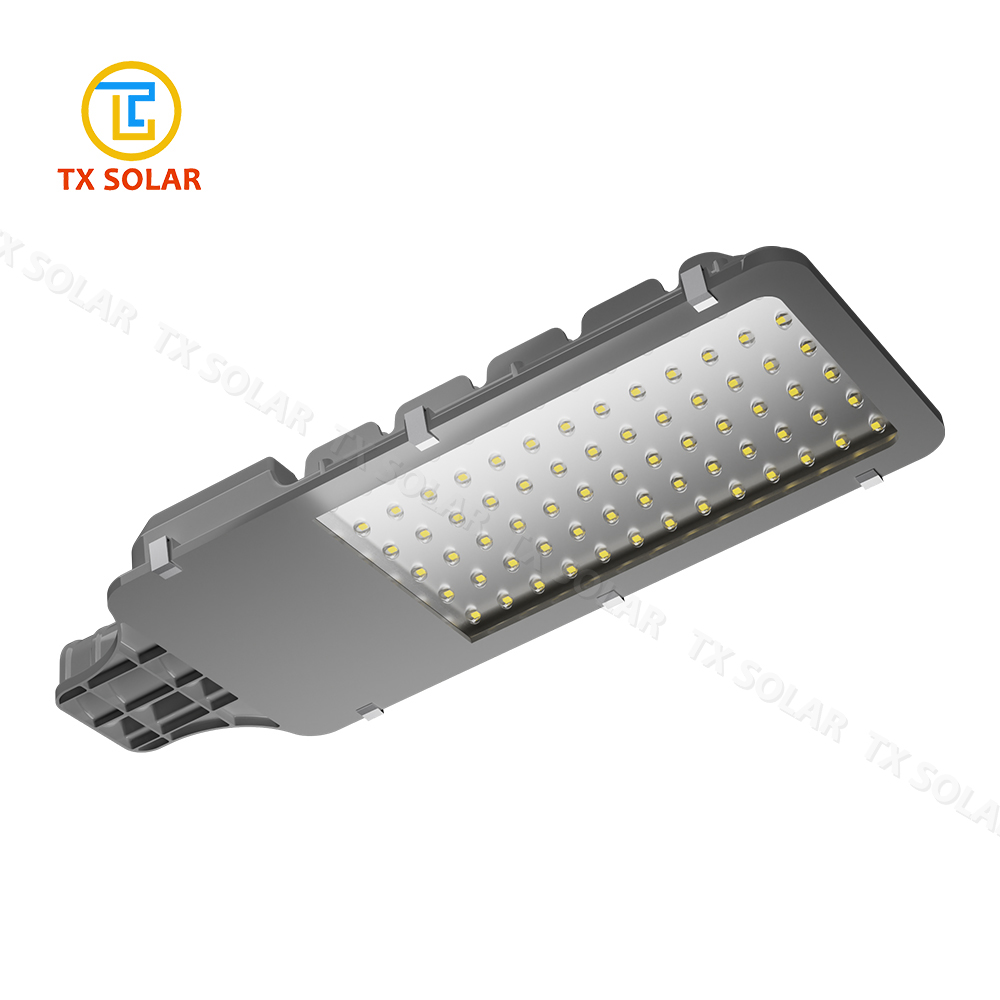
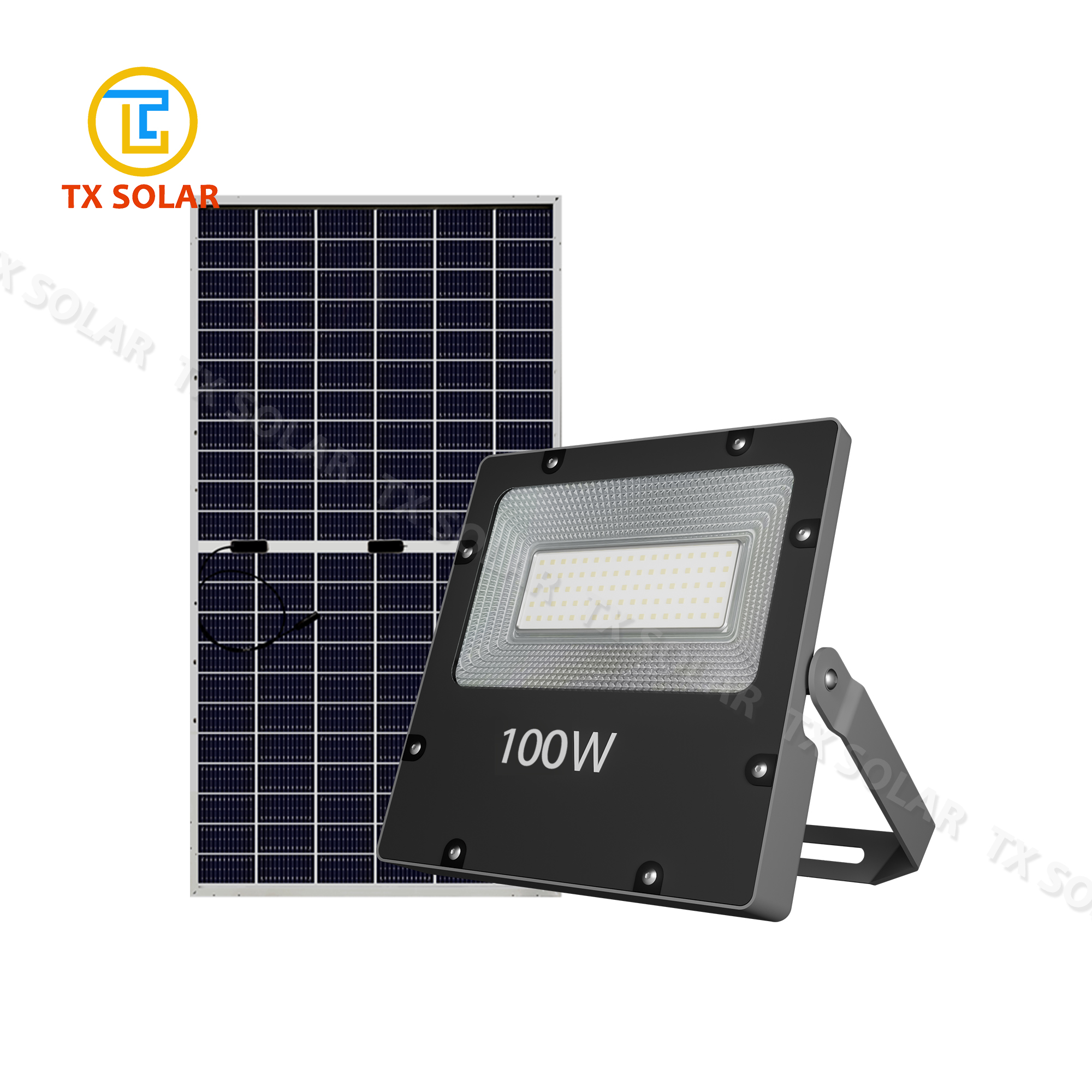
-

E-mail
-

Whatsapp
-

Top


