
Featured Municipal Roadway Lighting Systems
High-efficiency luminaires and structural supports designed for long-lasting municipal deployments, ensuring safety, visibility, and reduced operational overhead.
The Strategic Role of LED Roadway Lights in Modern Municipal Roadways
Municipal roadways are the lifeblood of urban and suburban ecosystems. As cities grow, the demand for safer, smarter, and more energy-efficient infrastructure escalates. LED Roadway Lights for Municipal Roadways represent a paradigm shift in how public spaces are illuminated. Transitioning from legacy High-Pressure Sodium (HPS) and Metal Halide (MH) lamps to advanced solid-state LED systems is no longer just an environmental choice—it is a critical economic and safety imperative for governments worldwide.
Modern municipal lighting requires a delicate balance of high performance, durability, and cost-effectiveness. Municipalities must ensure that streets, highways, pedestrian walkways, and public parks are brightly lit to prevent traffic accidents and deter criminal activity. Concurrently, public administrations face intense pressure to reduce energy consumption, meet carbon neutrality goals, and optimize maintenance budgets. LED roadway lighting directly addresses these demands by offering unparalleled luminous efficacy, dynamic control options, and lifespans that exceed traditional lighting technologies by several fold.
Commercial and Industrial Landscape of Municipal LED Roadway Lighting
The global market for municipal outdoor lighting is undergoing rapid consolidation and technological evolution. According to industrial research, the outdoor LED lighting market is projected to reach tens of billions of dollars within the next decade, with municipal roads and highways claiming the largest market share. This growth is driven by government-mandated energy efficiency programs, smart city initiatives, and the decreasing cost of high-power LED chips and driver electronics.
From a commercial standpoint, the procurement process for municipal lighting has shifted. Rather than focusing solely on upfront hardware costs, municipal planners and engineering contractors now evaluate the Total Cost of Ownership (TCO). Factors such as lumen maintenance (L70 lifetime), driver reliability, surge protection, and ease of installation dictate purchasing decisions. Furthermore, public-private partnerships (PPPs) and Energy Service Companies (ESCOs) are creating innovative financing models, allowing municipalities to fund lighting upgrades through the guaranteed energy savings generated by the LED systems.
On the manufacturing front, the integration of supply chains has enabled companies to deliver comprehensive systems. A complete municipal roadway lighting solution now encompasses not just the LED luminaire, but also the structural support systems—such as hot-dip galvanized steel poles—and intelligent control nodes. Manufacturers who control the production of both the optical fixtures and the structural poles, like Yangzhou Tianxiang Road Lamp Equipment Co., Ltd., offer significant advantages in compatibility, structural integrity, and logistical efficiency.
Key Technological Trends Shaping the Future of Roadway Lighting
The technology behind municipal roadway lights has evolved far beyond basic diodes. Today, several key trends are redefining the industrial standards for public lighting:
Smart Grid Integration and IoT Nodes
Modern LED roadway fixtures are increasingly equipped with standardized receptacles (such as NEMA 7-pin or Zhaga interfaces) that allow the seamless addition of smart controllers. These controllers connect to central management software (CMS) via wireless protocols like LoRaWAN, NB-IoT, or cellular networks. Municipalities can monitor power consumption in real-time, receive automatic fault alerts, and adjust dimming profiles based on traffic volume or time of day, saving up to an additional 30% on energy costs.
Advanced Optical Engineering and Glare Control
Light pollution and glare are major concerns in municipal planning. Modern LED fixtures utilize precision-engineered optical lenses (Type II, Type III, and Type IV distributions) to direct light precisely onto the road surface, minimizing backward light spill into residential windows and sky glow. This precise distribution improves visual comfort for drivers and pedestrians alike, reducing eye strain and increasing overall traffic safety.
Solar-Utility Hybrid and Off-Grid Systems
In remote municipal regions or areas with unstable power grids, off-grid solar LED streetlights are becoming the standard. Leveraging high-efficiency monocrystalline solar panels, long-life Lithium Iron Phosphate (LiFePO4) or gel batteries, and intelligent MPPT controllers, these systems operate independently of the electrical grid. This eliminates the massive costs associated with trenching and cabling, making solar roadway lighting highly attractive for rural highways and newly developed municipal zones.
Multifunctional Smart Poles
The street light pole is no longer just a structural support; it is prime real estate for smart city sensors. Integrated poles now host CCTV cameras for traffic monitoring and security, environmental sensors for air quality tracking, public Wi-Fi routers, 5G small cells, and electric vehicle (EV) charging stations. This consolidation reduces urban clutter and shares infrastructure costs across multiple municipal departments.
Deep Application Scenarios of LED Roadway Systems
To maximize the effectiveness of LED roadway lights, municipal engineers must match specific product configurations to distinct urban environments. Below are detailed analyses of key application scenarios:
Scenario A: High-Speed Highways and Expressways
On high-speed corridors, driver reaction time is critical. Lighting systems must deliver high lumen output (typically 15,000 to 30,000 lumens) and excellent uniformity to eliminate dark patches. Structural poles must be highly resilient to withstand wind loads caused by passing heavy vehicles and extreme weather. High-quality conical or octagonal hot-dip galvanized steel poles (ranging from 9m to 12m) are paired with high-power LED luminaires. The hot-dip galvanization process ensures corrosion resistance for over 30 years, protecting the structural integrity of the highway lighting grid in harsh coastal or industrialized zones.
Scenario B: Urban Arterial Roads and Intersections
Urban arterials experience complex traffic flows, including vehicles, public transit, cyclists, and pedestrians. At intersections, lighting must be bright and omnidirectional to prevent collisions. Double-arm galvanized light poles are ideal here, allowing a single pole to illuminate both the primary traffic lanes and adjacent pedestrian paths or opposing lanes. Integrating CCTV cameras onto these poles allows municipal traffic control centers to monitor flow, detect accidents, and adjust signal timing dynamically.
Scenario C: Residential Streets and Pedestrian Zones
In residential communities, the focus shifts from sheer brightness to aesthetic integration and light pollution mitigation. Warm color temperatures (2700K to 3000K) are preferred to maintain a welcoming atmosphere and protect nocturnal wildlife. City road outdoor landscape garden lights are deployed here. They blend architectural design with energy-efficient LED engines. Smart dimming schedules are programmed to lower the light output during late-night hours when pedestrian traffic is minimal, saving power while maintaining basic safety levels.
Scenario D: Remote and Rural Municipal Passageways
Extending the power grid to rural communities is often cost-prohibitive. For these municipal roadways, solar-powered LED streetlights equipped with robust battery storage (such as gel batteries or lithium packs) offer the perfect solution. These self-sustaining systems gather solar energy during the day and discharge it reliably at night, even during consecutive overcast days. This brings safety and economic development to historically underserved rural corridors.
Economic Feasibility, Return on Investment (ROI), and Sustainability
Implementing LED roadway lights represents a highly lucrative investment for local governments. A typical municipal LED retrofitting project yields an energy consumption reduction of 50% to 70% compared to legacy lighting systems. When combined with smart controls, these savings can exceed 80%.
The maintenance savings are equally compelling. Legacy lamps require replacement every 1.5 to 3 years, incurring high labor and equipment costs (such as bucket truck rentals). In contrast, high-quality LED fixtures operate reliably for over 50,000 to 100,000 hours (10 to 20 years). This drastic reduction in maintenance cycles allows municipal public works departments to reallocate valuable human and financial resources to other critical public services.
From an environmental perspective, the benefits are profound. By lowering electricity demand, municipalities directly reduce the carbon emissions associated with power generation. Furthermore, unlike fluorescent and high-pressure sodium lamps, LEDs contain no toxic mercury or heavy metals, simplifying disposal and recycling processes at the end of their operational lifecycle.
About Yangzhou Tianxiang Road Lamp Equipment Co., Ltd.
PROFESSIONAL OUTDOOR LIGHTING MANUFACTURER SINCE 1996
Yangzhou Tianxiang Road Lamp Equipment Co., Ltd. founded in 2008 and located in the smart Industrial Park of street lamp manufacturing base in Gaoyou City, Jiangsu Province, is a production-oriented enterprise focusing on street lamp manufacturing. At present, it has the most perfect and advanced digital production line in the industry. Up to now, the factory has been at the forefront of the industry in terms of production capacity, price, quality control, qualification and other competitiveness, with a cumulative number of lights on more than 1700000, in Africa and Southeast Asia, Many countries in South America and other regions occupy a large market share and become the preferred product supplier for many projects and engineering companies at home and abroad.
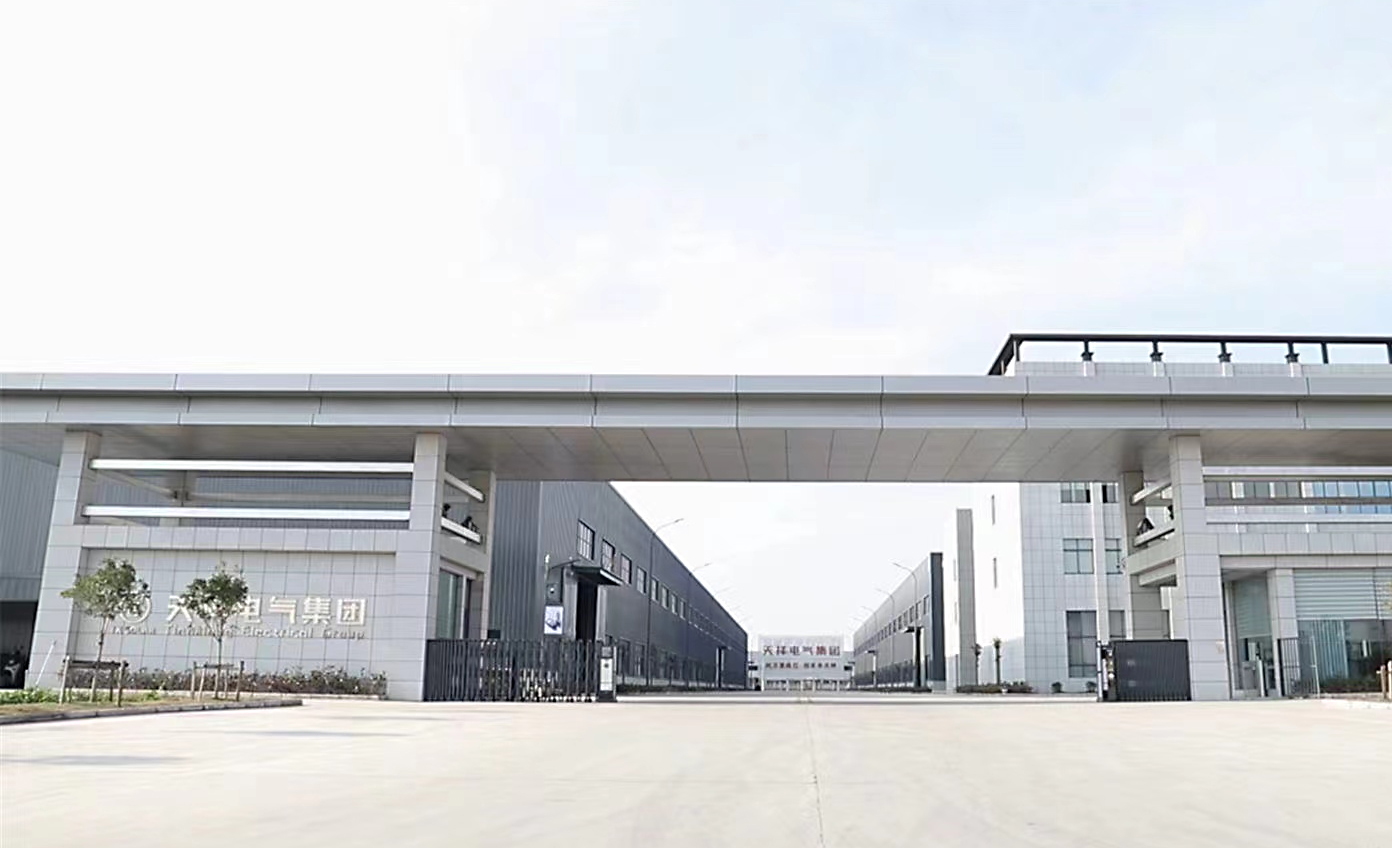
What We Have
The company was established in 1996, join this new industrial zone in 2008. Now we have more than 200 people, R & D Personal 12 people, engineer 16 people, QC 4 people, International trade department: 16 people, sales department(china): 12 people.
We have a powerful R&D and engineer team, that offer exceptional products and technical supports, and we have our own solar panel, solar battery and lighting workshops.
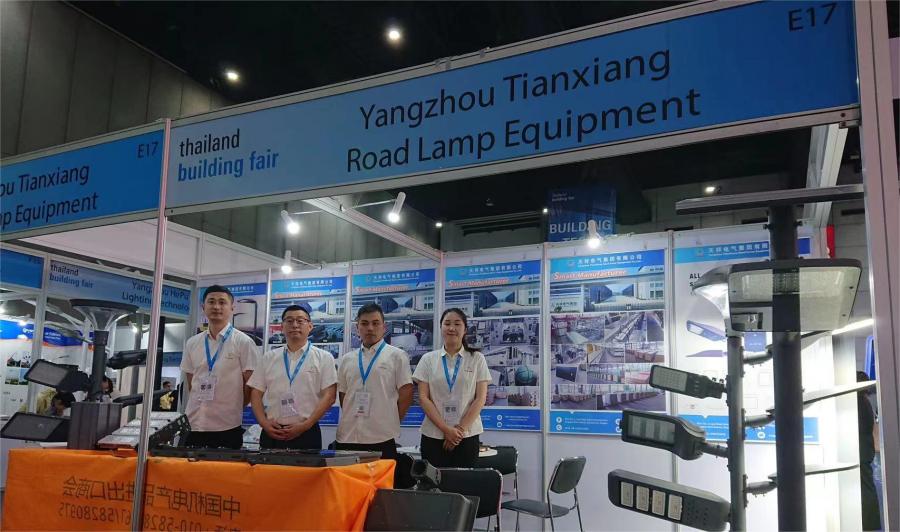
Enterprise Culture


Our Mission
Continuous improvement, technological innovation, and the pursuit of 100% customer satisfaction.


Our Vision
To be the world's leading brand in renewable energy and energy efficient lighting.


Our Value
Open, harmonious, pragmatic and innovative.
Complete Municipal Roadway Lighting & Structural Portfolio
Explore our full range of certified steel light poles, solar street lights, and intelligent IoT lighting solutions engineered for global public infrastructure projects.
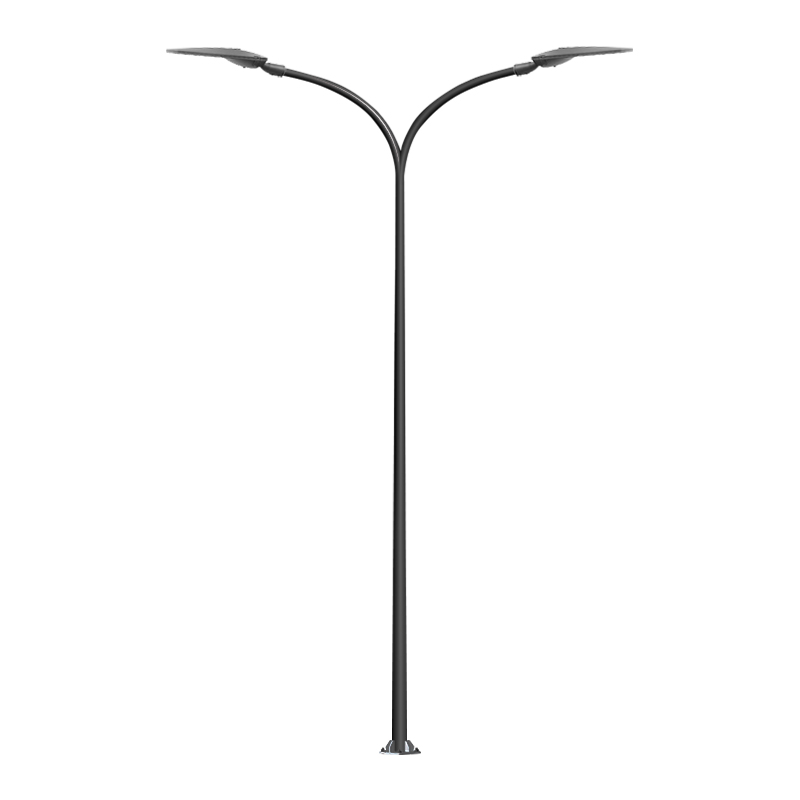
Municipal Double-Arm Hot-Dip Galvanized Roadway Pole
View Details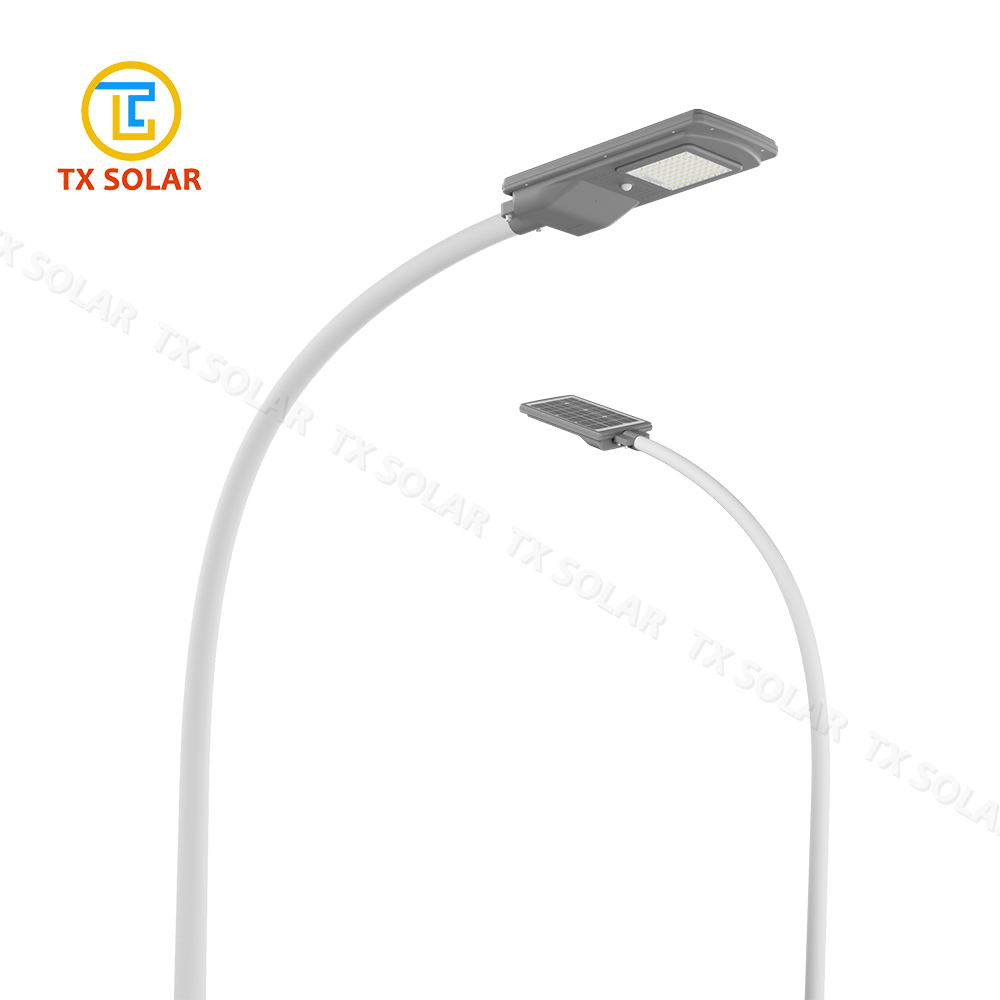
30W Smart Mini All-In-One Solar Municipal Light
View Details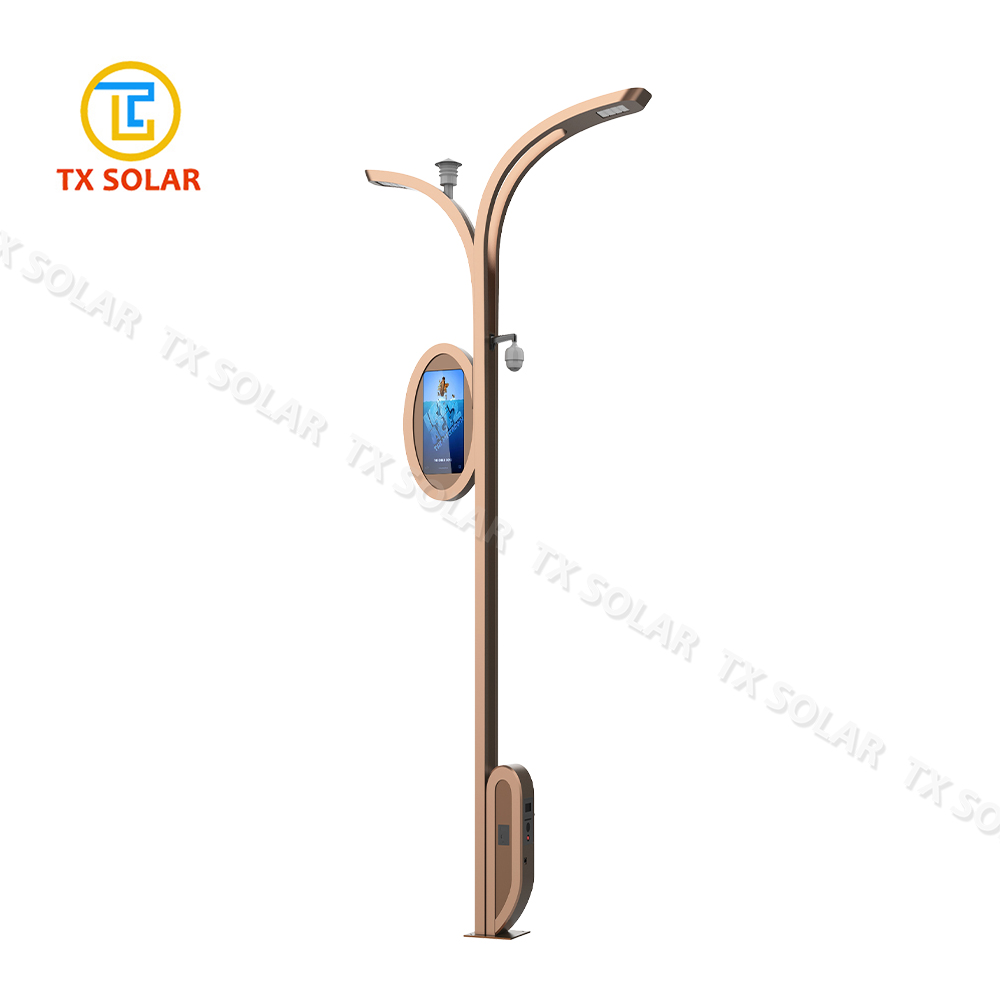
Intelligent LED Municipal Roadway Pole with CCTV Camera
View Details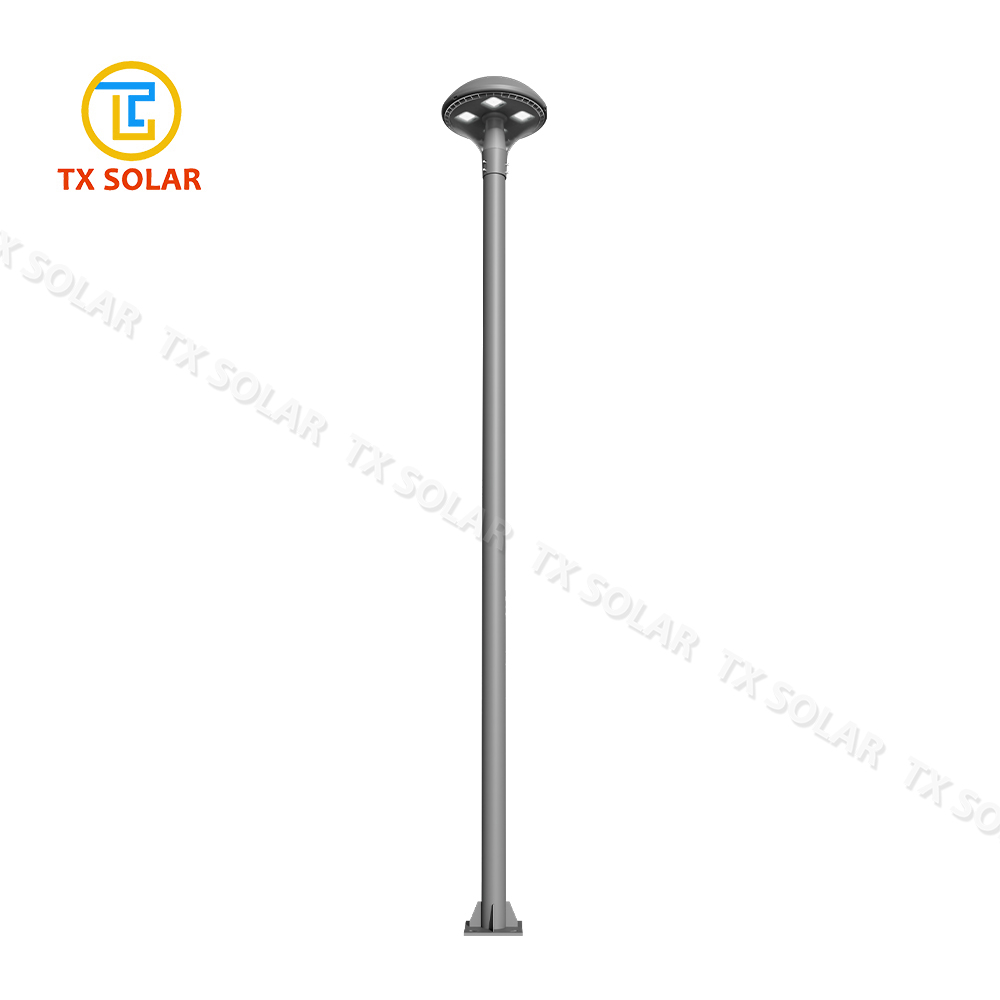
City Road Outdoor Landscape Municipal Garden Light
View Details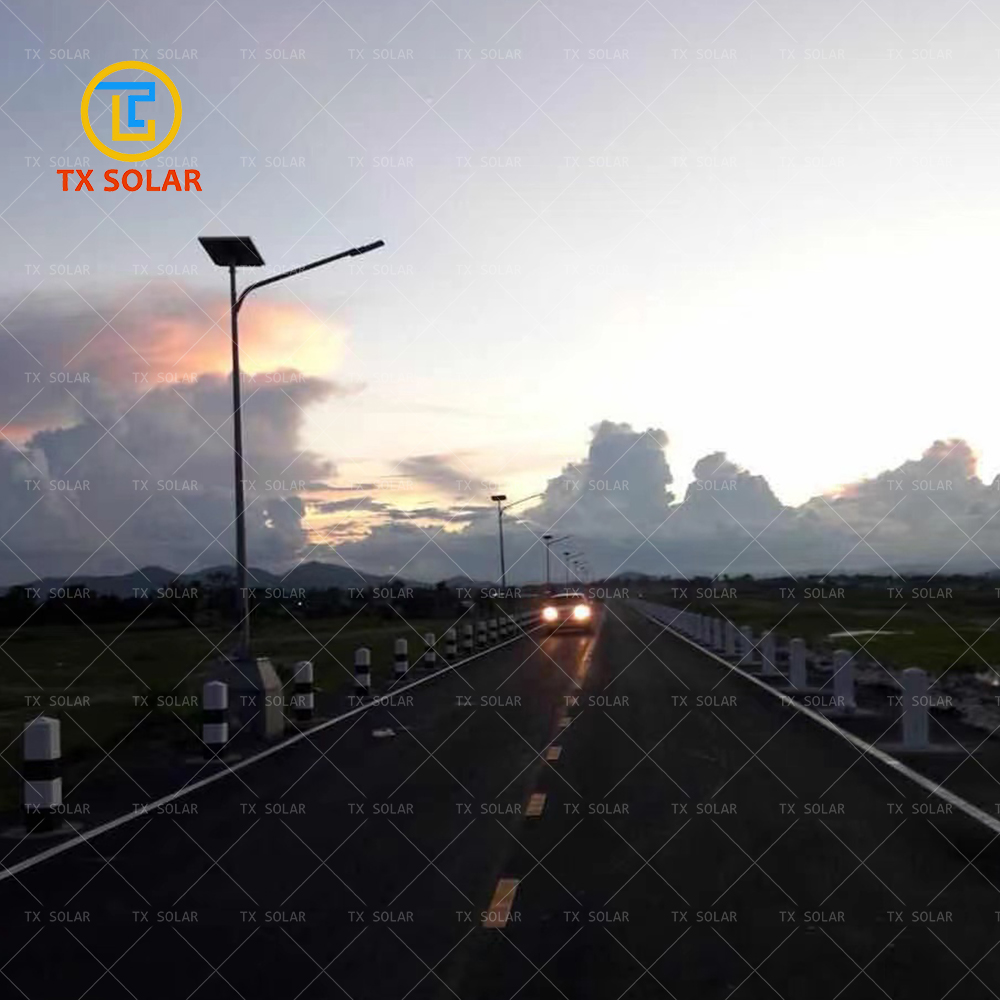
9m 80W Solar Municipal Roadway Light with Gel Battery
View Details
High-Quality Conical Octagonal Steel Highway Roadway Pole
View Details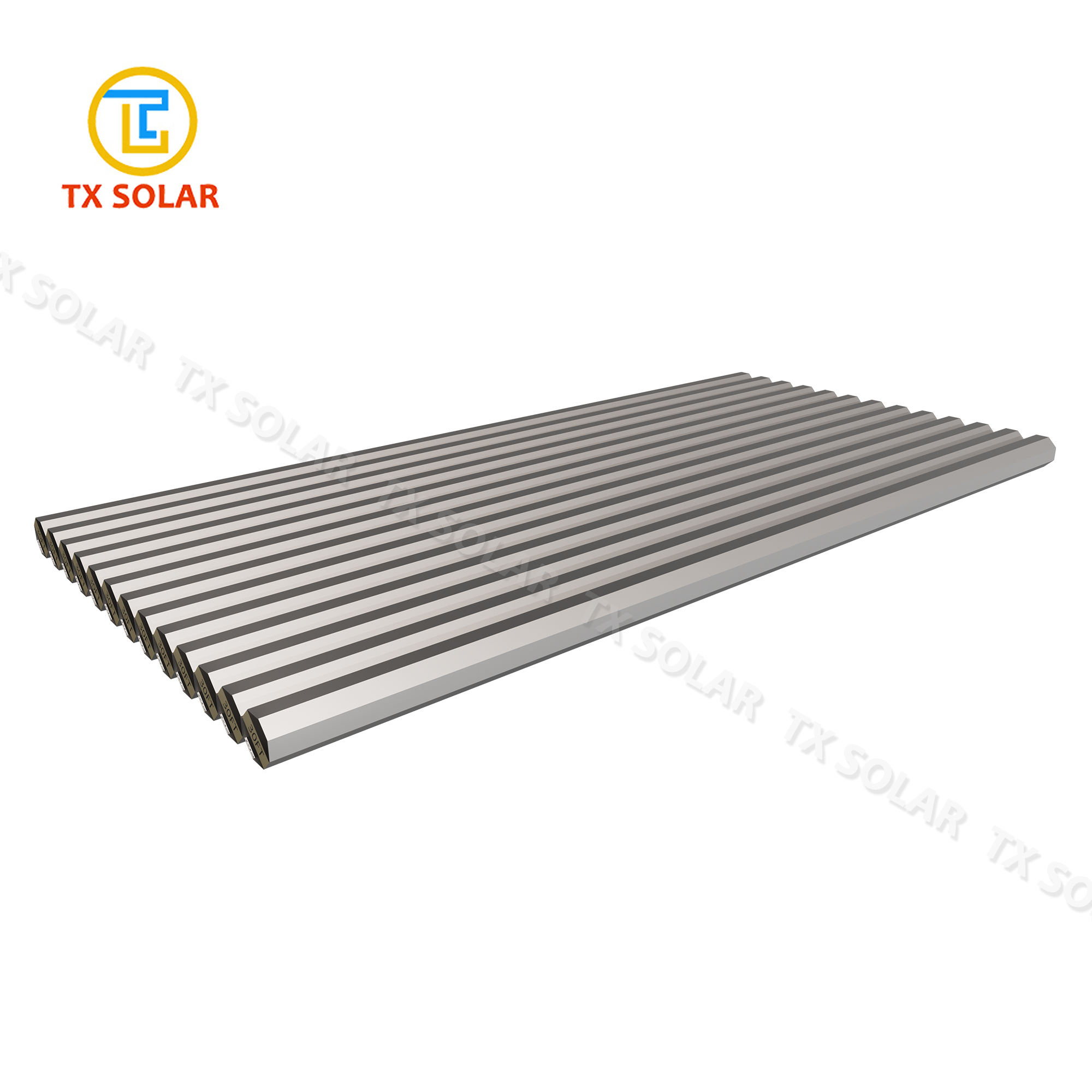
8m 9m 10m Hot-Dip Galvanized Municipal Pole
View Details
CE Certified Steel Round Galvanized LED Municipal Light Pole
View Details-

E-mail
-

Whatsapp
-

Top


