
Featured Municipal Lighting Products
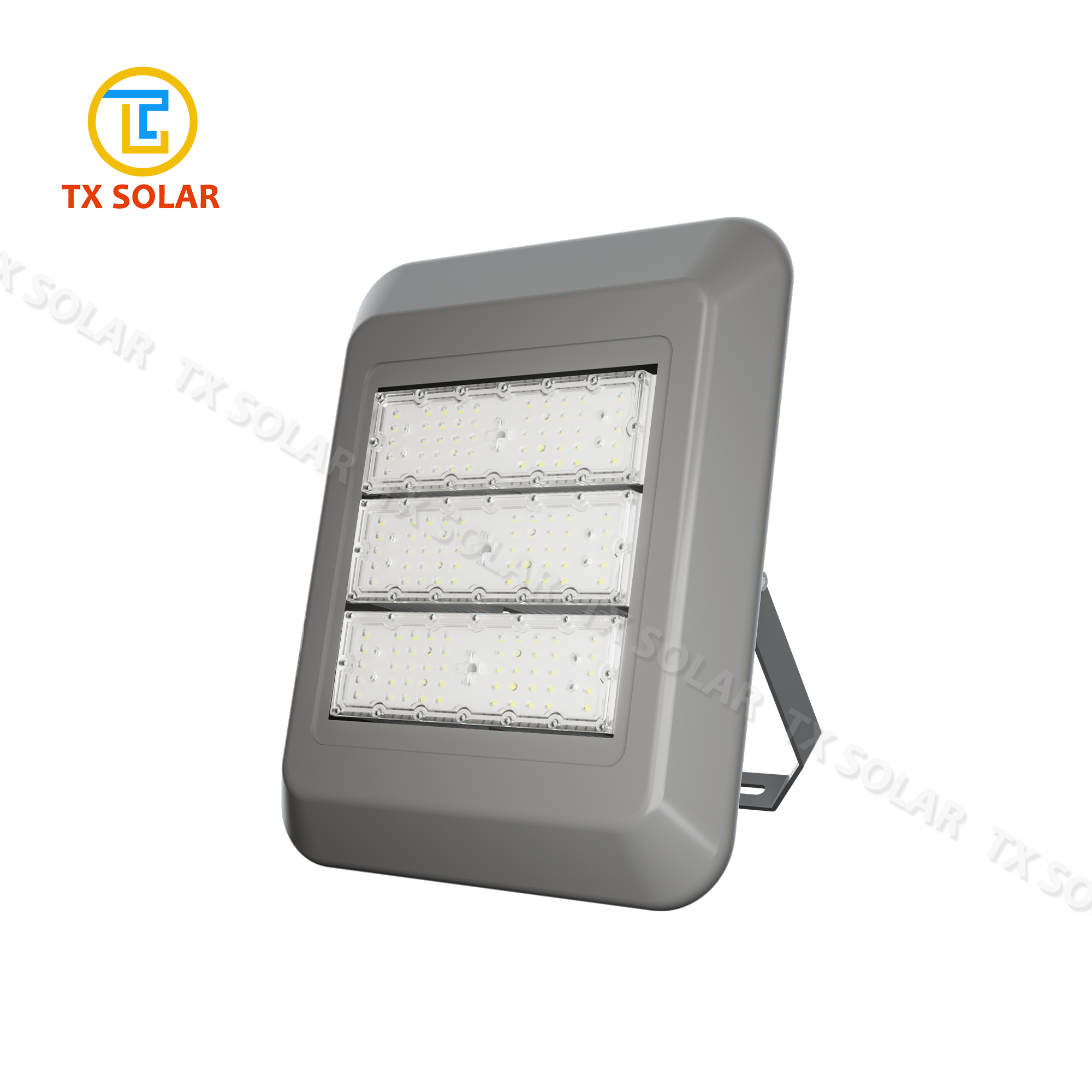
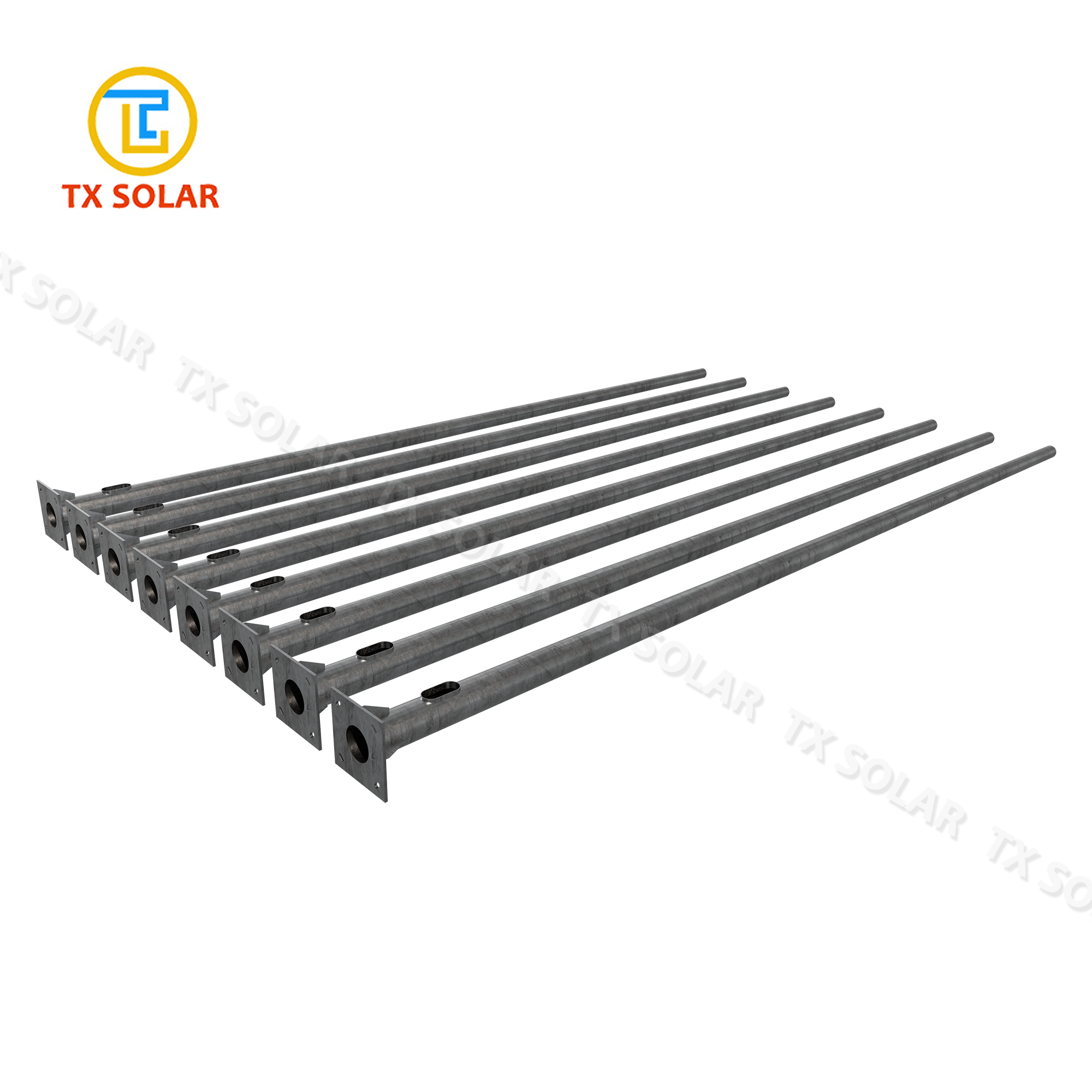
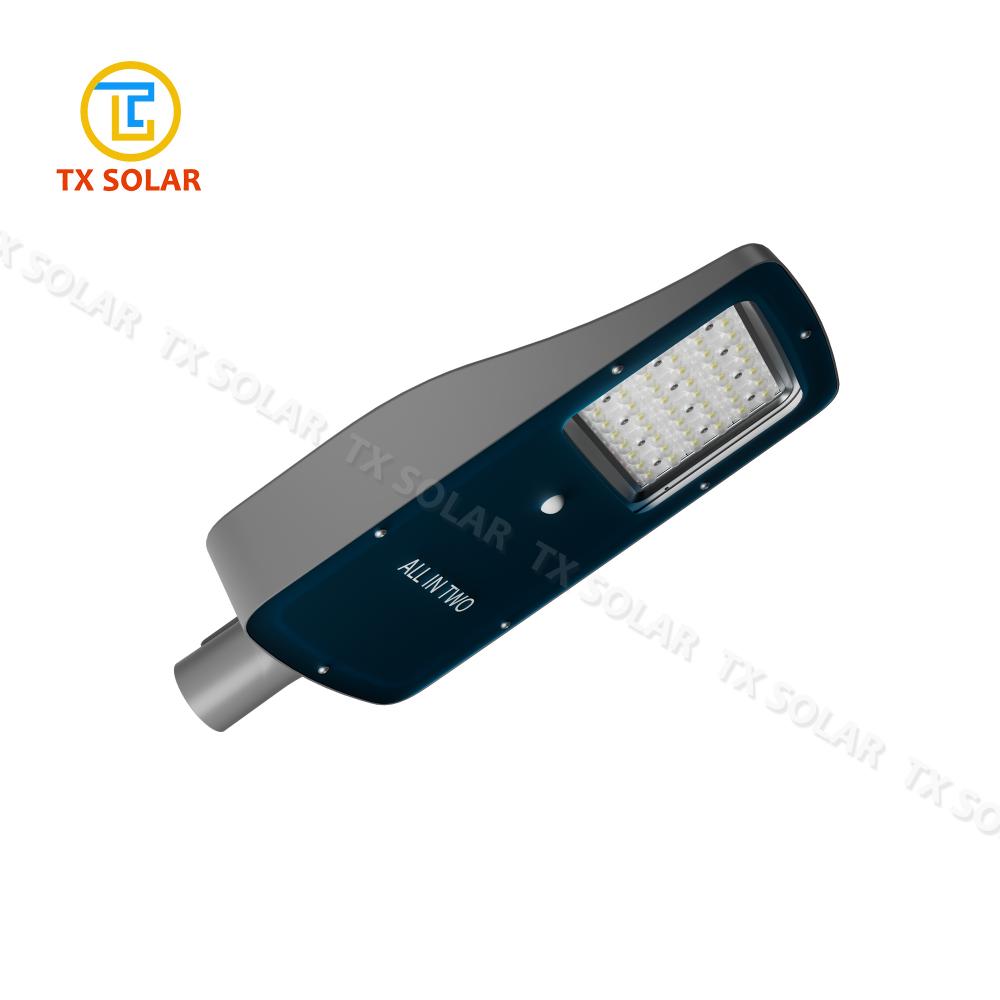
Explore our leading selection of heavy-duty LED floodlights, hot-dip galvanized poles, and solar-integrated municipal street lamps engineered for East African infrastructure.
Kenya's Urban Lighting Revolution & Infrastructure Expansion
Kenya is currently undergoing a massive infrastructural transformation. Driven by the Vision 2030 development blueprint and the progressive devolution of government functions across all 47 counties, municipal infrastructure has become a top priority. Cities like Nairobi, Mombasa, Kisumu, and Nakuru, alongside rapidly growing rural trading centers, are demanding modern, sustainable, and highly efficient outdoor lighting systems. The transition from legacy high-pressure sodium (HPS) street lamps to advanced LED municipal street lights is no longer just an environmental preference—it is a critical economic necessity.
Reliable street lighting plays a vital role in supporting Kenya's 24-hour economy. Well-lit urban centers extend business operating hours, enhance public safety, reduce crime rates, and drastically minimize traffic accidents on key highways such as the Nairobi Expressway, the Thika Superhighway, and the Mombasa-Nairobi corridor. As Kenyan municipal councils seek to optimize their utility budgets, the energy efficiency, durability, and low maintenance requirements of high-caliber LED street lighting systems make them the ultimate choice for sustainable development.
Key Insight: Transitioning to LED municipal lighting helps local county governments in Kenya reduce municipal electricity bills by up to 60%, allowing public funds to be redirected to other vital community services.
Commercial & Industrial Landscape for Street Lighting in East Africa
The industrial demand for heavy-duty lighting in Kenya stretches beyond public roads. Industrial parks along Mombasa Road, the Athi River Export Processing Zones (EPZ), and logistics hubs in Naivasha require robust, high-lumen floodlights and high-mast installations to secure large perimeters and keep round-the-clock freight operations moving. Furthermore, major transport nodes, including the Standard Gauge Railway (SGR) stations and international airports like Jomo Kenyatta International Airport (JKIA), rely heavily on hot-dip galvanized steel poles and high-power LED floodlights to maintain safe, visible operations night and day.
In addition to grid-tied lighting, solar-powered municipal lighting has emerged as a dominant trend across Kenya. With abundant solar radiation throughout the year, the Kenyan government, through the Rural Electrification and Renewable Energy Corporation (REREC), has actively promoted off-grid solar street lighting installations. This is particularly crucial for off-grid rural market centers, municipal parks, and residential estates where extending the national grid is cost-prohibitive. As a result, hybrid and all-in-two solar street lights have become standard specifications in municipal procurement tenders.
Professional Outdoor Lighting Manufacturer Since 1996
Yangzhou Tianxiang Road Lamp Equipment Co., Ltd., founded in 2008 and located in the smart Industrial Park of street lamp manufacturing base in Gaoyou City, Jiangsu Province, is a production-oriented enterprise focusing on street lamp manufacturing. The company's roots trace back to 1996, establishing over two decades of engineering excellence prior to joining the new industrial zone in 2008.
At present, we operate one of the most perfect and advanced digital production lines in the lighting industry. Up to now, our factory has remained at the forefront of the industry in terms of production capacity, competitive pricing, stringent quality control, and international qualifications. With a cumulative number of lights illuminated exceeding 1,700,000 across Africa, Southeast Asia, South America, and other global regions, Tianxiang has become the preferred product supplier and partner for municipal projects and engineering companies worldwide.
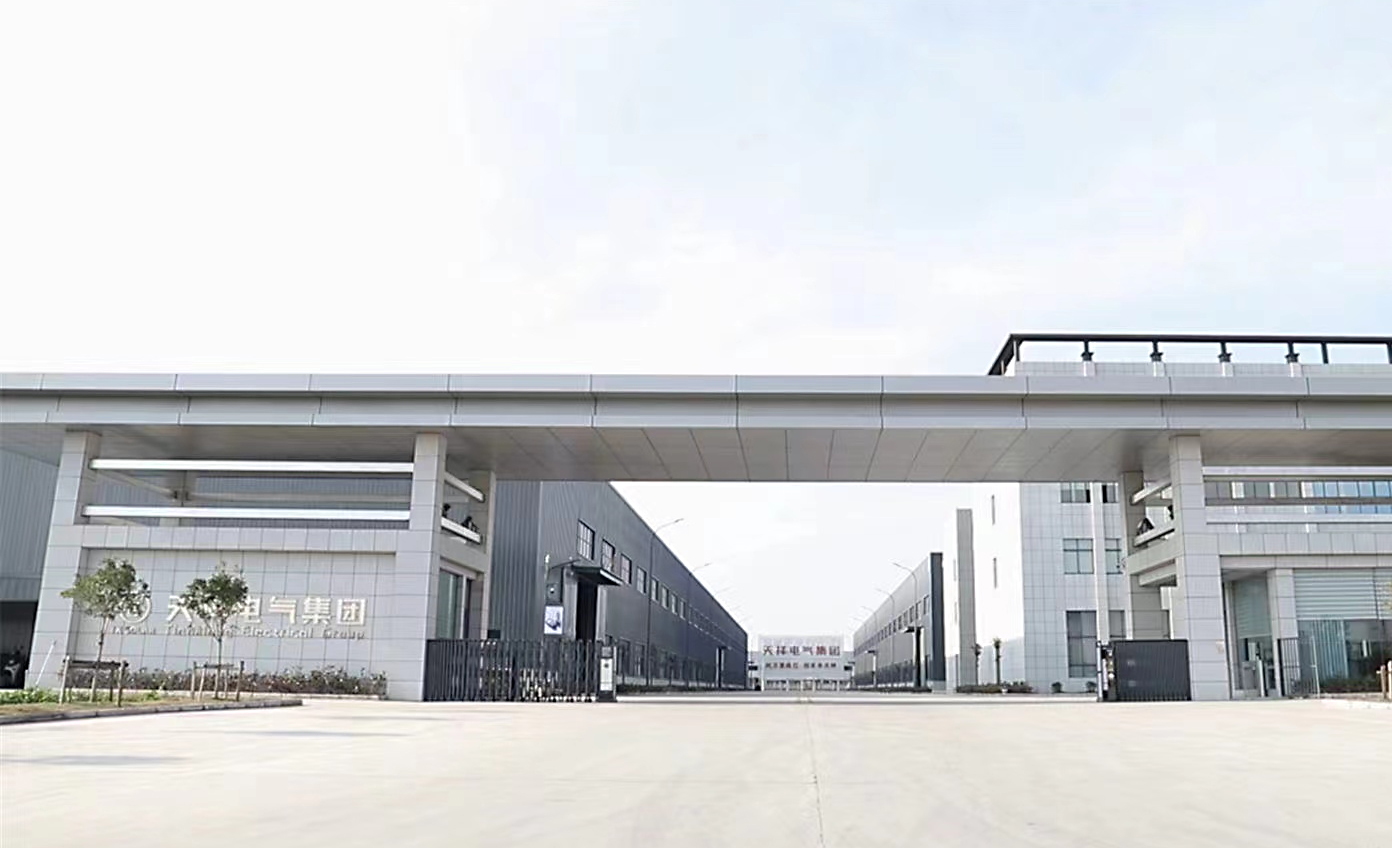
What We Have: Production Power & Expertise
To deliver exceptional quality and comply with international municipal standards, Yangzhou Tianxiang Road Lamp Equipment Co., Ltd. relies on a highly skilled, specialized team and advanced digital production tools. Our human resource capacity includes:
• Over 200 dedicated production and operations staff.
• 12 specialized R&D personnel focused on smart solar & LED innovations.
• 16 experienced structural and electrical engineers.
• 4 strict Quality Control (QC) officers monitoring every step of fabrication.
• 16 international trade department professionals assisting overseas clients.
• 12 domestic sales specialists managing regional projects.
Our self-owned workshops cover solar panel manufacturing, specialized lithium solar batteries, and structural steel pole fabrication. This complete vertical integration guarantees that every component of our municipal street light systems—from the LED light source and solar module to the hot-dip galvanized steel pole—is engineered to work in perfect harmony.
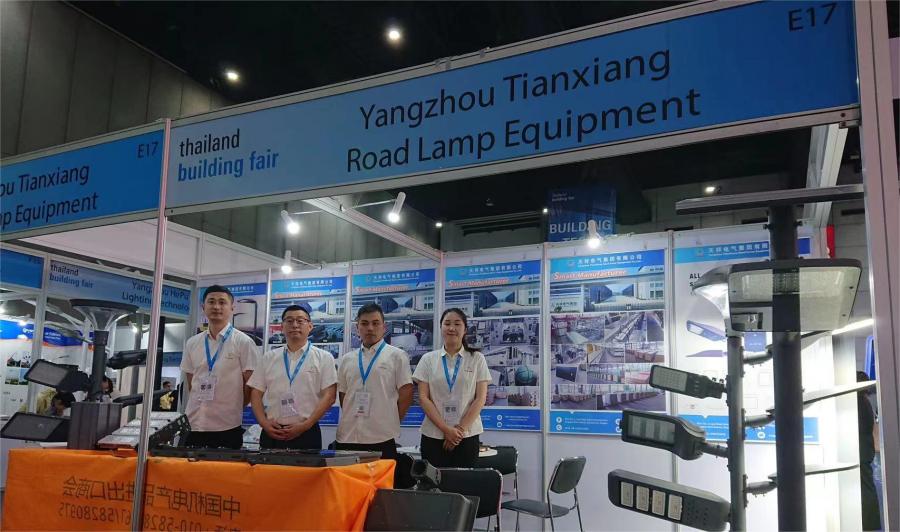
Key Trends Shaping the Street Lighting Industry in Kenya
As Kenya moves forward with smart city initiatives like the Konza Technopolis, the requirements for municipal street lights are evolving rapidly. Several key trends are defining the future of outdoor lighting in East Africa:
1. Smart Lighting & IoT Integration: Modern municipal installations are shifting toward intelligent street lights equipped with Central Management Systems (CMS). By utilizing LoRaWAN or cellular networks, municipal operators in cities like Nairobi can remotely monitor energy consumption, dim lights during low-traffic hours, and receive real-time alerts when a fixture requires maintenance. This reduces operational overhead and enhances service reliability.
2. Extreme Durability & Weather Resistance: Kenya's diverse geography presents unique environmental challenges. Coastal regions like Mombasa, Malindi, and Lamu feature high humidity and corrosive salt air that can quickly degrade low-quality metal poles and electronic housings. Consequently, hot-dip galvanized poles (conforming to ISO 1461 standards) and IP66/IP67 rated LED luminaires are mandatory to guarantee a service life of over 20 years without rust or component failure.
3. Solar-Hybrid and Decentralized Systems: Given the high cost of grid expansion in remote areas, municipal planners are turning to solar-hybrid systems. These systems utilize solar power during normal operations but can seamlessly switch to the grid or high-capacity lithium batteries (LiFePO4) during extended periods of overcast weather, ensuring uninterrupted public safety.
Localized Application Scenarios in Kenya
Understanding the specific environments where municipal lighting is deployed helps in selecting the right product configuration. Here are the primary localized application scenarios across Kenya:
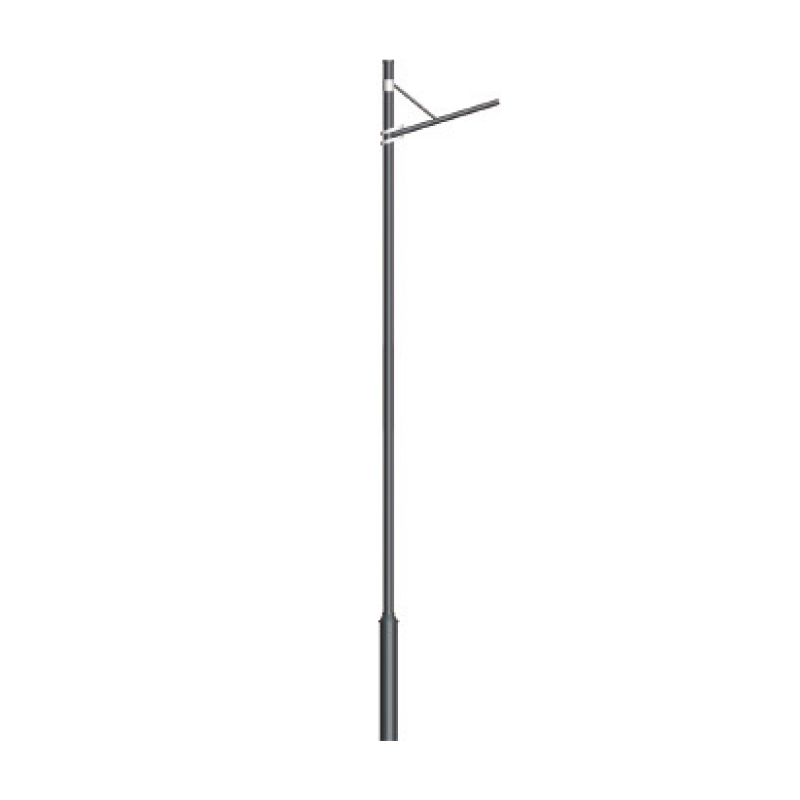
• Urban Arterial Roads & Highways: High-speed traffic routes like the Thika Superhighway require high-power LED street lights (150W to 300W) mounted on 10m to 12m double-arm hot-dip galvanized steel poles. These setups provide uniform lux distribution, minimize glare, and ensure driver safety at night.
• Coastal Cities & Ports: In Mombasa and Kisumu port areas, municipal lighting must withstand salty air and high humidity. Single-arm or double-arm hot-dip galvanized poles with marine-grade protective powder coatings are paired with IP66 LED fixtures to resist rust and dust ingress.
• Rural Markets & Off-Grid Towns: For county governments lighting up rural markets to promote the 24-hour economy, 60W to 100W All-in-Two solar street lights mounted on 8m galvanized poles provide a self-sustaining, zero-utility-cost solution that can be installed quickly without trenching or cabling.
• Public Squares, Airports & Sports Arenas: High-mast polygonal poles (15m to 30m) equipped with adjustable high-power LED flood lights (300W and above) are ideal for illuminating large open spaces like the JKIA airport runways, municipal football fields, and public transport terminals.
Enterprise Culture
At Yangzhou Tianxiang, our core values guide our engineering practices, quality control, and long-term partnerships with municipal developers across Kenya and worldwide.


Our Mission
Continuous improvement, technological innovation, and the pursuit of 100% customer satisfaction across all global municipal projects.


Our Vision
To be the world's leading brand in renewable energy and energy efficient municipal outdoor lighting.


Our Value
Open, harmonious, pragmatic and innovative, delivering reliable infrastructure solutions for sustainable city development.
Major Events of the Enterprise
A timeline of growth, innovation, and global expansion in the municipal and outdoor lighting industry.
Key Considerations for Municipal Street Light Tenders in Kenya
When engineering companies and municipal procurement officers in Kenya evaluate lighting suppliers, several technical details must be considered to ensure long-term performance and minimize maintenance overhead:
1. Hot-Dip Galvanization Quality: All steel poles must undergo hot-dip galvanization according to international standards (such as ASTM A123 or ISO 1461). This process coats both the interior and exterior of the pole with a protective zinc layer. In humid Kenyan coastal cities like Mombasa, this zinc barrier is the primary defense against rust. The pole lifespan should easily exceed 25 years under normal conditions.
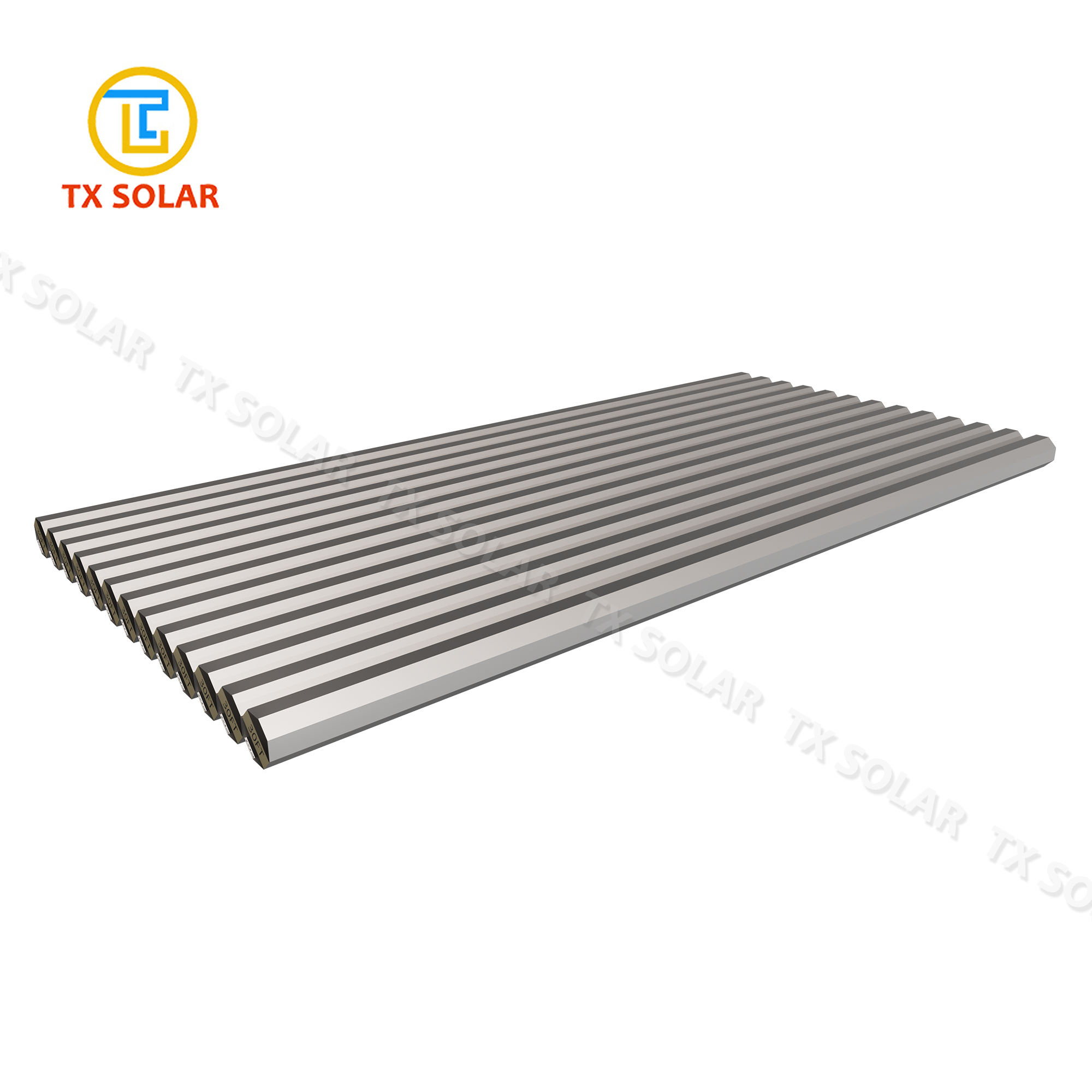
2. Wind Load and Structural Design: Kenya's geography includes open savannahs and highland areas prone to strong wind gusts. Lighting poles must be structurally calculated to withstand local wind loads. Octagonal or polygonal tapered poles offer superior wind resistance compared to simple circular pipes, making them safer for installation along busy public roads.
3. Battery Chemistry for Solar Street Lights: Traditional solar installations used lead-acid or gel batteries, which have a short lifespan and are prone to theft when buried underground. Modern municipal projects specify Lithium Iron Phosphate (LiFePO4) batteries. These batteries offer over 2,000 charge-discharge cycles, perform well under high temperatures, and can be integrated directly onto the pole bracket or behind the solar panel, reducing theft risks and installation complexity.
4. Optical Distribution and Lux Levels: Proper street lighting requires asymmetric light distribution (typically Type II or Type III optics) to focus light along the roadway rather than spilling it into adjacent properties. High-quality LED chips (such as Philips, Osram, or Cree) coupled with precision lenses ensure maximum energy efficiency and visual comfort for drivers and pedestrians.
What You Get with Tianxiang: We maintain a powerful R&D and engineering team to offer customized structural calculations, dialux lighting simulations, and comprehensive technical support. By manufacturing our own solar panels, lithium batteries, and steel poles in-house, we ensure full quality control and competitive pricing for Kenyan municipal projects.
Complete Product Portfolio
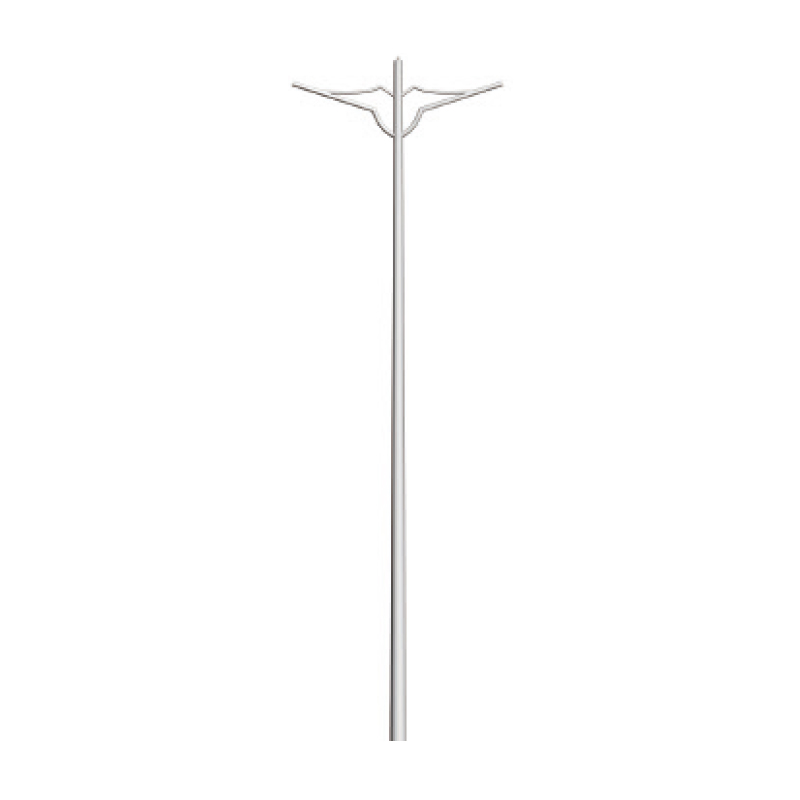
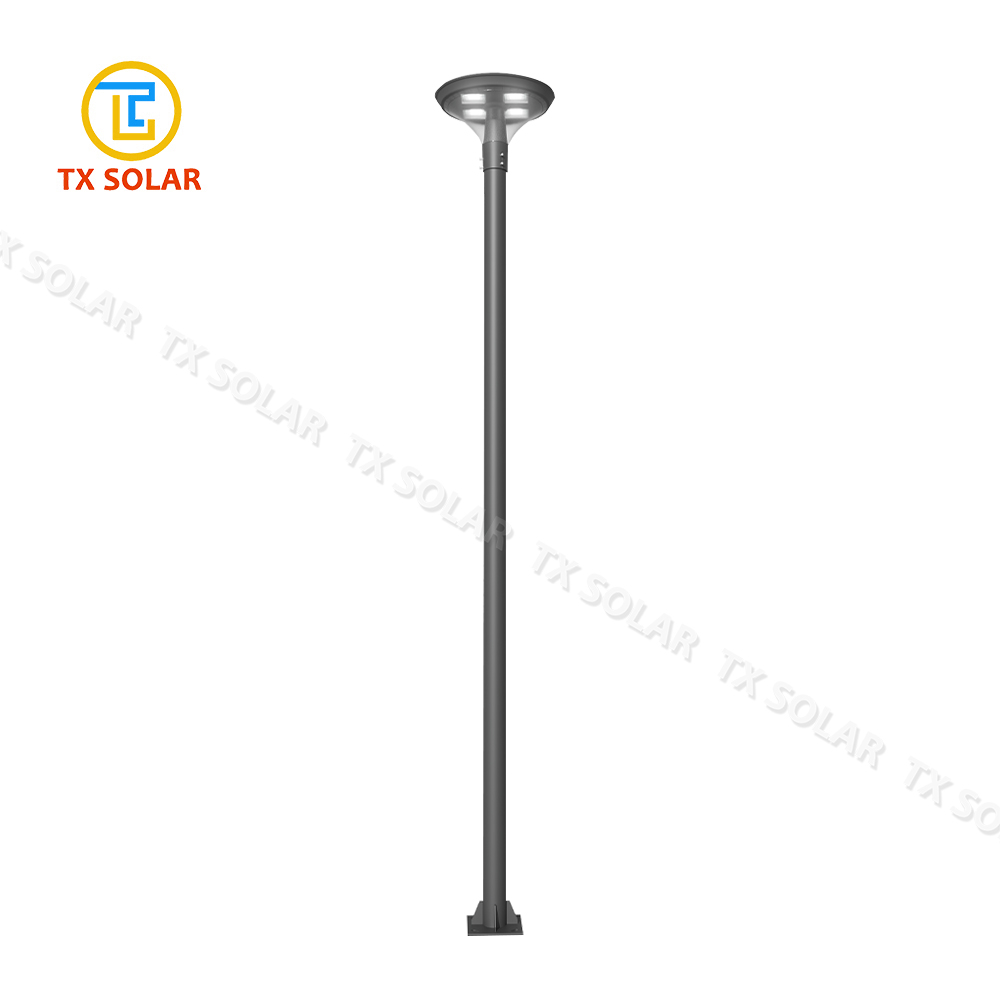
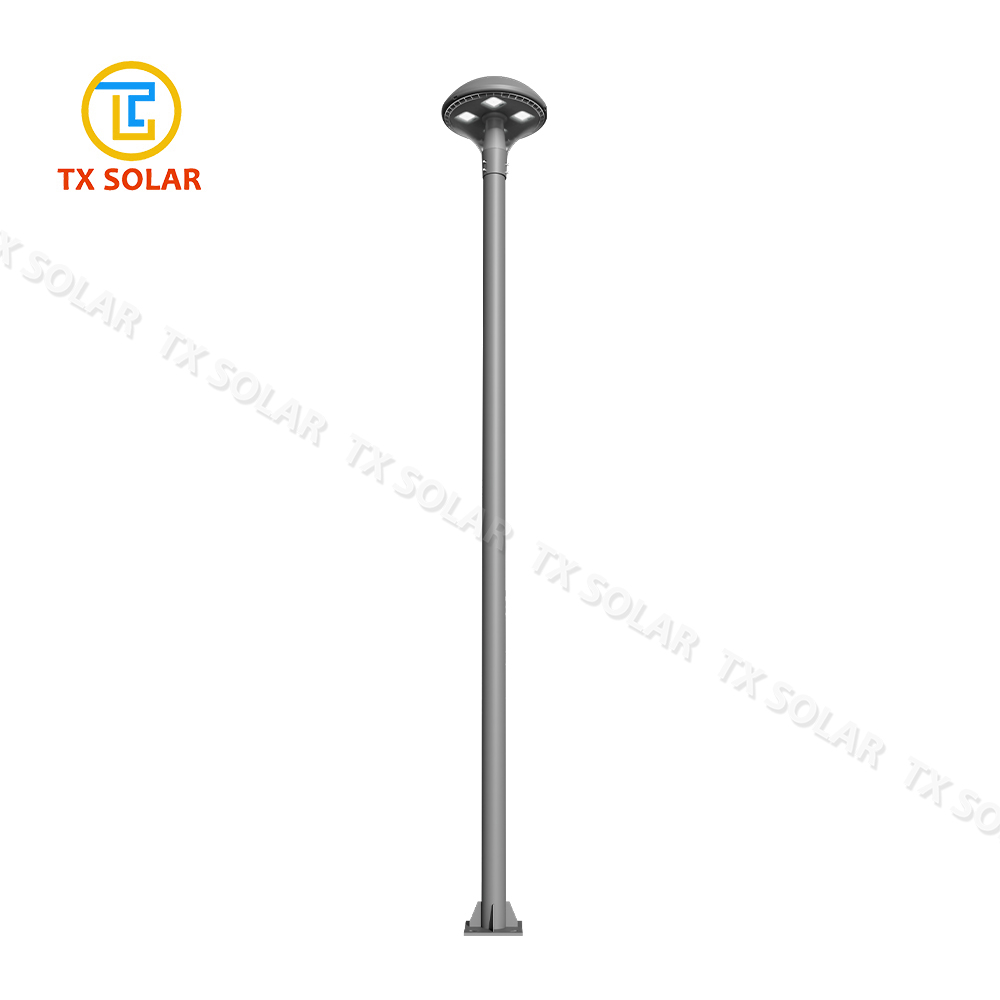
Browse our complete range of municipal lighting solutions, including high-mast poles, solar garden lights, landscape illumination, and heavy-duty galvanized structural poles.
-

E-mail
-

Whatsapp
-

Top


