
Featured Smart IoT Street Lighting Systems
Thailand's Transition to IoT-Enabled Solar Street Lighting
Thailand is undergoing a monumental energy transition. Under the framework of the "Thailand 4.0" national initiative, the Royal Thai Government is actively steering the country toward a digital, value-based, and green economy. Crucial to this transformation is the development of Smart Cities. Urban centers such as Bangkok, Chiang Mai, Phuket, and Chonburi are rapidly updating their public infrastructure to cut carbon footprints, improve public safety, and reduce municipal energy bills. Among these upgrades, IoT (Internet of Things) Solar Street Lights have emerged as a vital technology.
By combining high-efficiency solar photovoltaic panels, long-lasting lithium batteries (LiFePO4), and intelligent IoT controllers, these street lights do far more than illuminate the night. They form a connected network that can be monitored and managed remotely in real time. For Thailand's tropical climate—characterized by intense sunlight but also challenging monsoon seasons with extended rainy periods—IoT solar street lighting offers the perfect solution. It guarantees continuous operation while allowing municipal operators to adjust brightness levels based on real-time weather forecasts or traffic patterns.
How IoT Technology Optimizes Solar Street Lighting in Thailand
Traditional solar street lights function independently, operating on simple timers or basic light-sensing triggers. While functional, they lack adaptability. IoT solar street lights, however, integrate modern communication modules like NB-IoT (Narrowband IoT), LoRaWAN, or Zigbee. In Thailand, where telecommunication giants like AIS and True have deployed robust nationwide NB-IoT networks, smart street lighting has become highly feasible and cost-effective.
Through a centralized management software platform, operators can monitor critical parameters of every single light pole across a city or industrial estate:
- Battery State of Charge (SoC): Live tracking of battery levels prevents deep discharges, significantly extending the lifespan of lithium batteries in hot climates.
- Fault Detection: The system automatically alerts maintenance crews of lamp failures, battery degradation, or solar panel shading, reducing operational costs by up to 50%.
- Adaptive Dimming: Lights can be dimmed during low-traffic hours (e.g., from 1:00 AM to 5:00 AM) or brightened dynamically if motion sensors detect pedestrians or vehicles.
- Environmental Sensing: Many IoT solar street lights in Bangkok are now being upgraded with PM2.5 air quality sensors, temperature gauges, and noise level monitors, turning standard light poles into multi-functional smart city nodes.
Who We Are: Yangzhou Tianxiang Road Lamp
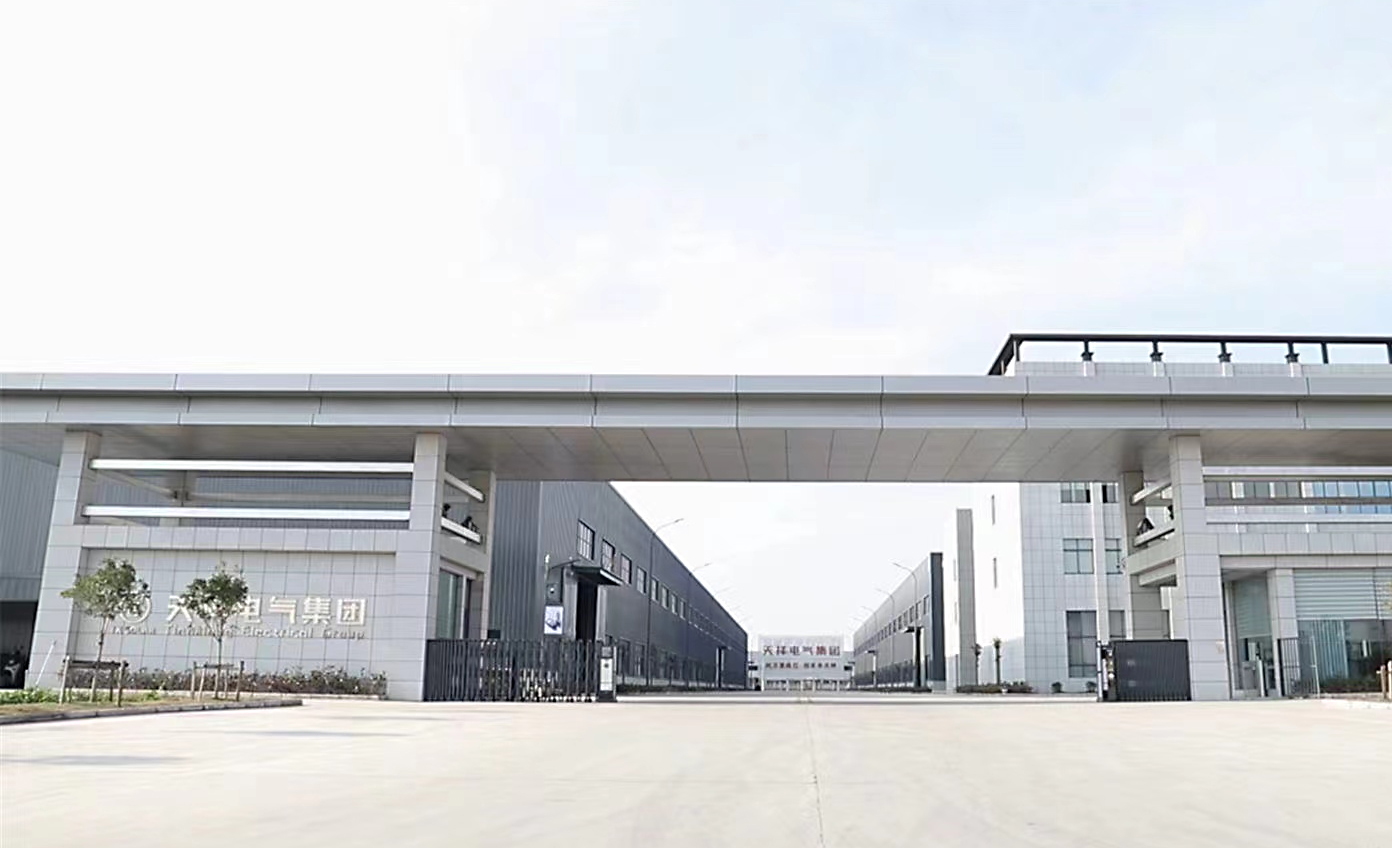
Yangzhou Tianxiang Road Lamp Equipment Co., Ltd., founded in 2008 and located in the smart Industrial Park of street lamp manufacturing base in Gaoyou City, Jiangsu Province, is a production-oriented enterprise focusing on street lamp manufacturing. At present, it has the most perfect and advanced digital production line in the industry.
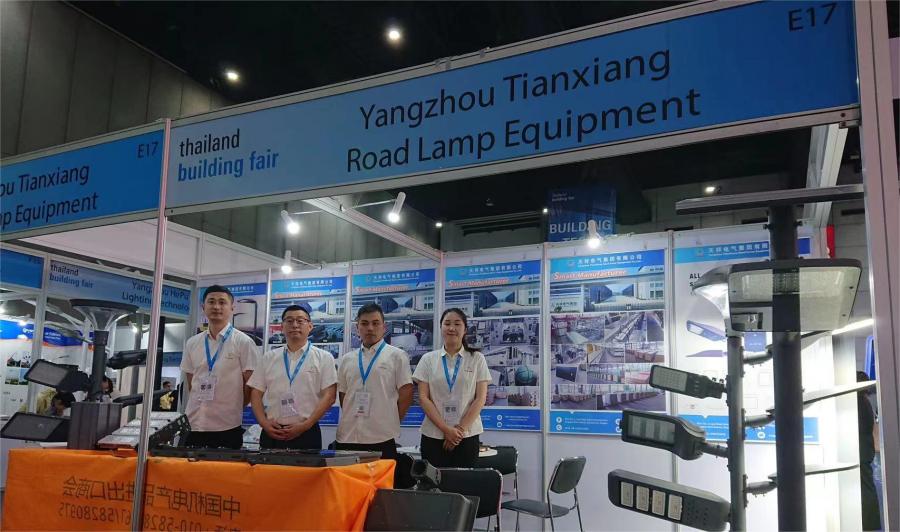
Up to now, the factory has been at the forefront of the industry in terms of production capacity, price, quality control, qualification, and other competitiveness. With a cumulative number of lights on exceeding 1,700,000, we have established a dominant market share in Southeast Asia, Africa, and South America. We have become the preferred product supplier for major municipal projects and engineering companies both in China and internationally, including key infrastructure developments in Thailand.
Our Production & Engineering Capabilities
The company was established in 1996 and joined the new smart industrial zone in 2008. Today, we boast a highly skilled workforce dedicated to delivering top-tier smart lighting solutions. Our team consists of more than 200 people, including 12 dedicated R&D personnel, 16 experienced structural and electrical engineers, 4 strict QC specialists, and a robust international trade department of 16 people alongside a domestic sales team of 12 people.
This deep engineering expertise allows us to customize IoT street lighting systems specifically for the requirements of Thai buyers. Whether it is designing poles that can withstand the coastal winds of southern Thailand or configuring IoT controllers to seamlessly connect with local telecommunication networks, our team provides end-to-end technical support.
Localized Application Scenarios in Thailand
IoT Solar Street Lights are highly versatile and fit perfectly into several key sectors across Thailand:
1. Smart Industrial Estates (EEC Zone): Industrial parks in Rayong, Chonburi, and Chachoengsao are under pressure to adopt green manufacturing standards. Installing IoT solar lights along their internal roads reduces grid dependency and showcases a commitment to sustainability, helping them attract international tenants.
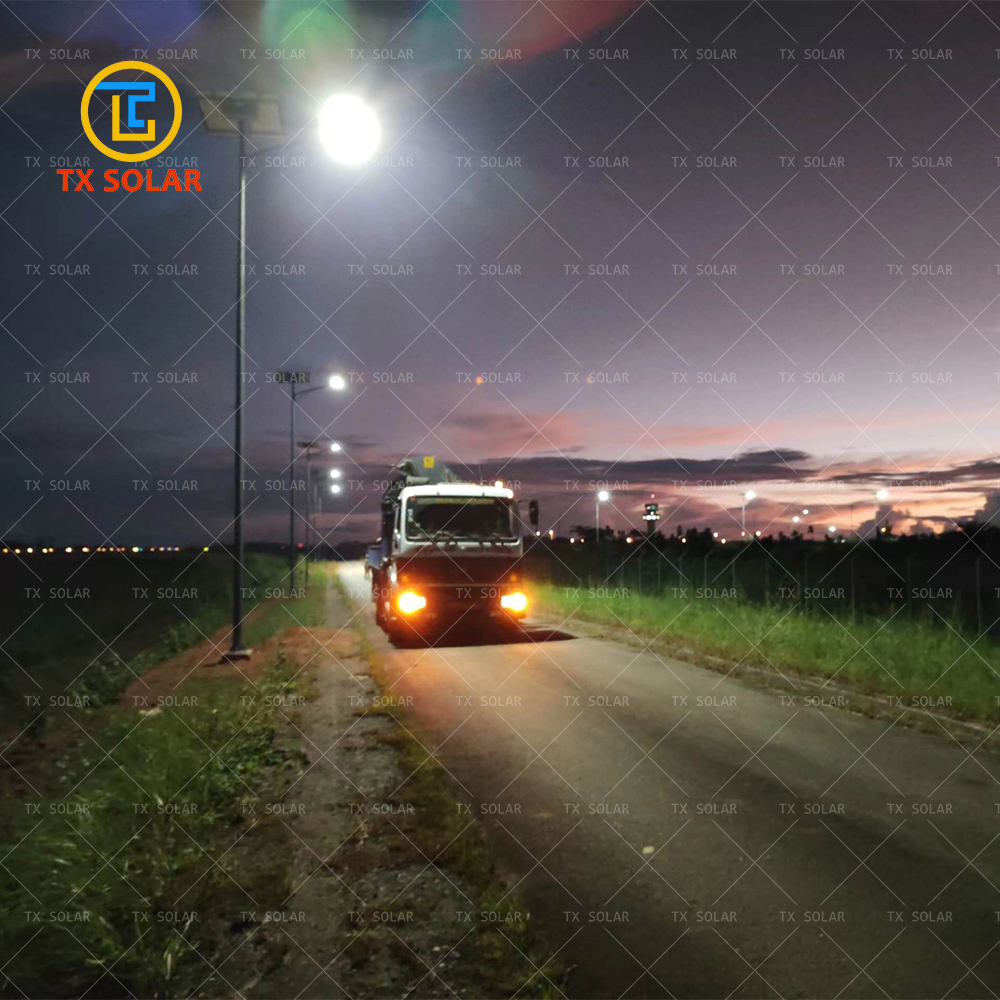
2. Municipal Roads and Highways: Thailand's Department of Highways is continuously looking for ways to improve night-time visibility on rural roads without the prohibitive cost of extending grid lines. Solar street lights with IoT functionality provide high-intensity LED illumination, while the remote monitoring system ensures that any lamp failure is immediately flagged for replacement, keeping roads safe.
3. Coastal Resorts and Island Communities: Islands like Koh Samui, Koh Phangan, and Phuket rely heavily on tourism. Standard grid power on these islands can be unstable and expensive. IoT solar street lights offer a reliable, grid-independent source of light that doesn't disrupt the natural environment. The smart dimming feature helps preserve the night-sky aesthetics while saving stored solar energy.
Our Enterprise Culture
-


Our Mission
Continuous improvement, technological innovation, and the pursuit of 100% customer satisfaction.
-


Our Vision
To be the world's leading brand in renewable energy and energy efficient lighting.
-


Our Value
Open, harmonious, pragmatic and innovative.
Why Choose Tianxiang as Your IoT Solar Street Light Supplier in Thailand
Partnering with a reliable manufacturer is crucial for the success of any public utility project. Yangzhou Tianxiang offers distinct advantages that set us apart from standard suppliers:
- Fully Integrated Manufacturing: Unlike trading companies, we own our solar panel, lithium battery, and lighting pole workshops. This complete control over the supply chain ensures consistent quality, faster lead times, and highly competitive pricing.
- Advanced Waterproofing & Durability: Thailand's monsoon seasons bring heavy rains and high humidity. Our street lights feature IP65 and IP68 ratings, with anti-corrosion hot-dip galvanized poles that withstand harsh tropical conditions.
- Customized IoT Solutions: We offer flexible IoT configurations. Whether your project requires Zigbee for a localized park network or NB-IoT for a city-wide deployment, our engineers can program the controllers and customize the software interface to meet your specific needs.
- Proven Southeast Asian Track Record: Having installed thousands of lights across Southeast Asia, we understand the local logistics, customs procedures, and technical standards required for smooth project execution in Thailand.
Explore Our Complete Product Catalog
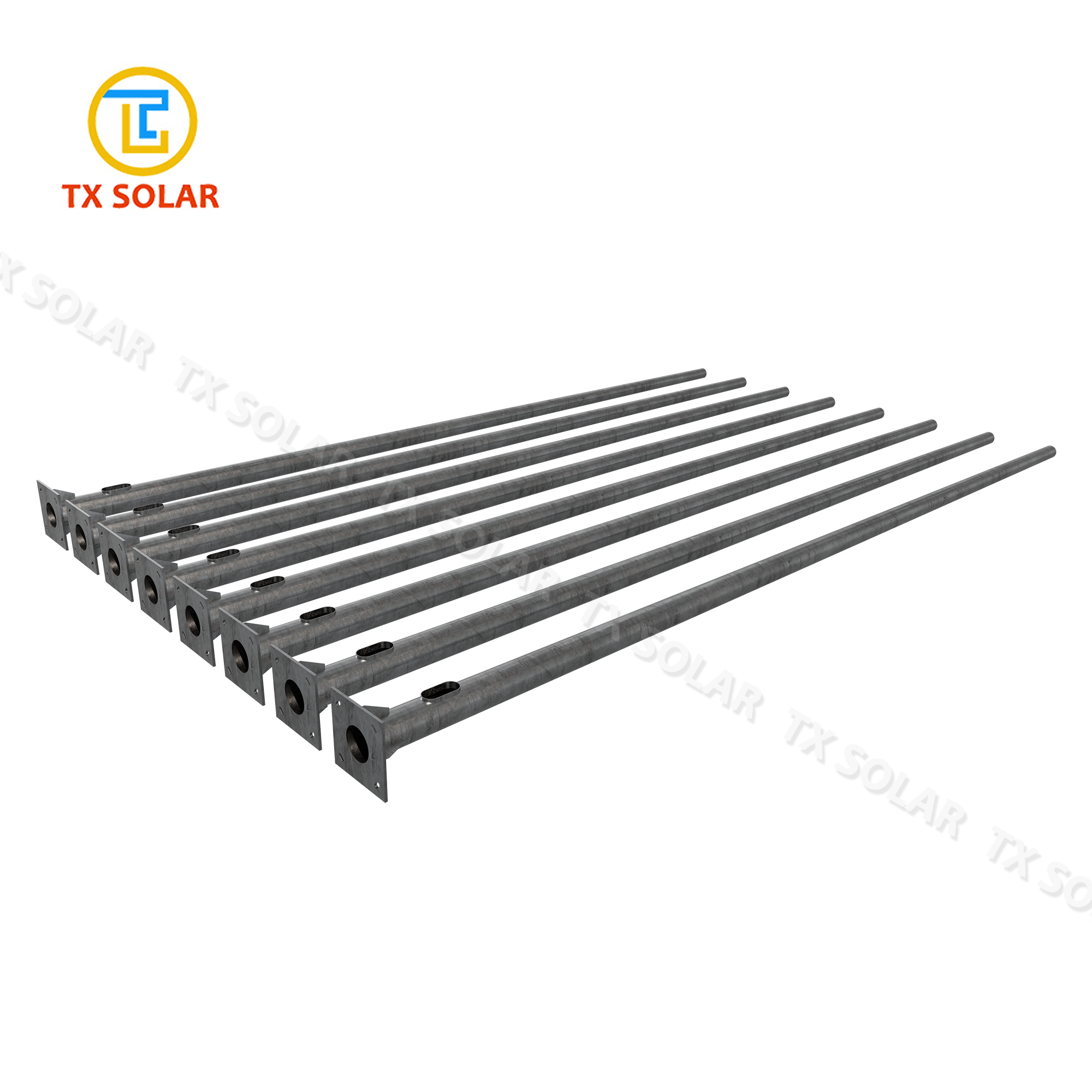
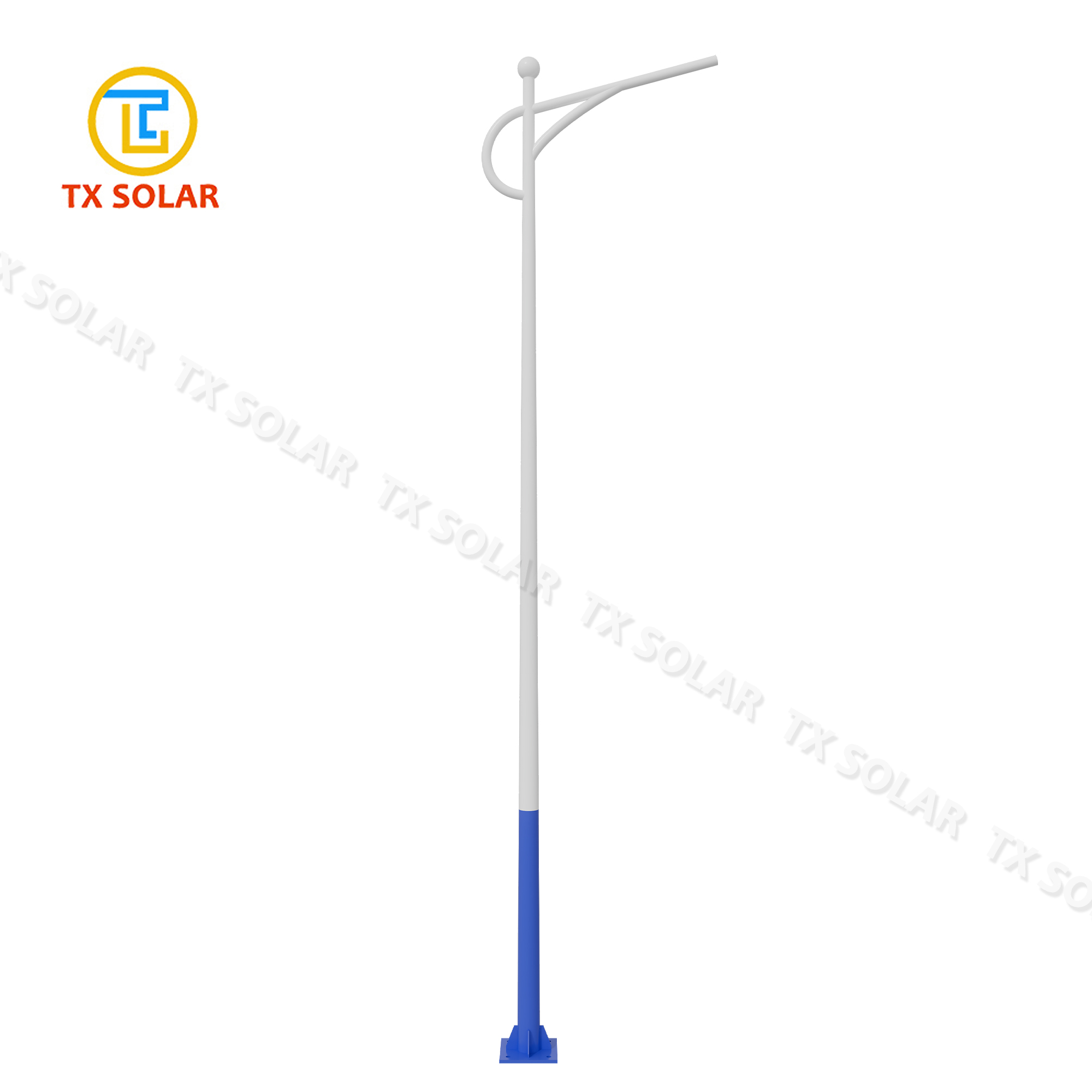
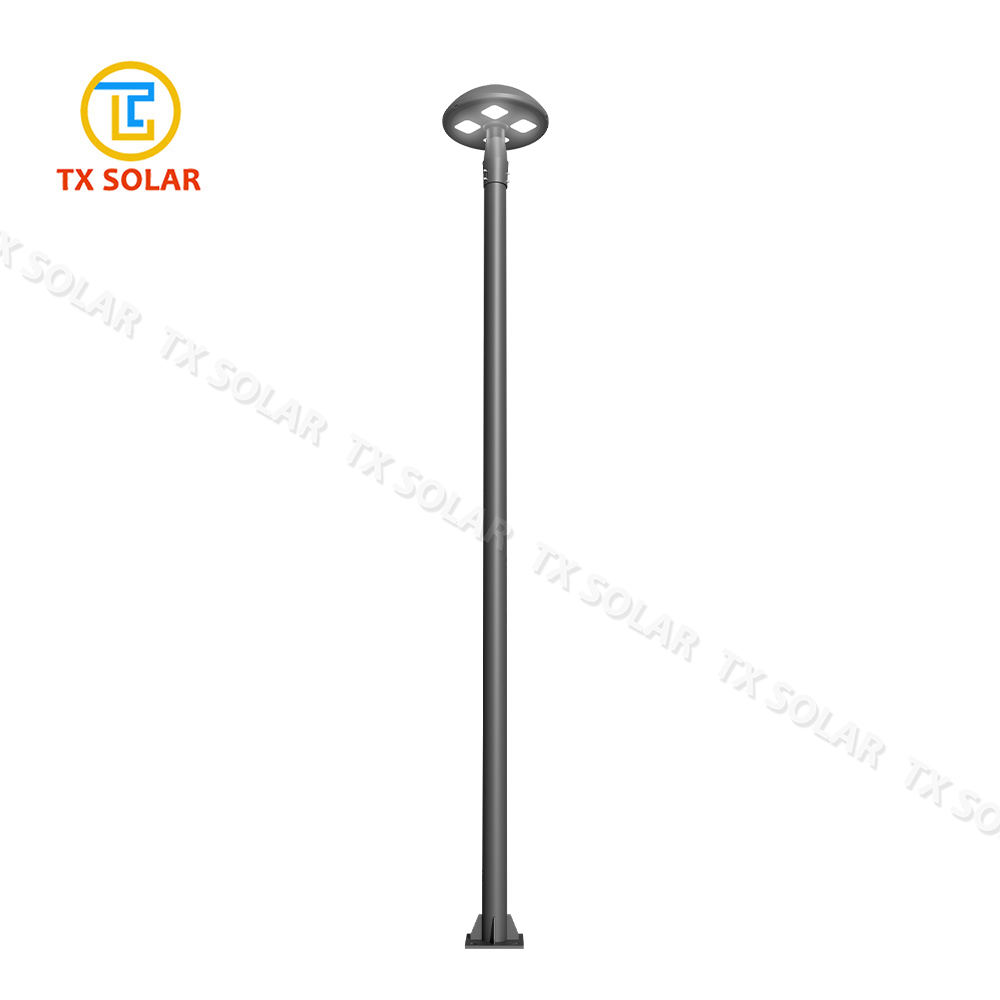
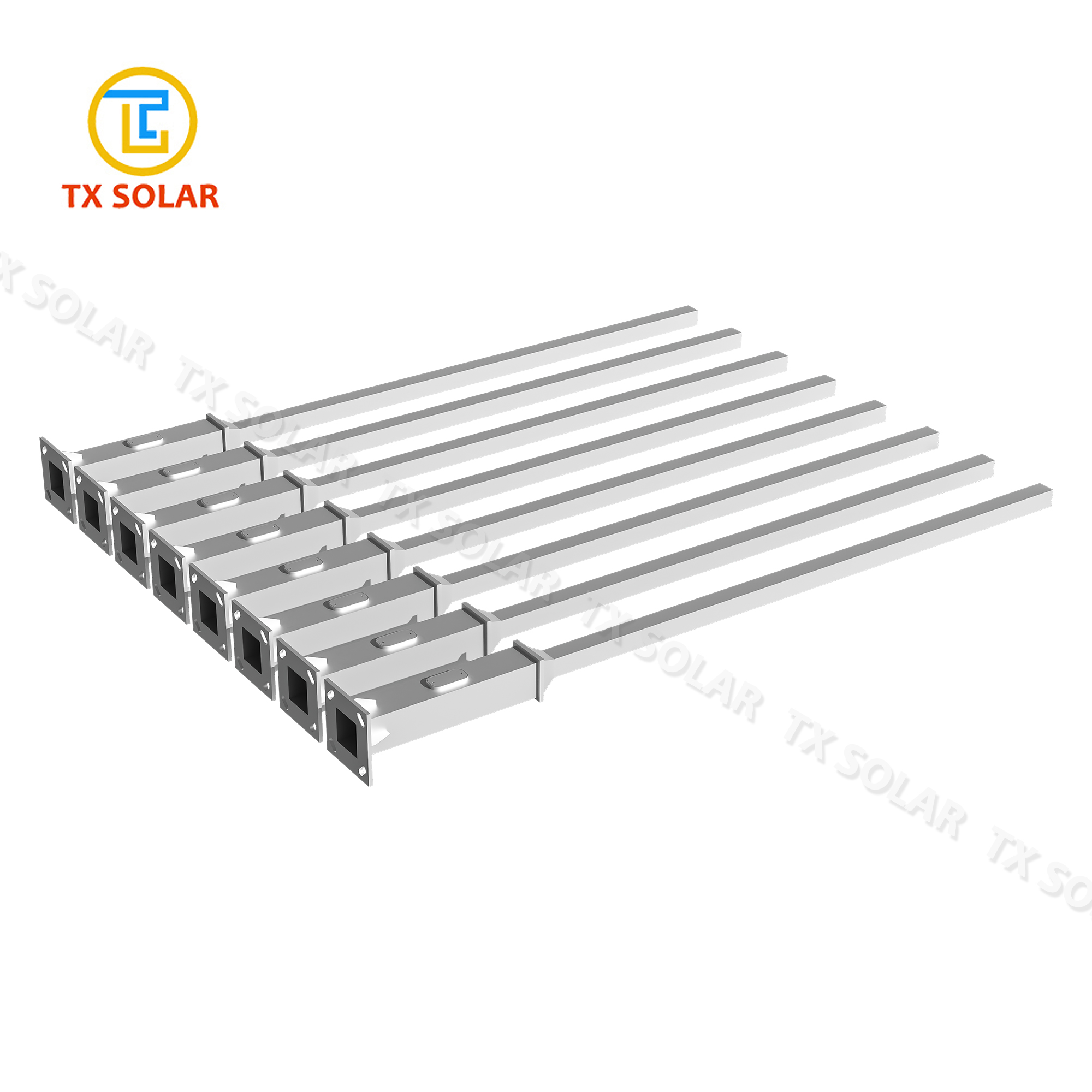
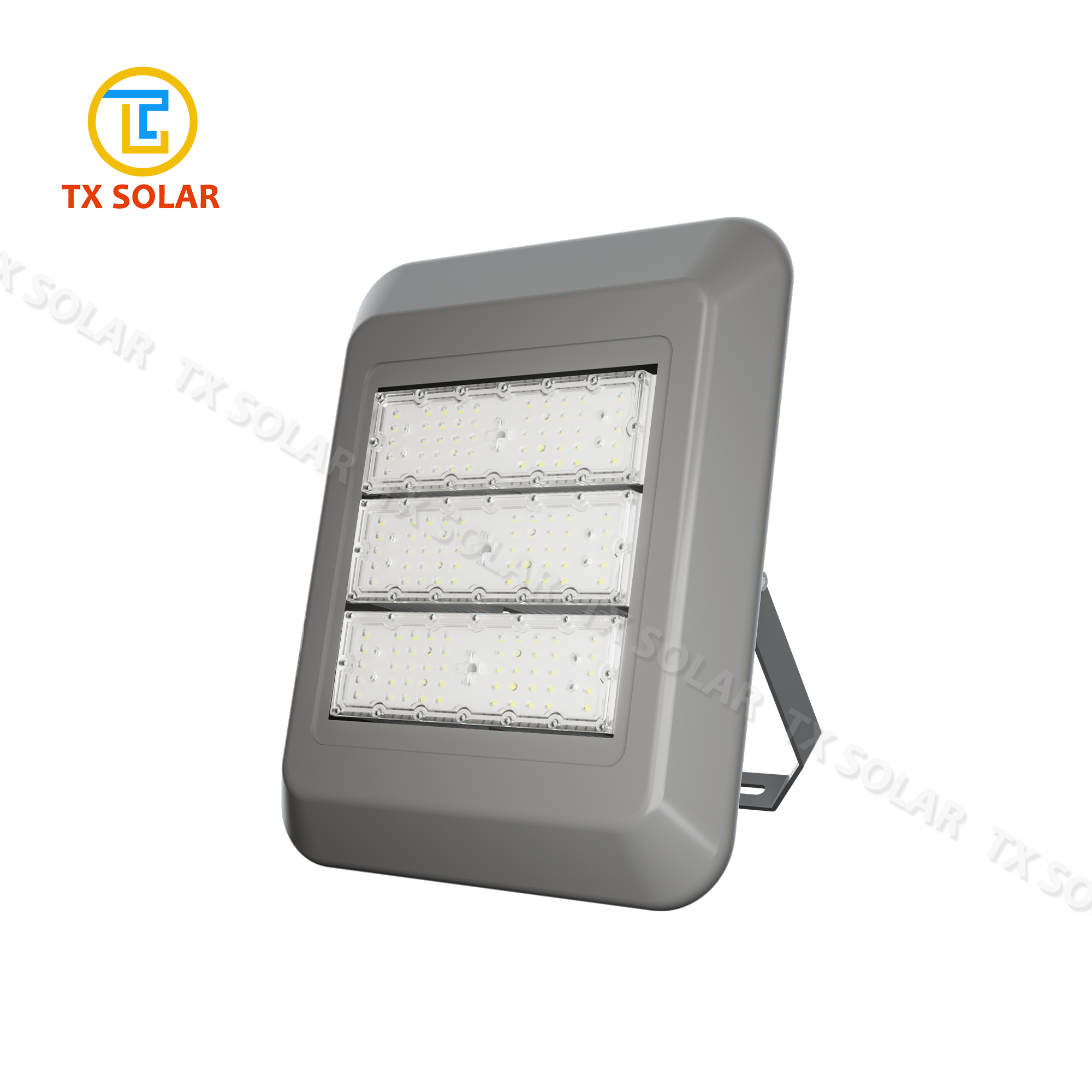
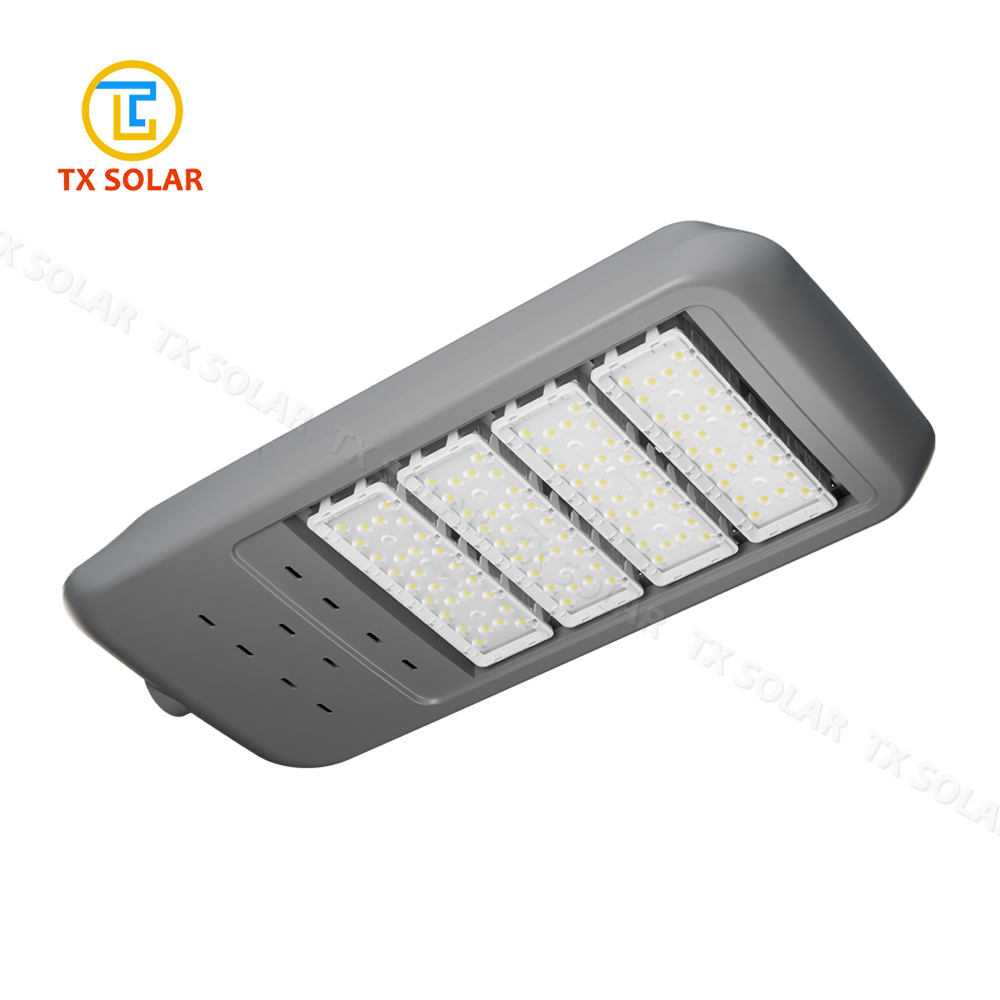
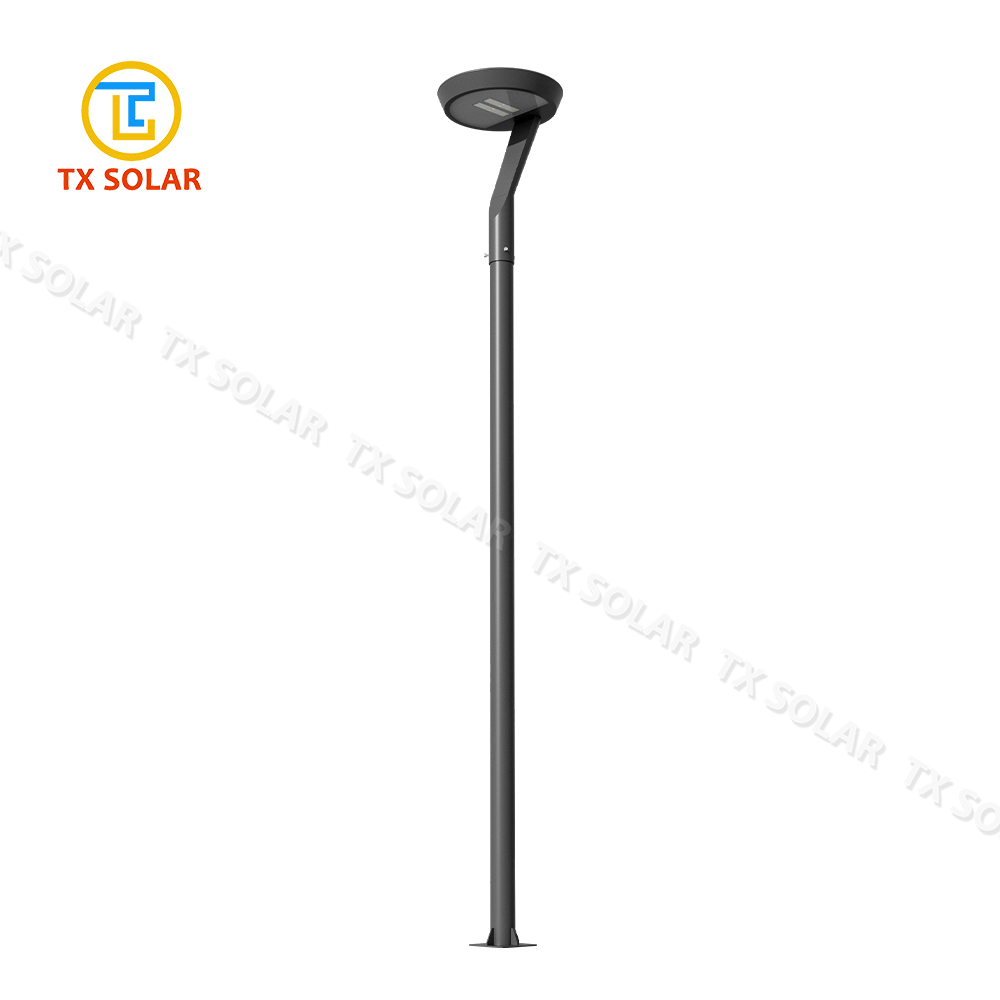
We provide a comprehensive range of outdoor lighting products, from heavy-duty galvanized poles to state-of-the-art integrated lithium battery solar street lights.
-

E-mail
-

Whatsapp
-

Top


