
Featured Industrial Park Infrastructure Solutions
Why Hexagonal Poles Are Becoming The Standard For Industrial Parks And Factories
In the rapidly transforming landscape of global manufacturing and heavy industry, standard infrastructure is undergoing an unprecedented modernization. The shift toward Industry 4.0, advanced automation, and eco-sustainable manufacturing hubs has fundamentally altered the demands placed on physical infrastructure. Among these developments, the integration of specialized hexagonal poles for industrial parks and factories stands out as a critical evolution in structural engineering and spatial utility.
Unlike traditional round steel columns or square tubing, the hexagonal profile offers a mathematically optimized balance between material efficiency, structural integrity, and multi-directional equipment integration. Industrial zones are no longer just places of manufacturing; they are highly interconnected, data-driven ecosystems. Consequently, utility poles must do far more than support high-pressure sodium street lamps. They must function as structural backbones for high-definition surveillance networks, environmental sensors, 5G wireless repeaters, and localized renewable power configurations.
Hexagonal cross-sections offer a 15% increase in torsional rigidity compared to standard round poles of equivalent weight. This structural stiffness is vital to prevent camera shake in high-accuracy AI surveillance systems and to handle the continuous aerodynamic drag from mounted solar modules and micro-wind turbines.
Commercial and Industrial Landscape: The Smart Zone Evolution
Modern industrial parks are scaling vertically and horizontally, necessitating sophisticated facility management frameworks. High-tech manufacturing centers require 24/7 security monitoring, precise logistical control, and low-latency internal communications. By utilizing hexagonal poles, facility operators can deploy modular smart networks along roadways, shipping docks, and perimeter fences.
Financially, the implementation of hexagonal poles represents a strategic long-term capital expenditure (CAPEX) reduction. The six flat surfaces of the hexagonal shape allow for standard bracket designs to be mounted securely without the need for custom curved collars or expensive welding work on-site. This modularity reduces installation labor costs by up to 30%, while offering an aesthetically clean, futuristic look that aligns with the corporate branding of modern tech-focused industrial estates.
Deep-Dive Application Scenarios
1. Automated Logistics & AGV Routing Corridors: Inside modern logistics hubs, Autonomous Guided Vehicles (AGVs) and automated forklifts require continuous line-of-sight data links. Hexagonal poles installed at regular intervals act as hosts for wireless access points, LiDAR scanners, and traffic management indicators. The rigidity of the pole ensures that laser guidance grids remain perfectly calibrated.
2. High-Risk Zone Perimeter Security: Chemical plants, refineries, and heavy manufacturing facilities require robust perimeter security. Hexagonal poles can support thermal cameras, long-range acoustic devices (LRADs), and optical sensors simultaneously. Each flat face of the hexagon can point in a distinct cardinal direction, ensuring complete 360-degree coverage without blind spots.
3. Environmental Compliance & Monitoring: With strict global ESG (Environmental, Social, and Governance) regulations, industrial parks must monitor air quality, noise levels, and wastewater runoff parameters. Hexagonal poles are equipped with sensor nodes that collect environmental data in real-time, transmitting it directly to municipal control centers or factory operations dashboards.
Technological Trends: Material Advancements & Corrosion Protection
In harsh industrial environments, longevity is paramount. Chemical emissions, sulfurous gases, and coastal humidity can severely corrode standard structural steel within a few years. Leading manufacturers utilize high-tensile Q235 steel, which undergoes a rigorous hot-dip galvanization process conforming to ISO 1461 standards.
The hot-dip galvanization process creates a multi-layered zinc-iron alloy coating that chemically bonds with the steel substrate. This barrier provides cathodic protection, meaning that even if the outer layer is scratched, the surrounding zinc will prioritize corroding over the structural steel underneath. For high-end industrial zones, this is followed by an electrostatic powder coating process, which adds a secondary layer of UV protection and allows color customization to match the factory's architectural identity.
Future Integration: Edge Computing and the Grid-Independent Factory
As we look toward the future, the integration of edge computing nodes directly inside the base of hexagonal poles is gaining traction. The hollow core of a hexagonal pole acts as a natural ventilation chimney, allowing heat dissipated by internal servers or fiber optic splice boxes to rise and escape through top-mounted vents. This thermal management capability is crucial for running localized AI algorithms that analyze security footage or optimize traffic flows on-site without overloading central servers.
Furthermore, the push for net-zero carbon emissions has led to the adoption of grid-independent or micro-grid lighting systems. Hexagonal poles are uniquely suited for this, as their flat faces make it easy to mount vertical solar panels (wrap-around PV modules) that capture sunlight from multiple angles throughout the day, ensuring continuous power generation even in overcast conditions.
Yangzhou Tianxiang Road Lamp Equipment Co., Ltd.
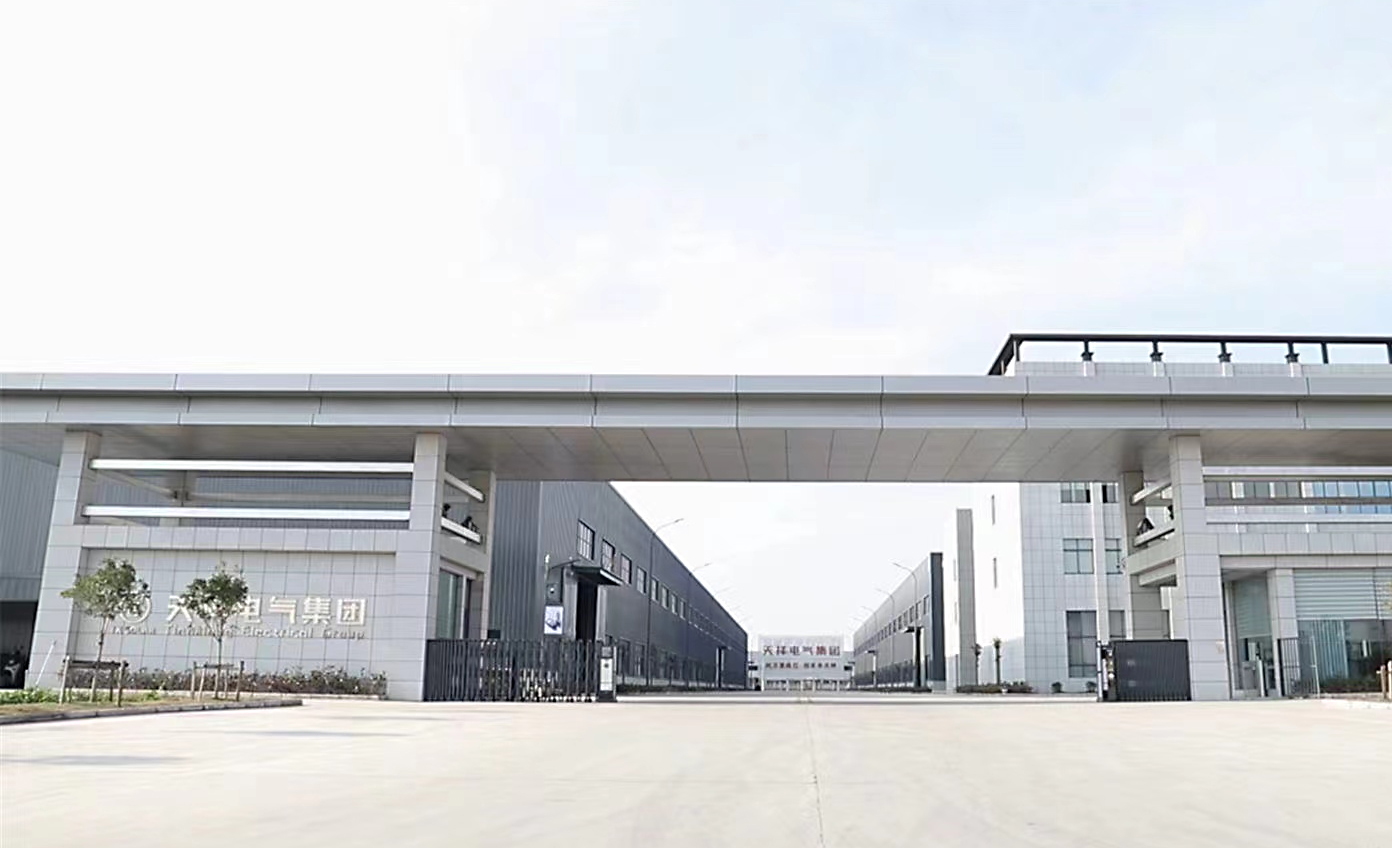
Founded in 2008 and located in the smart Industrial Park of street lamp manufacturing base in Gaoyou City, Jiangsu Province, we are a production-oriented enterprise focusing on high-quality street lamp manufacturing. At present, our factory features the most perfect and advanced digital production line in the industry.
Up to now, the factory has been at the forefront of the industry in terms of production capacity, price, quality control, and technical qualification. With a cumulative number of lights illuminating more than 1,700,000 locations across Africa, Southeast Asia, South America, and other global regions, we have become the preferred product supplier for major municipal projects and engineering companies worldwide.
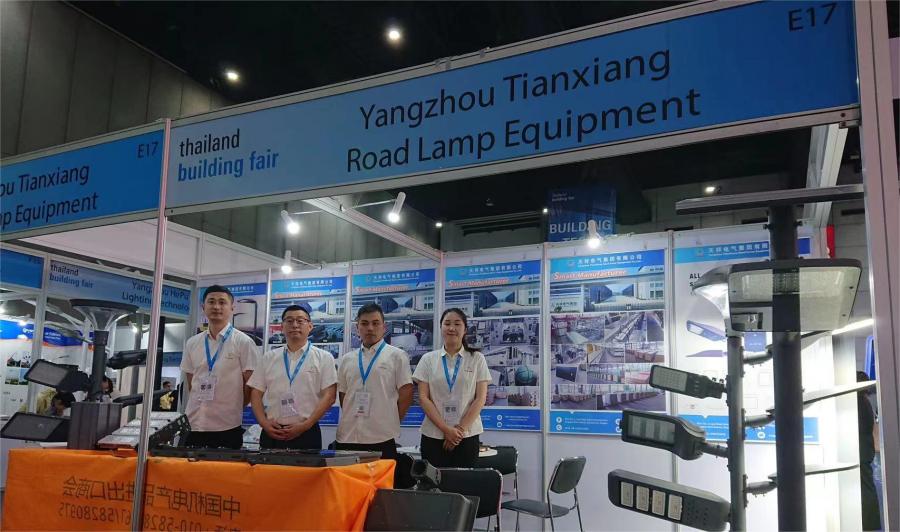
Our dedicated team of over 200 professionals, including R&D specialists, engineers, and QC experts.
Human Resource Strength
Established in 1996 and operating in our new industrial zone since 2008, our team consists of more than 200 people, including 12 dedicated R&D personnel, 16 senior engineers, and 4 strict Quality Control (QC) officers.
Global Trade & Sales Network
Our international trade department consists of 16 professional trade managers, supported by a domestic sales department of 12 specialists, ensuring seamless project delivery and technical support globally.
Our Core Culture & Values

Our Mission
Continuous improvement, technological innovation, and the pursuit of 100% customer satisfaction.

Our Vision
To be the world's leading brand in renewable energy and energy efficient lighting systems.

Our Value
Open, harmonious, pragmatic, and continuously innovative in all manufacturing practices.
What You Get With Tianxiang
We have a powerful R&D and engineering team that offers exceptional products and comprehensive technical support. By owning our solar panel, solar battery, and steel pole manufacturing workshops, we guarantee quality control at every stage of production.
Our Complete Industrial Pole & Lighting Catalog
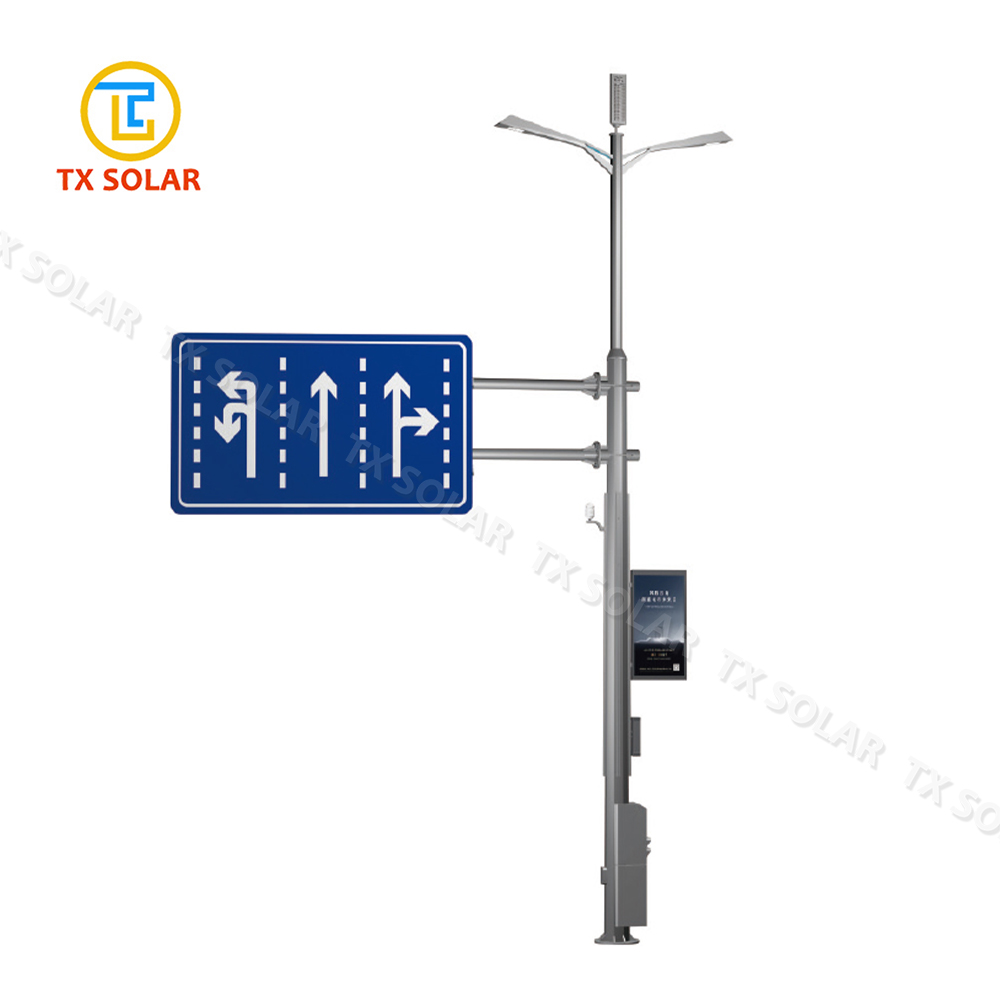
Multifunctional Intelligent Hexagonal Lamp Pole
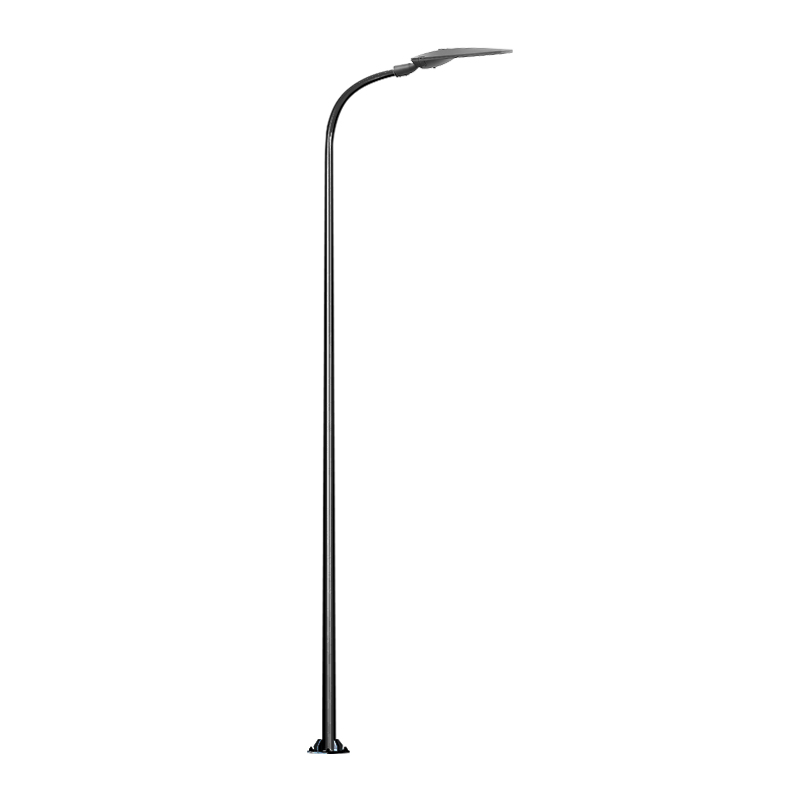
Single Arm Galvanized Hexagonal Street Light Pole
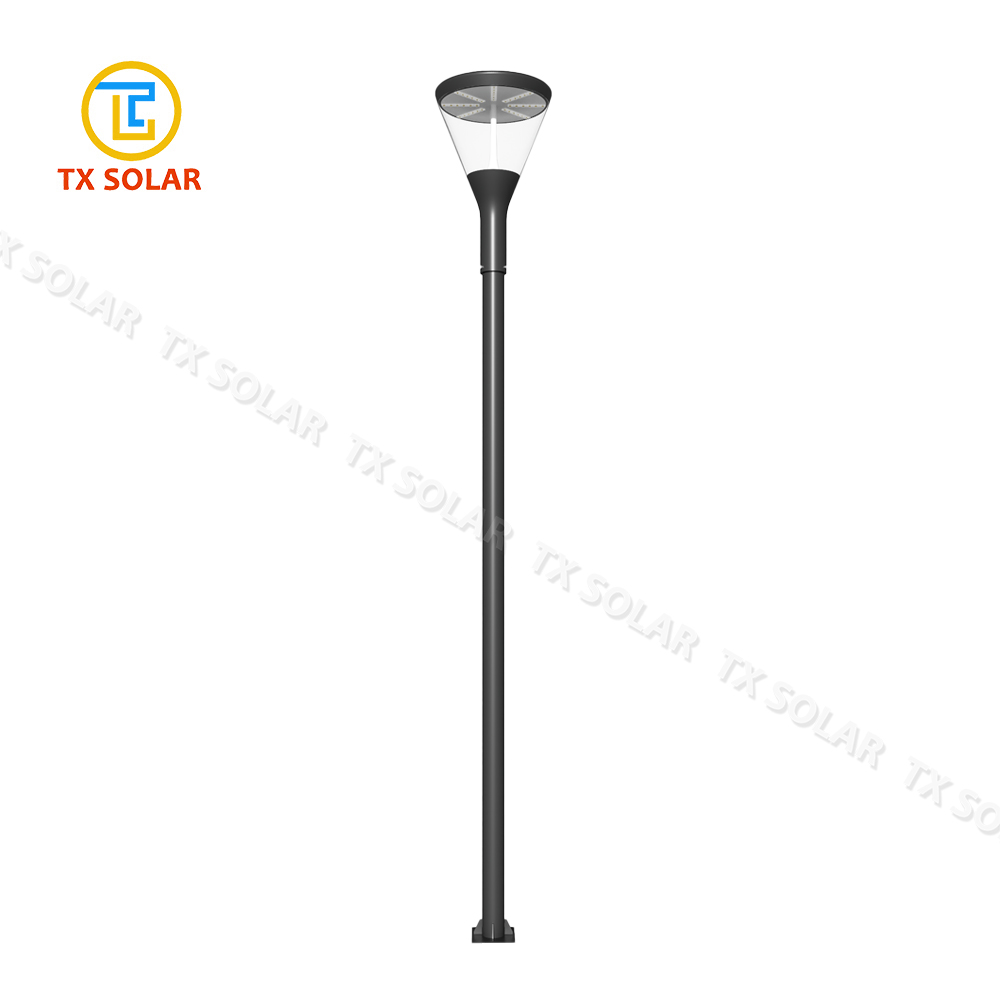
Waterproof Hexagonal Road Lamp for Industrial Parks
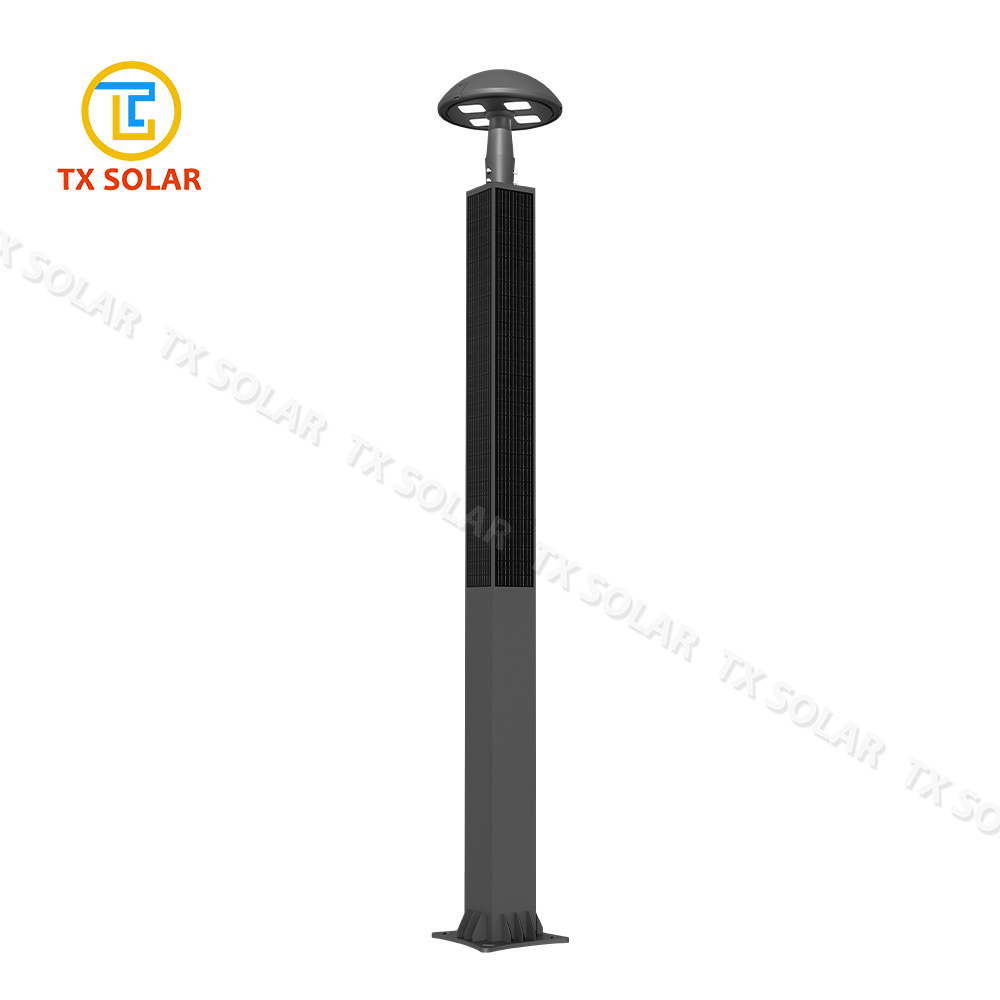
Solar Integrated Hexagonal Light for Green Factories
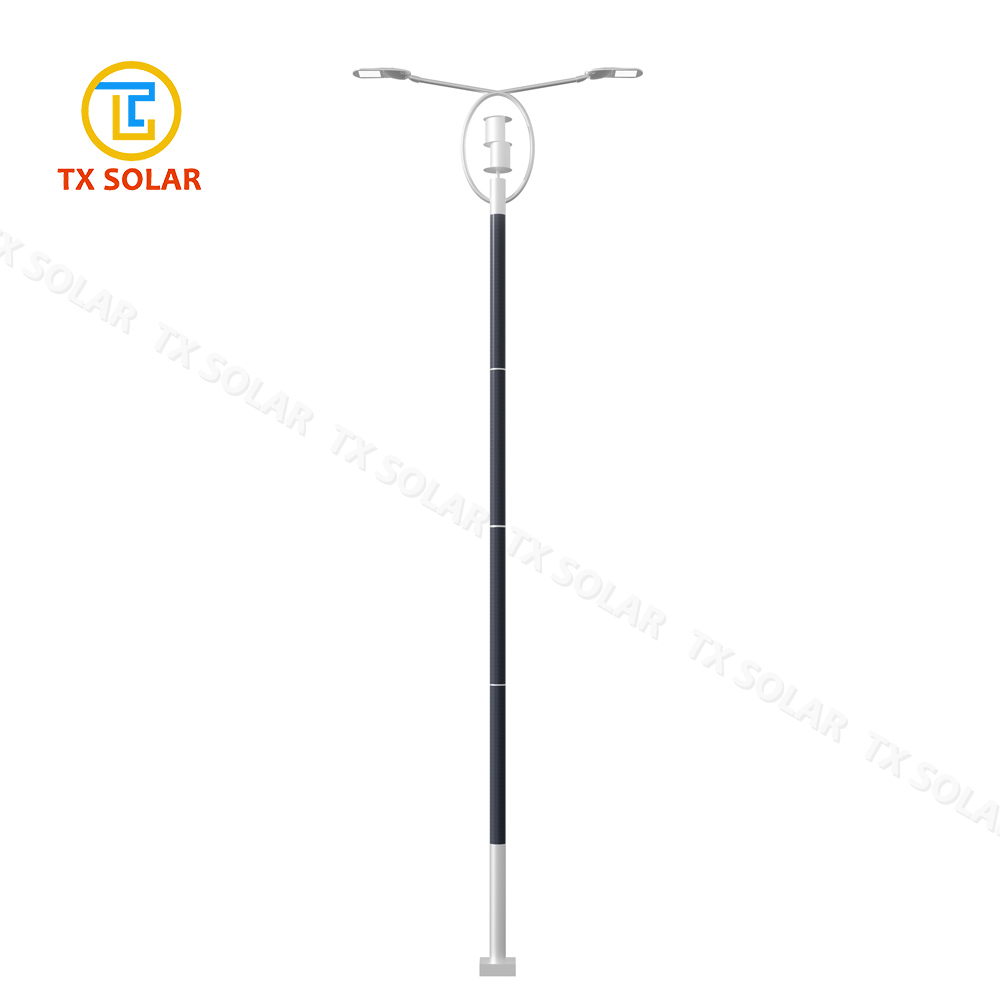
Flexible Solar Panel Wind Solar Hybrid Street Light
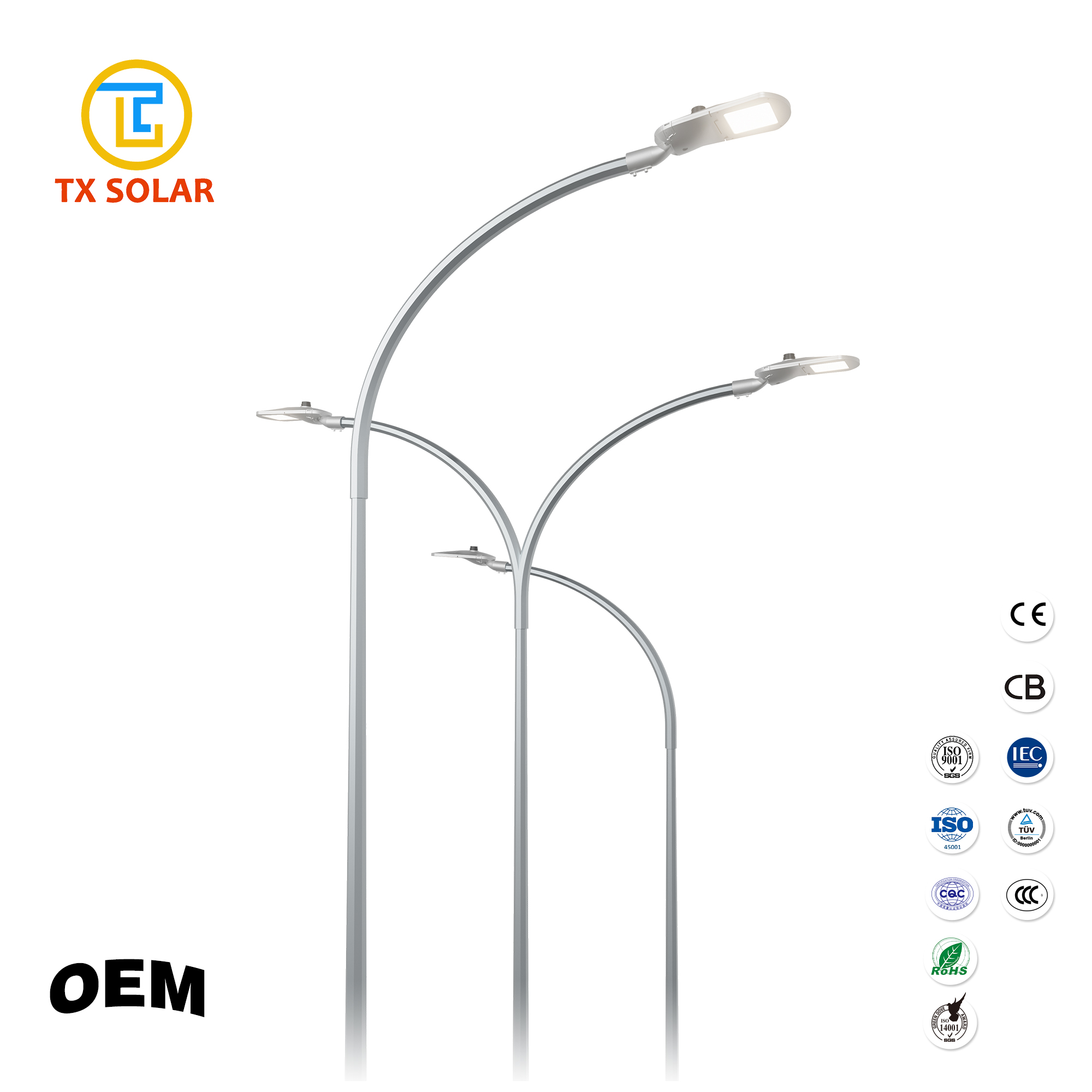
Stainless Steel Curved Hexagonal Pole
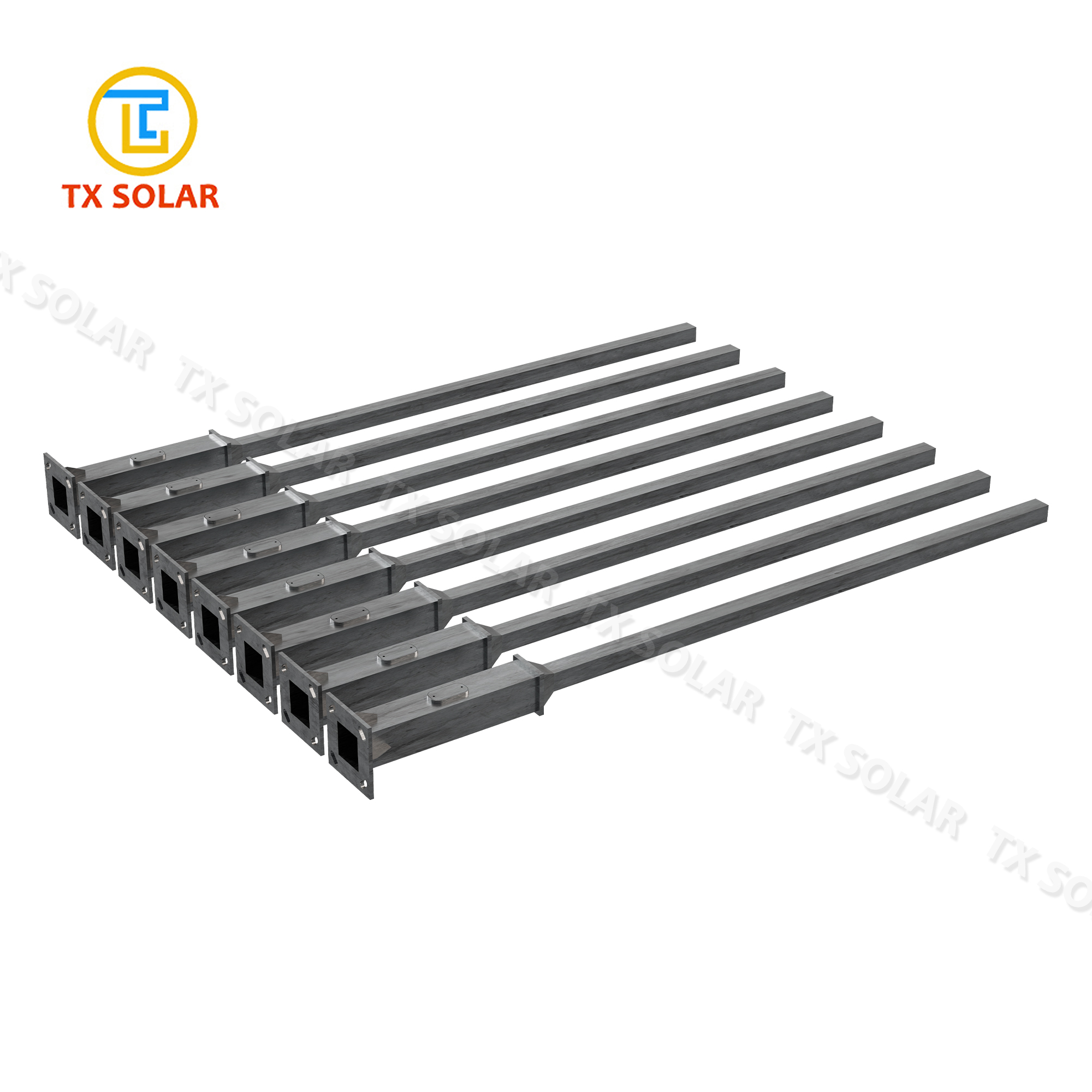
3-12M Q235 Semi-finished Square Steel Pole
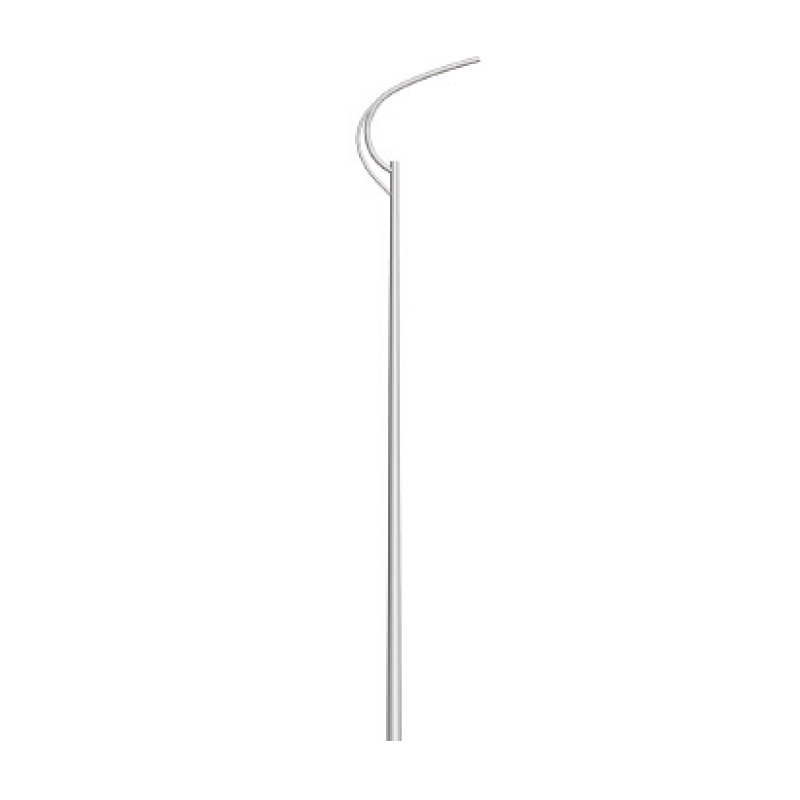
CE Certified Steel Round Galvanized LED Street Light Pole
-

E-mail
-

Whatsapp
-

Top


