
The Paradigm Shift in Educational Outdoor Infrastructure
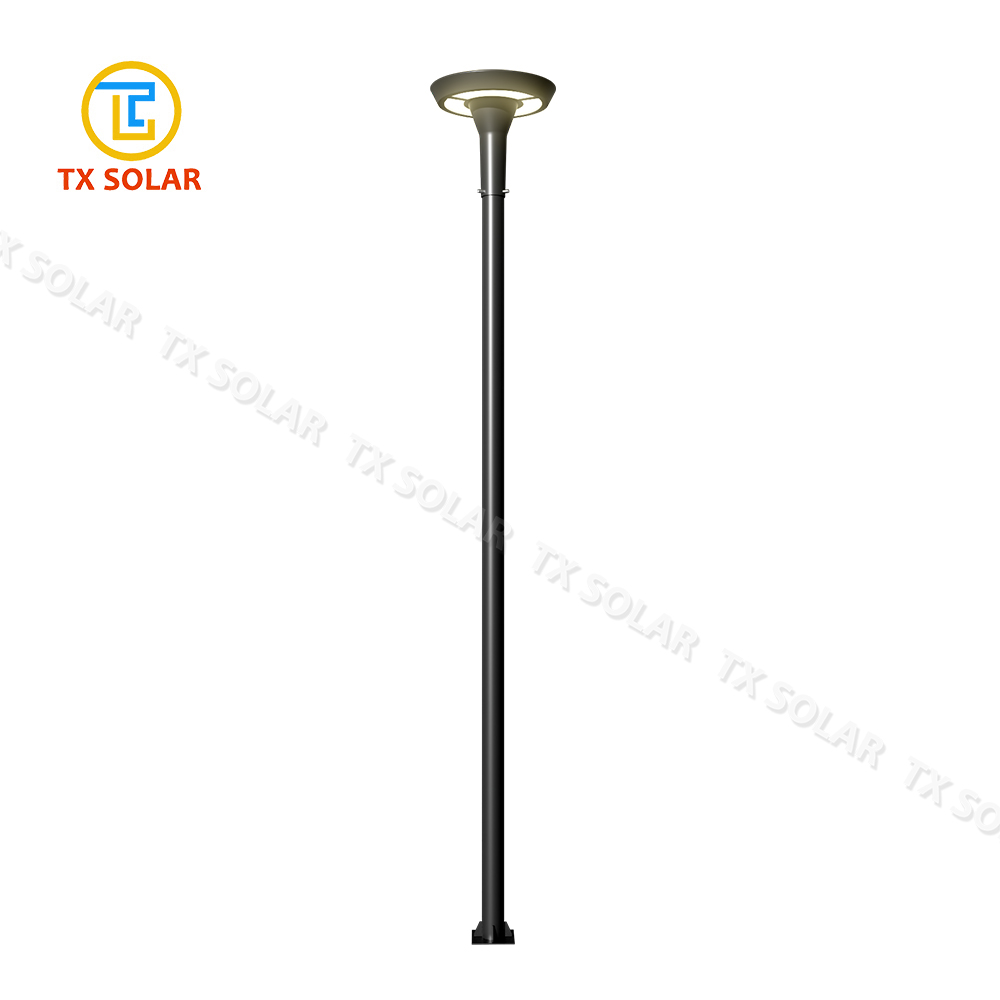
Modern school and university campuses are no longer just centers of academic learning; they have evolved into complex, miniature ecosystems operating 24/7. As student safety, environmental sustainability, and technological integration become paramount, the role of outdoor infrastructure has shifted dramatically. Among these, the decorative outdoor post plays a vital role. Once viewed simply as structural support for luminaires, modern campus posts have transitioned into multi-functional architectural features that enhance campus aesthetics by day and ensure student safety and connectivity by night.
Lighting on educational campuses must address diverse requirements. It needs to harmonize with varying architectural designs—ranging from historic brick buildings to ultra-modern glass laboratories—while meeting strict dark-sky compliance, reducing energy footprints, and integrating smart technologies like IoT sensors, Wi-Fi routers, and security cameras. Decorative outdoor posts provide the physical platform to achieve these goals seamlessly, serving as the backbone of the modern "Smart Campus" initiative.
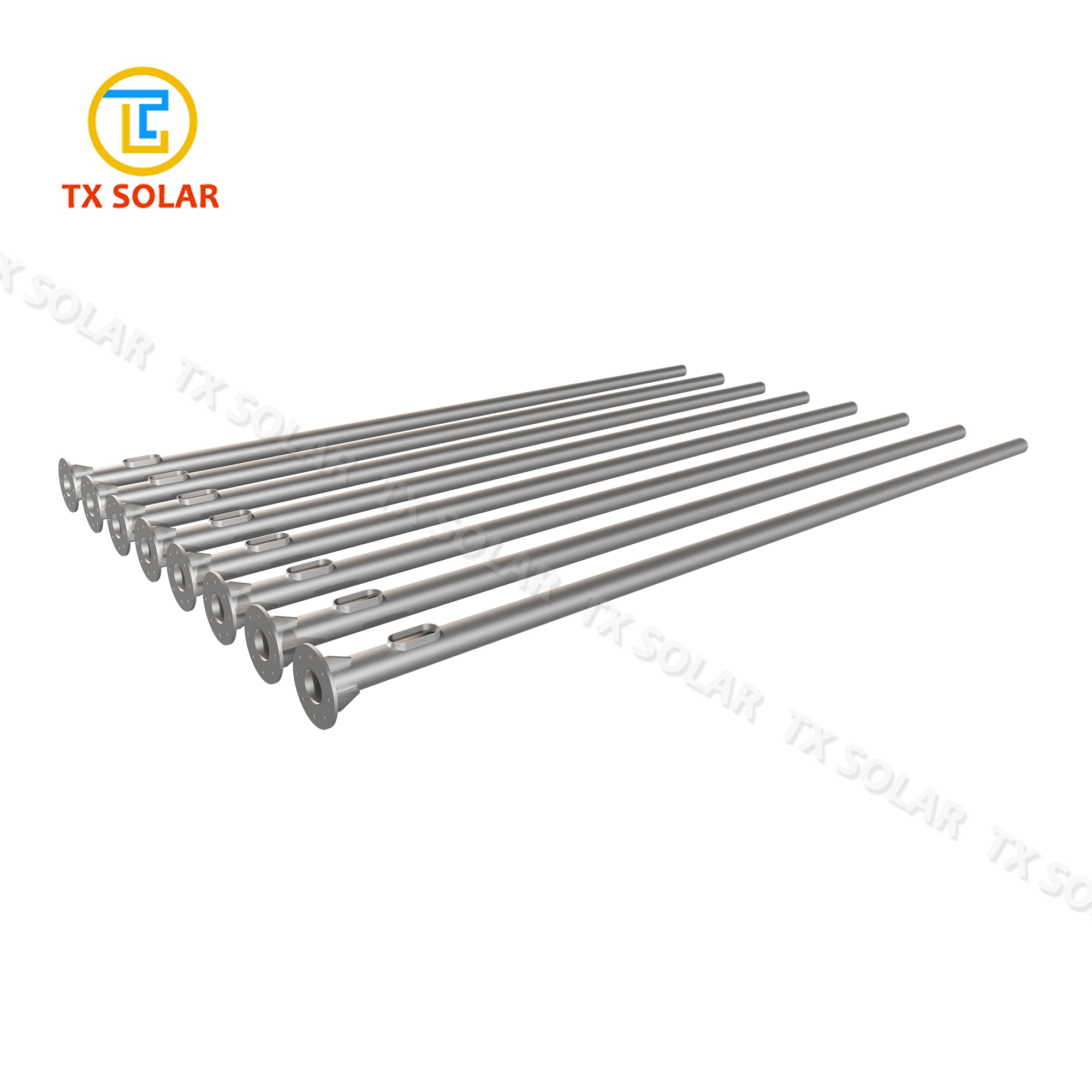
Decorative outdoor posts combine architectural appeal with rugged structural engineering. By utilizing advanced materials like marine-grade aluminum and hot-dip galvanized steel, these posts resist corrosion and physical impact, ensuring a service life exceeding 25 years. This longevity drastically reduces maintenance overheads for university facilities management.
Commercial & Industrial Landscape of Campus Lighting
The global market for campus outdoor lighting is experiencing a robust expansion, driven by institutional decarbonization goals and the rise of smart city technologies. Higher education institutions globally are committing to net-zero carbon footprints, which has catalyzed a massive wave of retrofitting old, inefficient metal-halide and high-pressure sodium (HPS) systems with smart LED and solar-powered alternatives.
From a commercial perspective, procurement departments in educational sectors are prioritizing total cost of ownership (TCO) over initial capital expenditure. This shift directly benefits high-quality, hot-dip galvanized and aluminum posts. The initial investment in superior anti-corrosion coatings and structural integrity pays off by eliminating premature structural failures. Furthermore, manufacturers who offer customized aesthetic options—such as custom powder-coating colors matching the university’s branding, or structural brackets for banners, flags, and security equipment—hold a significant competitive edge in institutional bidding processes.
Industrial standards are also tightening. Outdoor posts installed on campuses must comply with wind-load ratings (ASCE 7 standards in the US, and equivalent EN standards in Europe) to withstand extreme weather events, especially in coastal regions. Additionally, safety certifications like CE and UL are mandatory requirements for public tenders, ensuring that the electrical components housed within these decorative posts meet the highest safety standards to protect the student population.
Technological Trends: Smart Posts and Green Energy
The integration of the Internet of Things (IoT) has transformed decorative light poles into intelligent nodes. Modern campuses are deploying smart posts equipped with environmental sensors to monitor air quality, ambient noise, and temperature. Motion-activated dimming systems ensure that lights operate at full capacity only when pedestrians are present, saving up to 40% more energy compared to standard LEDs.
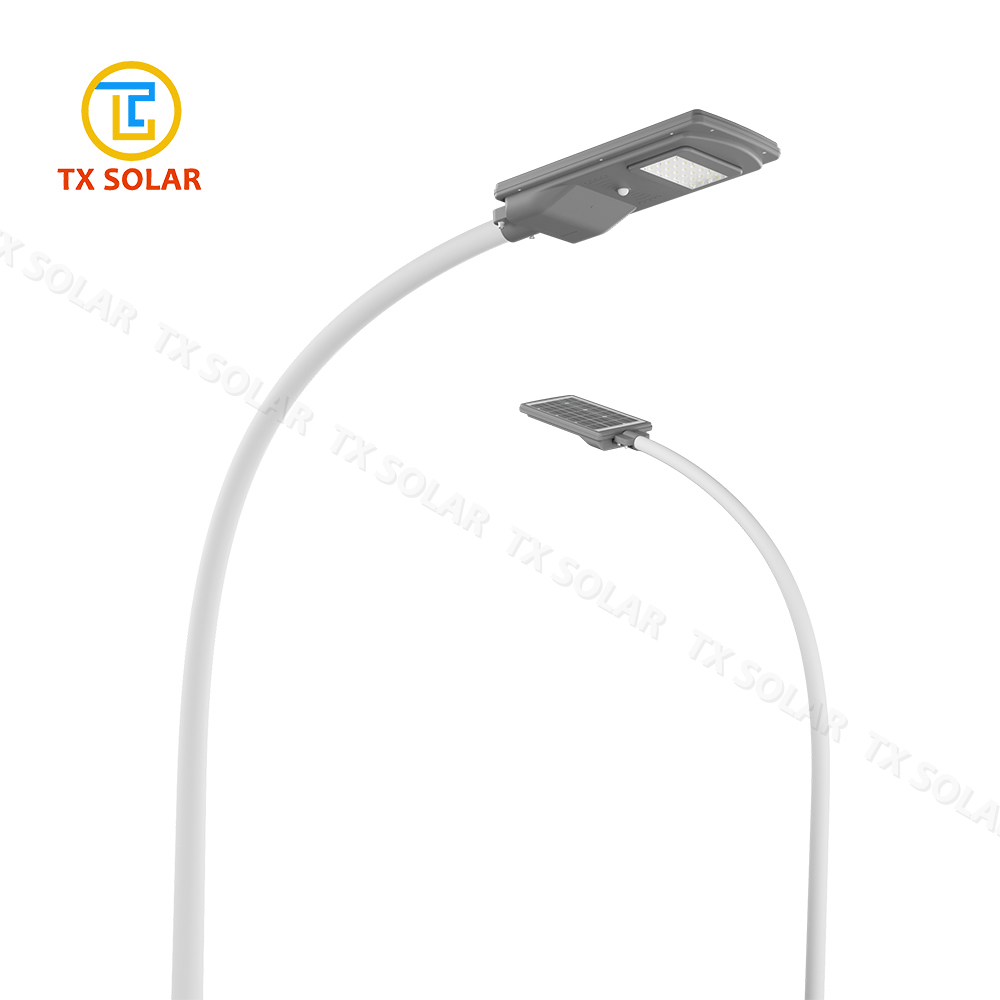
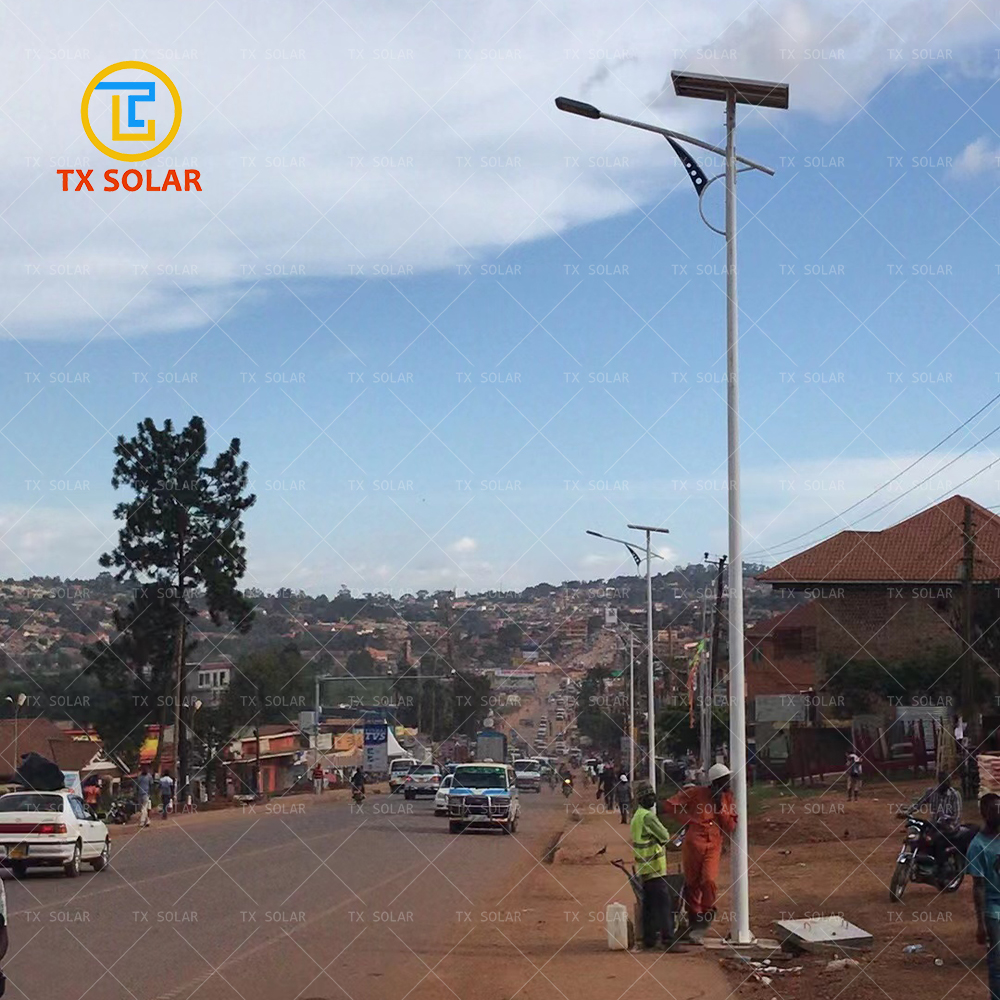
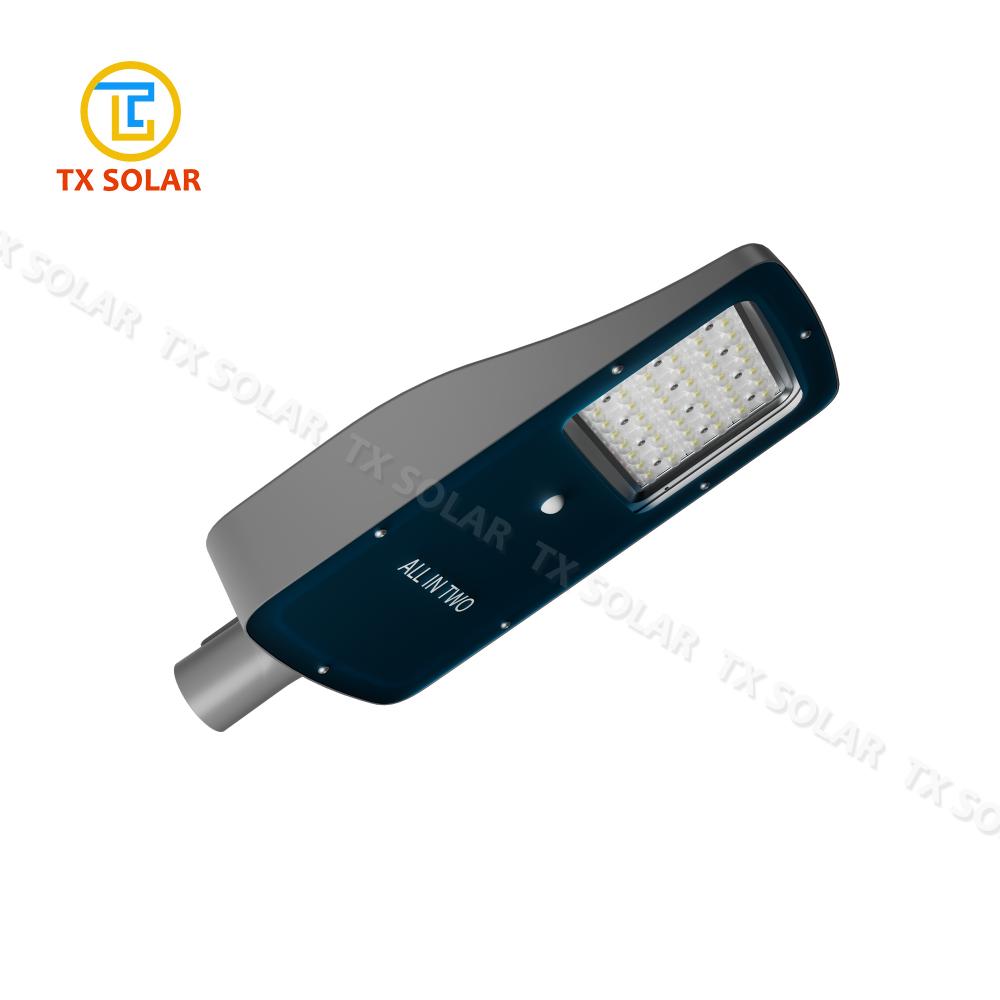
Solar energy integration is another major trend. "All-in-One" and "All-in-Two" solar street lights, featuring high-efficiency monocrystalline solar panels and long-lasting lithium batteries, are being installed in remote areas of campuses where trenching for traditional grid wiring is cost-prohibitive. This off-grid capability ensures that campus pathways remain illuminated even during power outages, reinforcing student safety.
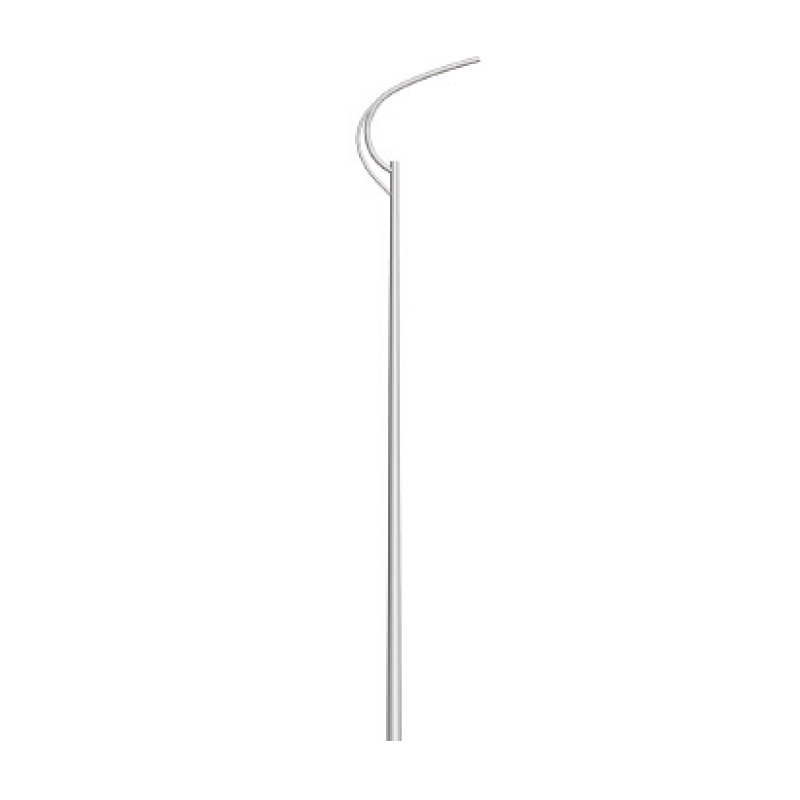
Furthermore, the aesthetic design of these posts has evolved. Sleek, minimalist profiles with hidden wiring, flush-mounted handholes, and integrated LED strips are replacing bulky, industrial-looking poles. This ensures that the infrastructure enhances, rather than disrupts, the visual landscape of academic plazas and historic quadrangles.
Deep-Dive Application Scenarios on Campus
1. Academic Plazas and Pedestrian Promenades
Plazas and promenades are the social hubs of a university. Here, decorative posts must offer glare-free, warm lighting that encourages social interaction and late-night study groups. Architectural integration is key; posts are often designed with custom brackets to hold university banners, promotional flags, or hanging flower baskets, aligning the infrastructure with campus pride and seasonal events.
2. Main Campus Roadways and Transit Hubs
Safety is the absolute priority along campus perimeter roads, bus stops, and pedestrian crossings. High-output LED fixtures mounted on robust hot-dip galvanized steel poles ensure maximum visibility for shuttle buses, cyclists, and pedestrians. These posts are frequently integrated with emergency blue-light intercoms, security cameras, and speed-monitoring displays to create a secure transit environment.
3. Athletic Fields and Recreational Zones
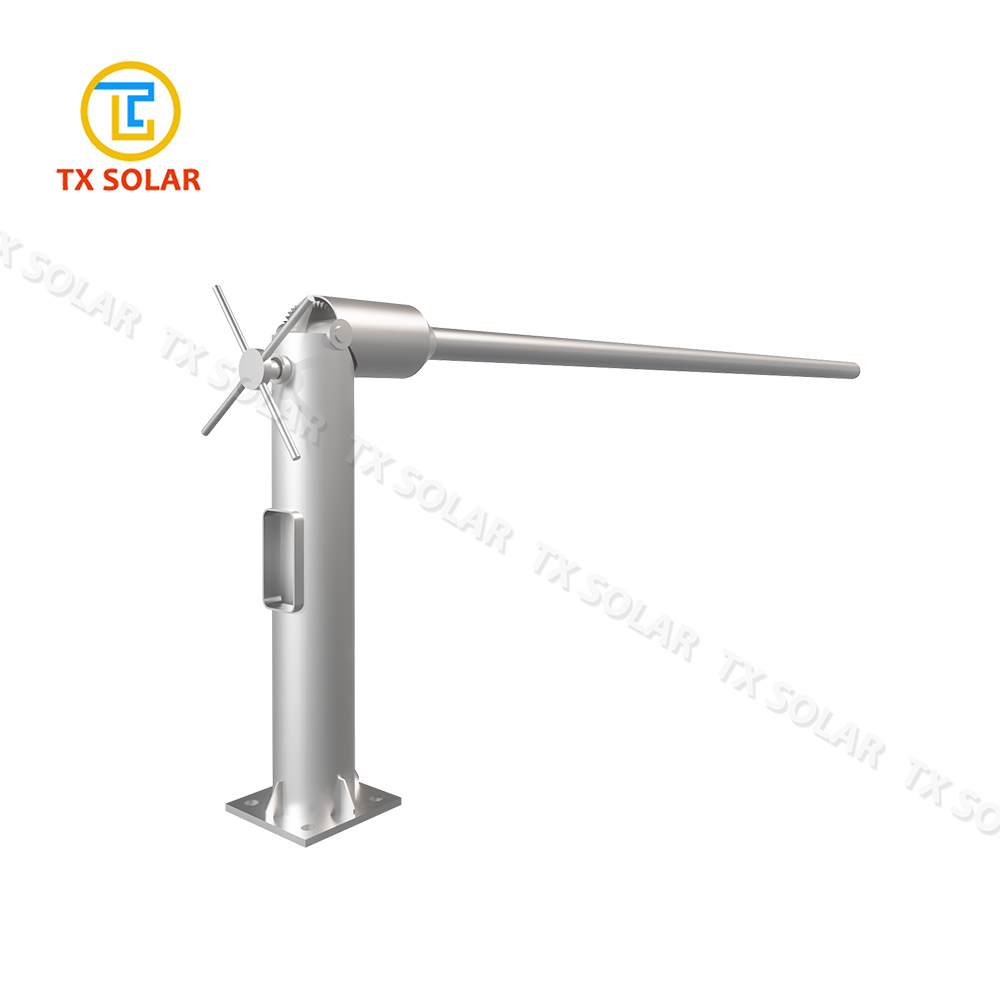
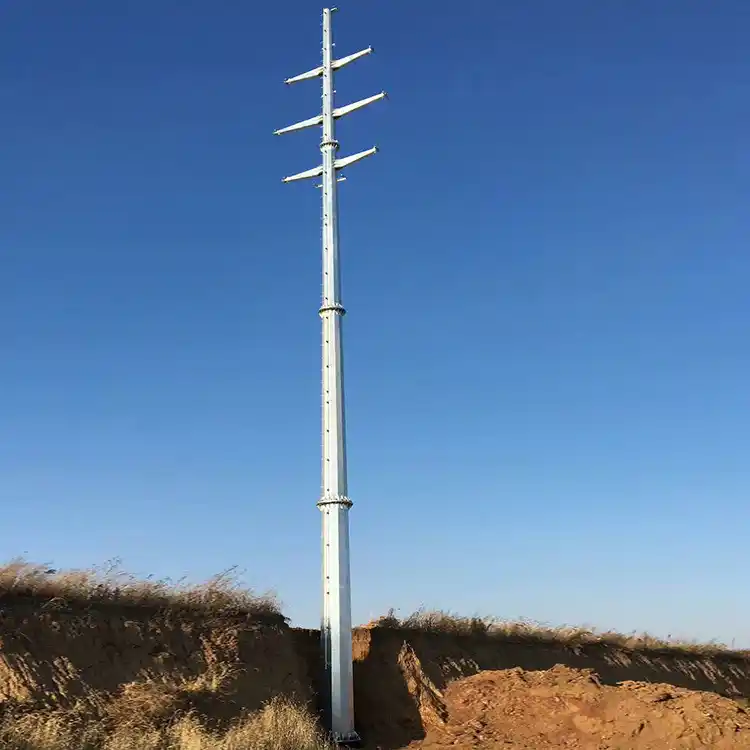
Universities require flexible lighting solutions for sports complexes and outdoor recreational areas. Foldable galvanized light poles are highly valued in these scenarios, allowing maintenance staff to lower the luminaires for easy servicing without the need for heavy crane machinery, thereby reducing maintenance costs and minimizing disruption to student activities.
4. Green Spaces, Gardens, and Eco-Trails
For remote walking trails, botanical gardens, and eco-friendly campus zones, trenching for electrical cables can damage root systems and disrupt local ecosystems. In these areas, compact, decorative solar posts (such as 10W mini solar lights) offer a sustainable, self-sufficient lighting solution that operates independently of the grid while maintaining a low carbon footprint.
Yangzhou Tianxiang: Professional Outdoor Lighting Manufacturer Since 1996
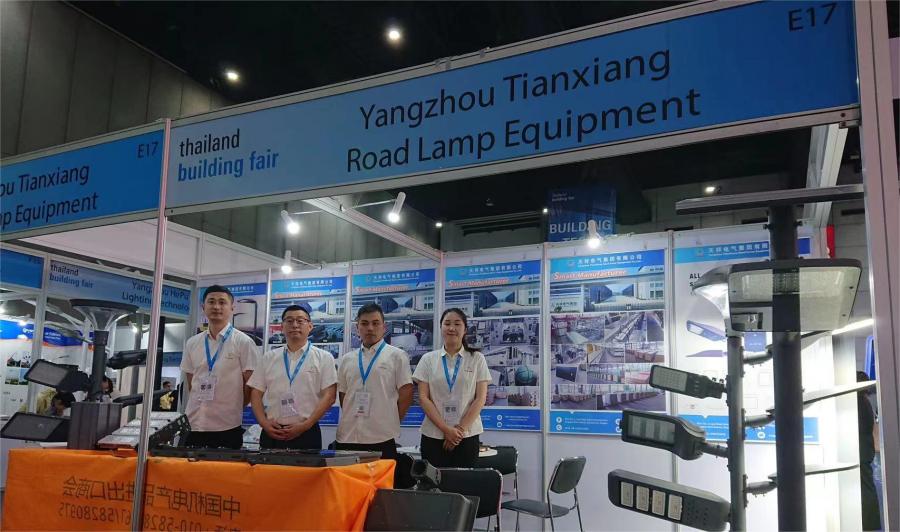
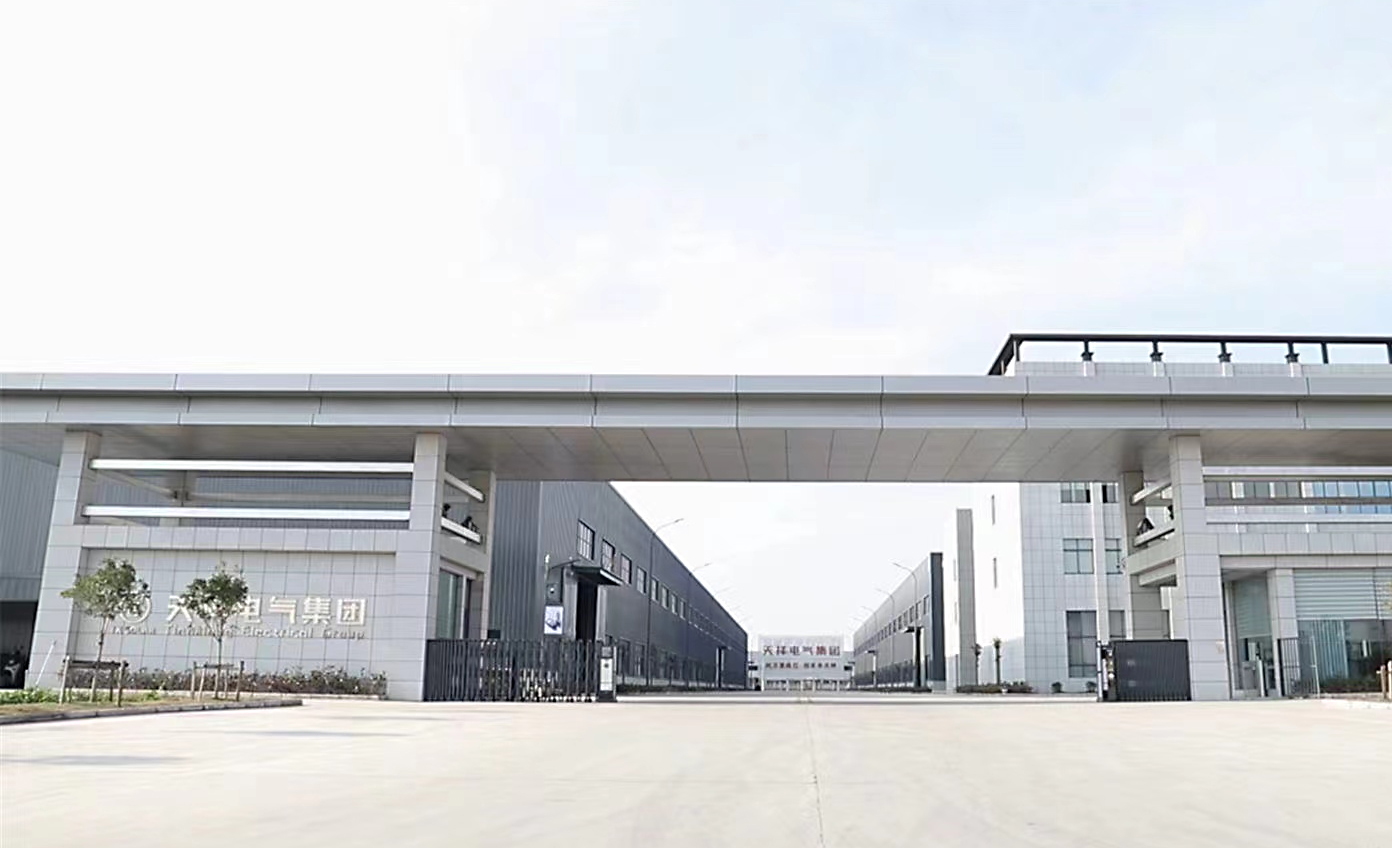
Yangzhou Tianxiang Road Lamp Equipment Co., Ltd., founded in 2008 (with roots dating back to 1996) and located in the smart Industrial Park of the street lamp manufacturing base in Gaoyou City, Jiangsu Province, is a premier production-oriented enterprise focusing on outdoor lighting and structural pole manufacturing.
At present, the company houses the most advanced digital production line in the industry, maintaining a leading position in terms of production capacity, price competitiveness, quality control, and industry qualifications. With a cumulative installation of over 1.7 million lights worldwide, Yangzhou Tianxiang has established a major market presence across Africa, Southeast Asia, South America, and other global regions, becoming the preferred partner for domestic and international engineering projects.
Our state-of-the-art facility employs over 200 dedicated professionals, including a specialized R&D team of 12 experts, 16 structural and electrical engineers, 4 strict QC inspectors, a 16-member international trade department, and 12 domestic sales specialists. This robust human capital allows us to deliver tailored ODM/OEM solutions to meet the unique architectural requirements of schools and universities worldwide.
Our Vision & Core Values
We have a powerful R&D and engineering team that offers exceptional products and technical support. Operating our own dedicated solar panel, solar battery, and lighting assembly workshops allows us to maintain strict quality control from raw materials to finished products.


Our Mission
Continuous improvement, technological innovation, and the pursuit of 100% customer satisfaction.


Our Vision
To be the world's leading brand in renewable energy and energy efficient lighting.


Our Value
Open, harmonious, pragmatic, and innovative in every project we undertake.
Major Events of the Enterprise
Yangzhou Tianxiang initiated its outdoor lighting manufacturing operations, laying the foundation for structural pole fabrication.
Established the new corporate entity and relocated to the modern smart Industrial Park in Gaoyou, Jiangsu Province, scaling up production capacity.
Expanded R&D division to focus on green energy, introducing solar-powered street lighting solutions to the municipal and educational markets.
Upgraded the factory with fully automated digital production lines, achieving precision welding, hot-dip galvanizing, and electrostatic powder coating.
With over 1,700,000 lights illuminated globally, Tianxiang continues to lead the industry in smart, sustainable campus lighting infrastructure.
Complete Campus Outdoor Post & Lighting Portfolio
-

E-mail
-

Whatsapp
-

Top


