
Commercial & Industrial Landscape of Outdoor Decorative Lighting
The global outdoor lighting market has transitioned from basic functional illumination to highly integrated architectural and decorative landscaping systems. Today, public parks, urban plazas, botanical gardens, and municipal greenways require lighting solutions that balance safety, energy conservation, and aesthetic harmony. Commercial and municipal investments in public spaces are growing rapidly, driven by the universal recognition that well-illuminated landscapes boost local economies, encourage nighttime tourism, and enhance community well-being.
Modern decorative outdoor pole lights represent a multi-billion dollar industrial sector where metallurgy, electrical engineering, and artistic design converge. The demand is heavily steered by municipal regulations emphasizing carbon neutrality, leading to the rapid adoption of high-efficiency LED luminaires and smart control systems. Manufacturers are no longer just fabricating steel poles; they are developing integrated urban infrastructure capable of housing IoT sensors, environmental monitors, and solar energy capture systems, all while preserving the visual integrity of historical and contemporary landscapes.
Smart City Integration
Modern poles act as physical nodes for smart cities, incorporating ambient sensors, security cameras, and wireless network transmitters without compromising their aesthetic contours.
Sustainable Power
Solar-powered decorative poles utilizing advanced MPPT controllers and integrated lithium batteries are minimizing trenching costs and operational carbon footprints.
Corrosion Engineering
With hot-dip galvanization and advanced polyurethane coatings, poles are engineered to withstand extreme salinity, UV radiation, and high wind loads for over 25 years.
Key Technological Trends Shaping the Future
As public spaces become more interactive, the technology embedded within decorative outdoor pole lights is evolving at an unprecedented pace. The shift is moving away from static, single-output fixtures toward dynamic, adaptive systems that react to environmental changes and human activity. Below are the key trends defining the modern industrial landscape:
1. Human-Centric Lighting (HCL) & Dynamic CCT
Human-centric lighting focuses on the biological and psychological effects of light on humans. In public parks and gardens, lighting systems are increasingly designed to adjust their Correlated Color Temperature (CCT) dynamically. Warm, amber tones (2200K - 2700K) are utilized during late evening hours to preserve natural circadian rhythms and minimize disturbance to local nocturnal wildlife, while cooler white light (4000K) is utilized during high-traffic early evening hours to optimize visibility and safety.
2. Advanced Photovoltaic Integration
Solar decorative lighting has moved past the era of bulky, unsightly solar panels bolted onto decorative arms. Today's trends feature vertical solar modules wrapped seamlessly around the pole or slim, high-efficiency monocrystalline panels integrated directly into the architectural structure of the luminaire. Paired with high-energy-density lithium iron phosphate (LiFePO4) batteries concealed within the pole base or luminaire housing, these systems provide reliable, grid-independent illumination even in shaded garden pathways.
Industry Insight: The elimination of underground cabling through solar integration reduces installation costs by up to 60% and completely avoids disruption to established root systems in mature botanical gardens.
3. Dark-Sky Compliance and Glare Reduction
Light pollution is a critical environmental concern. Modern decorative luminaires are engineered with precision optical lenses that direct light downward and outward, completely eliminating upward light spill. Shielded designs ensure that public parks remain safe for pedestrians without casting invasive glare into neighboring residential windows or obscuring the night sky.
Deep-Dive Application Scenarios
Different outdoor spaces demand distinct lighting philosophies. A standardized pole light cannot serve the varied aesthetic and structural requirements of a historical garden, a modern waterfront, or a high-security corporate plaza. Here is how decorative pole lights are optimized for specific environments:
Botanical Gardens & Ecological Reserves
In ecologically sensitive environments, lighting must respect the flora and fauna. Pole lights are typically lower in height (3m to 5m) to keep illumination close to the ground. Low-wavelength amber LEDs are preferred to prevent insect attraction. The poles themselves are finished in organic, textured tones like forest green or deep bronze to blend seamlessly with the natural surroundings during daylight hours.
Urban Waterfront Promenades
Waterfront installations present harsh environmental challenges, including high humidity, salt spray, and strong wind forces. Pole lights deployed along coastlines feature marine-grade hot-dip galvanized steel or high-strength aluminum alloys, treated with specialized anti-corrosion powder coatings. The aesthetic design often mirrors maritime themes, with double-arm configurations projecting light onto both the pedestrian walkway and the adjacent shoreline.
Historic Districts & Cultural Heritage Parks
Preserving historic authenticity while upgrading to modern energy standards is a delicate balance. Decorative poles in heritage sites utilize classical cast-iron or fluted steel designs, complete with ornate bases and scrollwork arms. Inside these traditional housings, however, sit state-of-the-art LED engines with custom optics, providing high-rendering index (CRI > 80) light that brings out the true colors of historical brickwork and stone monuments.
About Us
PROFESSIONAL OUTDOOR LIGHTING MANUFACTURER SINCE 1996
Who We Are
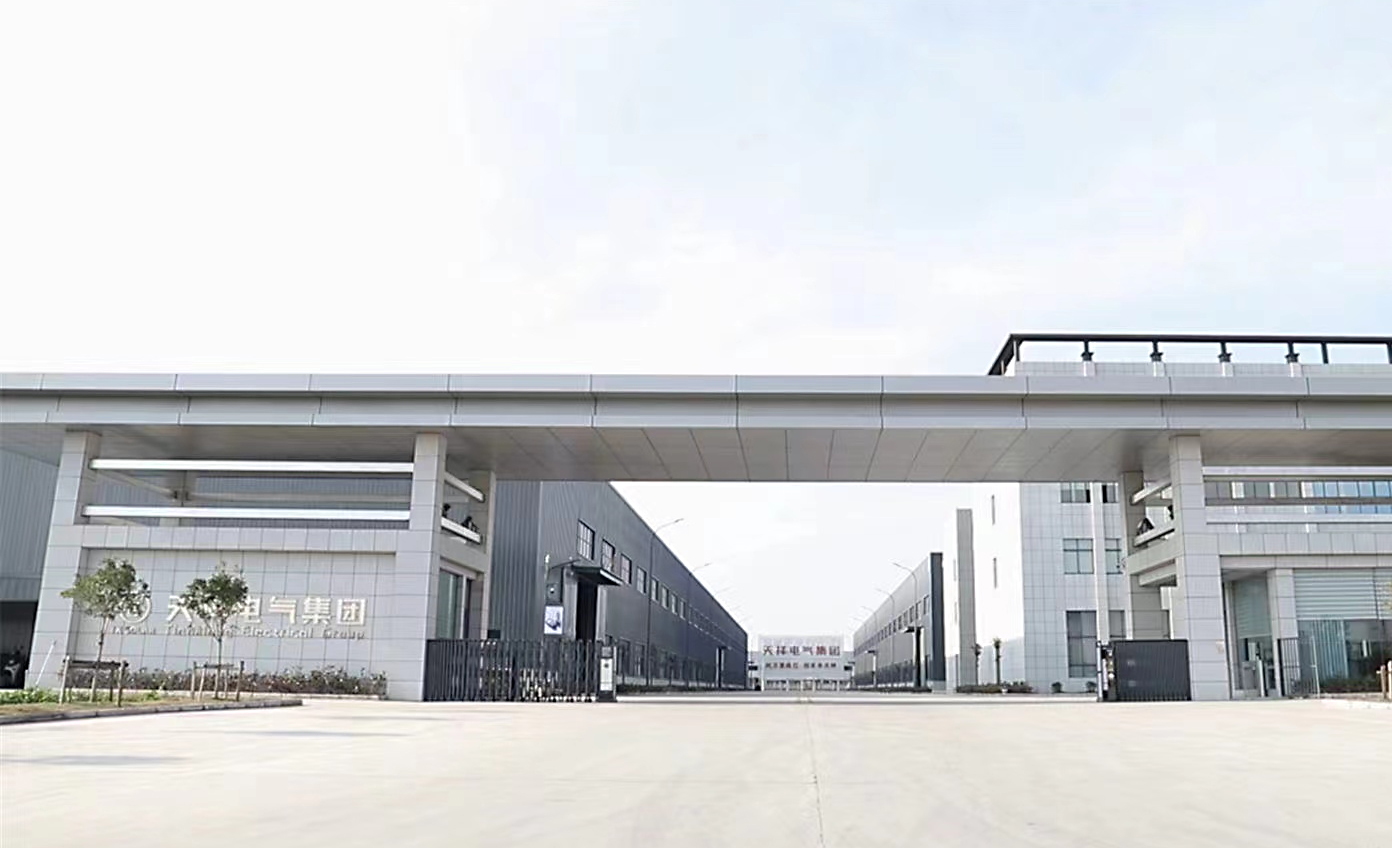
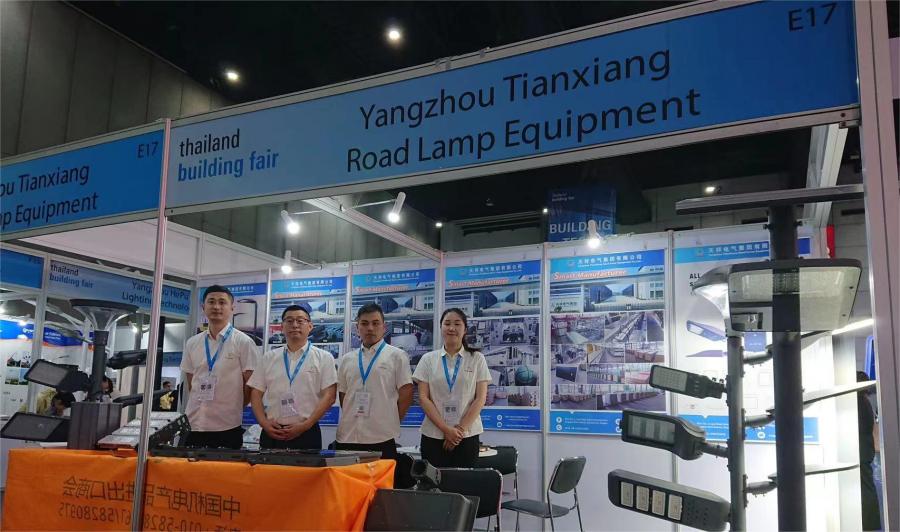
Yangzhou Tianxiang Road Lamp Equipment Co., Ltd. founded in 2008 and located in the smart Industrial Park of street lamp manufacturing base in Gaoyou City, Jiangsu Province, is a production-oriented enterprise focusing on street lamp manufacturing. At present, it has the most perfect and advanced digital production line in the industry. Up to now, the factory has been at the forefront of the industry in terms of production capacity, price, quality control, qualification and other competitiveness, with a cumulative number of lights on more than 1700000, in Africa and Southeast Asia, Many countries in South America and other regions occupy a large market share and become the preferred product supplier for many projects and engineering companies at home and abroad.
What We Have
The company was established in 1996, join this new industrial zone in 2008. Now we have more than 200 people, R & D Personal 12 people, engineer 16 people, QC 4 people, International trade department: 16 people, sales department(china): 12 people.
Enterprise Culture


Our Mission
Continuous improvement, technological innovation, and the pursuit of 100% customer satisfaction.


Our Vision
To be the world's leading brand in renewable energy and energy efficient lighting.


Our Value
Open, harmonious, pragmatic and innovative.
What you get
We have a powerful R&D and engineer team, that offer exceptional products and technical supports, and we have our own solar panel, solar battery and lighting workshops.
Major Events of the Enterprise
1996
Tianxiang was originally founded, marking our official entry into the outdoor lighting manufacturing industry.
2008
Relocated and joined the new smart Industrial Park in Gaoyou City, expanding production capacity with advanced manufacturing digital lines.
2015
Expanded global trade operations, securing major municipal lighting contracts across Southeast Asia and Africa.
Present
More than 1.7 million lights illuminated globally. Operating as a premier supplier for international engineering and municipal projects.
Explore Our Complete Outdoor Decorative Pole Light Range
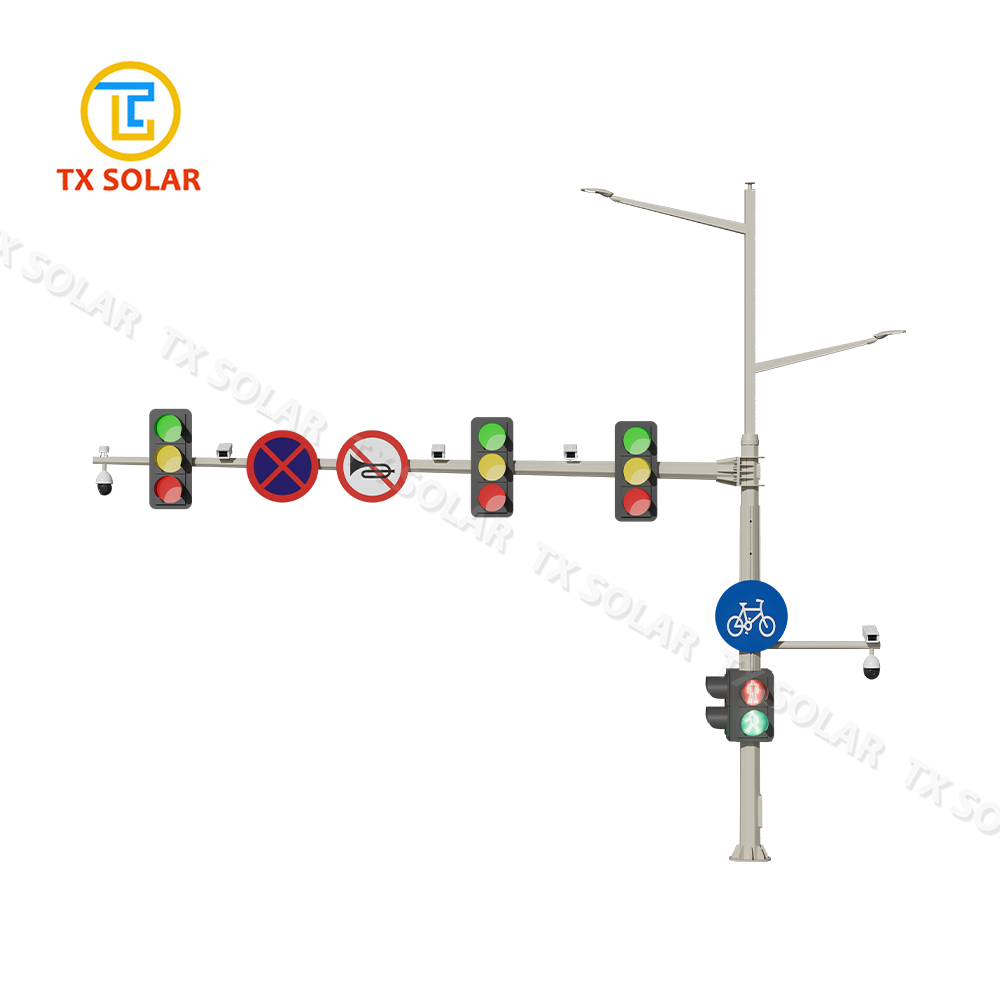
Decorative Octagonal Pole Light for Public Gardens
View Details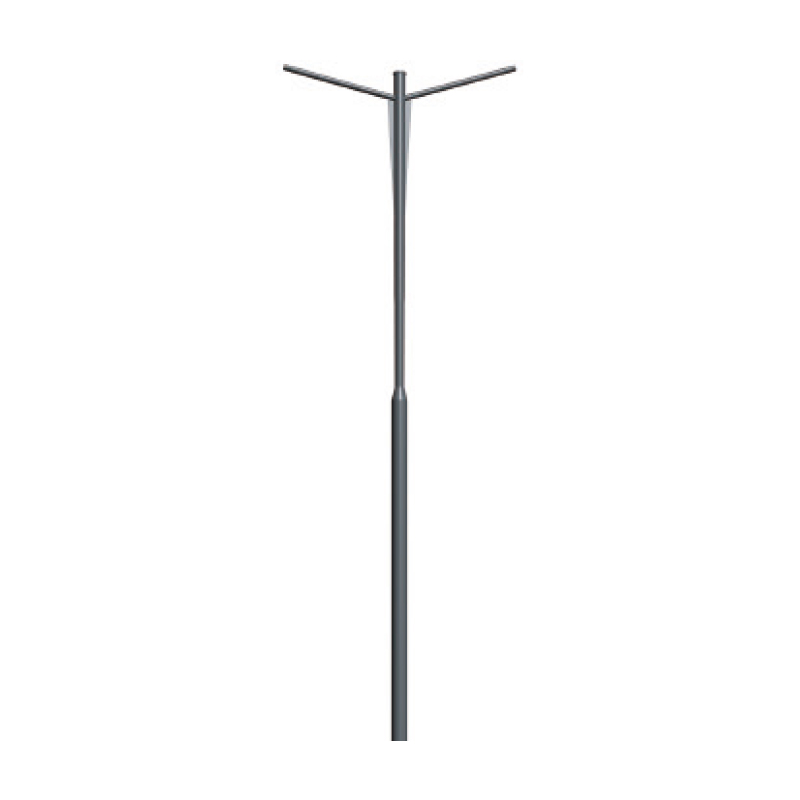
Tapered Galvanized Steel Decorative Pole Light
View Details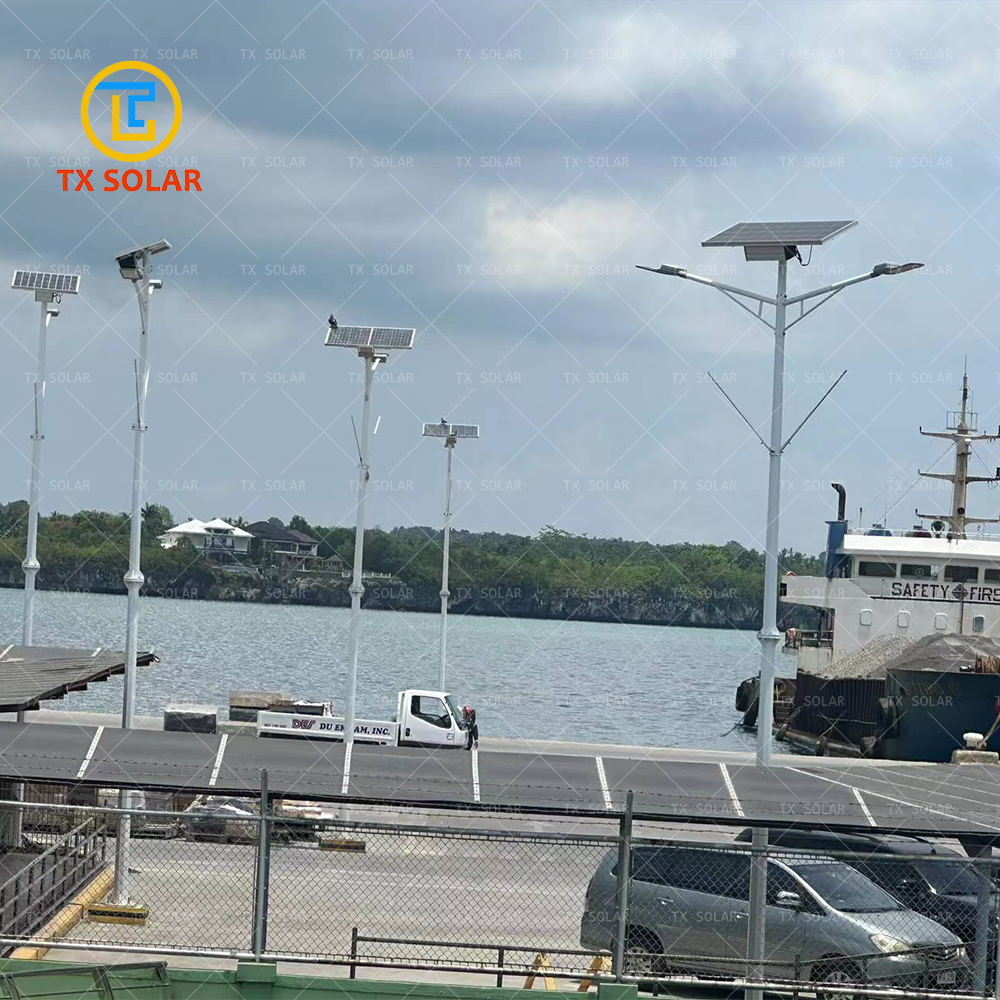
Smart Solar Decorative Pole Light with Lithium Battery
View Details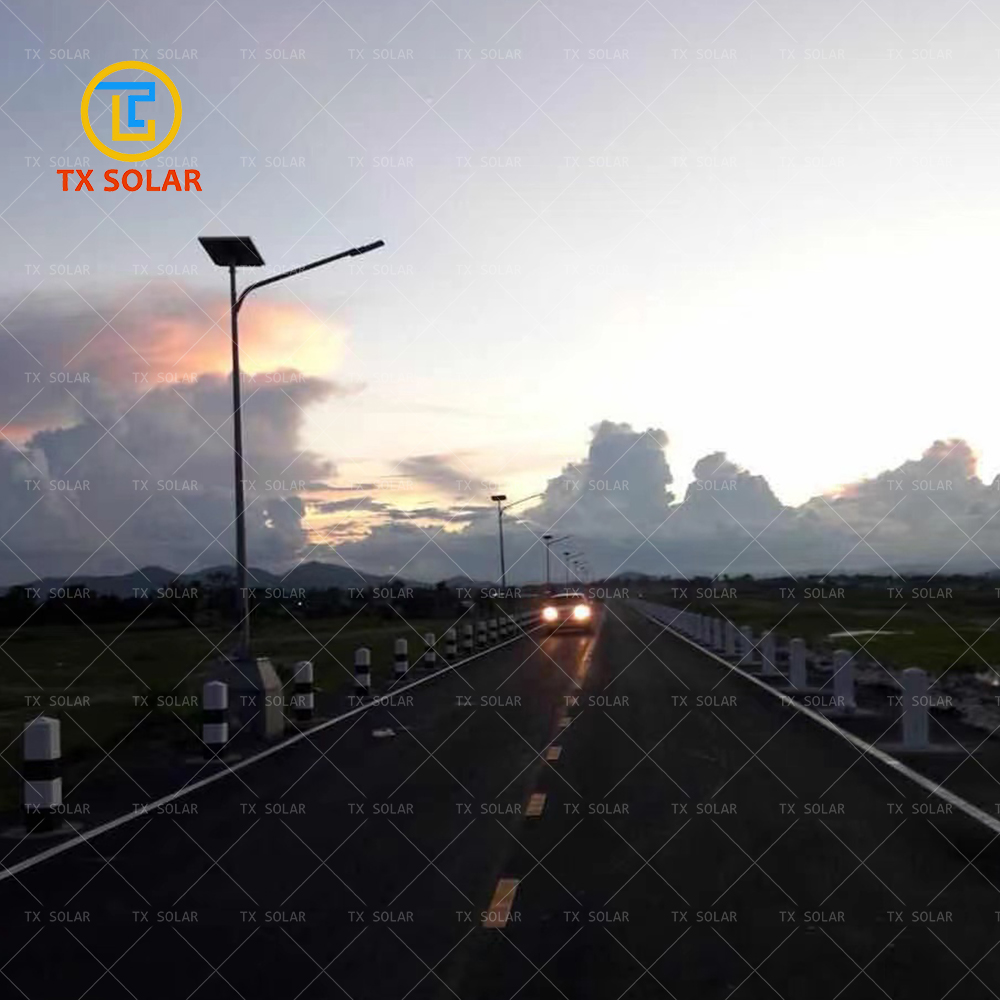
High-Efficiency Solar Pole Light for Public Parks
View Details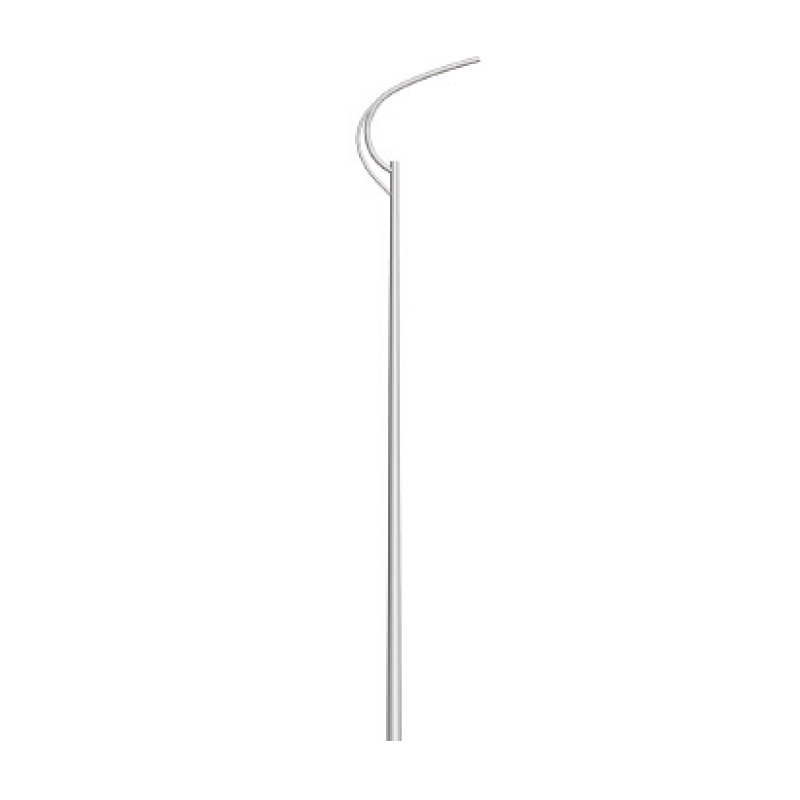
CE Certified Galvanized LED Pole Light for Walkways
View Details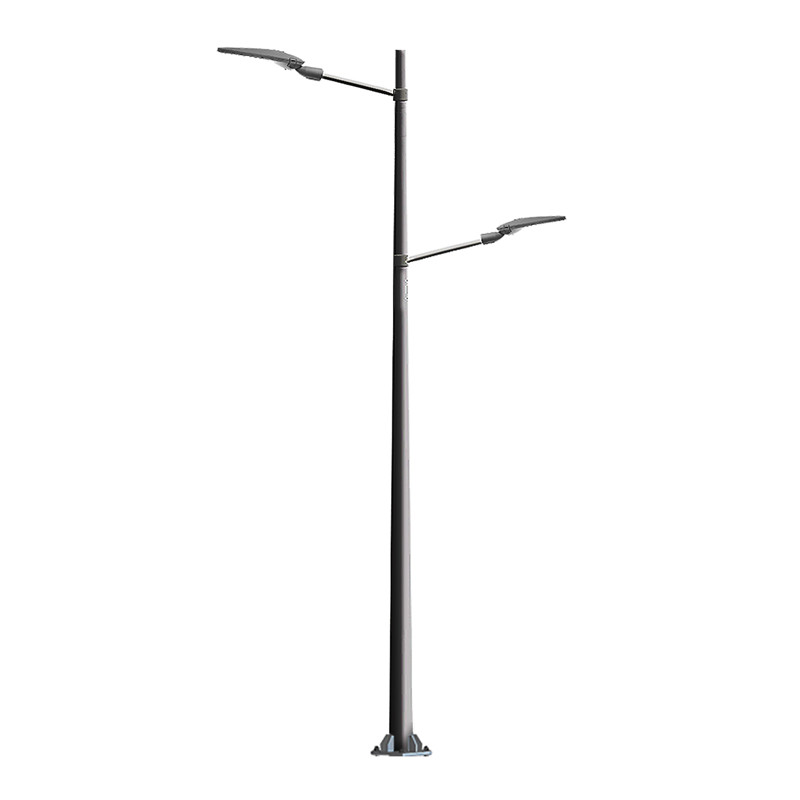
Double-Arm Decorative Park Pathway Pole Light
View Details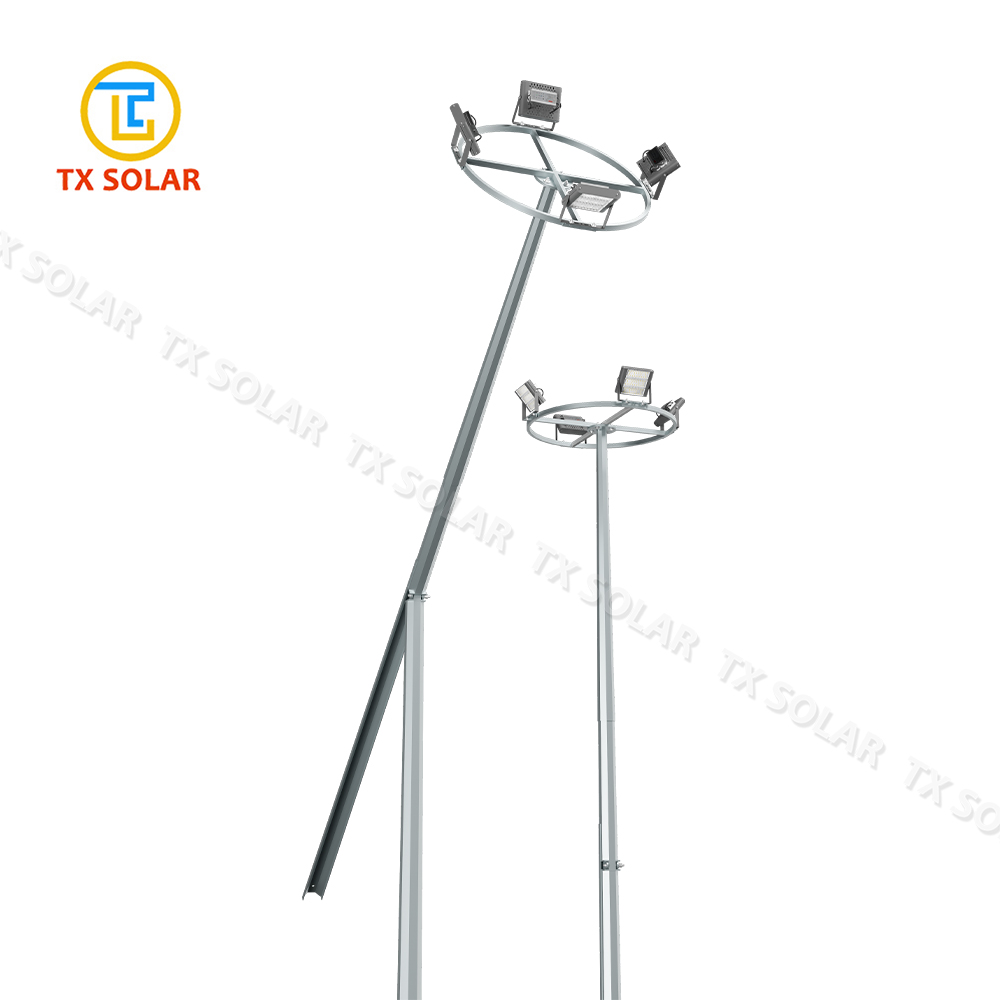
Mid-Hinged Decorative Pole Light for Easy Maintenance
View Details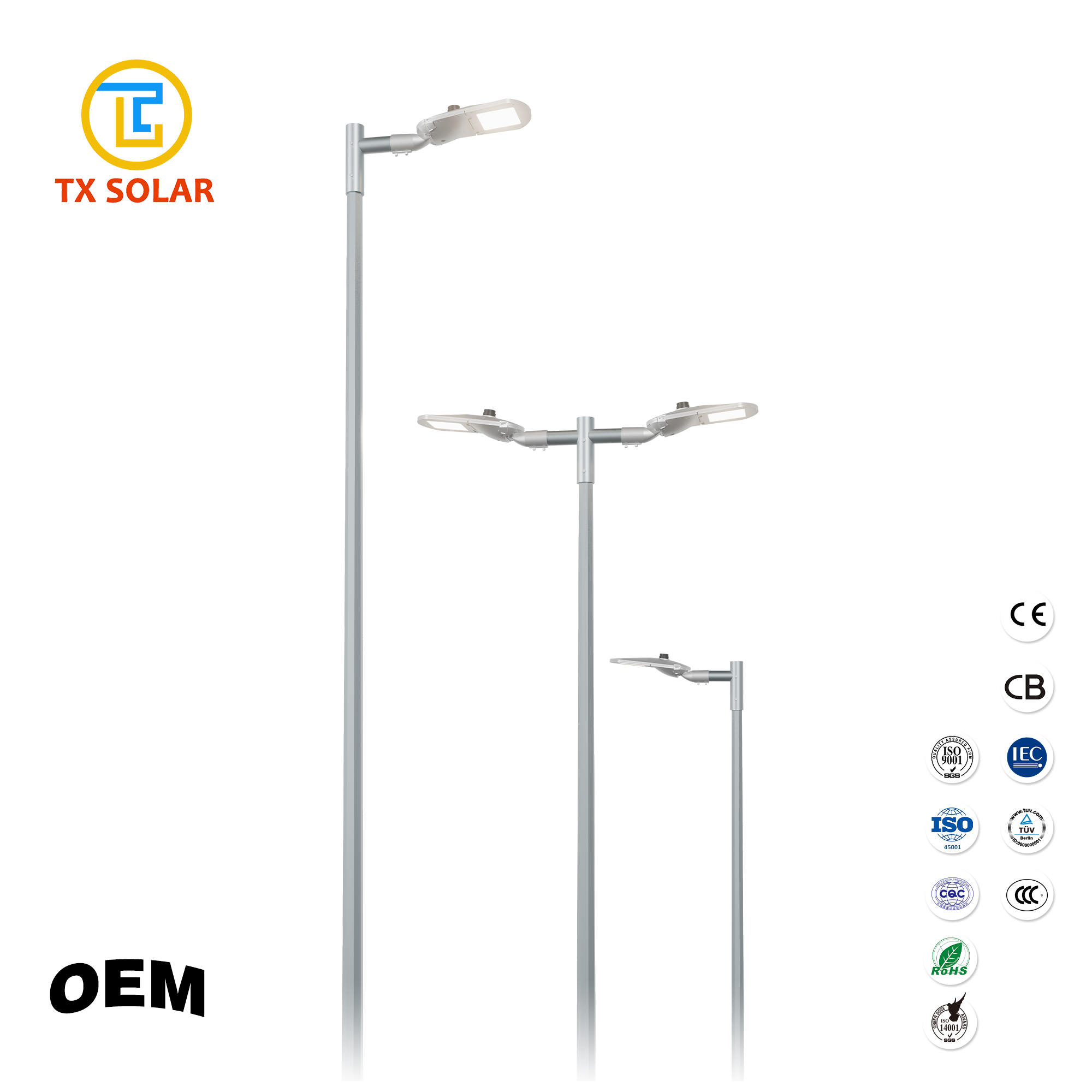
Modern Straight Metal Pole Light for Courtyards
View Details-

E-mail
-

Whatsapp
-

Top


