

The Evolution of Campus Illumination: Why CIGS Technology is the Future
Educational institutions globally are undergoing a massive paradigm shift. As centers of research, learning, and progress, schools and university campuses are expected to lead the charge towards carbon neutrality. In this quest, outdoor lighting is no longer just a utility; it is a critical component of smart, sustainable urban design. Enter the CIGS (Copper Indium Gallium Selenide) Solar Pole Light—a technological breakthrough that solves the structural, aesthetic, and efficiency limitations of traditional flat-panel solar streetlights in educational settings.
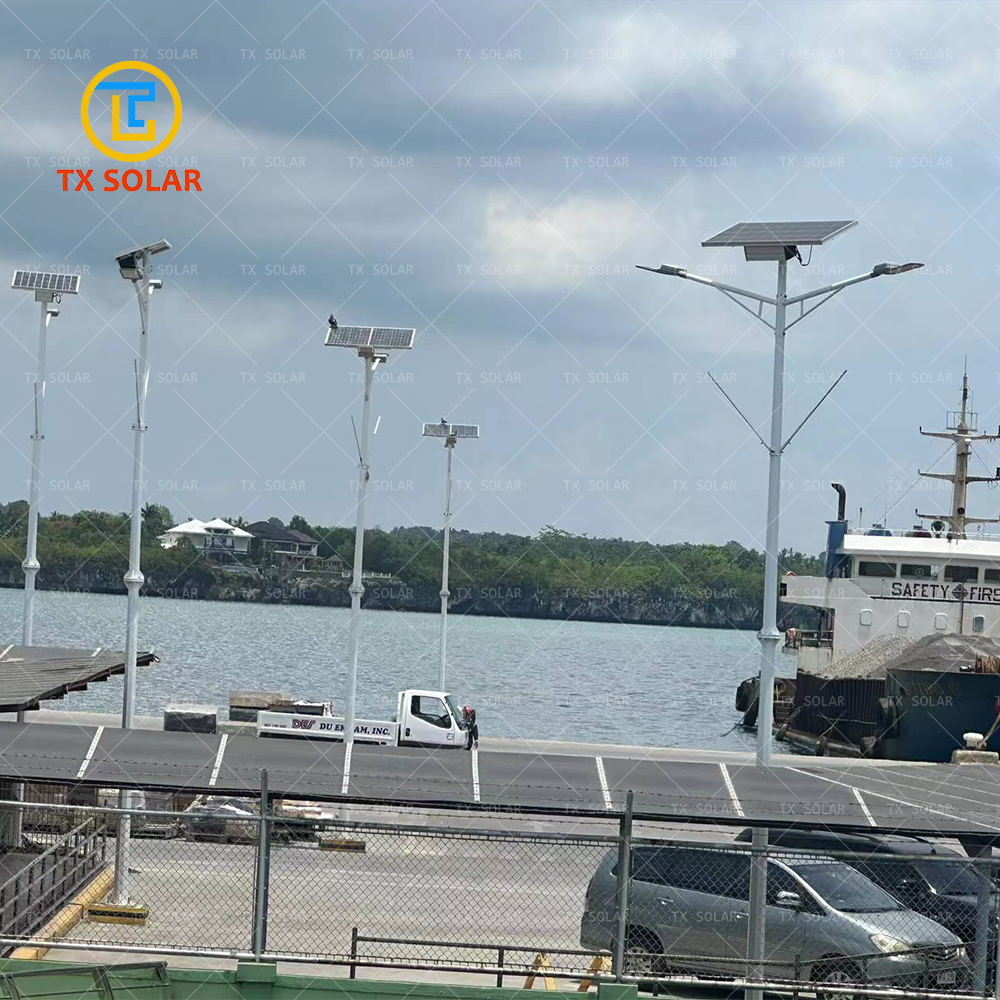
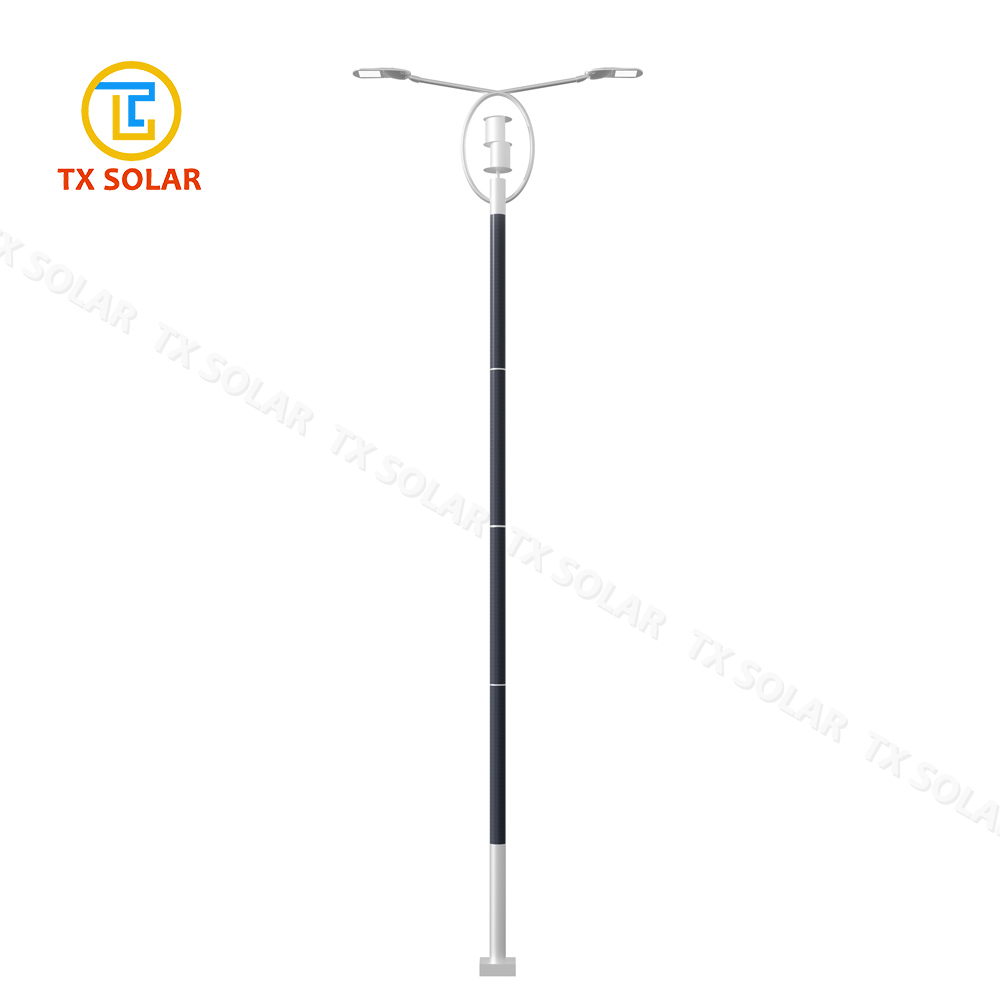
Unlike traditional crystalline silicon panels that sit awkwardly atop lighting poles, CIGS technology utilizes flexible, thin-film solar cells that wrap seamlessly around the vertical body of the pole. This 360-degree integration allows for omnidirectional light absorption, harvesting solar energy from direct sunlight, reflected light, and diffuse ambient light. The result is a highly aesthetic, aerodynamic, and resilient lighting fixture that fits perfectly into the modern architectural layouts of high schools, colleges, and university campuses.
Omnidirectional Solar Harvesting
Vertical CIGS panels capture solar energy throughout the day, regardless of the sun's angle, significantly increasing cumulative energy generation compared to fixed flat panels.
Vandalism & Wind Resistance
By wrapping the solar module directly onto the cylindrical steel pole, the system eliminates wind drag and minimizes the risk of damage from vandalism or falling branches.
Industrial & Commercial Dynamics of Campus Solar Lighting
The global market for smart campus solutions is expanding rapidly, driven by strict ESG (Environmental, Social, and Governance) compliance mandates, government grants for clean energy, and the urgent need to reduce operational expenditures. Traditional grid-tied lighting systems incur massive installation costs, requiring extensive ground excavation, trenching, wiring, and restoration of paved campus pathways. In contrast, off-grid CIGS solar pole lights offer a plug-and-play installation method that bypasses grid infrastructure entirely, saving universities hundreds of thousands of dollars in initial labor and civil works.
From an industrial perspective, CIGS technology boasts a lower carbon footprint during manufacturing compared to silicon-based alternatives. Furthermore, the integration of smart MPPT (Maximum Power Point Tracking) controllers, high-capacity Lithium Iron Phosphate (LiFePO4) batteries, and IoT (Internet of Things) nodes turns these poles into smart assets. They can dynamically dim during low-footprint hours, communicate system health to campus facility managers, and even act as environmental sensor platforms or Wi-Fi repeaters, aligning perfectly with the "Smart City" initiatives of modern universities.
Deep Application Scenarios Across Campus Zones
1. Pedestrian Walkways & Dormitory Pathways
Safety is paramount during late-night hours. CIGS solar poles provide uniform, glare-free LED illumination along pedestrian corridors, ensuring students feel secure walking between libraries, dining halls, and residential zones. The sleek vertical profile avoids cluttering walkways, maintaining the landscape's visual appeal.
2. Athletics Fields & Recreational Zones
Outdoor sports complexes, tennis courts, and university plazas require high-lumen output. By pairing high-efficiency LED luminaires with vertical CIGS columns, campuses can power these energy-intensive areas sustainably without relying on expensive high-voltage grid lines, facilitating extended hours for student recreation.
3. Smart Campus Parking & Security Hubs
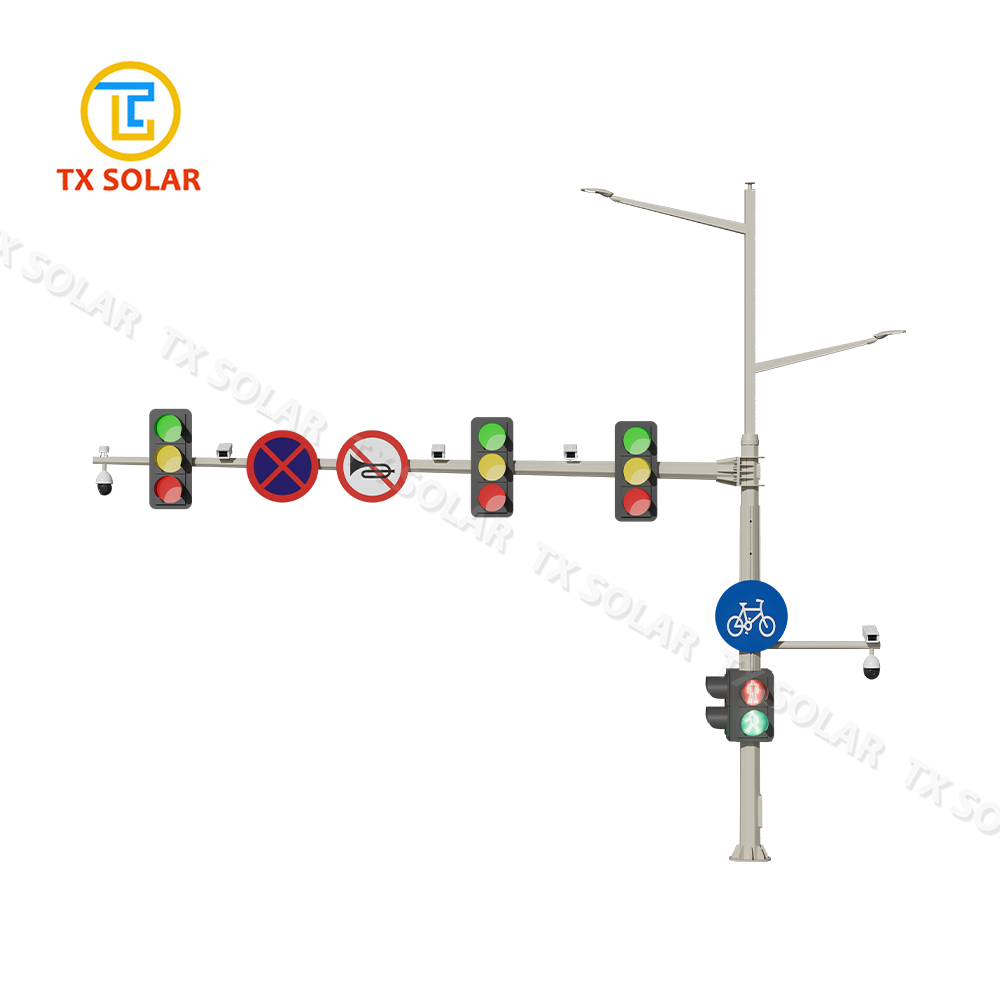
Parking lots are prone to security blind spots. CIGS poles can be customized with integrated CCTV security cameras, emergency SOS call buttons, and public announcement speakers. Because the poles generate their own power, these vital safety systems remain fully operational even during regional blackouts.
4. Living Labs for Academic Research
Modern universities use their own infrastructure as educational tools. By deploying CIGS solar technology, engineering, environmental science, and architecture departments can access real-time power generation data, giving students hands-on experience with advanced renewable energy systems.
PROFESSIONAL OUTDOOR LIGHTING MANUFACTURER SINCE 1996
Who We Are
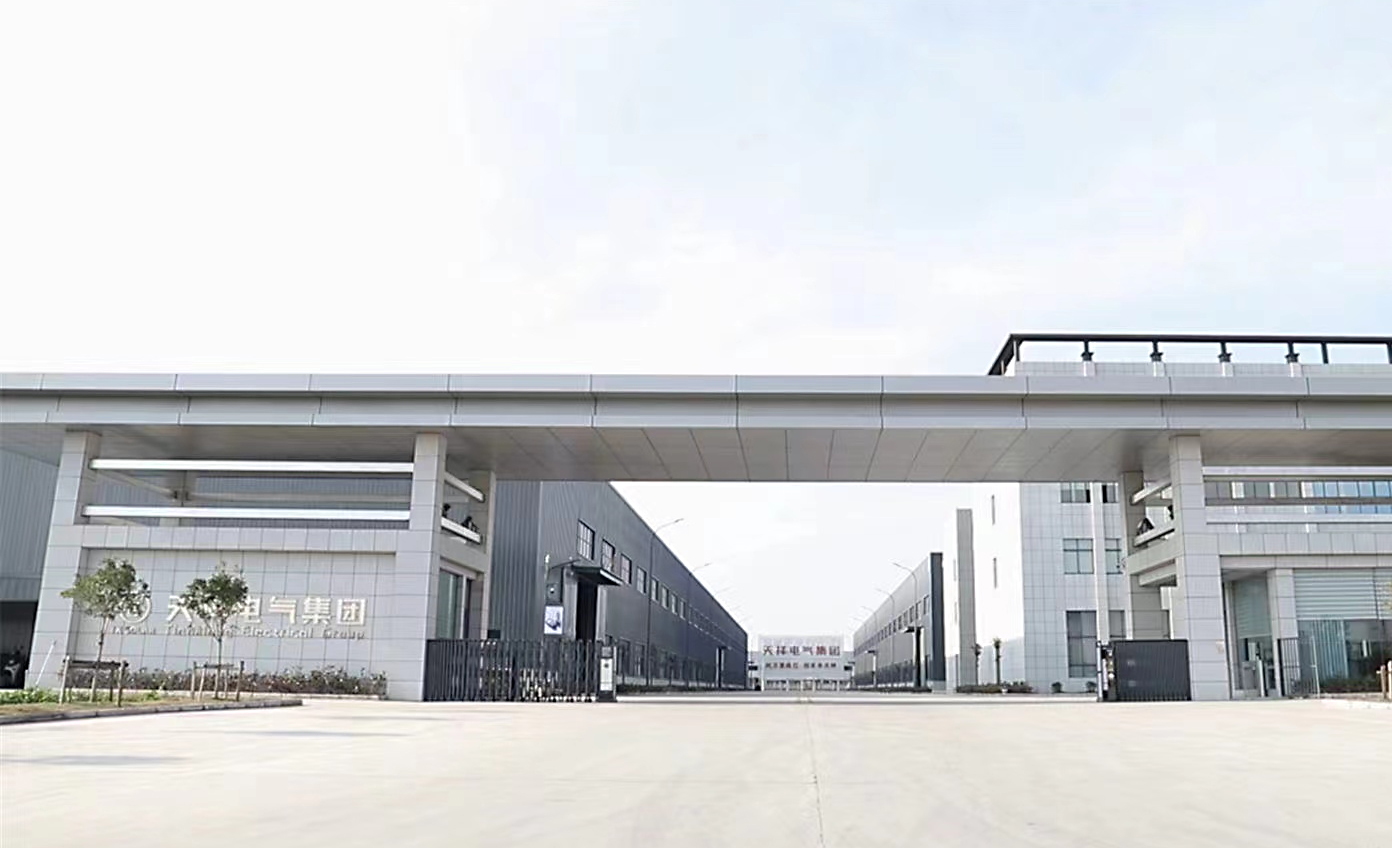
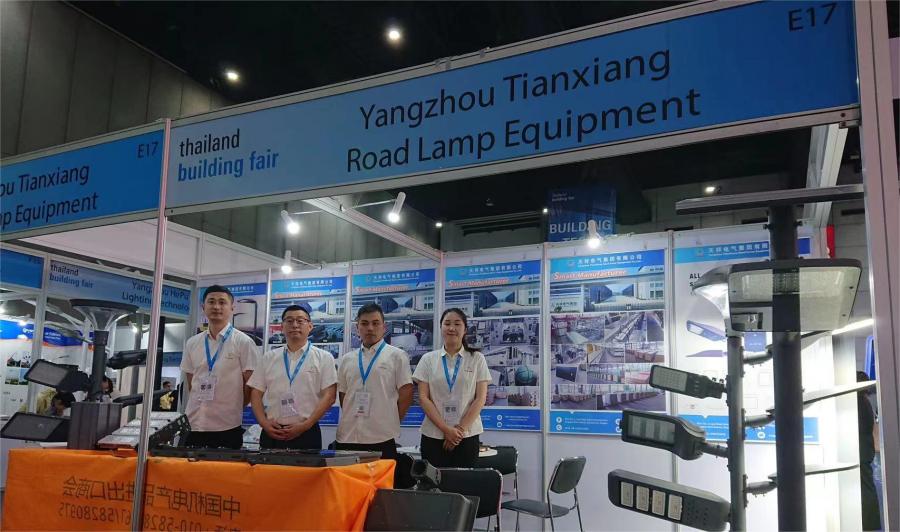
Yangzhou Tianxiang Road Lamp Equipment Co., Ltd. founded in 2008 and located in the smart Industrial Park of street lamp manufacturing base in Gaoyou City, Jiangsu Province, is a production-oriented enterprise focusing on street lamp manufacturing. At present, it has the most perfect and advanced digital production line in the industry. Up to now, the factory has been at the forefront of the industry in terms of production capacity, price, quality control, qualification and other competitiveness, with a cumulative number of lights on more than 1700000, in Africa and Southeast Asia, Many countries in South America and other regions occupy a large market share and become the preferred product supplier for many projects and engineering companies at home and abroad.
What We Have
The company was established in 1996, join this new industrial zone in 2008. Now we have more than 200 people, R & D Personal 12 people, engineer 16 people, QC 4 people, International trade department: 16 people, sales department(china): 12 people.
Our expansive manufacturing capabilities allow us to customize solar poles to meet the precise wind load, solar irradiation, and aesthetic requirements of school districts and university boards worldwide. By managing everything from steel fabrication to solar panel integration in-house, we guarantee unmatched product longevity and structural integrity.
Enterprise Culture & Values


Our Mission
Continuous improvement, technological innovation, and the pursuit of 100% customer satisfaction.


Our Vision
To be the world's leading brand in renewable energy and energy efficient lighting.


Our Value
Open, harmonious, pragmatic and innovative.
Major Events of the Enterprise
1996
Tianxiang was established, laying the foundation for professional outdoor lighting manufacturing.
2008
Relocated to the Smart Industrial Park in Gaoyou City, expanding digital production lines.
2015
Pioneered early-stage integration of high-capacity lithium batteries with smart solar controllers.
Present
A cumulative total of over 1.7 million lights illuminated globally, leading CIGS solar advancements.
What You Get
We have a powerful R&D and engineer team, that offer exceptional products and technical supports, and we have our own solar panel, solar battery and lighting workshops. Partnering with Tianxiang ensures a seamless transition to clean, reliable campus lighting.
Complete Campus Lighting & Support Infrastructure
-

E-mail
-

Whatsapp
-

Top


