
Featured Solar Parking Lot Lights
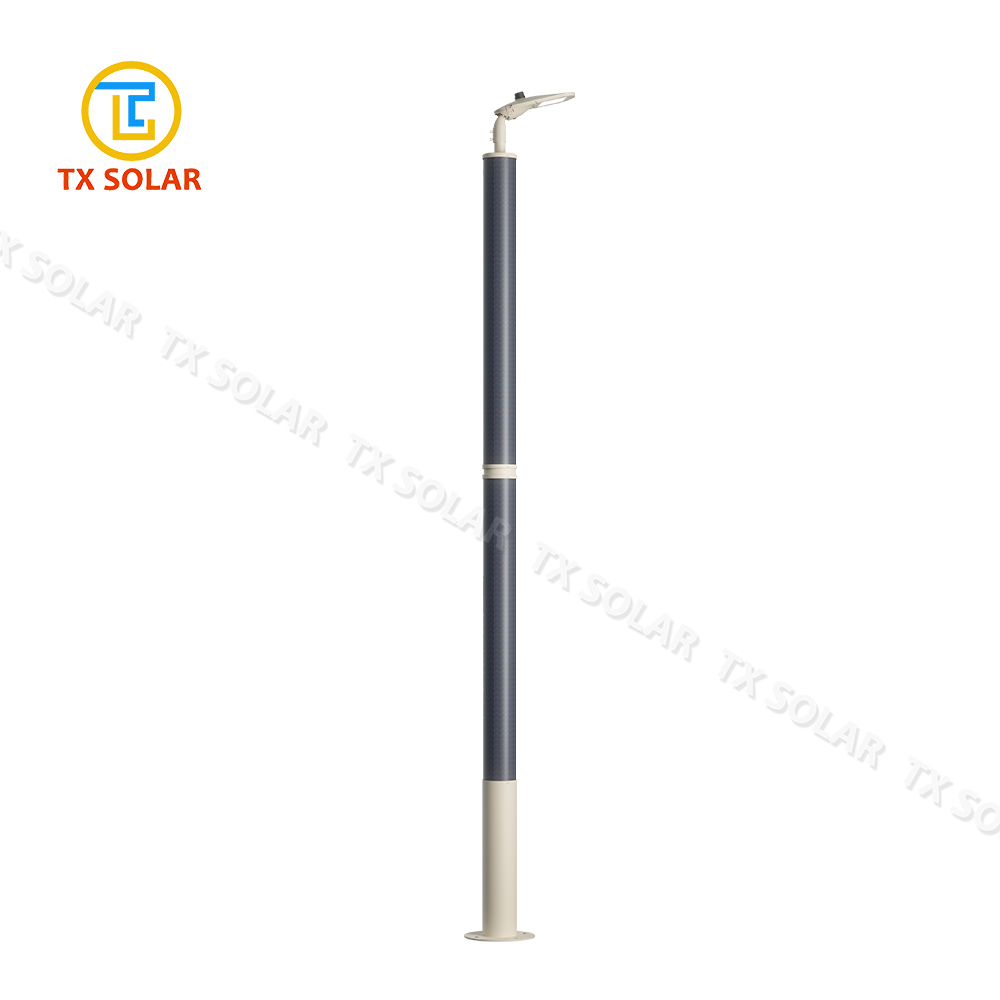
Commercial Parking Lot Vertical Solar Pole Light with Flexible Solar Panel
View Product Details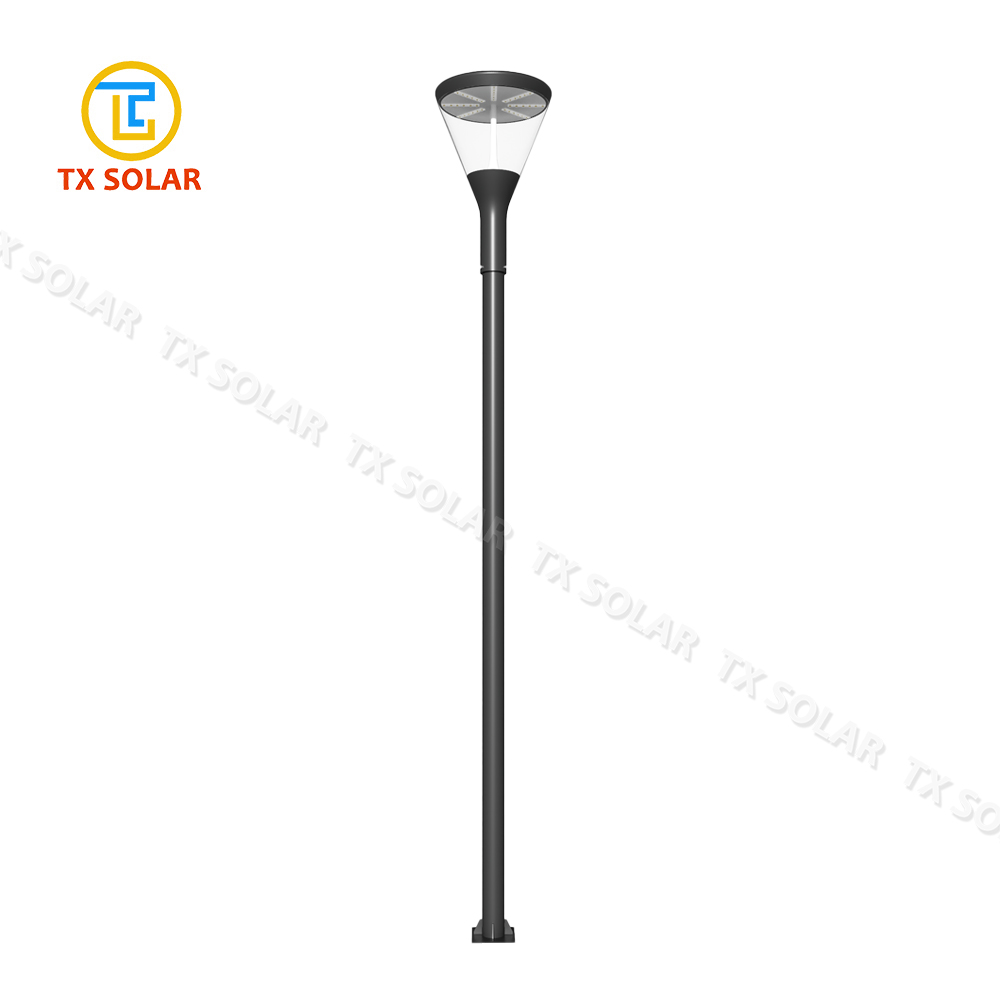
Waterproof Commercial Parking Lot Perimeter Solar Post Light
View Product Details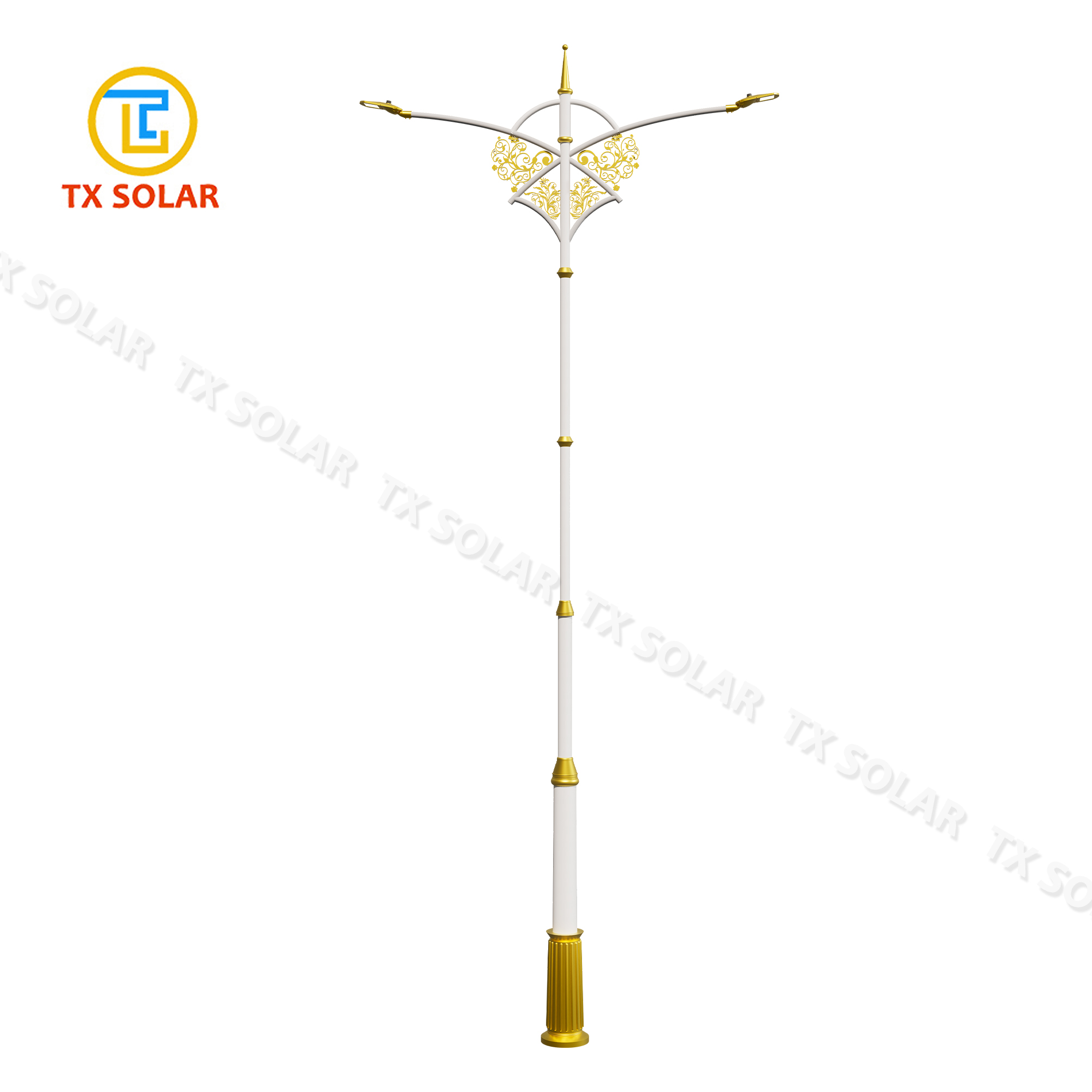
Heavy-Duty Galvanized Solar Post Light for Commercial Parking Lots
View Product Details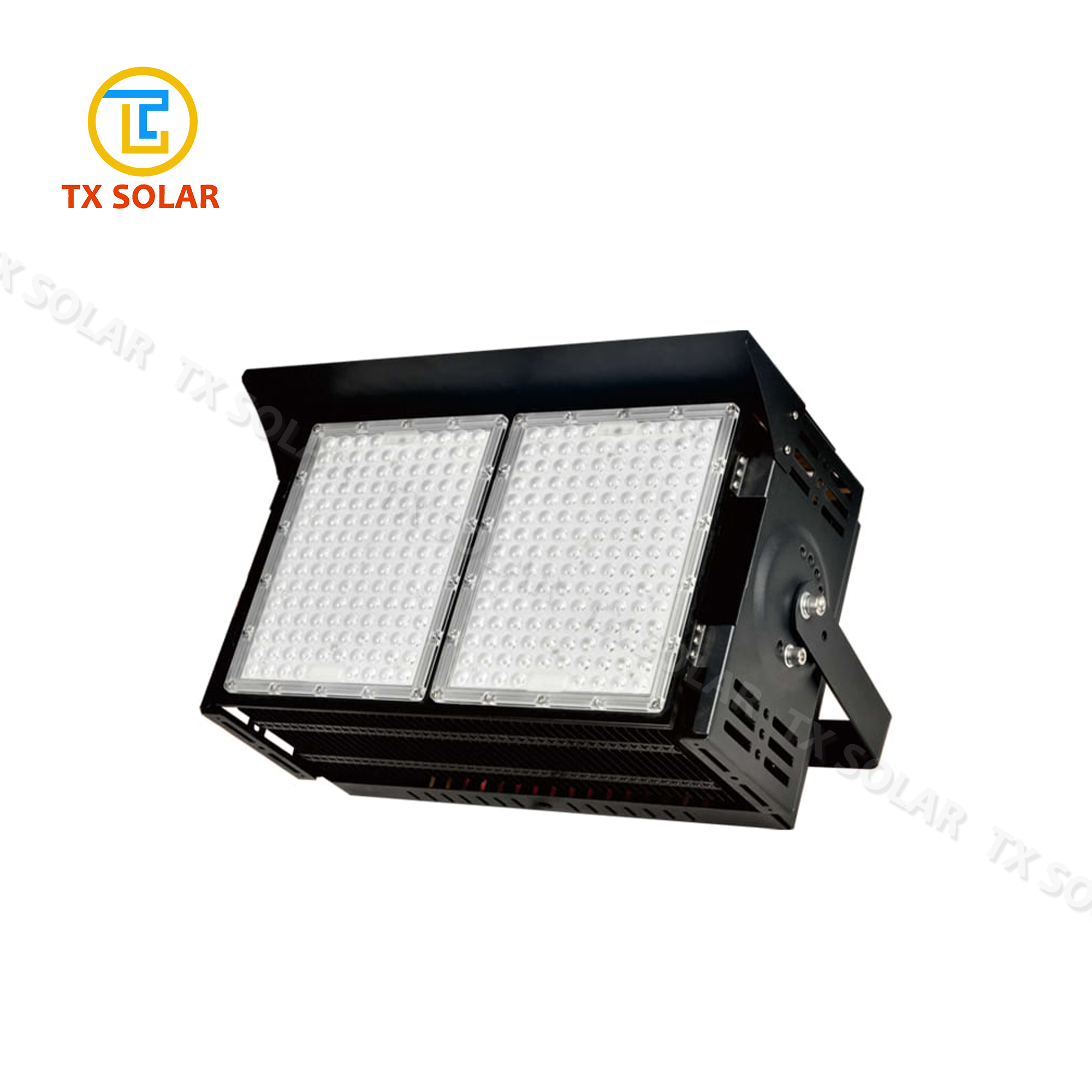
High-Lumen Solar Flood Light for Large Commercial Parking Lots
View Product DetailsCommercial Parking Lot Lighting: The Shift to Solar Post Lights
The commercial and industrial outdoor lighting landscape is undergoing a monumental paradigm shift. As corporate entities, municipal bodies, and property developers seek to minimize carbon footprints while reducing operational expenses, the selection of the best solar post light for commercial parking lots has become a pivotal strategic decision. Traditional grid-tied lighting systems, which once dominated the parking lot infrastructures of shopping centers, corporate parks, and distribution hubs, are increasingly being replaced by high-efficiency, self-sustaining solar post lights.
Modern parking lots demand high-intensity, reliable, and uniform illumination to ensure safety, deter criminal activities, and facilitate smooth traffic flow. Historically, achieving this level of performance meant enduring exorbitant costs associated with trenching, running electrical conduits, repairing damaged asphalt, and paying monthly utility bills. Industrial solar post lights bypass these challenges completely. By harvesting solar energy during the day and employing high-capacity energy storage systems paired with advanced LED luminaires, these systems deliver continuous, grid-independent illumination throughout the night.
Why Commercial Operators are Choosing Solar:
The installation of traditional grid-tied lights in an existing parking lot can cost thousands of dollars per pole in trenching alone. Solar post lights eliminate all underground wiring, asphalt cutting, and electrical permitting, offering an immediate return on investment (ROI) from day one of installation.
Industrial & Commercial Solar Lighting Industry Trends
Several key trends are driving the adoption of solar post lights in commercial sectors. The integration of Internet of Things (IoT) smart controllers tops this list. Modern parking lot lighting is no longer a static utility; it is a dynamic network of smart nodes. Solar poles equipped with IoT modules allow facility managers to monitor battery health, track solar energy conversion rates, adjust dimming profiles remotely, and receive real-time maintenance alerts via centralized software dashboards.
Furthermore, the evolution of battery chemistry has drastically improved system autonomy. The industry has transitioned from heavy, short-lived lead-acid or gel batteries to high-performance Lithium Iron Phosphate (LiFePO4) batteries. These cells offer superior thermal stability, a depth of discharge (DoD) of up to 90%, and a lifespan exceeding 10 years, even when subjected to harsh temperature fluctuations typical of open-air parking environments.
Deep Application Scenarios & Technical Layout Strategies
1. Retail Centers and Shopping Malls
In retail parking environments, aesthetics and high visibility are critical. Customers must feel safe walking to their vehicles at night. The ideal configuration involves double-arm solar post lights placed at 30-meter intervals along central driveways, delivering a minimum of 20 lux at ground level. The architectural design of the poles must align with the brand image of the retail center.
2. Logistics Hubs and Industrial Warehouses
These facilities operate 24/7, with heavy truck traffic requiring exceptional glare-free visibility. High-lumen solar floodlights mounted on heavy-duty galvanized steel poles are deployed here. These poles must withstand physical impacts and high wind loads, ensuring that loading docks and transit routes remain brightly illuminated without blind spots.
3. Corporate Offices and LEED-Certified Buildings
Developers aiming for green building certifications (such as LEED or BREEAM) utilize vertical solar pole lights. These poles feature flexible monocrystalline solar panels wrapped seamlessly around the vertical shaft. This design not only maximizes solar collection efficiency throughout the day but also provides a sleek, futuristic appearance that complements modern architecture.
4. Public Parks and Municipal Parking Lots
Vandalism resistance and long-term durability are paramount for public spaces. Utilizing IP65-rated, hot-dip galvanized decorative posts ensures that the infrastructure resists corrosion caused by coastal air, road salt, and environmental pollutants, minimizing municipal maintenance budgets over decades.
Design Tip for Commercial Layouts:
When designing a solar parking lot layout, always account for local solar radiation data (Peak Sun Hours). A professional solar lighting manufacturer will run a DIALux simulation to ensure the pole spacing, luminaire angle, and battery capacity guarantee 3 to 5 days of system autonomy during overcast or rainy weather.
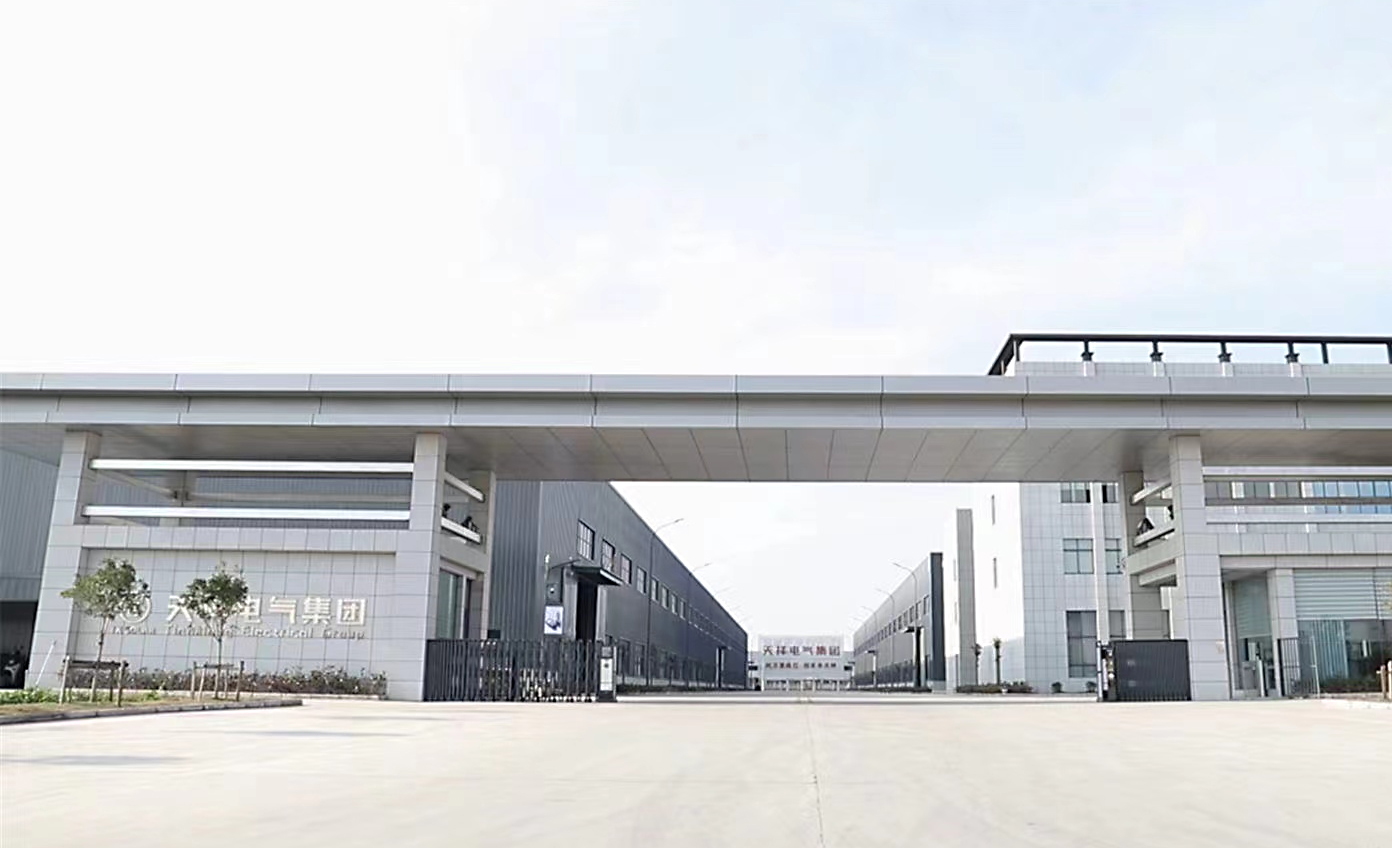
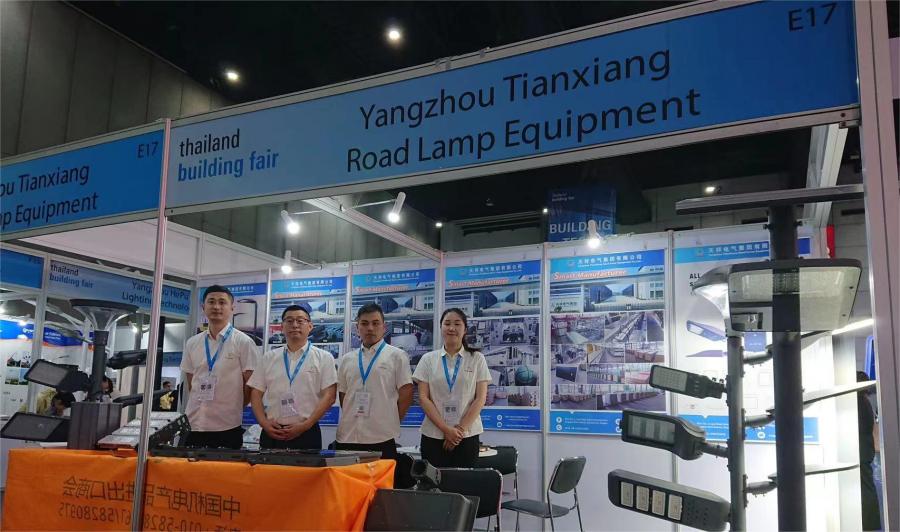
Yangzhou Tianxiang Road Lamp Equipment Co., Ltd.
Founded in 2008 and located in the smart Industrial Park of street lamp manufacturing base in Gaoyou City, Jiangsu Province, Yangzhou Tianxiang Road Lamp Equipment Co., Ltd. is a production-oriented enterprise focusing on street lamp manufacturing. At present, it has the most perfect and advanced digital production line in the industry.
Up to now, the factory has been at the forefront of the industry in terms of production capacity, price, quality control, qualification and other competitiveness. With a cumulative number of lights on exceeding 1,700,000, our products occupy a large market share in Africa, Southeast Asia, South America, and other regions, making us the preferred product supplier for many key projects and engineering companies both domestically and internationally.
Our company was originally established in 1996 and joined this new industrial zone in 2008. Today, our team boasts more than 200 dedicated professionals, including 12 R&D specialists, 16 engineers, 4 Quality Control (QC) experts, 16 members in our International Trade Department, and 12 sales representatives covering the domestic market.
Unparalleled Manufacturing & Engineering Capabilities
By operating our own state-of-the-art solar panel, solar battery, and lighting assembly workshops, we maintain strict control over the entire supply chain. This vertical integration allows us to customize solar post lights to meet the exact technical specifications of any commercial parking lot project.
Whether you require decorative poles for high-end commercial properties or heavy-duty galvanized double-arm poles for industrial zones, our engineering team provides comprehensive technical support, photometrics calculations, and structural wind load analyses to ensure long-term operational success.
Tianxiang Enterprise Culture
-


Our Mission
Continuous improvement, technological innovation, and the pursuit of 100% customer satisfaction across all lighting projects.
-


Our Vision
To be the world's leading brand in renewable energy applications and energy-efficient commercial lighting solutions.
-


Our Value
Open, harmonious, pragmatic, and innovative. We foster a collaborative environment to drive the green energy transition.
Key Parameters for Choosing the Best Solar Post Light
When evaluating solar post lights for commercial parking facilities, procurement managers and engineers must analyze several critical technical specifications to ensure system reliability and compliance with local lighting standards:
Solar Panel Type & Conversion Efficiency
Monocrystalline silicon panels are the gold standard, offering conversion efficiencies of 21% to 23%. For curved poles or integrated vertical designs, flexible monocrystalline panels are wrapped around the pole shaft. This design prevents snow accumulation and dust build-up, ensuring consistent energy absorption even in high-latitude regions.
Luminous Efficacy of LEDs
It is not just about the wattage; it is about the lumens per watt (lm/W). High-efficacy LED chips can produce up to 180-200 lm/W. This allows the system to deliver high-brightness illumination while drawing less power from the battery, extending the overall autonomy of the system during periods of consecutive rain.
Intelligent Controller (MPPT)
Maximum Power Point Tracking (MPPT) controllers are essential for commercial systems. They optimize the voltage match between the solar array and the battery bank, increasing charging efficiency by up to 30% compared to older PWM controllers. Smart MPPTs also feature programmable dimming profiles, allowing the light to run at 100% capacity during peak parking hours and dim to 30% during late-night hours, saving valuable energy.
Ingress Protection (IP Rating) & Durability
Parking lot lights are exposed to severe weather. An IP65 rating is the absolute minimum requirement, while IP66 or IP67 is preferred for coastal or high-precipitation areas. The structural pole must be hot-dip galvanized to prevent rust and corrosion, ensuring structural integrity for over 25 years.
Comprehensive Commercial Solar Lighting Range
Commercial Parking Lot Vertical Solar Pole Light with Flexible Solar Panel
View Product Details
Waterproof Commercial Parking Lot Perimeter Solar Post Light
View Product Details
Heavy-Duty Galvanized Solar Post Light for Commercial Parking Lots
View Product Details
High-Lumen Solar Flood Light for Large Commercial Parking Lots
View Product Details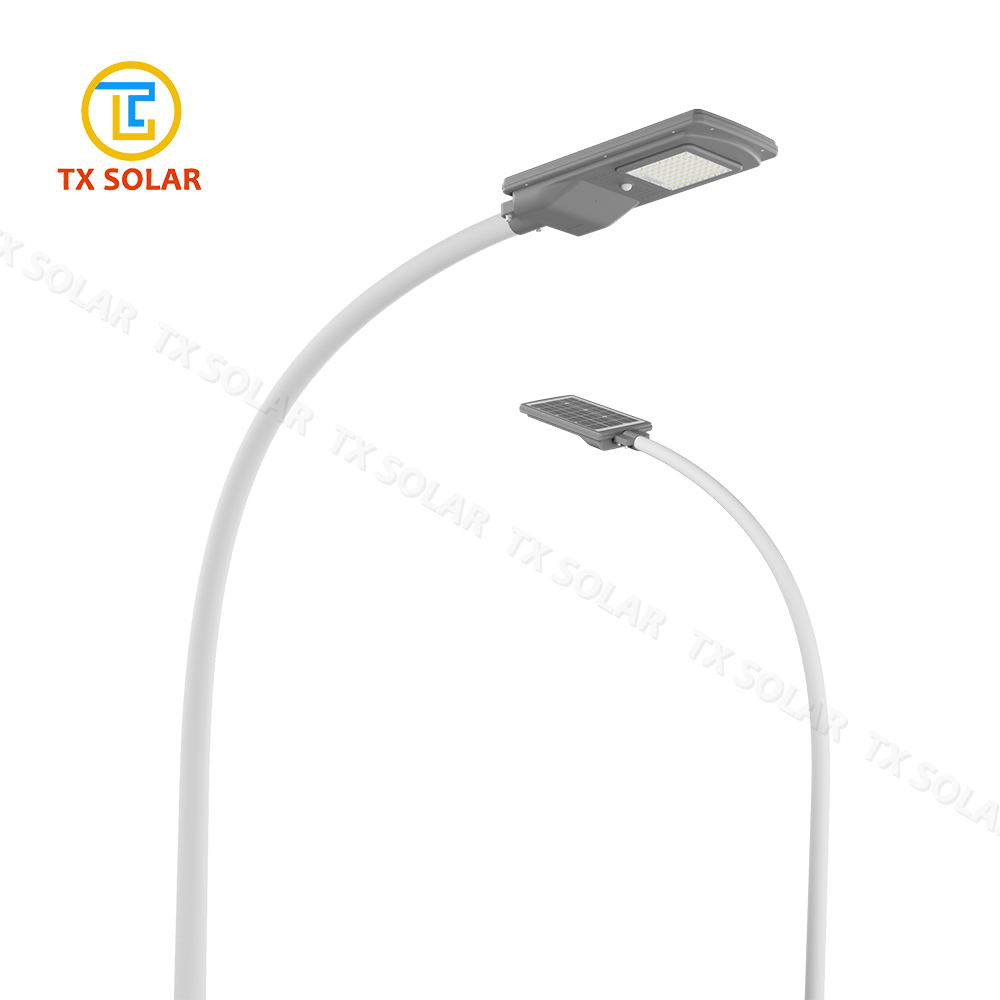
30W Compact All-In-One Solar Post Light for Parking Walkways
View Product Details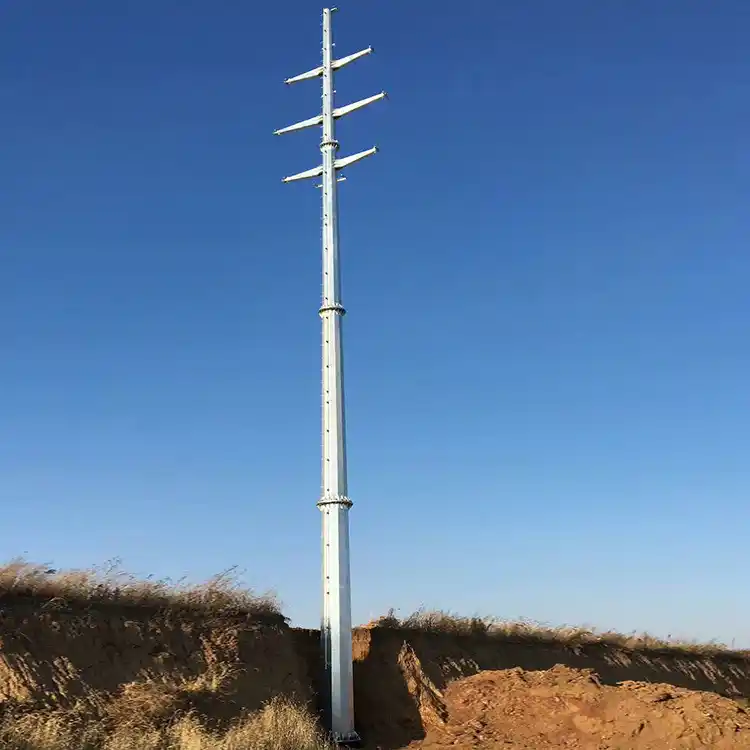
Galvanized Steel Power Pole for Commercial Parking Lot Lighting Grid
View Product Details
IoT Smart Solar Post Light System for Commercial Parking Lots
View Product Details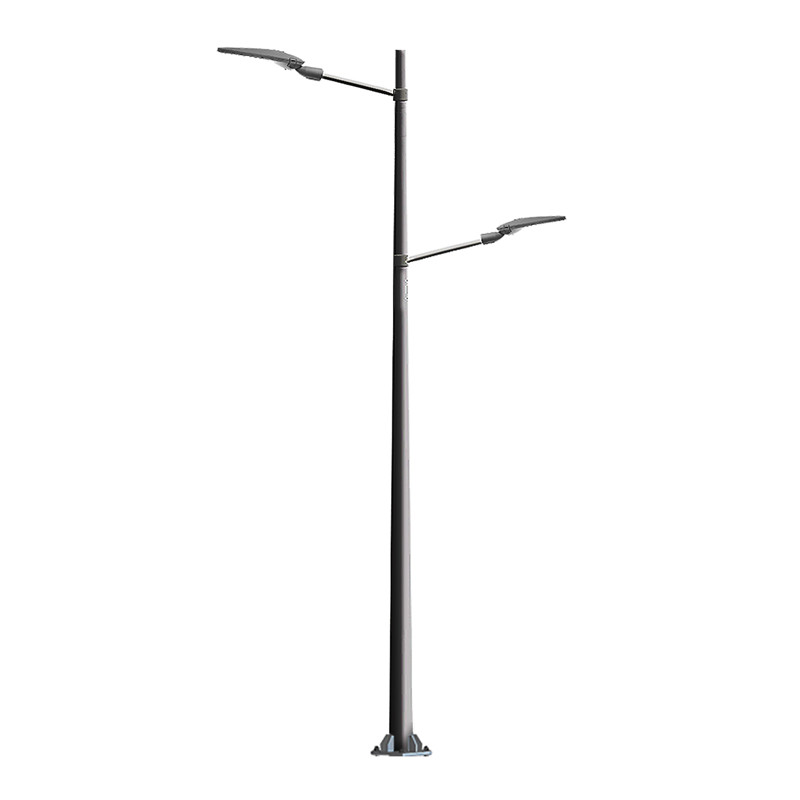
Double-Arm Commercial Parking Lot Solar Post Light Pole
View Product Details-

E-mail
-

Whatsapp
-

Top


