
Featured Coastal Resort Lighting Solutions
Explore our top-performing solar and structural systems tailored for maritime applications.

Wind Resistant Anti-Corrosion Coastal Resort Light Pole
View Product Details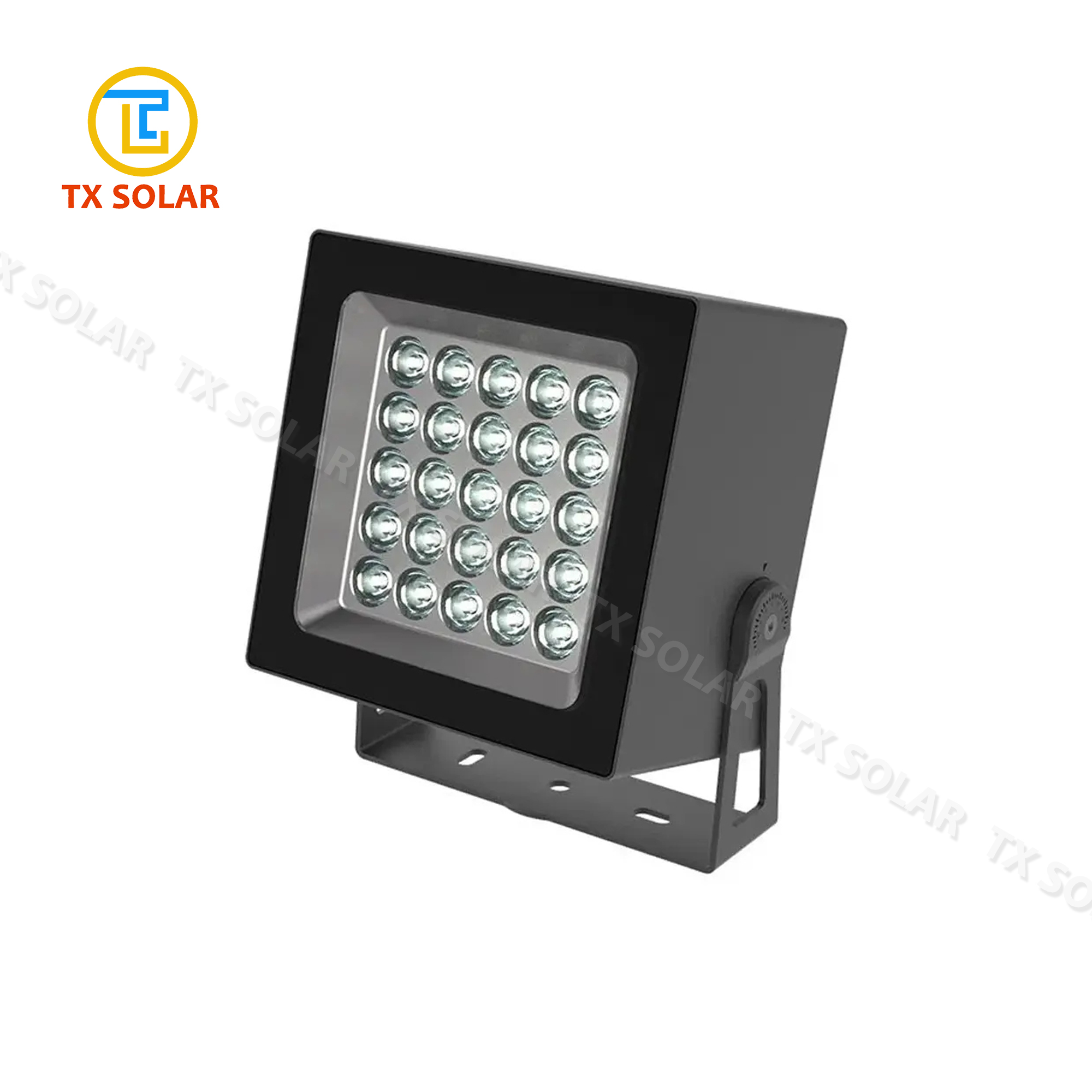
Dimmable Color IP66 Smart RGBW Beach Resort Flood Light
View Product Details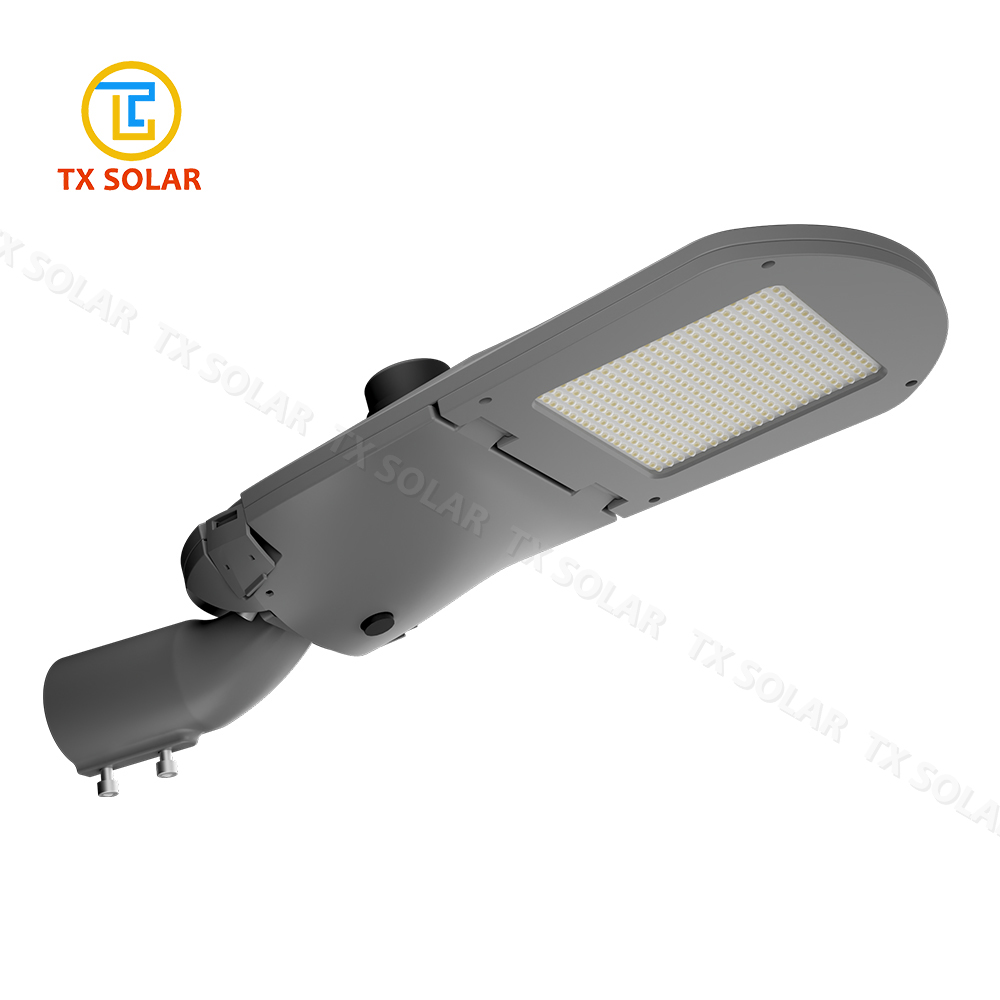
High Brightness Coastal Promenade LED Street Light
View Product Details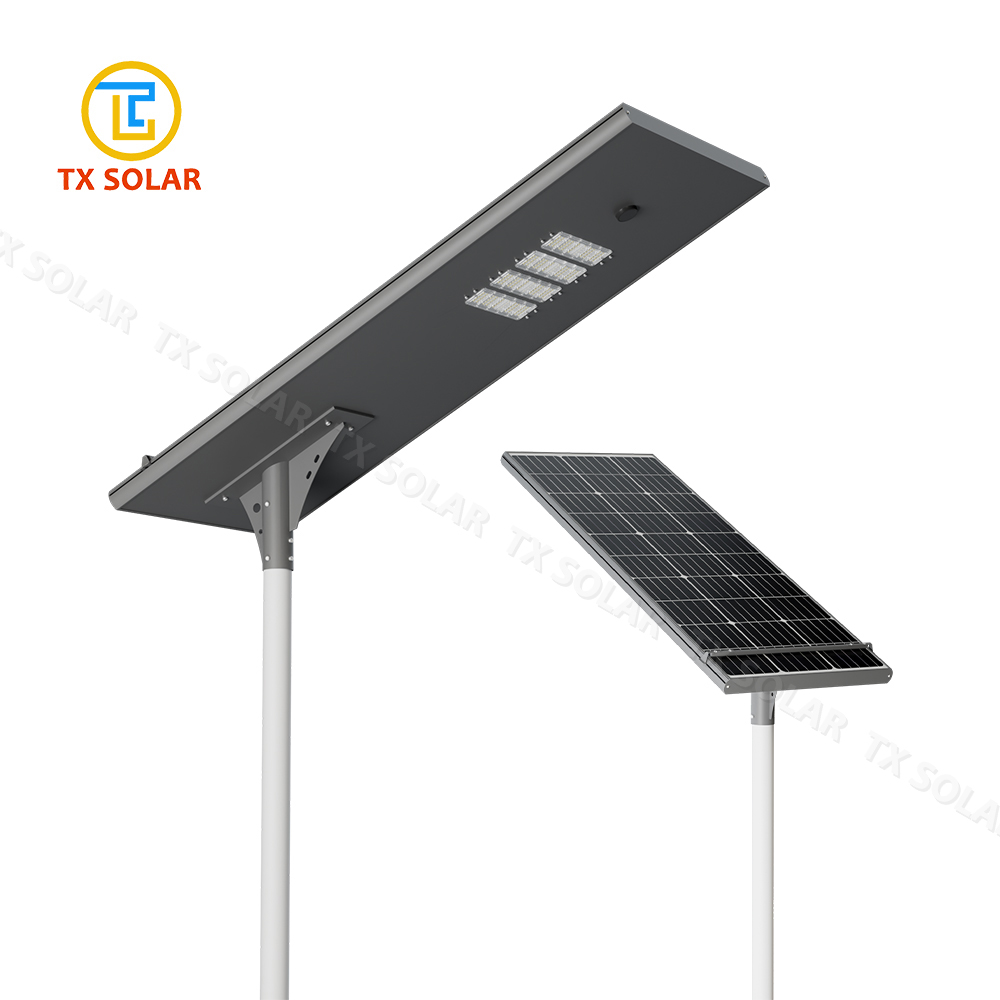
Automatic Self Clean All-In-One Beach Solar Street Light
View Product DetailsThe Commercial and Industrial Paradigm of Coastal Solar Post Lighting
In the global hospitality sector, the drive toward absolute sustainability has graduated from a marketing buzzword to a critical operational standard. Luxury beach resorts, seaside boutique hotels, and coastal municipal boardwalks are uniquely positioned at the intersection of high guest expectations and fragile natural ecosystems. Illumination in these zones plays a dual role: it must ensure guest safety and enhance architectural aesthetics while maintaining a minimal ecological footprint. Achieving this balance is where the selection of the best solar post light for coastal and beach resorts becomes paramount.
From an industrial perspective, the transition to off-grid solar-powered lighting systems is accelerating rapidly. Traditional grid-tied lighting systems require intensive trenching through sandy terrains, coastal dunes, and protected maritime zones. This process is not only logistically complex and labor-intensive but also causes significant ecological disruption. Running high-voltage copper cables under sands exposed to tidal shifts, high water tables, and salt-water intrusion inevitably leads to rapid cable degradation, short circuits, and safety hazards such as electrical leakage. By eliminating the grid connection, solar post lights eliminate the need for trenching, reducing initial installation labor and material costs by up to 60% while completely removing ongoing electricity expenses.
Furthermore, commercial resort developers are facing increasingly stringent environmental regulations. Coastal zones are often nesting grounds for endangered marine life, such as sea turtles. Standard high-intensity, unshielded outdoor lighting disorients nesting mothers and hatchlings, leading them away from the ocean. Modern solar post lights address this issue through advanced optical engineering, offering precise directional shielding and wildlife-friendly amber or low-Kelvin spectrums. Operating on intelligent programmed dimming profiles, these systems deliver optimal lighting when needed and dim down during critical wildlife activity periods, demonstrating how commercial pragmatism can align with ecological preservation.
Engineering Challenges: Surviving the Marine Microclimate
Deploying outdoor hardware in a coastal environment is one of the toughest challenges a lighting manufacturer can face. The marine microclimate is characterized by a destructive combination of high relative humidity, constant salt spray, intense ultraviolet (UV) radiation, and seasonal tropical storms. A standard solar light designed for inland residential use will typically fail within months under these conditions. To qualify as the best solar post light for coastal and beach resorts, a system must be engineered to withstand these specific threats:
1. Marine-Grade Anti-Corrosion Metallurgy
Saltwater acts as an electrolyte that accelerates galvanic and atmospheric corrosion. Standard iron or low-grade steel components rust rapidly, compromising both the structural integrity and aesthetic appeal of the fixture. High-performance coastal solar post lights must utilize marine-grade anodized aluminum alloys (such as 6000-series aluminum) or hot-dip galvanized steel poles. These structures undergo advanced multi-layer powder coating processes, certified to withstand over 1,000 hours of continuous salt spray testing without degradation.
2. High Ingress Protection (IP66/IP67) and Sealing
Fine coastal sand and high-humidity salt air can easily penetrate poorly sealed light enclosures, causing internal condensation and corroding delicate LED driver boards and battery terminals. The luminaire head must feature a minimum rating of IP66, with IP67 preferred for critical battery and controller housings. High-grade silicone gaskets and double-sealed compression glands are mandatory to maintain a hermetic seal over the system's lifespan.
3. Dynamic Wind Load Resilience
Coastal areas are prone to high-velocity winds and typhoons. Solar post lights, which carry the wind drag of both the luminaire head and the integrated solar panel, must be structurally calculated to withstand extreme wind loads. The poles must be engineered with robust wall thicknesses and heavy-duty anchor bolt assemblies capable of resisting wind speeds exceeding 150 km/h.
By addressing these challenges at the engineering stage, manufacturers can guarantee a system lifespan of 10 to 15 years, significantly lowering the total cost of ownership (TCO) for resort operators and providing reliable, uninterrupted service even during the most severe coastal storm seasons.
In-Depth Application Scenarios Across Coastal Resorts
A luxury beach resort is composed of diverse micro-environments, each requiring a distinct lighting strategy. A one-size-fits-all approach fails to capture the architectural nuances and safety requirements of different resort zones. Implementing solar post lights effectively requires mapping them to these specific applications:
Beachfront Promenades and Boardwalks
Boardwalks and beachfront walkways require uniform, glare-free illumination to ensure guest safety during evening strolls. Because these paths directly border the ocean, the lighting must be highly directional. Solar post lights equipped with asymmetric optics project light forward along the path while preventing backward spill onto the beach. This maintains the natural dark beach aesthetic for guests enjoying the night sky and protects local marine fauna from light pollution.
Resort Gardens, Pathways, and Villa Walkways
Landscaped gardens and pathways connecting guest villas to central amenities demand warm, inviting illumination (typically 2700K to 3000K) to create a relaxed, luxurious ambiance. Solar post lights can be placed along winding paths without the need to disrupt mature tropical landscaping for wiring. Integrating smart motion sensors allows these lights to operate at a dimmed standby level (e.g., 20% brightness) and ramp up to 100% only when a guest is detected, conserving battery power and minimizing light pollution during late-night hours.
Piers, Docks, and Marinas
Safety is of paramount importance near the water's edge. Solar post lights installed on piers and boat docks must handle direct water splashing and extreme humidity. They provide critical visual guidance for guests boarding boats or walking near deep water. These fixtures must feature highly durable marine-grade brackets and non-glare diffusers to prevent blinding captains navigating vessels toward the docks.
Perimeter Security and Remote Access Monitoring
Large-scale resorts often have extensive perimeters and remote beach access points that are difficult to monitor. Integrating intelligent solar street light poles equipped with CCTV cameras and motion-activated floodlights provides an off-grid security solution. Because these poles generate and store their own power, they can be deployed in remote areas without the massive expense of running power and fiber-optic data cables across the property.
Technological Innovations Driving Coastal Solar Lighting
The rapid evolution of renewable energy technologies has introduced several innovations that make solar post lighting highly reliable in coastal environments:
- Bifacial Solar Panels: Unlike traditional panels, bifacial solar panels capture light from both sides. They absorb direct sunlight from above and reflected light (albedo) from the surrounding white beach sand or concrete pathways below, increasing energy generation by up to 25%.
- Lithium Iron Phosphate (LiFePO4) Batteries: The industry has transitioned from lead-acid to LiFePO4 chemistry. These batteries offer over 3,000 charge cycles, a lifespan of 8-10 years, and superior thermal stability, allowing them to operate safely in hot, humid tropical resort climates.
- Automated Self-Cleaning Systems: Salt crust, sand, and bird droppings quickly accumulate on solar panels, blocking sunlight and reducing efficiency. Integrated mechanical cleaning wipers or hydrophobic coatings ensure the panels remain clean and charge at peak efficiency with zero manual maintenance.
- IoT-Enabled Smart Controllers: Modern solar post lights feature Maximum Power Point Tracking (MPPT) controllers integrated with Internet of Things (IoT) modules. Resort operators can monitor battery health, adjust dimming profiles, and track energy savings across the entire property from a centralized digital dashboard.
Yangzhou Tianxiang Road Lamp Equipment Co., Ltd.
Yangzhou Tianxiang Road Lamp Equipment Co., Ltd. founded in 2008 and located in the smart Industrial Park of street lamp manufacturing base in Gaoyou City, Jiangsu Province, is a production-oriented enterprise focusing on street lamp manufacturing. At present, it has the most perfect and advanced digital production line in the industry. Up to now, the factory has been at the forefront of the industry in terms of production capacity, price, quality control, qualification and other competitiveness, with a cumulative number of lights on more than 1700000, in Africa and Southeast Asia, Many countries in South America and other regions occupy a large market share and become the preferred product supplier for many projects and engineering companies at home and abroad.
The company was established in 1996, join this new industrial zone in 2008. Now we have more than 200 people, R & D Personal 12 people, engineer 16 people, QC 4 people, International trade department: 16 people, sales department(china): 12 people.
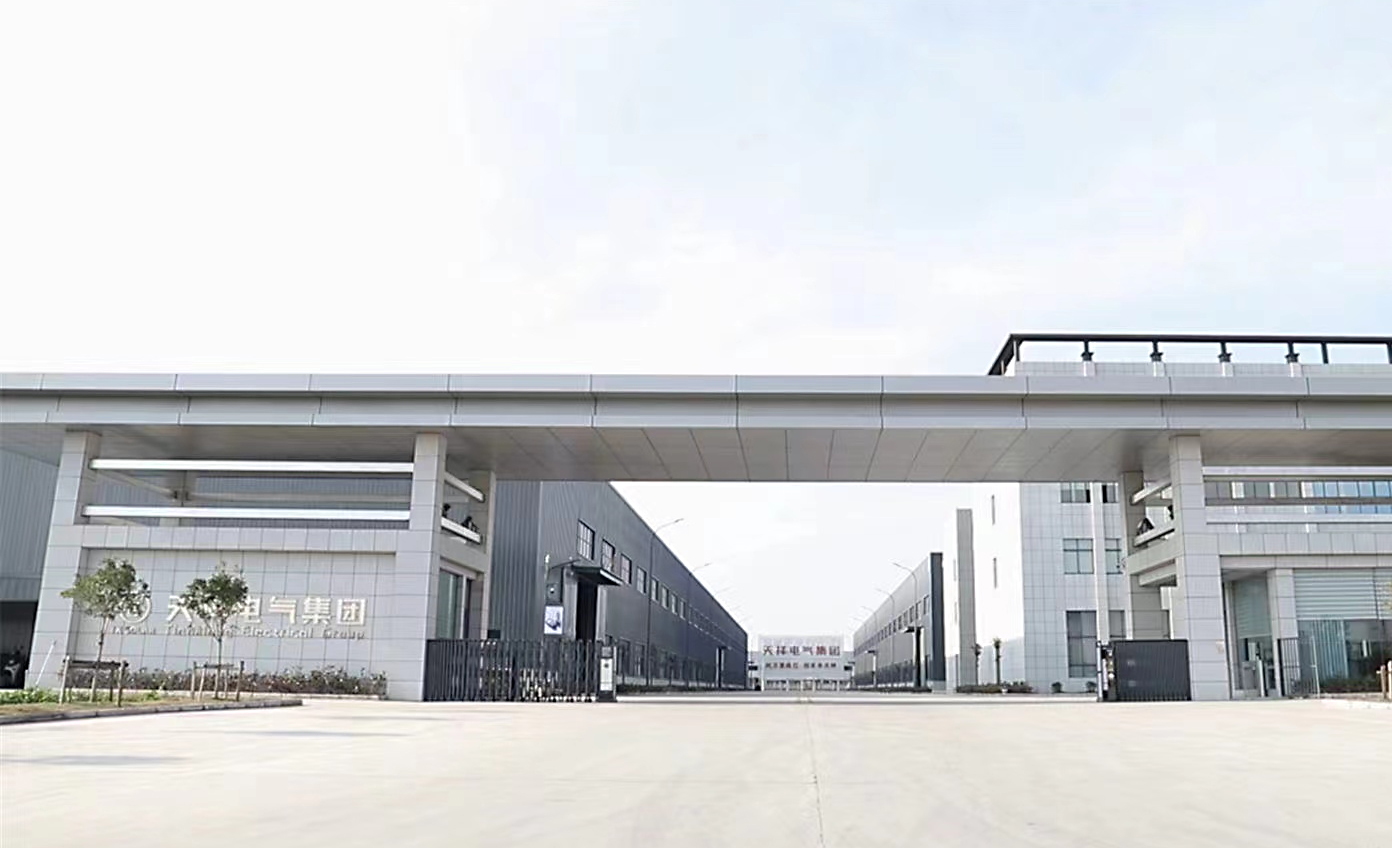
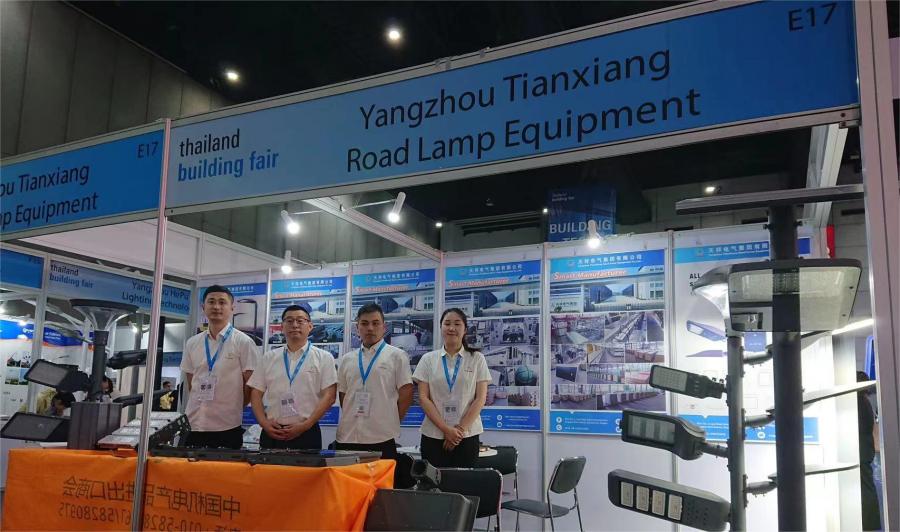
PROFESSIONAL OUTDOOR LIGHTING MANUFACTURER SINCE 1996
With decades of manufacturing expertise, Yangzhou Tianxiang integrates advanced R&D with vertical production capabilities. By manufacturing our own solar panels, batteries, and luminaires, we guarantee that every solar post light is optimized for the harsh conditions of coastal and beach resorts.
Our engineering team provides comprehensive support from project layout design to structural wind-load calculations, ensuring your resort lighting is both beautiful and built to last.


Our Mission
Continuous improvement, technological innovation, and the pursuit of 100% customer satisfaction.


Our Vision
To be the world's leading brand in renewable energy and energy efficient lighting.


Our Value
Open, harmonious, pragmatic and innovative.
What You Get With Yangzhou Tianxiang
We have a powerful R&D and engineer team, that offer exceptional products and technical supports, and we have our own solar panel, solar battery and lighting workshops.
MAJOR Events of the Enterprise
Since our inception in 1996 and relocation to the Gaoyou Smart Industrial Park in 2008, Tianxiang has continuously upgraded its production lines. Today, our fully digital production workflows allow us to supply high-quality, wind-resistant, and anti-corrosion lighting solutions to major coastal developments, resorts, and municipal projects globally.
Our Complete Coastal Resort Product Line
Explore our full range of marine-grade poles, smart floodlights, street lights, and garden lamps.
Wind Resistant Anti-Corrosion Coastal Resort Light Pole
View Details
Dimmable Color IP66 Smart RGBW Beach Resort Flood Light
View Details
High Brightness Coastal Promenade LED Street Light
View Details
Automatic Self Clean All-In-One Beach Solar Street Light
View Details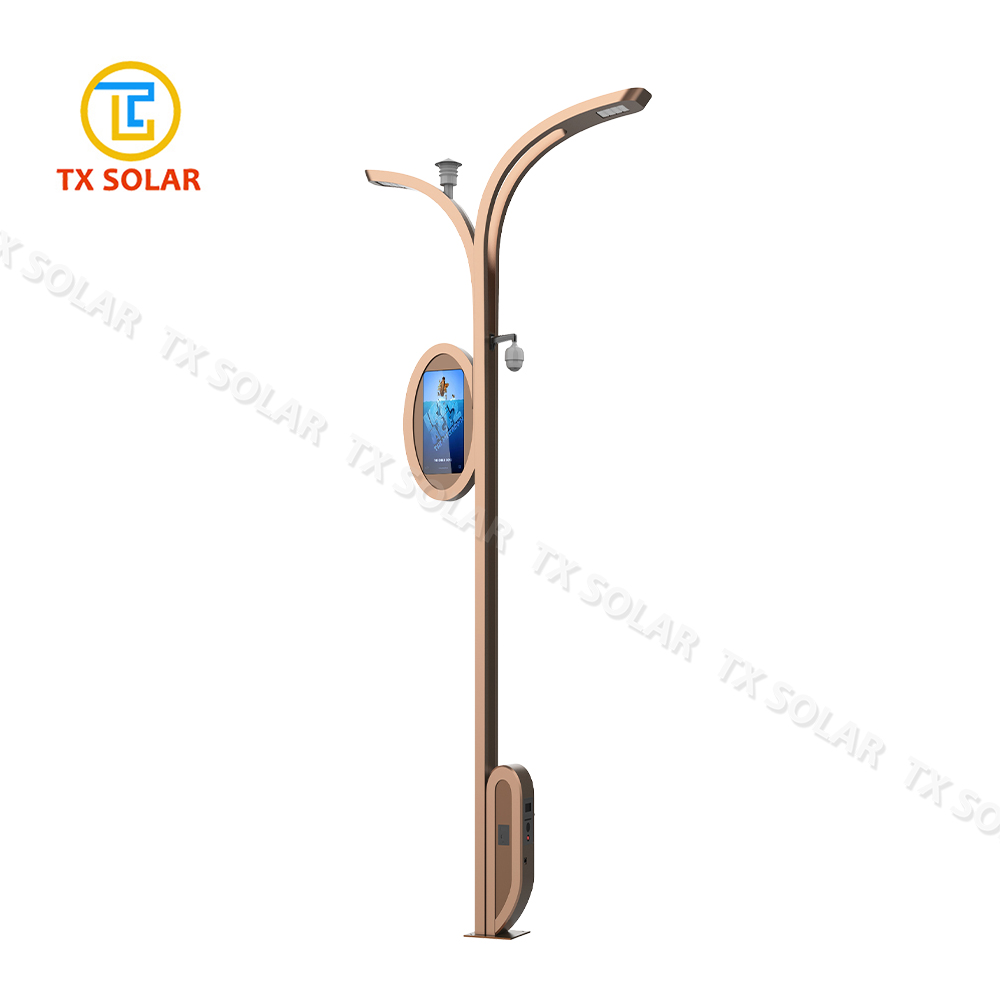
Intelligent Coastal LED Street Light Pole with CCTV Camera
View Details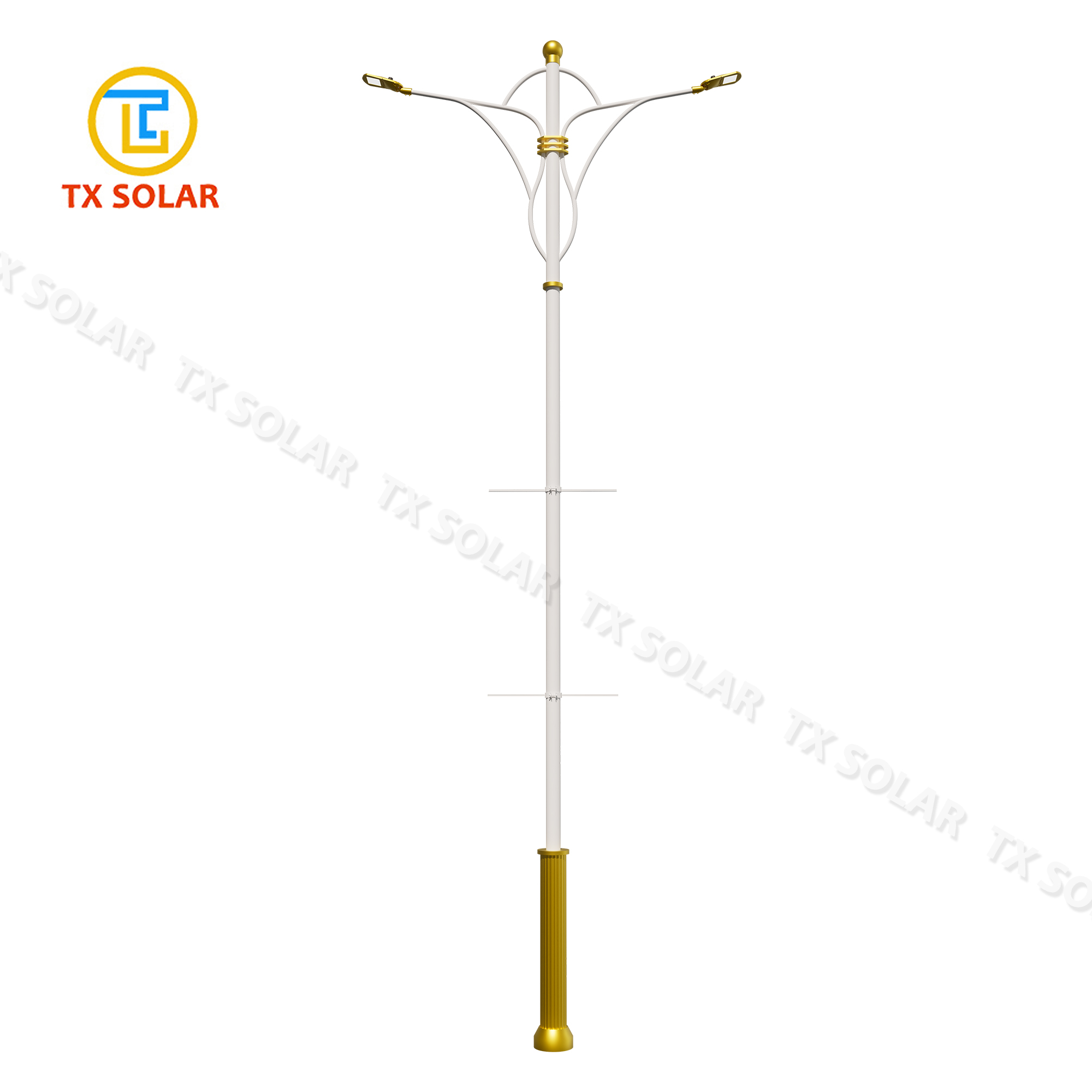
Decorative 3-6M Steel Resort Outdoor Lighting Pole
View Details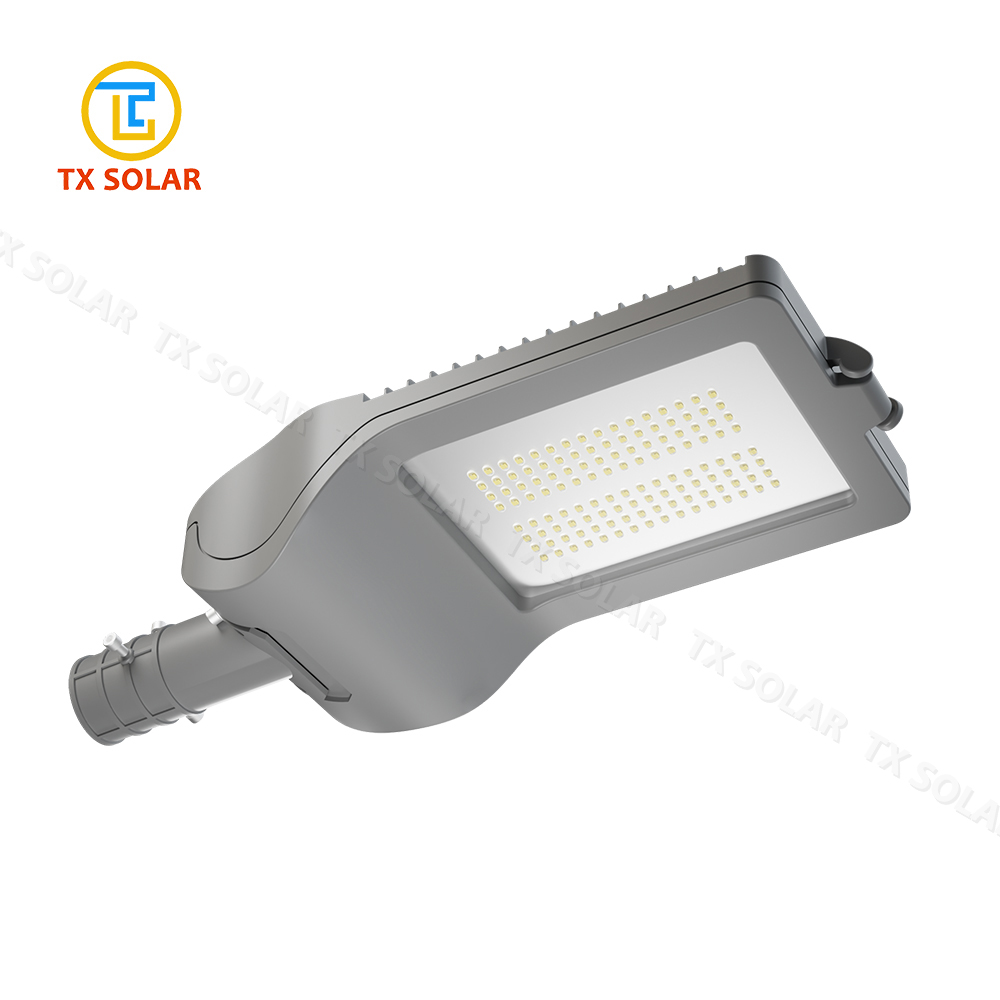
CE Certificate IP66 Marine Grade LED Street Light
View Details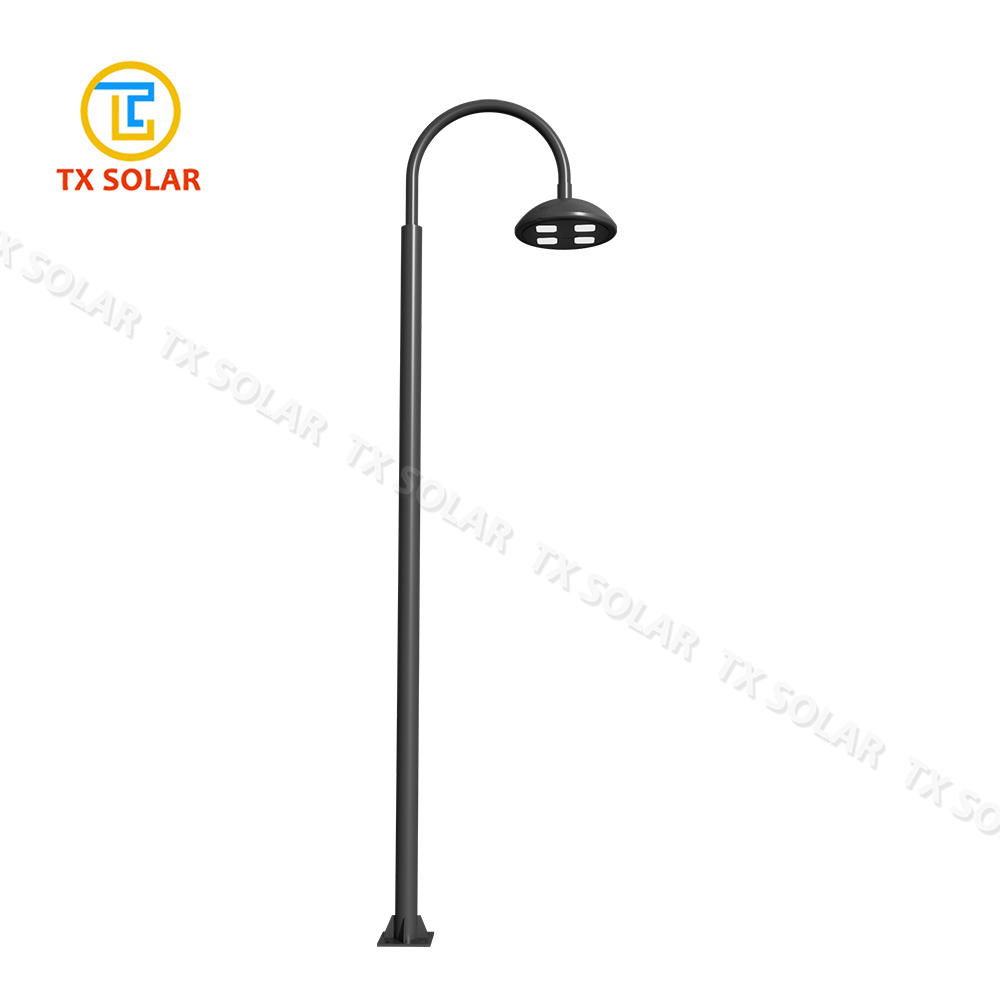
Aluminum Alloy Coastal Garden Light Lamp
View Details-

E-mail
-

Whatsapp
-

Top


