
Premium Solar Lighting Products for Mexico
Explore our top-tier solar lighting systems designed to meet the rigorous climate and infrastructure demands of Mexico.
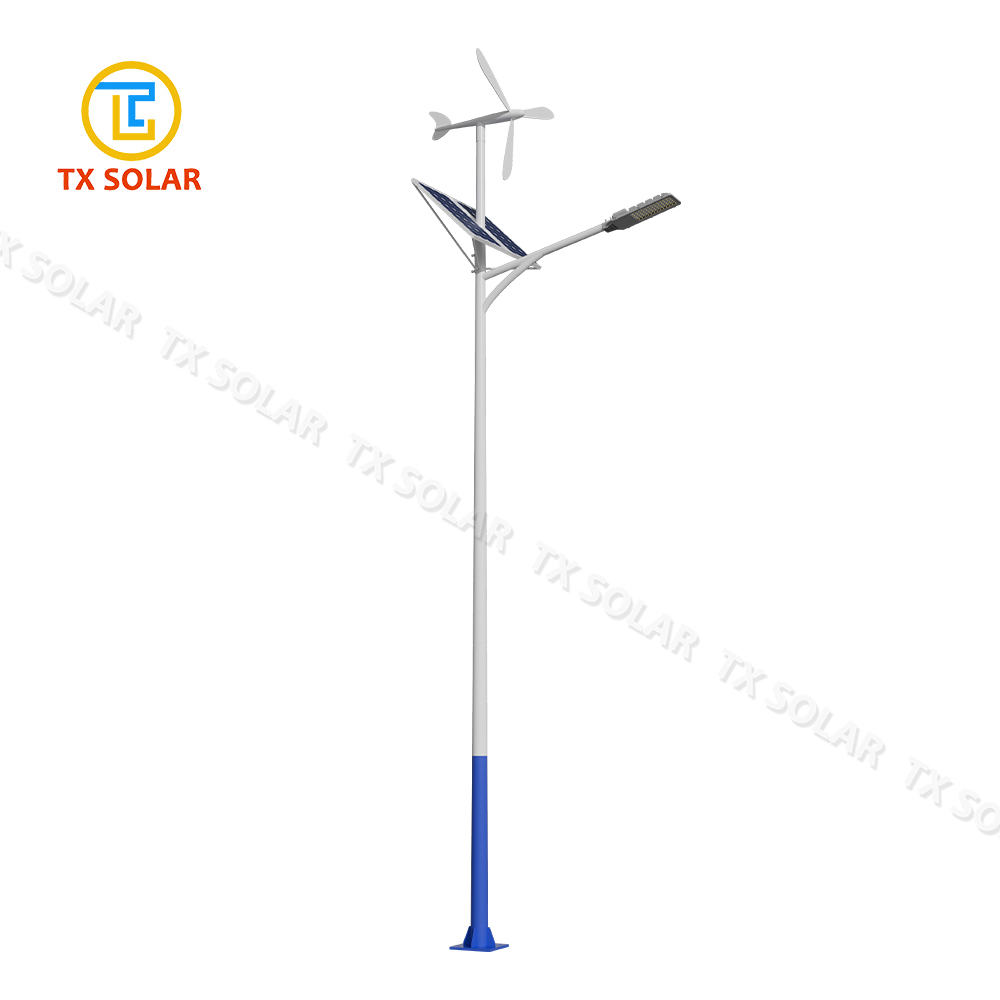
Wind Solar Hybrid Street Light
View Details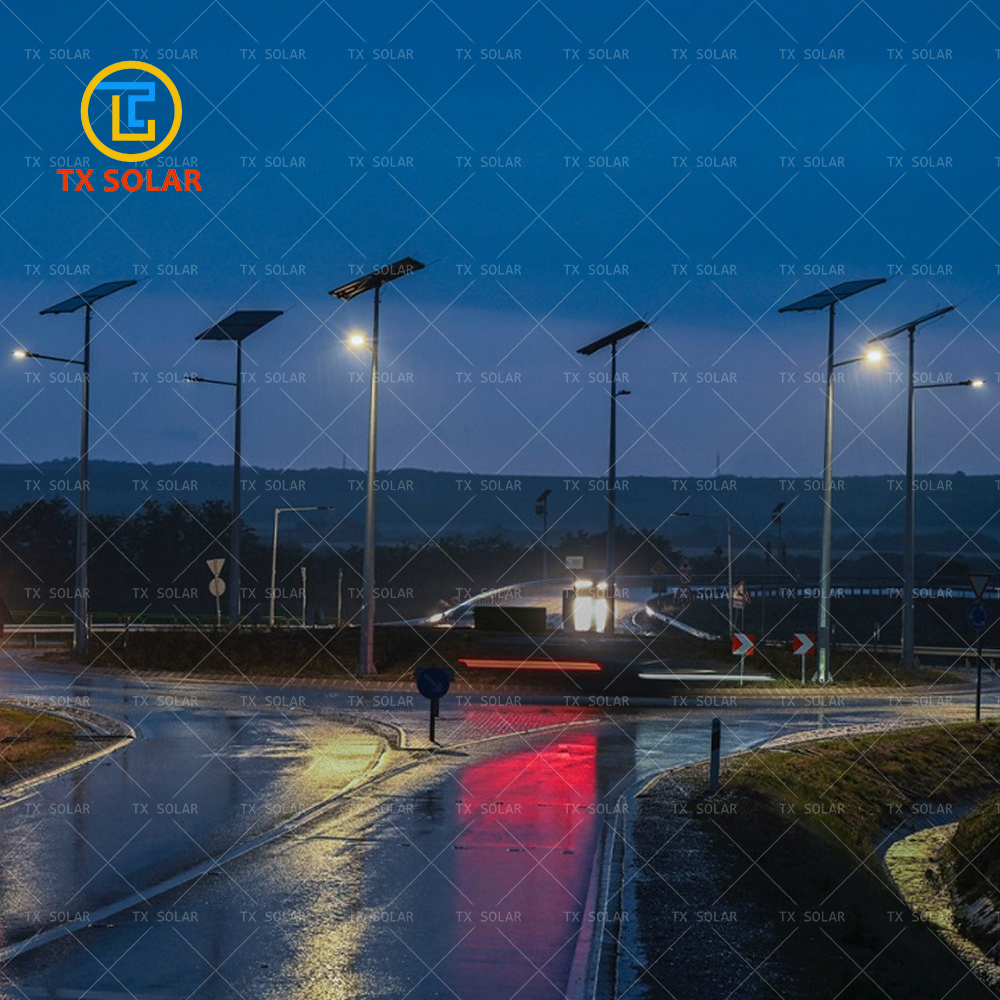
12m 120w Solar Street Light With Gel Battery
View Details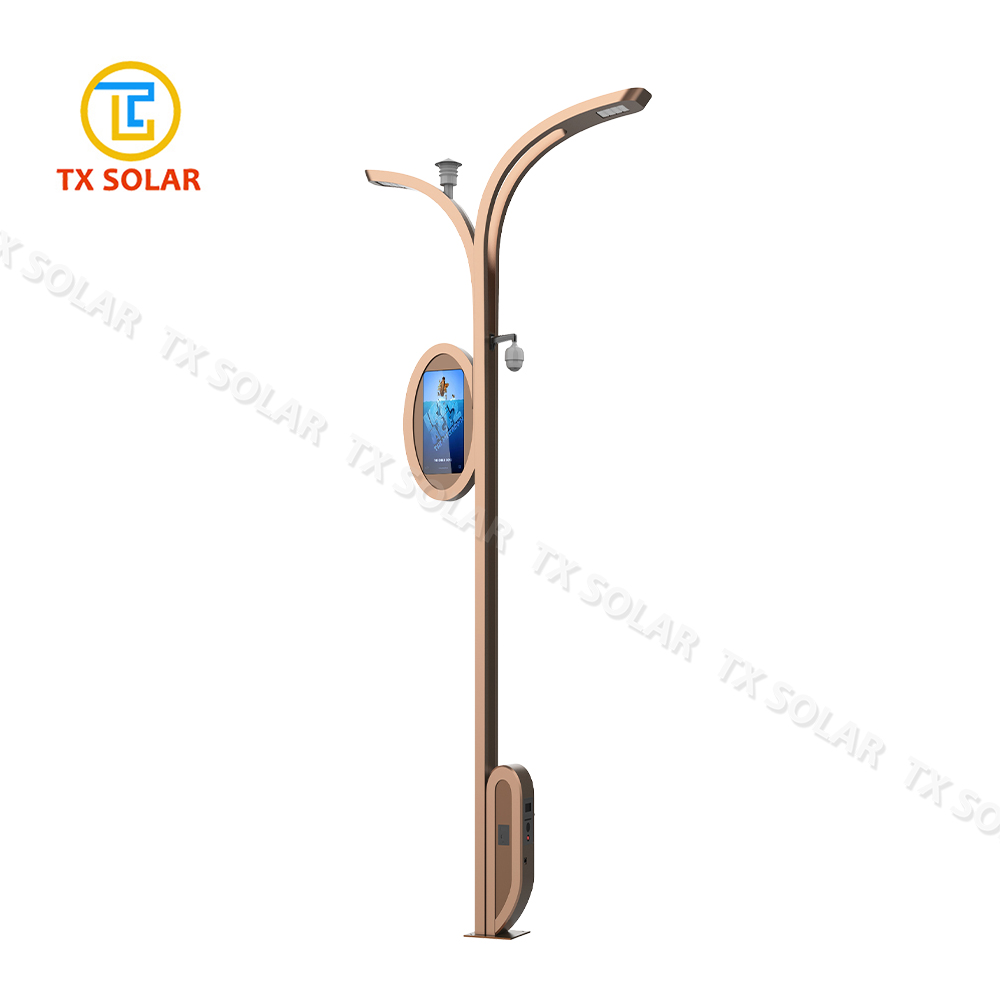
Intelligent Led Street Light Pole with CCTV Camera
View Details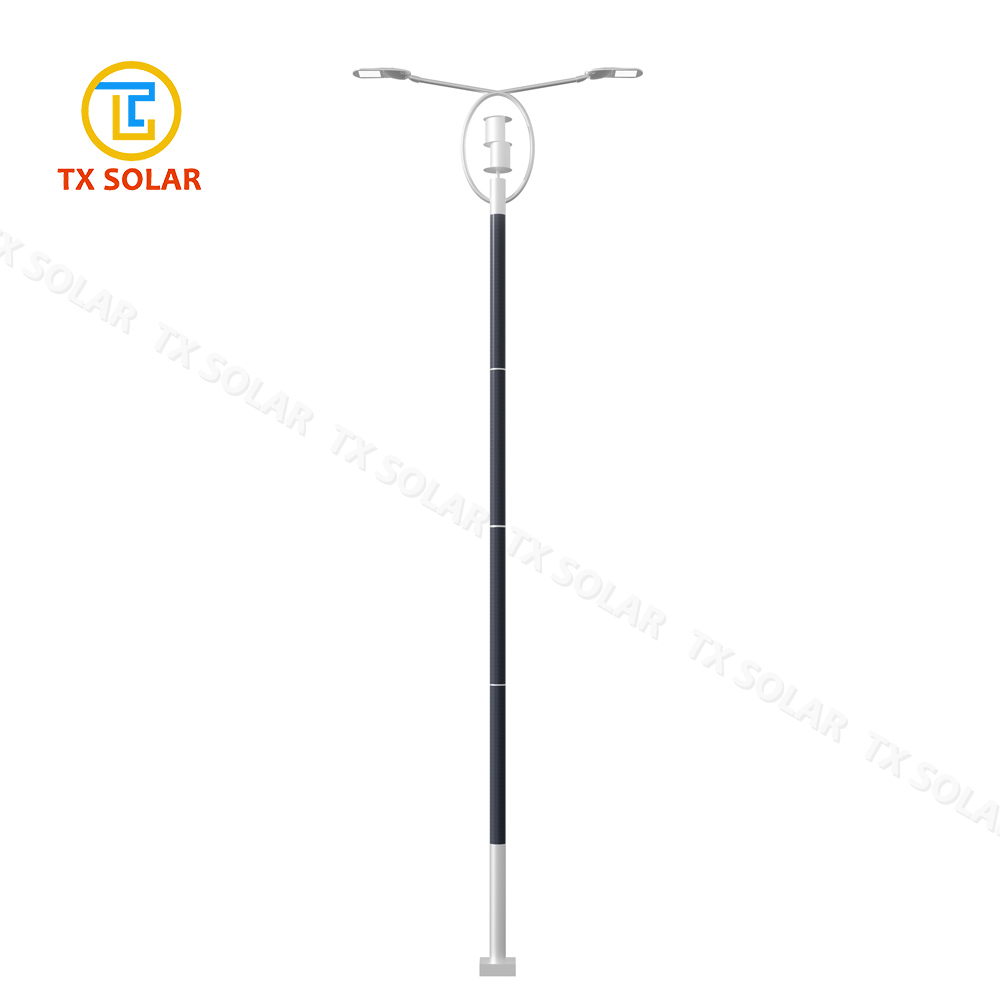
Flexible Solar Panel Wind Solar Hybrid Street Light
View DetailsMexico's Solar Lighting Market & Industrial Status
Mexico stands as one of the most promising solar energy hubs in Latin America. With an average solar irradiation exceeding 5 kWh/m² per day, the country has a natural geographic advantage for solar power deployment. In recent years, the Mexican government's commitment to reducing carbon emissions, combined with the Energy Transition Law (Ley de Transición Energética), has accelerated the adoption of renewable outdoor lighting solutions across municipal and industrial sectors.
Rapid industrialization in northern Mexican states like Nuevo León, Chihuahua, and Baja California—fueled by the nearshoring boom—has created an urgent demand for reliable, off-grid infrastructure. Industrial parks, logistics hubs, and manufacturing facilities are increasingly turning to All In One Solar LED Street Lights to eliminate electricity costs, bypass complex grid connection processes, and meet corporate ESG (Environmental, Social, and Governance) targets.
From a commercial perspective, local municipalities face rising energy tariffs from the Comisión Federal de Electricidad (CFE). By transitioning to solar-powered public lighting, local governments in cities like Monterrey, Guadalajara, and Querétaro are significantly reducing their operational expenditures while enhancing public safety in suburban and rural communities.
Factors Determining All In One Solar LED Street Light Price in Mexico
When planning a lighting project in Mexico, understanding the cost structure is vital for budgeting and ROI calculation.
The integration of Lithium Iron Phosphate (LiFePO4) batteries versus older Gel batteries significantly impacts the price. Smart MPPT controllers with IoT monitoring capabilities also affect the initial cost but offer superior long-term efficiency.
High-efficiency Monocrystalline silicon panels command a premium over Polycrystalline panels. However, they perform exceptionally well in Mexico's diverse climates, providing faster charging rates even on cloudy days.
Shipping costs to major ports like Manzanillo or Veracruz, combined with Mexican import tariffs and local logistics to remote project sites, represent a key variable in the final landed price of solar street lights.
Typical Price Ranges in the Mexican Market
The price of an All In One Solar LED Street Light in Mexico varies depending on specifications, lumen output, and project scale. Below is a general overview of market pricing:
- Low-Power Residential / Pathway Lights (20W - 40W): Typically ranges from $80 to $150 USD per unit. These are ideal for community parks, private walkways, and residential developments.
- Medium-Power Commercial Lights (50W - 80W): Ranges from $150 to $300 USD. Widely used for secondary municipal roads, university campuses, and commercial parking lots.
- High-Power Industrial / Highway Lights (100W - 150W+): Ranges from $300 to $600+ USD. Engineered for main highways, industrial park perimeters, and high-security zones requiring continuous, bright illumination throughout the night.
While the initial capital expenditure (CAPEX) for solar lighting is higher than traditional grid-tied HPS (High-Pressure Sodium) or LED lights, the zero-utility-bill operation and minimal maintenance requirement lead to full cost recovery within 2 to 3 years.
Industry Trends & Localized Application Scenarios in Mexico
1. Smart Cities and IoT Integration
The integration of Internet of Things (IoT) technology is reshaping the public lighting landscape in Mexico. Modern All In One solar street lights are equipped with wireless communication modules (LoRa, Zigbee, or 4G/5G) that allow municipal operators to monitor battery health, adjust dimming profiles, and receive real-time fault alerts from a centralized dashboard. This trend is gaining traction in progressive cities like Mexico City and Puebla, where smart city initiatives are actively promoted.
2. Coastal and High-Humidity Adaptation
Mexico's extensive coastline, encompassing tourist hubs like Cancun, Puerto Vallarta, and Los Cabos, presents harsh environmental challenges, including high humidity, salt spray, and hurricane-force winds. The industry trend is moving toward marine-grade aluminum housing with anti-corrosion coatings and IP66/IP67 waterproof ratings. All In One designs are particularly favored here because their compact, integrated structure offers less wind resistance compared to traditional split-type solar street lights.
3. Nearshoring and Industrial Park Security
With global manufacturers establishing facilities in Northern Mexico (nearshoring), securing industrial park boundaries has become a top priority. Solar street lights integrated with CCTV cameras and motion sensors (PIR) provide double utility: high-intensity path lighting and active security surveillance. Because these units operate independently of the local electrical grid, security cameras remain operational even during regional power outages, safeguarding valuable industrial assets.
Pro Tip for Mexican Project Developers:
Always verify the wind resistance rating of the pole and light fixture. In coastal regions of Veracruz, Tamaulipas, and the Yucatan Peninsula, poles must be designed to withstand wind speeds of up to 150 km/h. Purchasing from a manufacturer with custom engineering capabilities ensures long-term structural integrity.
About Us: Professional Outdoor Lighting Manufacturer Since 1996
Who We Are
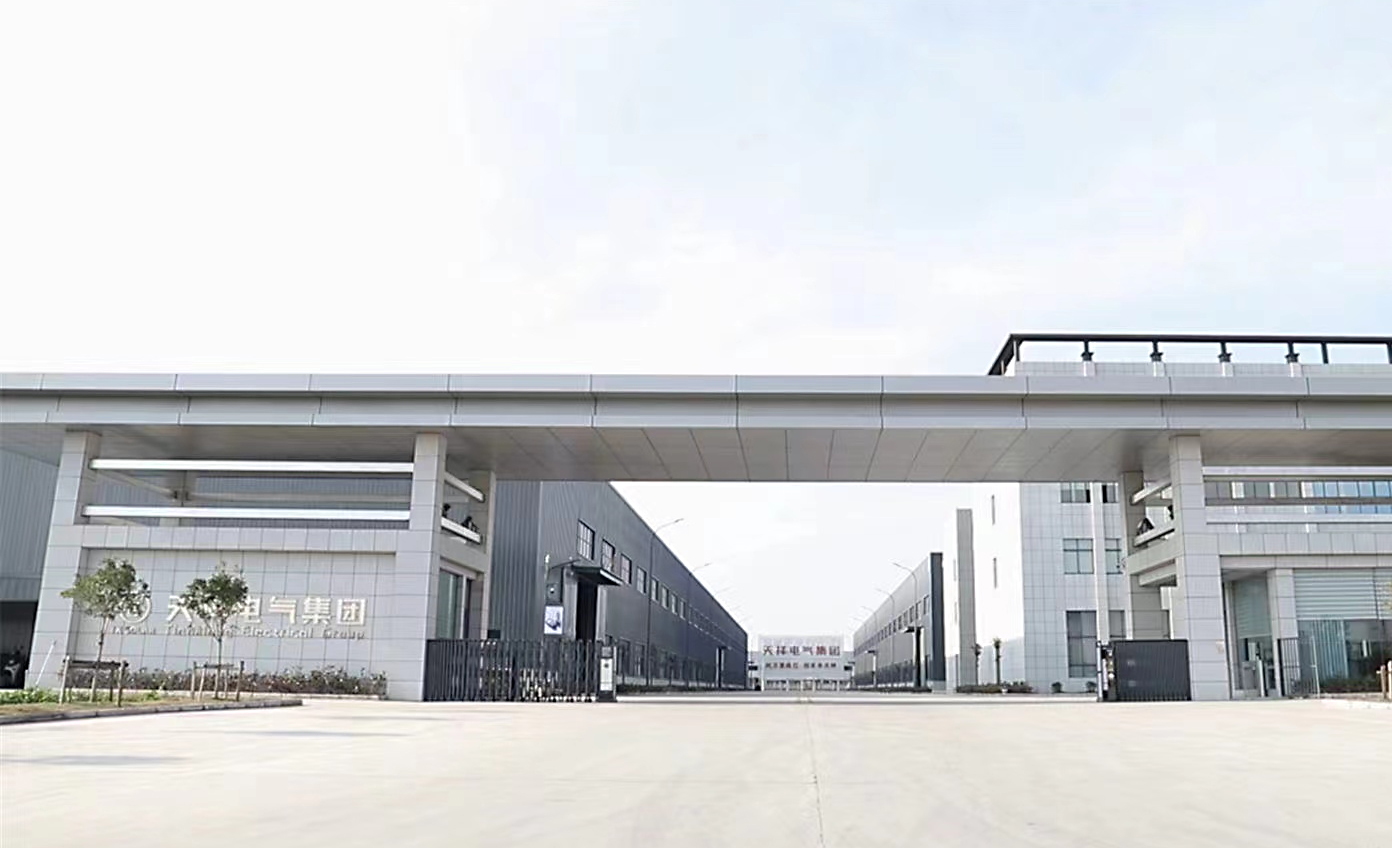
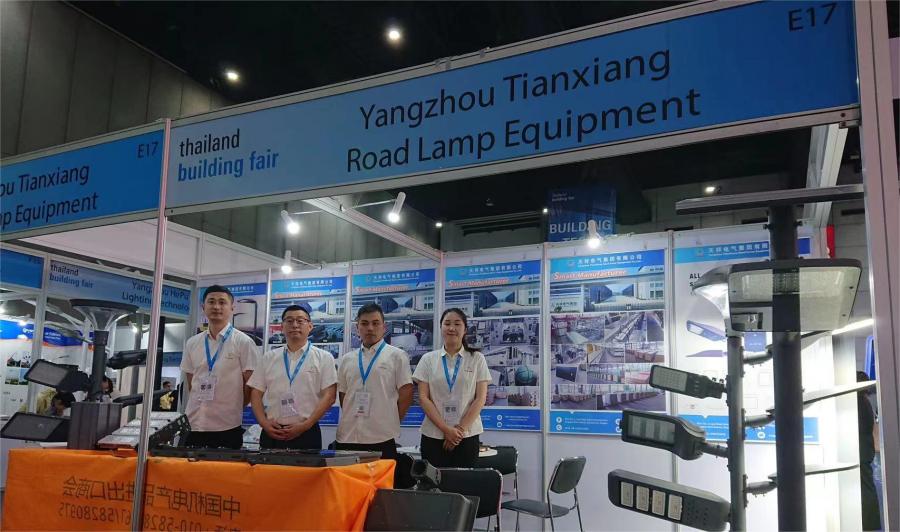
Yangzhou Tianxiang Road Lamp Equipment Co., Ltd. founded in 2008 and located in the smart Industrial Park of street lamp manufacturing base in Gaoyou City, Jiangsu Province, is a production-oriented enterprise focusing on street lamp manufacturing. At present, it has the most perfect and advanced digital production line in the industry. Up to now, the factory has been at the forefront of the industry in terms of production capacity, price, quality control, qualification and other competitiveness, with a cumulative number of lights on more than 1,700,000. In Africa, Southeast Asia, South America, and other regions, we occupy a large market share and have become the preferred product supplier for many projects and engineering companies at home and abroad.
What We Have
The company was established in 1996, joining this new industrial zone in 2008. Now we have more than 200 people, including 12 R&D personnel, 16 engineers, 4 QC specialists, 16 members in our International Trade Department, and 12 sales representatives in China. This robust structure allows us to offer exceptional products and comprehensive technical support. We operate our own solar panel laminating, solar battery assembly, and lighting fixture workshops, giving us complete control over quality and cost.

Our Mission
Continuous improvement, technological innovation, and the pursuit of 100% customer satisfaction.

Our Vision
To be the world's leading brand in renewable energy and energy efficient lighting.

Our Value
Open, harmonious, pragmatic and innovative.
Our Complete Product Line
We supply a comprehensive range of solar lighting solutions, smart poles, and traffic equipment tailored for municipal and industrial projects globally.
Wind Solar Hybrid Street Light
View Details
12m 120w Solar Street Light With Gel Battery
View Details
Intelligent Led Street Light Pole with CCTV Camera
View Details
Flexible Solar Panel Wind Solar Hybrid Street Light
View Details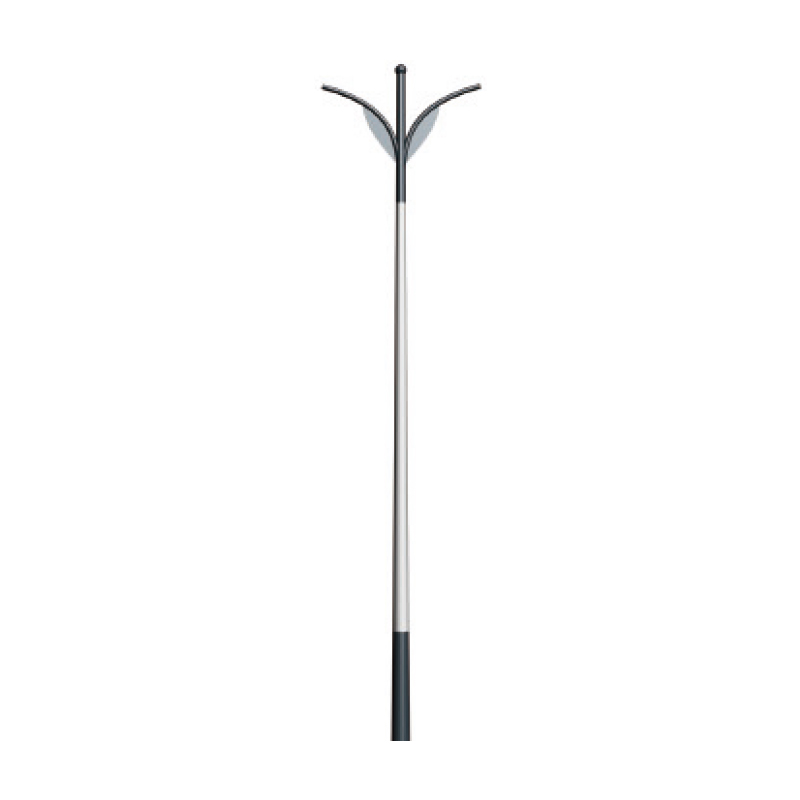
Q235 Galvanized Steel Column Light Pole for Lighting Fixture
View Details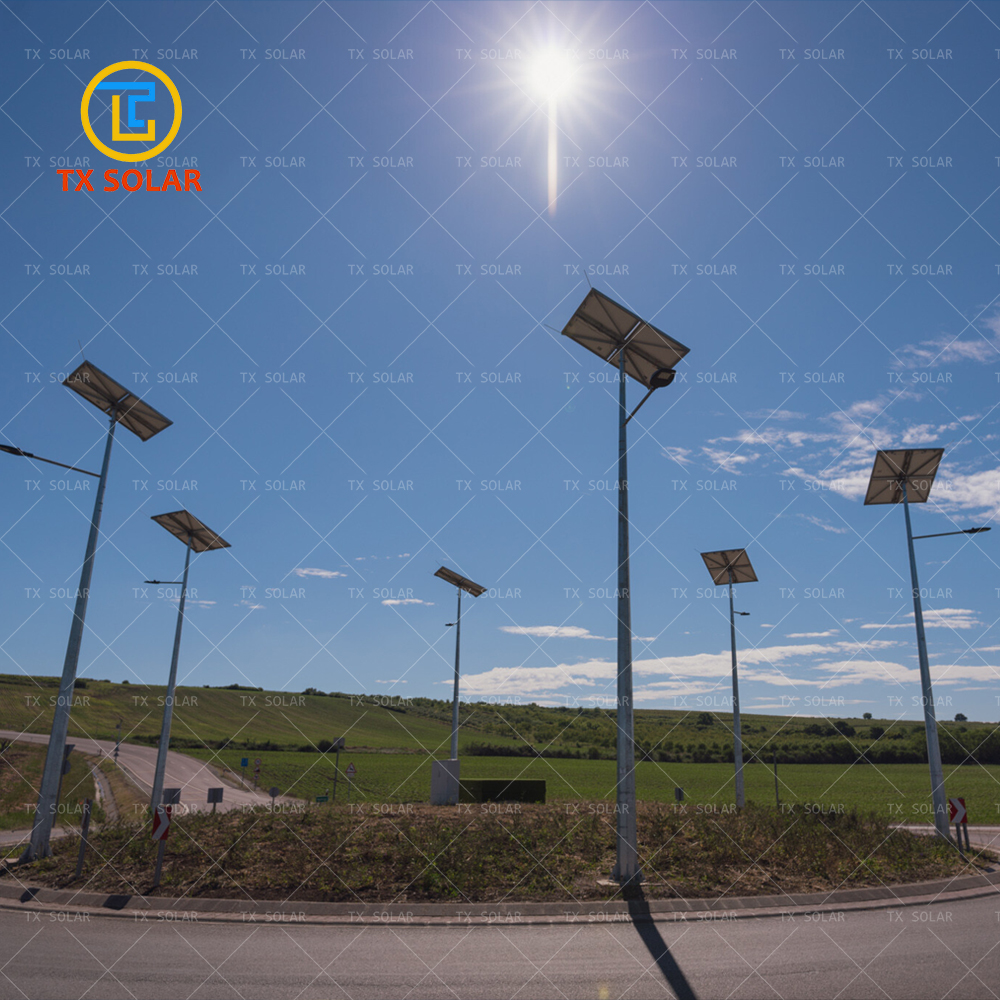
6m 30w Solar Street Light With Lithium Battery
View Details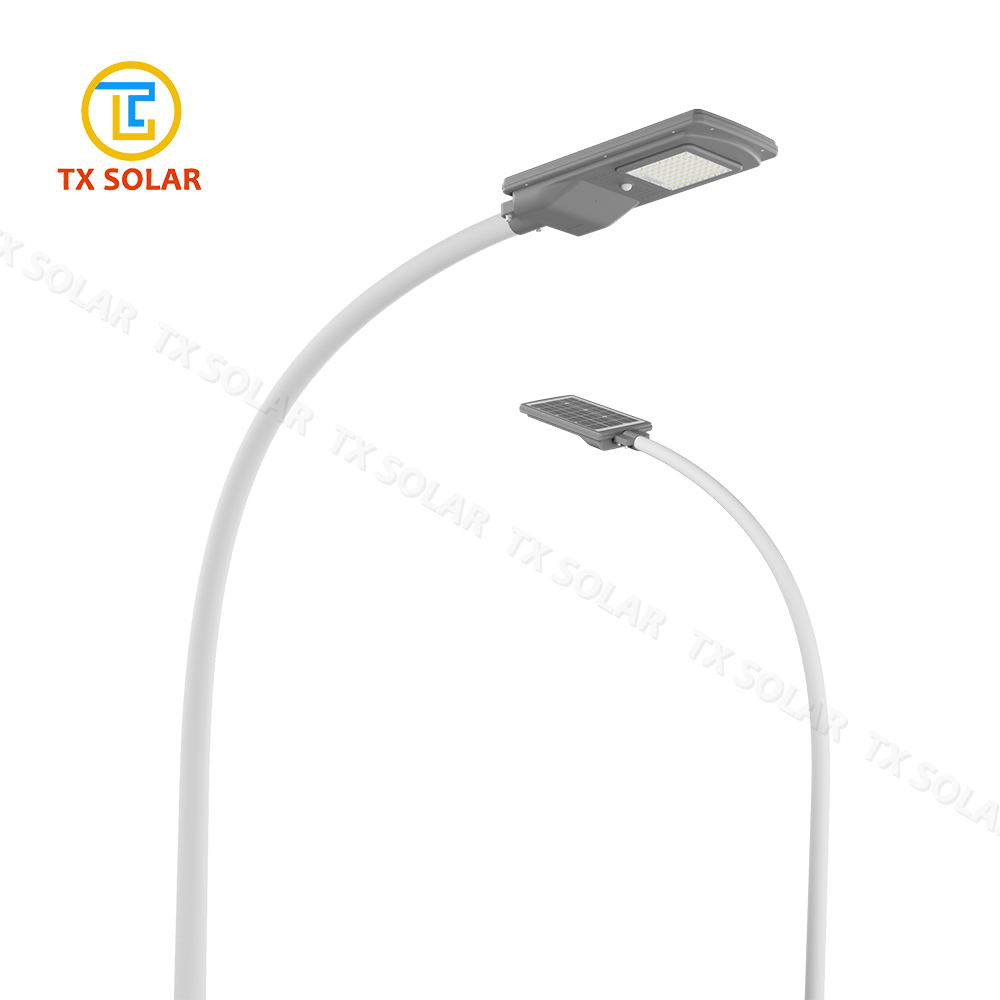
30W Mini All In One Solar Street Light
View Details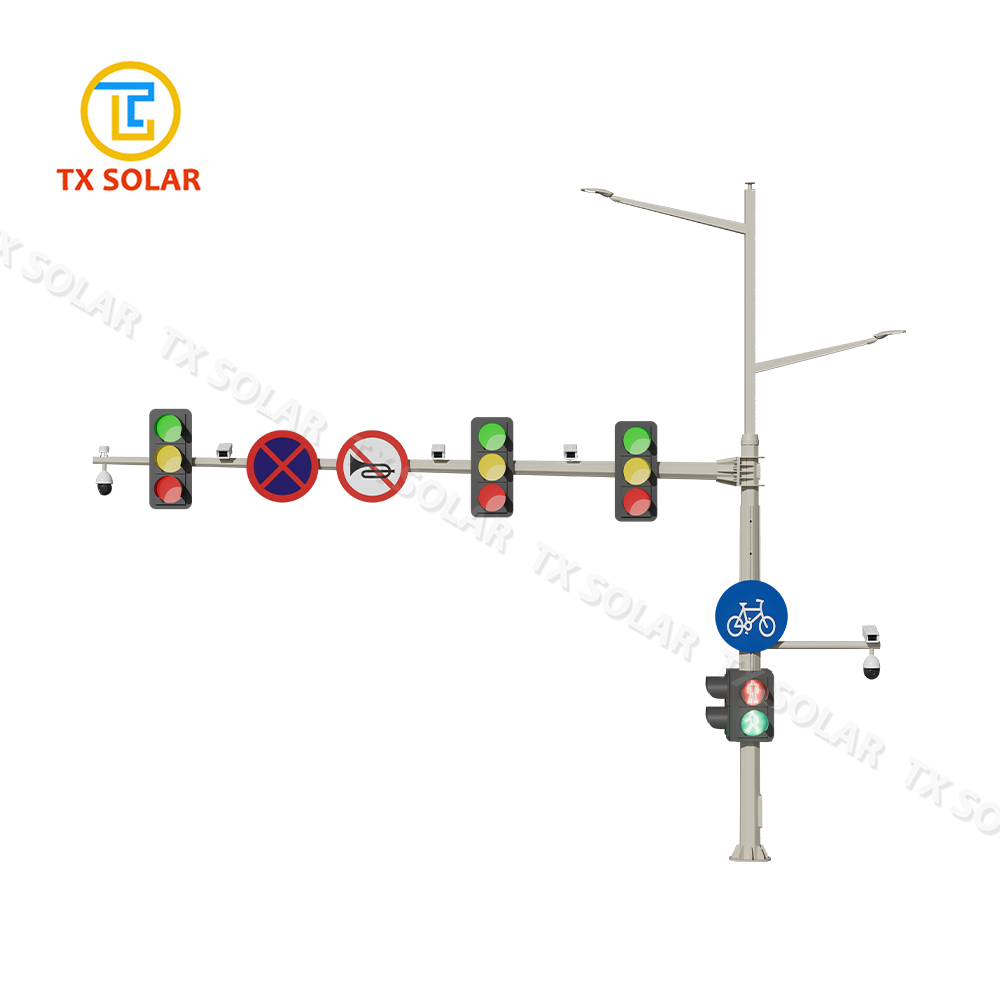
Paint Traffic Light Octagonal Signal Pole
View Details-

E-mail
-

Whatsapp
-

Top


