The Paradigm Shift: Modernizing Campus Infrastructure with Solar Technology
Educational institutions worldwide are transitioning toward greener, smarter, and more resilient infrastructures. School and university campuses, functioning as self-contained micro-communities, demand reliable lighting to ensure student safety, facilitate evening activities, and secure campus perimeters. Traditionally, this meant extensive underground cabling, high electricity bills, and a significant carbon footprint. Today, the integration of All In One Solar LED Street Lights has emerged as the premier choice, offering an eco-friendly alternative that aligns with institutional carbon-neutral goals.
The global market for campus solar lighting is experiencing rapid expansion. Driven by government mandates for clean energy, falling solar component costs, and the aesthetic appeal of wireless fixtures, universities are allocating capital budgets to upgrade legacy grid-tied systems. The "All In One" configuration—integrating the solar panel, LED light source, lithium-ion battery, and intelligent controller into a single, compact housing—drastically simplifies logistics, procurement, and deployment, making it highly attractive to facility managers.
Why Campus Decision Makers Focus on "All In One" Solar LED Street Light Price
When budgeting for campus safety upgrades, the initial price of solar fixtures is only one piece of the puzzle. Decision-makers must evaluate the total cost of ownership (TCO). While the upfront purchase price of a high-quality All In One solar light is higher than a traditional grid-tied fixture, the elimination of trenching, wiring, electrical panels, and ongoing utility bills results in a net-positive return on investment (ROI) within 2 to 3 years.
Deep Dive: Campus Application Scenarios for Solar LED Street Lights
A university campus is composed of diverse micro-environments, each requiring specific lighting characteristics. All In One solar LED street lights offer the versatility needed to address these varied requirements without disrupting the campus landscape.
Pedestrian Walkways & Green Spaces
Connecting dormitories, lecture halls, and libraries, walkways require soft, uniform illumination. Solar lights equipped with motion sensors ensure students feel safe walking at night, automatically dimming during low-traffic hours to conserve energy.
Parking Lots & Transit Hubs
High-output, reliable illumination is critical in commuter parking lots and bus stops to prevent accidents and deter theft. All In One solar lights provide consistent lumen output, ensuring high visibility for drivers and pedestrian commuters.
Perimeter & Sports Fields
Securing the outer boundaries of expansive campuses is challenging. Wireless solar lights can be installed along remote perimeters and recreational fields where extending grid power is economically unfeasible.
Optimizing Campus Aesthetics and Safety
Beyond functional illumination, All In One solar lighting enhances campus aesthetics. The sleek, modern design of integrated fixtures eliminates unsightly overhead wires and bulky external battery boxes. Furthermore, in the event of a municipal grid failure or extreme weather, these self-sustaining systems remain operational, serving as critical emergency lighting networks that guide students to safety.
Understanding All In One Solar LED Street Light Price Metrics
Understanding the pricing structure of All In One solar LED street lights is crucial for procurement officers. The price of these systems typically ranges from $150 to $800+ per unit, depending on technical specifications. Below are the key engineering factors that directly influence the cost:
1. Battery Chemistry and Capacity
The battery is the heart of any solar light. Modern high-end fixtures utilize Lithium Iron Phosphate (LiFePO4) batteries due to their long lifespan (over 2,000 charge cycles), excellent thermal stability, and deep depth of discharge (DoD). Cheaper lights may use Ternary Lithium or Lead-Acid batteries, which degrade quickly in extreme temperatures, requiring frequent, costly replacements.
2. Solar Panel Type and Efficiency
Monocrystalline silicon solar panels offer the highest conversion efficiency (often exceeding 21-23%), allowing them to generate sufficient power even in overcast conditions. Polycrystalline panels are cheaper but less efficient, requiring a larger surface area to achieve the same output, which increases the wind load and weight of the fixture.
3. Smart Controllers and IoT Integration
Advanced Maximum Power Point Tracking (MPPT) controllers optimize the energy harvest from the solar panel by dynamically adapting to changing weather conditions. Integrated IoT modules (LoRa, Zigbee, or NB-IoT) allow remote monitoring and dimming control, which adds to the initial unit price but drastically lowers operational maintenance costs.
4. Luminous Efficacy of LED Chips
High-efficacy LED chips (e.g., Philips, Bridgelux, or Cree) deliver more lumens per watt (lm/W), meaning the light can be brighter while consuming less battery power. Investing in fixtures with efficacy ratings above 170 lm/W ensures optimal brightness and extended battery backup during consecutive rainy days.
Future Trends: Smart Campuses, IoT, and Adaptive Lighting Control
The future of campus lighting lies in connectivity. Smart campuses are no longer a concept of the future; they are actively being built today. All In One solar LED street lights are evolving from simple illumination points into smart nodes within the Internet of Things (IoT) ecosystem.
By integrating smart sensors and communication modules, campus administrators can monitor the performance of every light pole in real-time. System diagnostics, battery health, solar generation data, and fault alerts can be accessed via a centralized dashboard. Furthermore, adaptive lighting control systems use motion sensors to dim lights to 20% brightness when no pedestrians are present, ramping up to 100% instantly when movement is detected. This smart management extends battery life and reduces light pollution, creating a safer, more eco-friendly campus environment.
In addition, the integration of environmental sensors (for air quality monitoring), CCTV security cameras, and even Wi-Fi hotspots directly onto the lighting pole is becoming standard practice. Choosing a manufacturer that offers customizable and upgradeable solar lighting systems is vital to ensuring that today's investment remains relevant for decades to come.
About Yangzhou Tianxiang Road Lamp Equipment Co., Ltd.
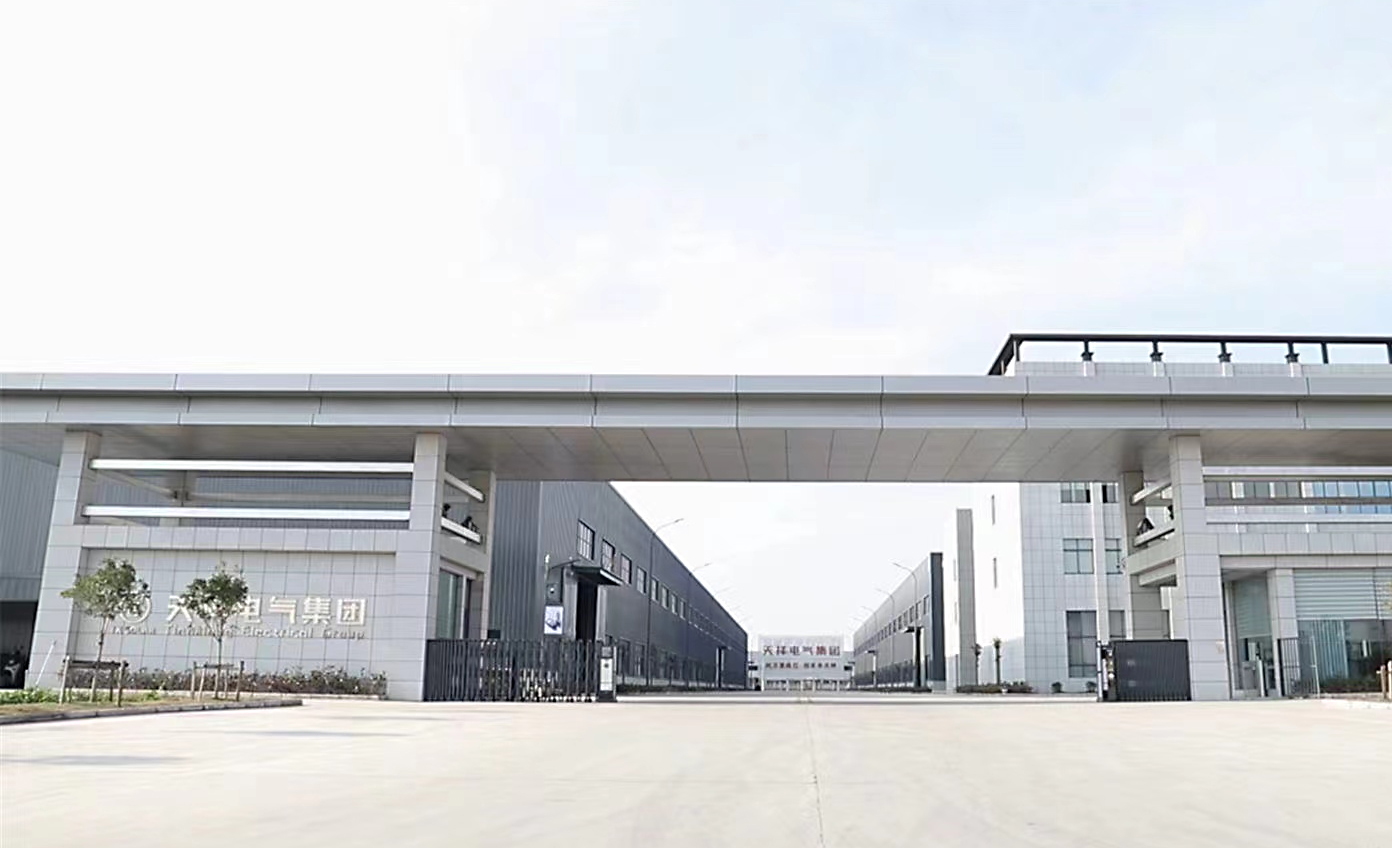
Professional Outdoor Lighting Manufacturer Since 1996
Yangzhou Tianxiang Road Lamp Equipment Co., Ltd. founded in 2008 and located in the smart Industrial Park of street lamp manufacturing base in Gaoyou City, Jiangsu Province, is a production-oriented enterprise focusing on street lamp manufacturing. At present, it has the most perfect and advanced digital production line in the industry.
Up to now, the factory has been at the forefront of the industry in terms of production capacity, price, quality control, qualification and other competitiveness, with a cumulative number of lights on more than 1,700,000. In Africa, Southeast Asia, South America, and other regions, we occupy a large market share and have become the preferred product supplier for many projects and engineering companies at home and abroad.
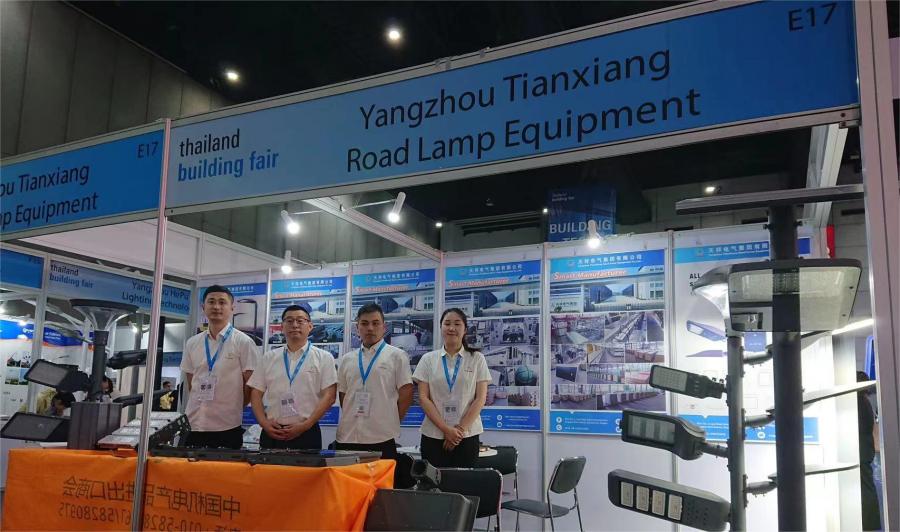
What We Have
The company was established in 1996 and joined this new industrial zone in 2008. Our structured, highly professional workforce ensures that every product meets strict international standards before dispatch.
Our dedicated International Trade Department consists of 16 professionals, and our Domestic Sales Department (China) comprises 12 experts, providing end-to-end support for our global client base.
Enterprise Culture


Our Mission
Continuous improvement, technological innovation, and the pursuit of 100% customer satisfaction.


Our Vision
To be the world's leading brand in renewable energy and energy efficient lighting.


Our Value
Open, harmonious, pragmatic and innovative.
What You Get
We have a powerful R&D and engineer team that offers exceptional products and technical support. By manufacturing our own solar panels, solar batteries, and lighting components in-house, we control the entire supply chain to guarantee unbeatable quality and competitive factory-direct pricing.
Explore Our Complete Campus Lighting Range
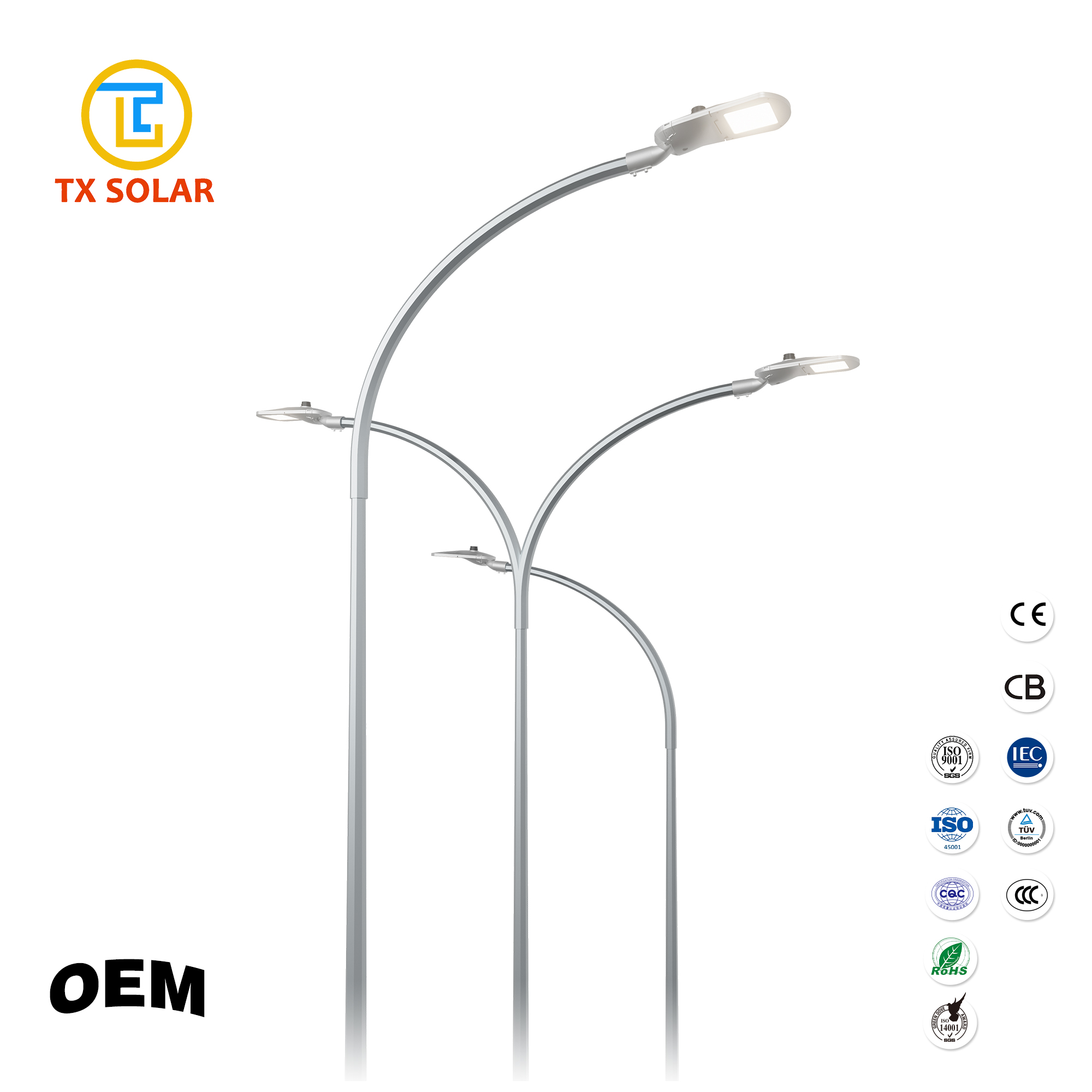
Campus Stainless Steel Curved Street Light Pole
View Product →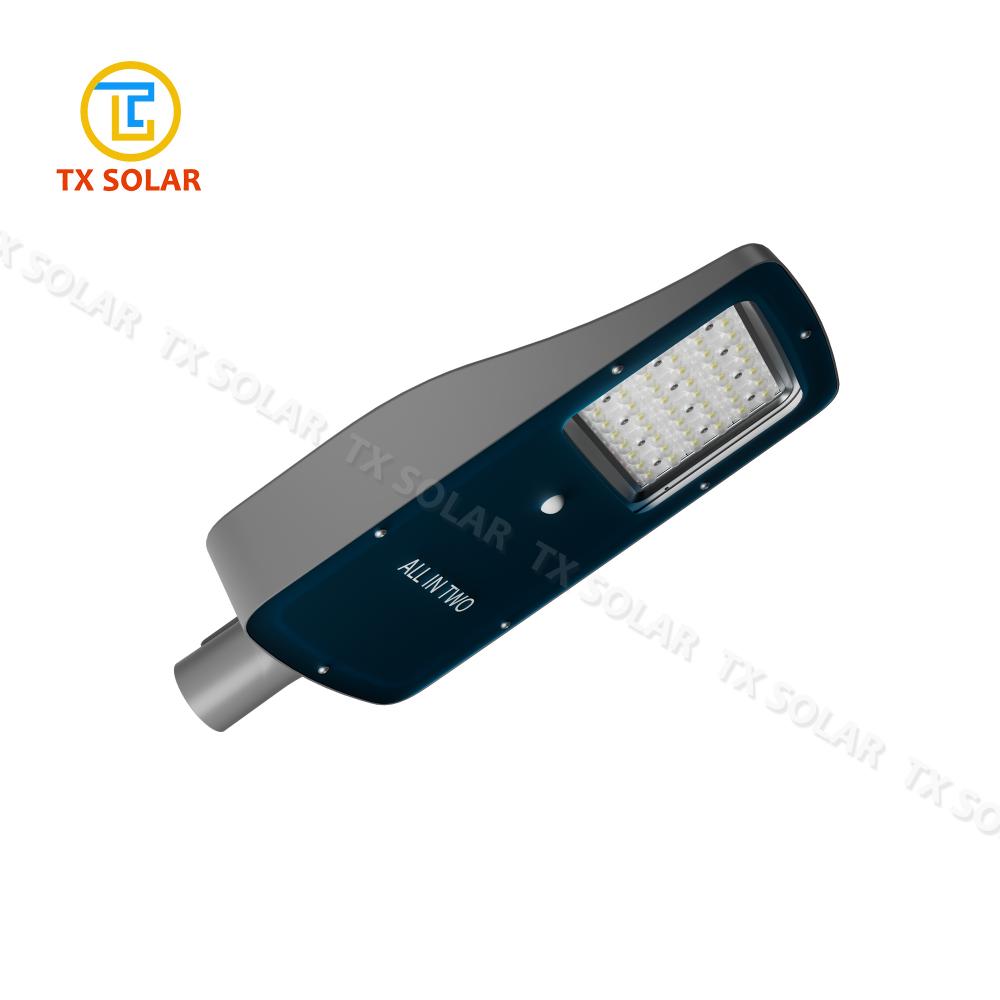
60W Campus All In Two Solar Street Light
View Product →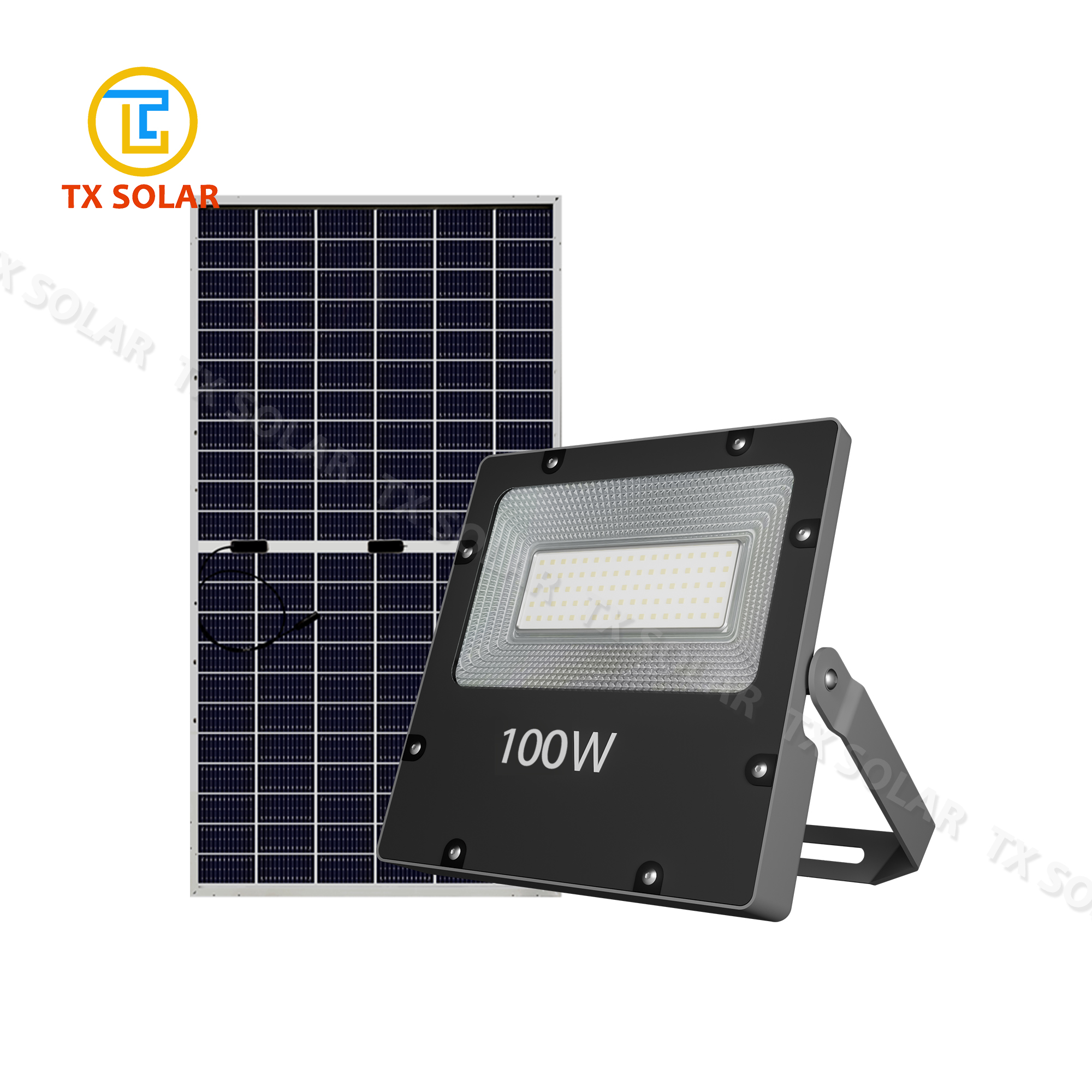
Outdoor Campus Solar LED Flood Light
View Product →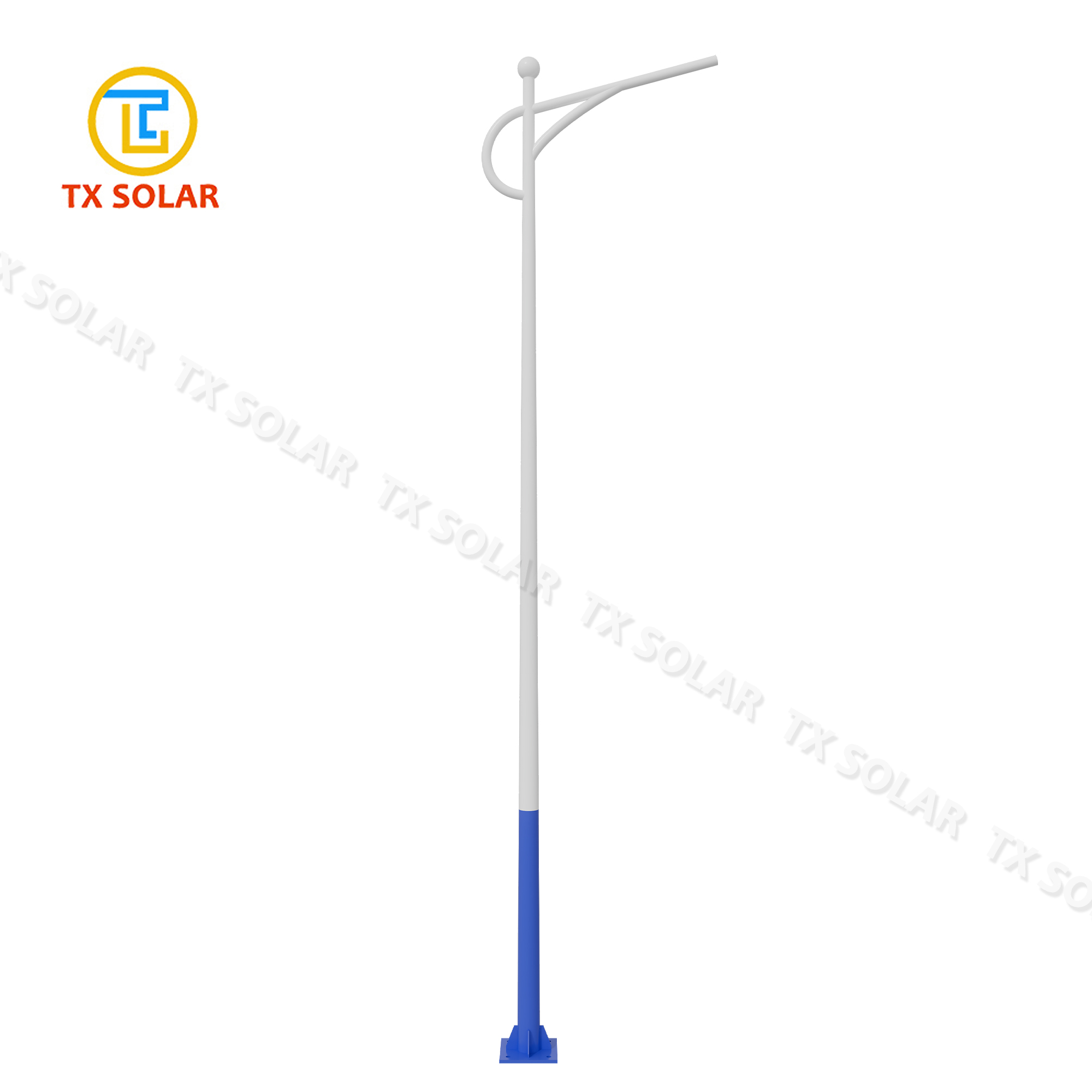
8m Campus Conch Arm Single Arm Street Light Pole
View Product →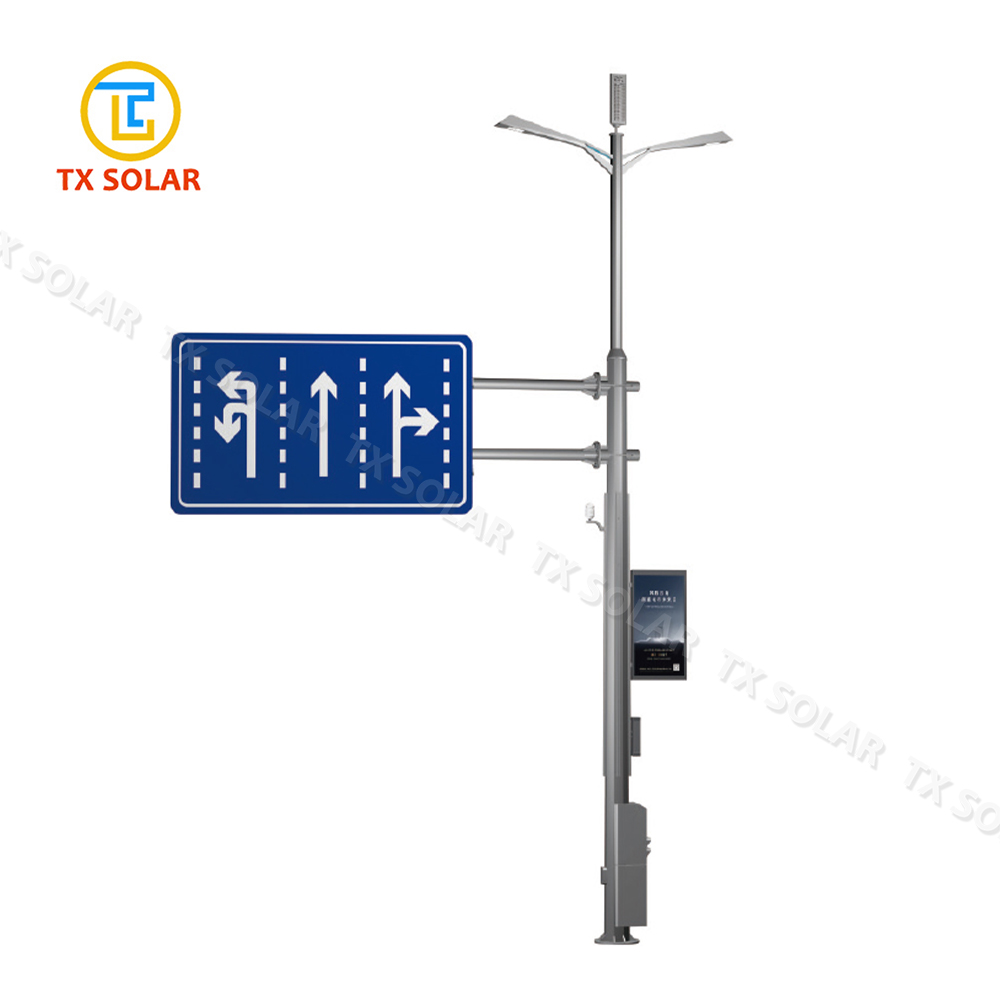
Multifunctional Campus Intelligent Lamp Pole
View Product →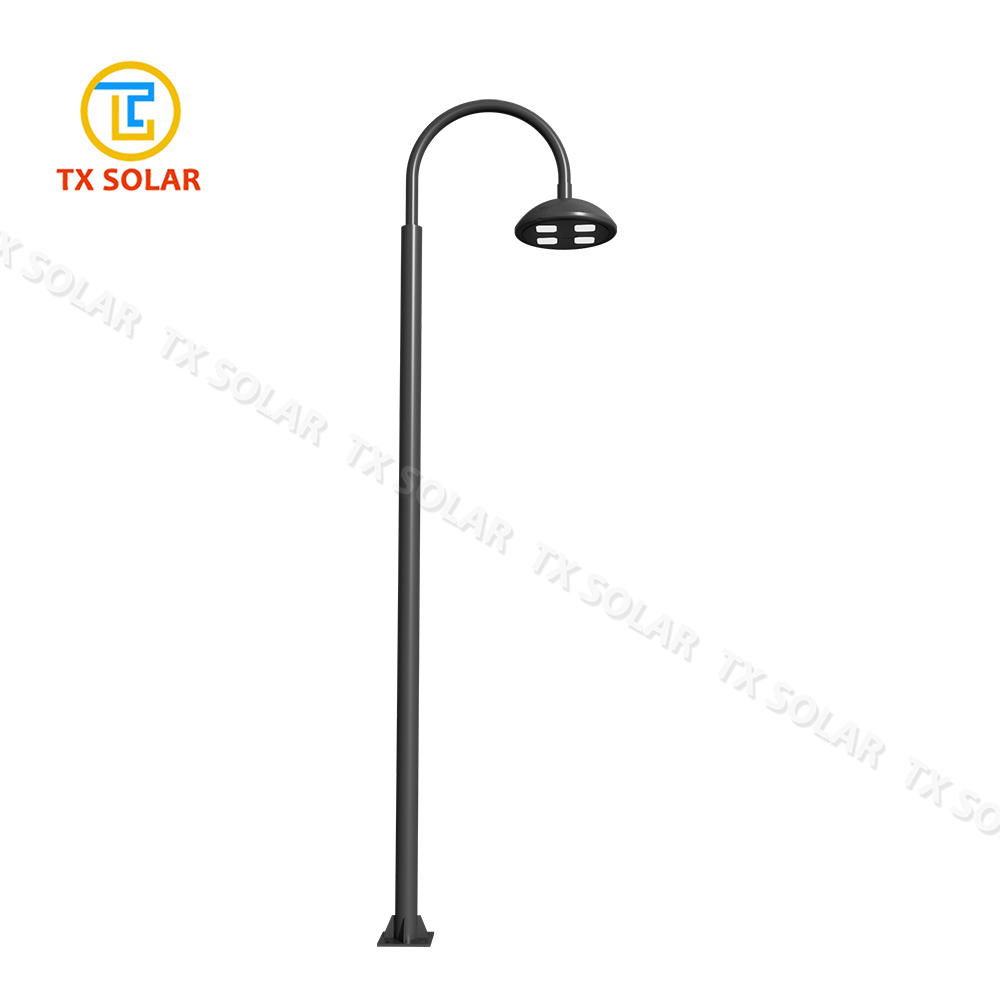
Campus Aluminum Alloy Garden Light Lamp
View Product →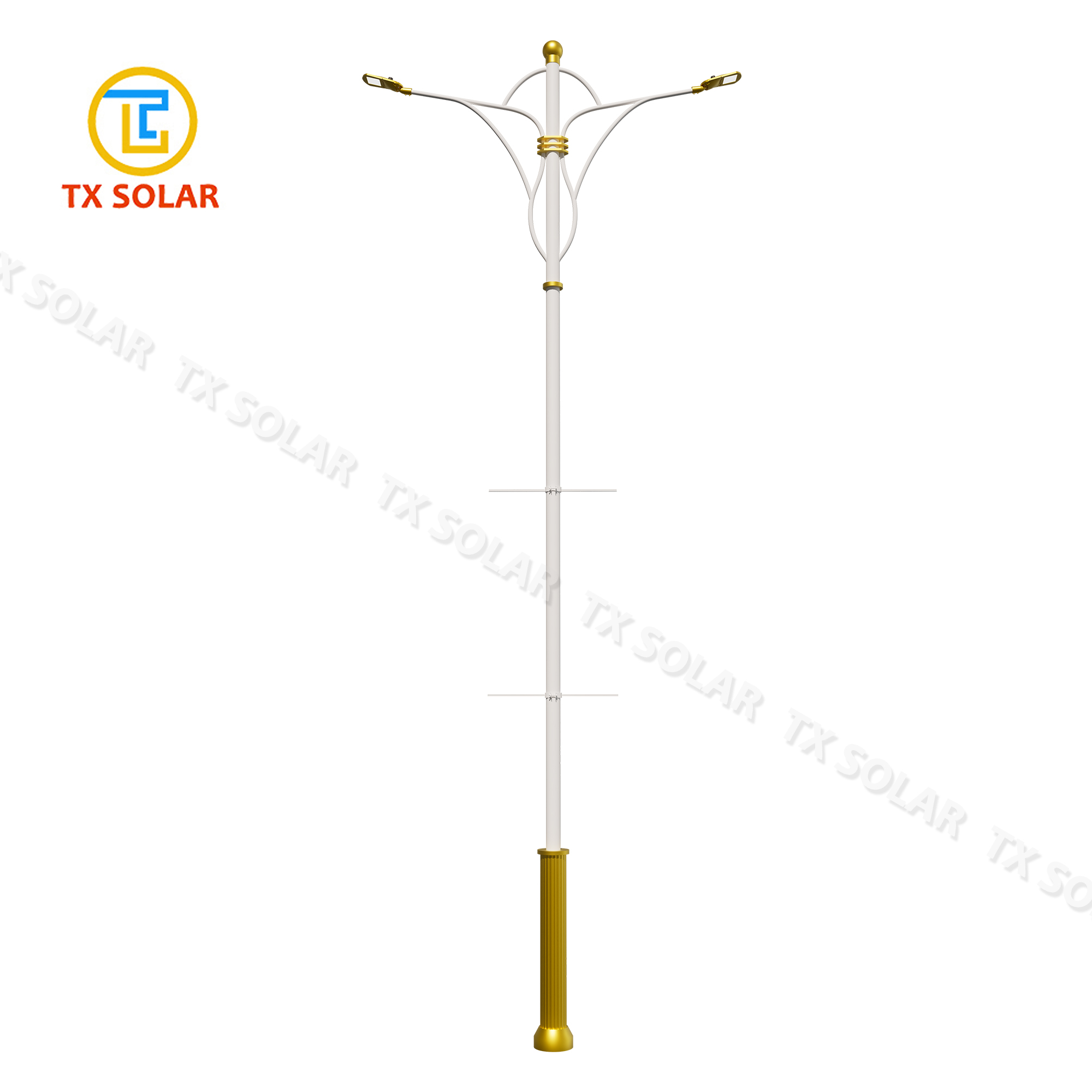
Decorative 3-6M Campus Steel Outdoor Lighting Pole
View Product →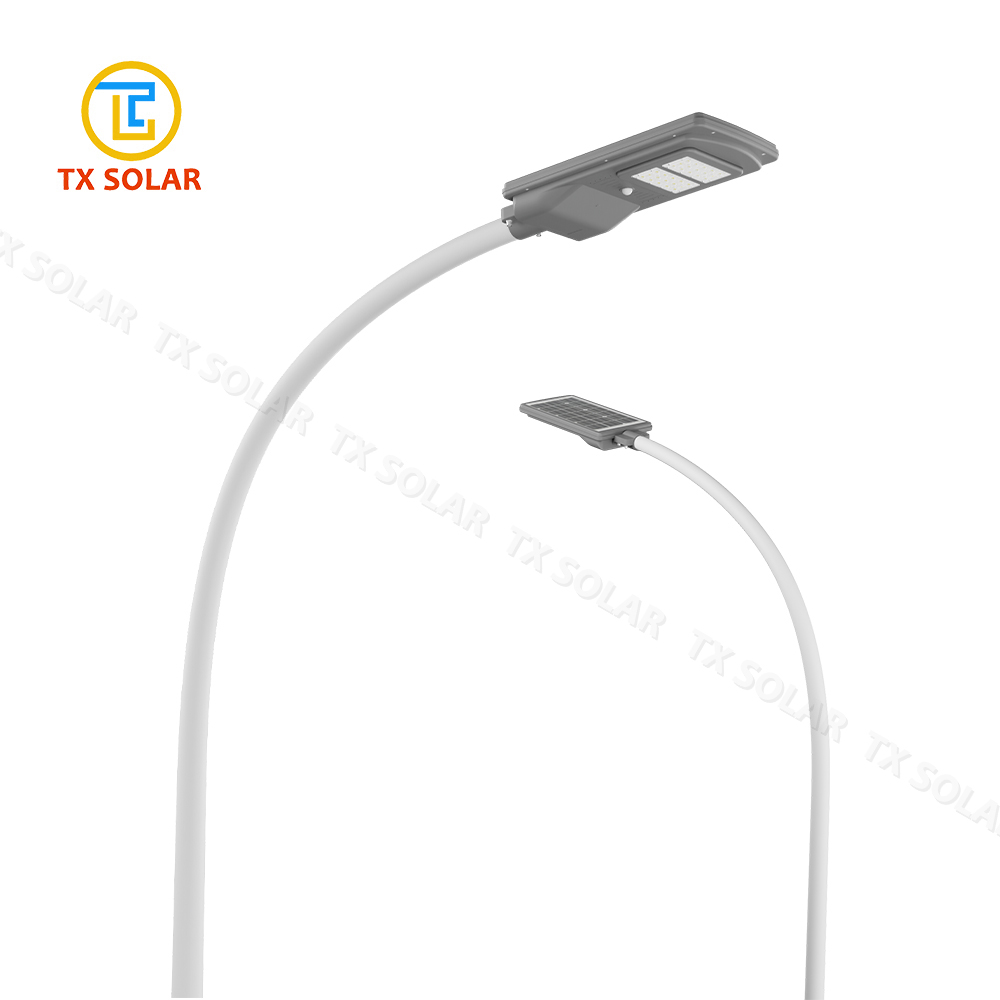
20W Mini Campus All In One Solar Street Light
View Product →-

E-mail
-

Whatsapp
-

Top


