
Key Lighting Systems for Remote Scenarios
The Commercial & Industrial Landscape of Rural Solar Lighting
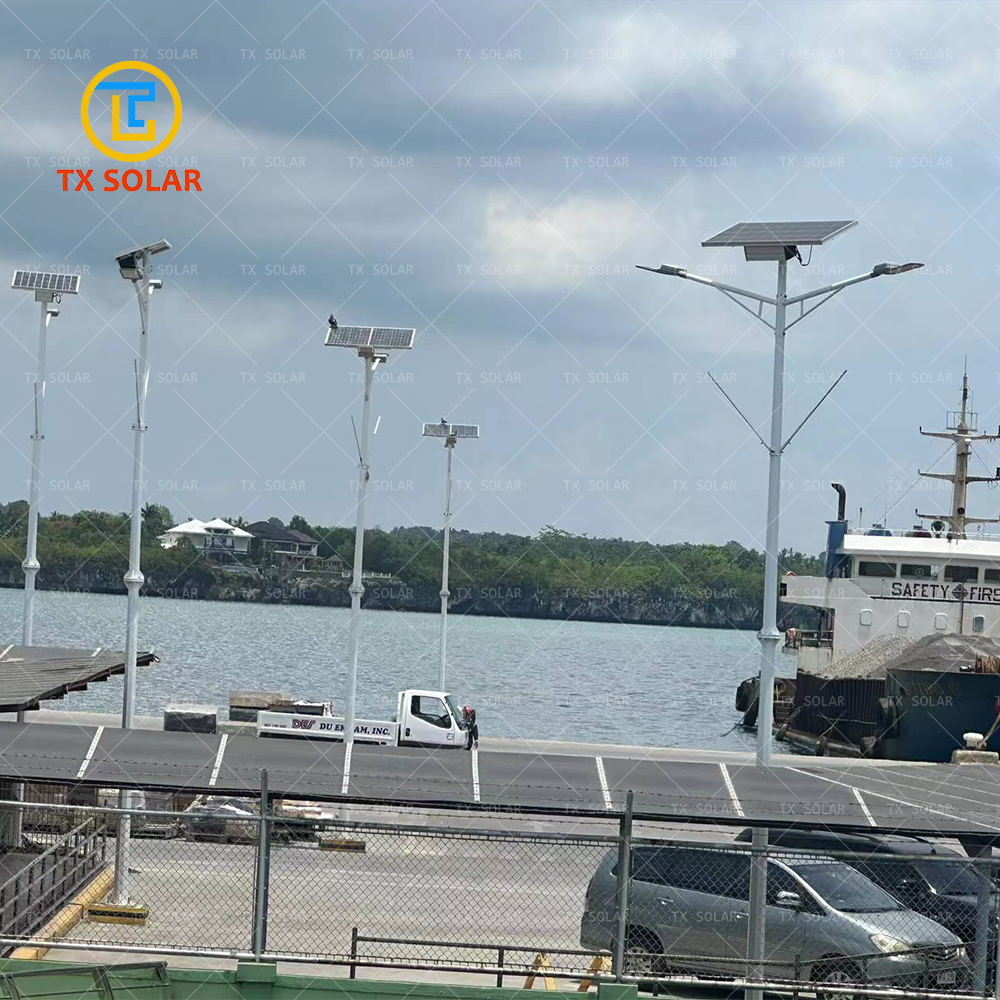
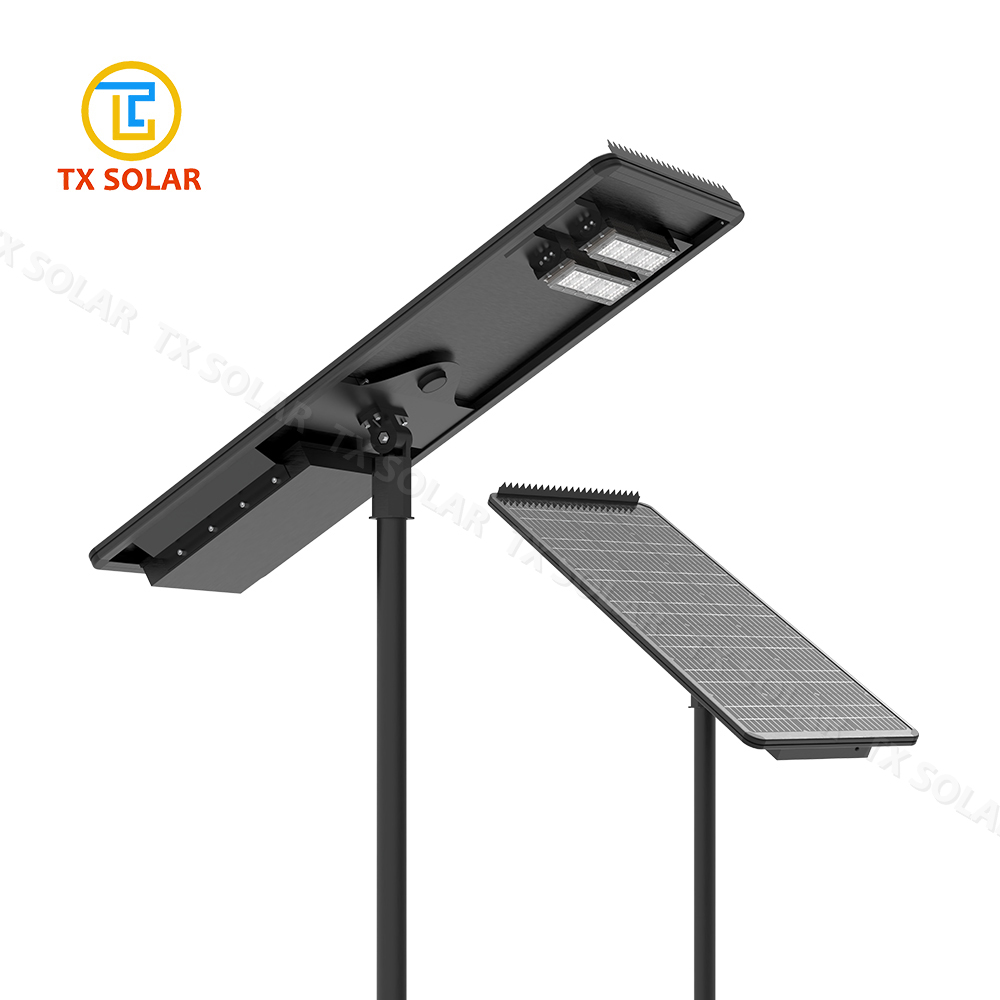
Across the globe, the drive toward rural electrification has ceased to be a simple social welfare goal; it is now a highly viable commercial and industrial imperative. In remote areas, mountainous regions, and vast off-grid territories, extending the municipal power grid is often economically prohibitive. The cost of trenching, laying high-voltage cables, and maintaining transmission substations over rugged terrain can run into tens of thousands of dollars per kilometer. Consequently, decentralized solar energy systems have stepped in to fill this infrastructure gap. Among these, the All In One Led Street Light has emerged as the premier solution for rural and remote public illumination.
From an industrial perspective, the market is undergoing a structural shift. The traditional "split-type" solar street lights—which require separate mounting of solar panels, battery boxes (often buried underground), and LED luminaires—are rapidly being replaced by integrated designs. The commercial appeal of the "All In One" structure lies in its logistics and installation efficiency. Shipping a single integrated unit reduces freight volumes by up to 60% compared to split systems. More importantly, installation requires no specialized electrical teams or heavy machinery; a local crew can securely mount an integrated unit on a pole in less than twenty minutes, dramatically lowering the overall capital expenditure (CAPEX) for municipal planners and international development projects.
The convergence of falling lithium iron phosphate (LiFePO4) battery prices and increasing solar PV conversion efficiencies has reached a tipping point. International bodies like the World Bank, the United Nations Development Programme (UNDP), and national rural electrification agencies are actively prioritizing integrated solar street lighting projects as a fast-track method to meet Sustainable Development Goal 7 (Affordable and Clean Energy).
Looking at the market dynamics in developing regions such as Sub-Saharan Africa, Southeast Asia, and parts of Latin America, public-private partnerships (PPPs) are increasingly funding large-scale rollouts of off-grid lighting. For these projects, long-term reliability and zero maintenance overhead are the primary criteria. Manufacturers who can deliver rugged, weather-resistant, and intelligent All-In-One systems are capturing the lion's share of international municipal tenders.
Technological Evolution & Future Industry Trends
The modern All In One LED street light is no longer a simple combination of a solar panel, a battery, and a bulb. It is a highly engineered, smart device powered by advanced microcontrollers and communication protocols. The industry is currently witnessing several key technological trends that are redefining how remote communities are illuminated:
Smart MPPT Controllers
Maximum Power Point Tracking (MPPT) algorithms have replaced older PWM controllers, boosting solar charging efficiency by 15% to 30%, even under heavy cloud cover or partial shading.
LiFePO4 Batteries
The transition to Lithium Iron Phosphate batteries ensures over 2,000 to 3,000 charge-discharge cycles, offering a lifespan of 8-10 years under extreme temperatures without maintenance.
IoT & Remote Control
Integration of LoRa, Zigbee, or 4G LTE modules allows municipal managers to monitor battery health, adjust brightness profiles, and receive fault alerts from thousands of miles away.
Another major trend is the development of adaptive energy management systems. In remote rural areas, weather conditions can be highly unpredictable. Modern integrated lights utilize smart dimming algorithms that analyze real-time battery capacity and historical weather patterns to adjust the LED output. If the system detects consecutive rainy days, it automatically scales down the brightness during hours of low pedestrian traffic, ensuring that the light remains operational throughout the night instead of depleting the battery early.
Furthermore, optical engineering has advanced significantly. Customized asymmetric lens designs distribute light uniformly across wide rural roads, minimizing light spill into agricultural fields (which can disrupt crop cycles) while maximizing the distance between light poles, thereby reducing the total number of fixtures required for a project.
Deep Application Scenarios in Remote & Rural Regions
To fully appreciate the impact of All In One LED street lights, we must examine the specific, challenging environments where they are deployed. Unlike urban centers with stable grid infrastructure, remote applications require systems to be completely self-reliant and resilient.
1. Rural Arterial Roads and Mountainous Highways
Connecting distant villages often involves winding, unlit roads with sharp curves and steep drops. Installing grid-powered lighting along these routes is logistically impossible. Integrated solar lights equipped with high-brightness LED modules (delivering up to 180 lm/W) provide crucial visibility for drivers, significantly reducing nighttime vehicular accidents. Because these units are self-contained, they can be easily installed on slopes or rocky terrains where running electrical conduits is impossible.
2. Off-Grid Village Squares and Community Hubs
In many rural communities, the village square is the center of social and economic life. When the sun sets, economic activity typically grinds to a halt. By installing high-power integrated street lights in these central areas, communities can establish vibrant night markets, allow children to study under reliable light, and enhance overall public safety. The inclusion of integrated motion sensors (PIR or microwave) ensures the lights operate at full brightness when people are present, and dim down during quiet hours to conserve energy.
3. Remote Agricultural Facilities and Livestock Farms
Security is a major concern for remote farms and agricultural storage facilities. Theft of livestock and equipment often occurs in the dark. All-in-one solar lights, especially those designed with specialized bird arresters to keep solar panels clean and functioning, provide constant security illumination. The lights act as a powerful deterrent to intruders and wild animals, protecting rural livelihoods without adding to the farm's operational electricity costs.
4. Disaster-Prone and Extreme Weather Areas
Remote islands, coastal fishing villages, and areas prone to typhoons or earthquakes require infrastructure that can survive disasters. Traditional power lines are the first to fall during a storm. Integrated solar street lights, featuring heavy-duty die-cast aluminum housings and IP65/IP67 waterproof ratings, operate completely independently of the grid. Following a natural disaster, these lights remain lit, providing critical illumination for emergency response, rescue operations, and community safety.
Professional Outdoor Lighting Manufacturer Since 1996
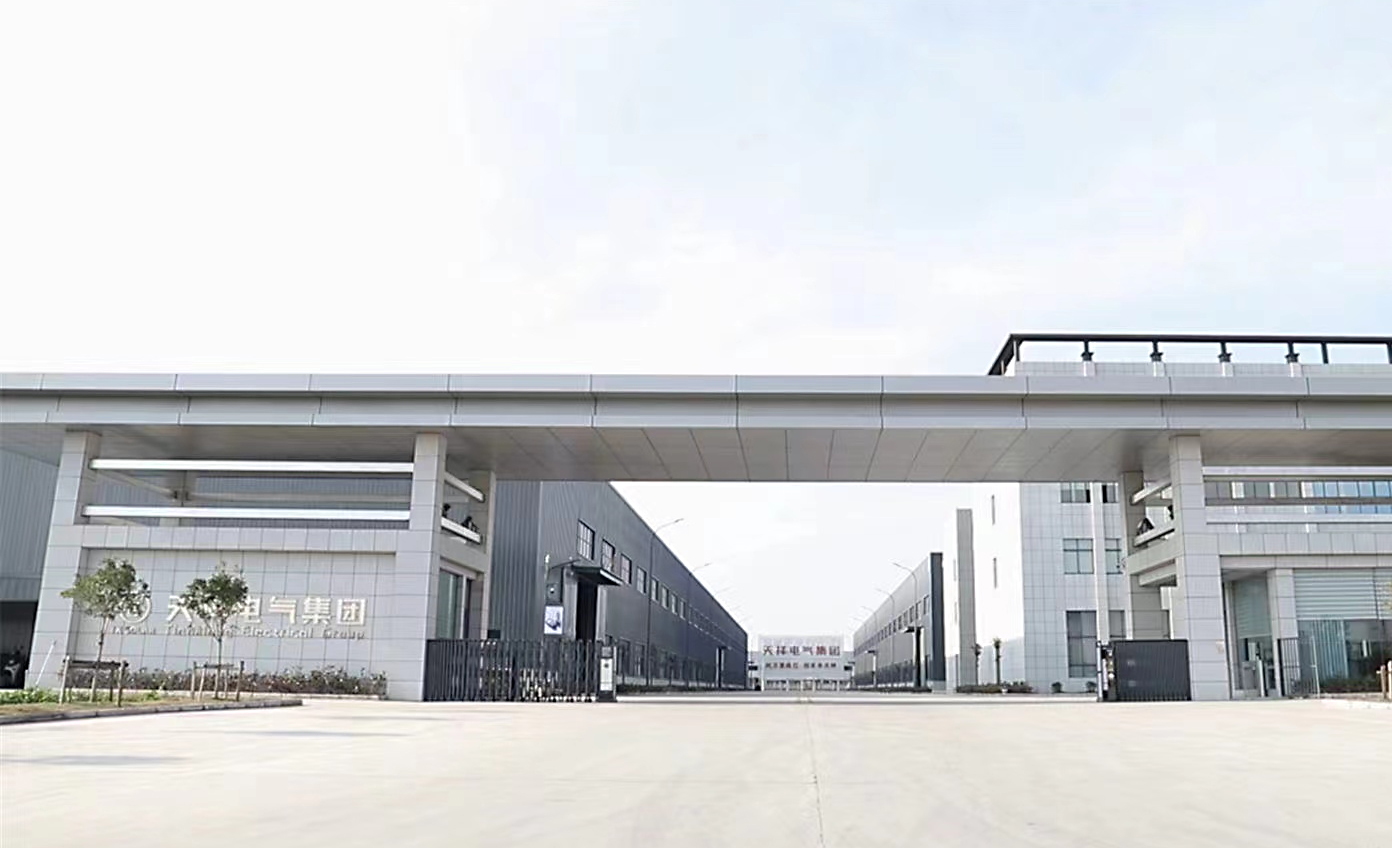
Who We Are
Yangzhou Tianxiang Road Lamp Equipment Co., Ltd. founded in 2008 and located in the smart Industrial Park of street lamp manufacturing base in Gaoyou City, Jiangsu Province, is a production-oriented enterprise focusing on street lamp manufacturing. At present, it has the most perfect and advanced digital production line in the industry. Up to now, the factory has been at the forefront of the industry in terms of production capacity, price, quality control, qualification and other competitiveness, with a cumulative number of lights on more than 1,700,000, in Africa and Southeast Asia, Many countries in South America and other regions occupy a large market share and become the preferred product supplier for many projects and engineering companies at home and abroad.
What We Have
The company was established in 1996, join this new industrial zone in 2008. Now we have more than 200 people, R & D Personal 12 people, engineer 16 people, QC 4 people, International trade department: 16 people, sales department (china): 12 people.
With decades of dedicated experience in outdoor lighting manufacturing, our team is equipped to handle complex customization requests for rural and remote projects, ensuring that each integrated solar street light is optimized for the local solar radiation levels and weather conditions of the target destination.
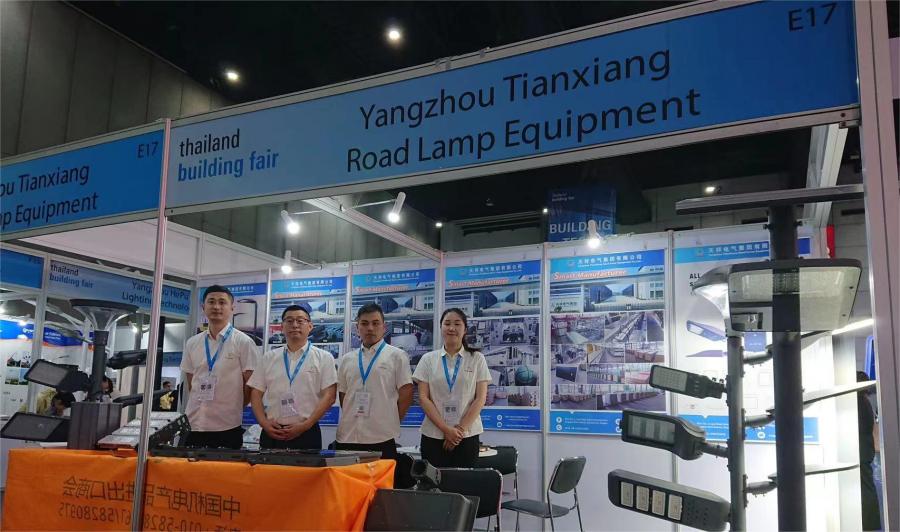
Our Enterprise Culture


Our Mission
Continuous improvement, technological innovation, and the pursuit of 100% customer satisfaction.


Our Vision
To be the world's leading brand in renewable energy and energy efficient lighting.


Our Value
Open, harmonious, pragmatic and innovative.
We have a powerful R&D and engineer team, that offer exceptional products and technical supports, and we have our own solar panel, solar battery and lighting workshops. This vertical integration guarantees strict quality control, highly competitive factory-direct pricing, and swift delivery timelines for global infrastructure projects.
Economic and Environmental Impact Analysis
For remote areas, selecting the right lighting technology has profound long-term economic and environmental implications. A detailed comparison between traditional grid-tied municipal lighting and off-grid All In One LED street lights reveals why the latter is the only sustainable choice for modern rural development.
1. Zero Operational Electricity Bills
Once installed, integrated solar street lights run entirely on solar energy. For cash-strapped rural municipalities and local councils, this eliminates the monthly recurring cost of electricity. These saved funds can be redirected toward other critical local needs, such as healthcare, education, and clean water infrastructure.
2. Drastic Reduction in Installation and Labor Costs
Traditional lighting requires extensive trenching, laying of heavy copper cables, installing distribution boxes, and grid connection approvals. In remote regions, transport of heavy machinery is extremely costly. All In One lights bypass this entire process. With a simple bracket system, they can be mounted onto existing poles or simple wooden/steel structures by local workers, keeping the investment local and minimizing labor costs.
3. Carbon Offsetting and Environmental Protection
Each All In One LED street light deployed in place of a grid-connected coal-powered light prevents approximately 100 kg of CO2 emissions annually. Over a typical project life cycle of ten years, a deployment of 1,000 lights offsets a massive volume of greenhouse gases. Furthermore, because there is no need to dig trenches, the local soil, vegetation, and natural habitats remain completely undisturbed during installation.
4. High Durability and Minimal Maintenance
Remote locations make regular maintenance visits impractical and expensive. Traditional lead-acid batteries buried underground are prone to theft and degrade rapidly in hot climates. The integrated design of our All In One lights places the high-grade LiFePO4 battery directly beneath the solar panel, protected by a robust aluminum casing. This layout deters vandalism, prevents water ingress, and utilizes the solar panel's shade to keep the battery operating within its optimal temperature range, ensuring a maintenance-free lifespan of up to a decade.
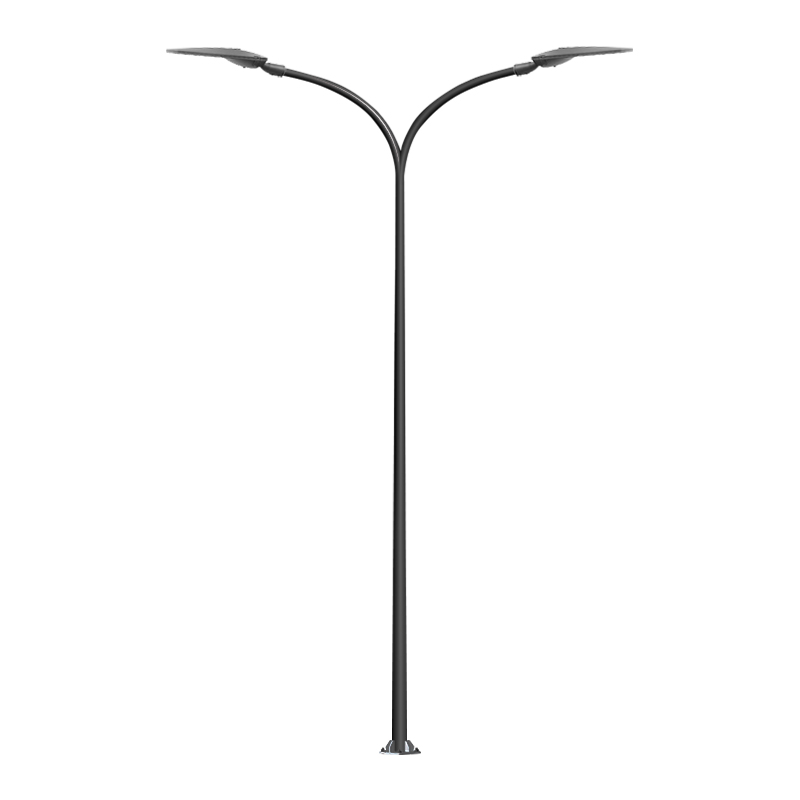
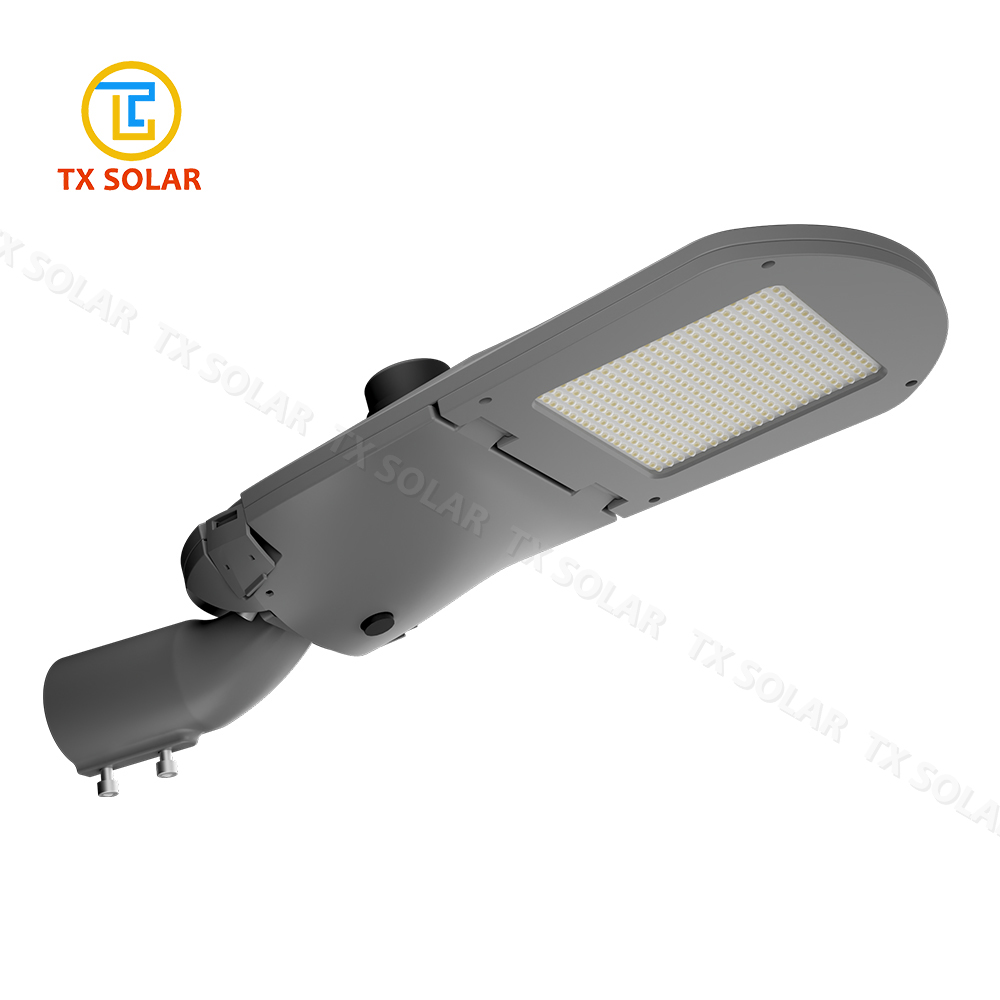
Our Complete Range of Rural & Remote Area Lighting Products
-

E-mail
-

Whatsapp
-

Top


