
Vietnam's Rapid Shift to Solar Energy & Smart Infrastructure
Vietnam is currently undergoing one of the most dynamic energy transitions in Southeast Asia. Driven by the government’s commitment to achieving Net-Zero carbon emissions by 2050 and the rapid expansion of industrial zones across provinces like Binh Duong, Dong Nai, Bac Ninh, and Hai Phong, clean energy infrastructure has transitioned from a future goal to an immediate requirement. As urbanization accelerates, municipal authorities and industrial developers are actively seeking efficient, sustainable, and reliable outdoor illumination. The 60w Integrated Solar Street Light has emerged as the definitive solution for these modern infrastructure projects.
💡 Did you know? Southern and Central Vietnam receive an average of 4.5 to 5.5 kWh/m² of solar radiation per day, making solar-powered street lighting exceptionally efficient and highly reliable throughout the year.
Traditional street lighting systems rely heavily on grid power, requiring extensive cabling, trenching, and grid connection approvals, which slow down project timelines and inflate capital costs. In contrast, integrated solar street lights operate entirely off-grid. They leverage the abundant tropical sunlight of Vietnam, converting it into clean electricity stored in high-performance lithium batteries to provide uninterrupted nighttime illumination.
Why the 60W Integrated Solar Street Light is the Industry Choice
In the solar lighting industry, power rating selection is critical to balancing illumination requirements and system costs. The 60W capacity is widely considered the "sweet spot" for a broad spectrum of commercial, industrial, and municipal applications in Vietnam:
■ Optimal Brightness for Safety
A 60W LED luminaire, powered by high-efficacy chips (often exceeding 180 lm/W), delivers a luminous flux that easily satisfies lighting standards for secondary roads, industrial parks, and residential communities, ensuring pedestrian and vehicular safety.
■ Compact, Integrated Design (All-in-One)
By integrating the solar panel, LED light source, LiFePO4 battery, and smart MPPT controller into a single casing, the system eliminates complex wiring. This design reduces shipping costs, simplifies installation, and minimizes wind resistance—a crucial factor in Vietnam's coastal areas prone to seasonal typhoons.
■ Cost-Effective & Low Maintenance
Compared to larger 100W or 120W systems, the 60W integrated light requires a smaller solar panel and battery capacity, reducing the initial investment while still meeting strict lighting regulations. Maintenance is minimal, as there are no external cables to degrade or batteries to bury underground.
Localized Application Scenarios in Vietnam
The versatile design of the 60w Integrated Solar Street Light makes it highly adaptable to various local environments, supporting Vietnam's green development across multiple sectors:
1 Industrial Parks & Export Processing Zones
Vietnam's industrial parks (such as VSIP, Amata, and DEEP C) are expanding rapidly. Developers are prioritizing green building certifications (like LEED or LOTUS). Installing integrated solar street lights along internal roads, parking lots, and perimeter fences helps developers reduce carbon footprints and lower operating costs.
2 Rural Electrification & "Nông Thôn Mới" Projects
Under the national program for rural development ("Nông Thôn Mới"), remote communes in the Mekong Delta, Central Highlands, and Northern mountainous regions are upgrading their infrastructure. Off-grid 60W solar lights provide a practical, cost-effective way to illuminate rural roads without the high costs of grid extension.
3 Coastal Roads, Resorts, and Urban Promenades
Vietnam boasts a coastline stretching over 3,260 km, with booming tourism hubs like Da Nang, Nha Trang, and Phu Quoc. The high humidity and salinity in these areas pose challenges for traditional metal poles and wiring. High-grade galvanized and powder-coated integrated solar street lights resist corrosion while maintaining a clean, modern aesthetic suitable for luxury resorts and public beaches.
PROFESSIONAL OUTDOOR LIGHTING MANUFACTURER SINCE 1996
■ Who We Are
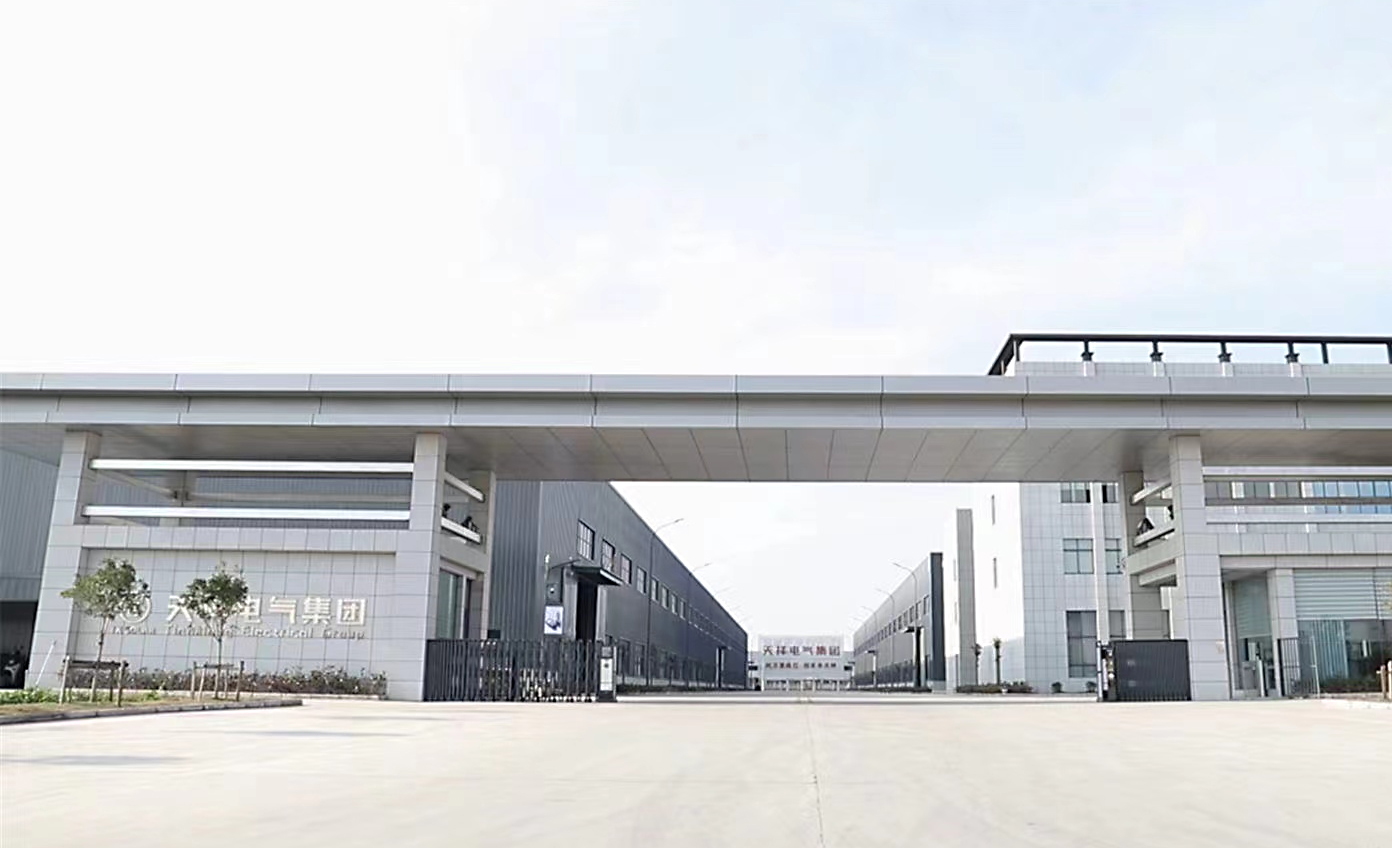
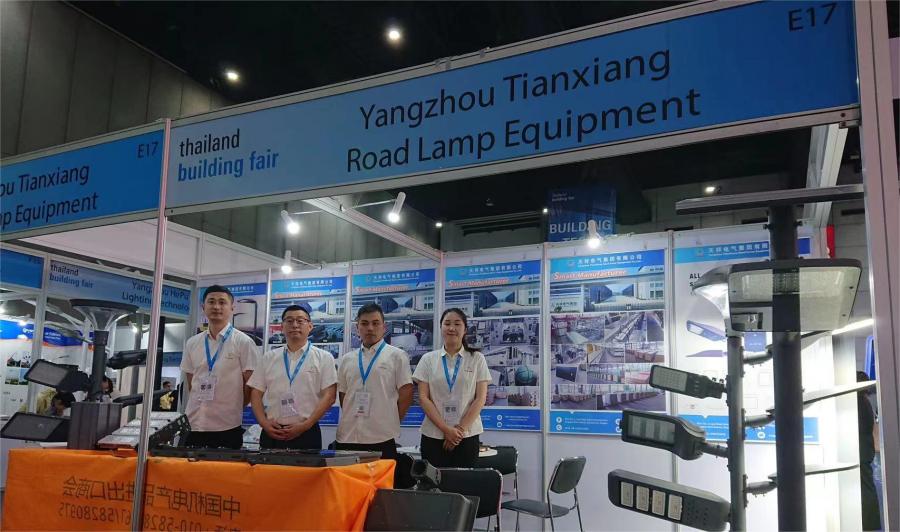
Yangzhou Tianxiang Road Lamp Equipment Co., Ltd. founded in 2008 and located in the smart Industrial Park of street lamp manufacturing base in Gaoyou City, Jiangsu Province, is a production-oriented enterprise focusing on street lamp manufacturing. At present, it has the most perfect and advanced digital production line in the industry. Up to now, the factory has been at the forefront of the industry in terms of production capacity, price, quality control, qualification and other competitiveness, with a cumulative number of lights on more than 1,700,000. In Africa, Southeast Asia (including Vietnam), South America, and other regions, we occupy a large market share and have become the preferred product supplier for many key infrastructure projects and engineering companies.
■ What We Have
The company was established in 1996 and joined this new industrial zone in 2008. Currently, we employ more than 200 dedicated professionals, including 12 R&D specialists, 16 experienced engineers, 4 QC personnel, 16 international trade department members, and 12 domestic sales representatives. This robust organizational structure ensures that every solar light we manufacture meets international standards of durability and efficiency.
1996
Established
200+
Employees
1.7M+
Lights Installed Globally
16+
Senior Engineers
Industry Trends & Technological Innovations
The solar lighting sector is evolving rapidly, driven by developments in IoT, battery chemistry, and smart grid technology. When sourcing 60W integrated solar street lights for Vietnamese projects, keep these industry trends in mind:
⚡ 1. Intelligent IoT Control & Smart Cities
Modern solar street lights are no longer isolated units. With integrated IoT modules, street lights can communicate with a centralized management system (CMS) via Zigbee, LoRa, or 4G/5G networks. Operators in cities like Hanoi or Ho Chi Minh City can monitor battery health, adjust dimming profiles remotely, and receive real-time maintenance alerts, reducing operational costs by up to 50%.
⚡ 2. Transition to LiFePO4 Batteries
Older solar lighting systems used Lead-Acid or Gel batteries, which had limited lifespans and struggled in high-temperature tropical environments. Modern 60W integrated lights feature Lithium Iron Phosphate (LiFePO4) batteries. These offer over 2,000 to 3,000 charge-discharge cycles, high thermal stability, and an operational lifespan of over 8 years, even in Vietnam's hot southern climate.
⚡ 3. Adaptive Dimming & Motion Sensors
To conserve energy and extend autonomy during prolonged rainy seasons (monsoons), smart lights utilize PIR or microwave motion sensors. The light operates at a dimmed level (e.g., 30% brightness) when no activity is detected and instantly ramps up to 100% when a pedestrian or vehicle approaches.
Enterprise Culture
We are committed to delivering reliable green energy products that contribute to global sustainable development. Our core values guide our manufacturing processes and client relationships.

Our Mission
Continuous improvement, technological innovation, and the pursuit of 100% customer satisfaction.

Our Vision
To be the world's leading brand in renewable energy and energy efficient lighting.

Our Value
Open, harmonious, pragmatic and innovative approach to every project.
What You Get Partnering with Tianxiang
We maintain a powerful R&D and engineering team that provides exceptional product customization and technical support. By manufacturing our own solar panels, lithium batteries, and lighting housings, we ensure strict quality control and cost efficiency across our entire catalog.
🛠️ Project Support for Vietnamese Contractors: We offer comprehensive technical assistance, including Dialux lighting simulations, wind-load structural calculations for coastal areas, and customized battery sizing to ensure light autonomy during the monsoon season.
Our Complete Product Portfolio

IoT Smart Pole Street Lighting for Smart City
View Details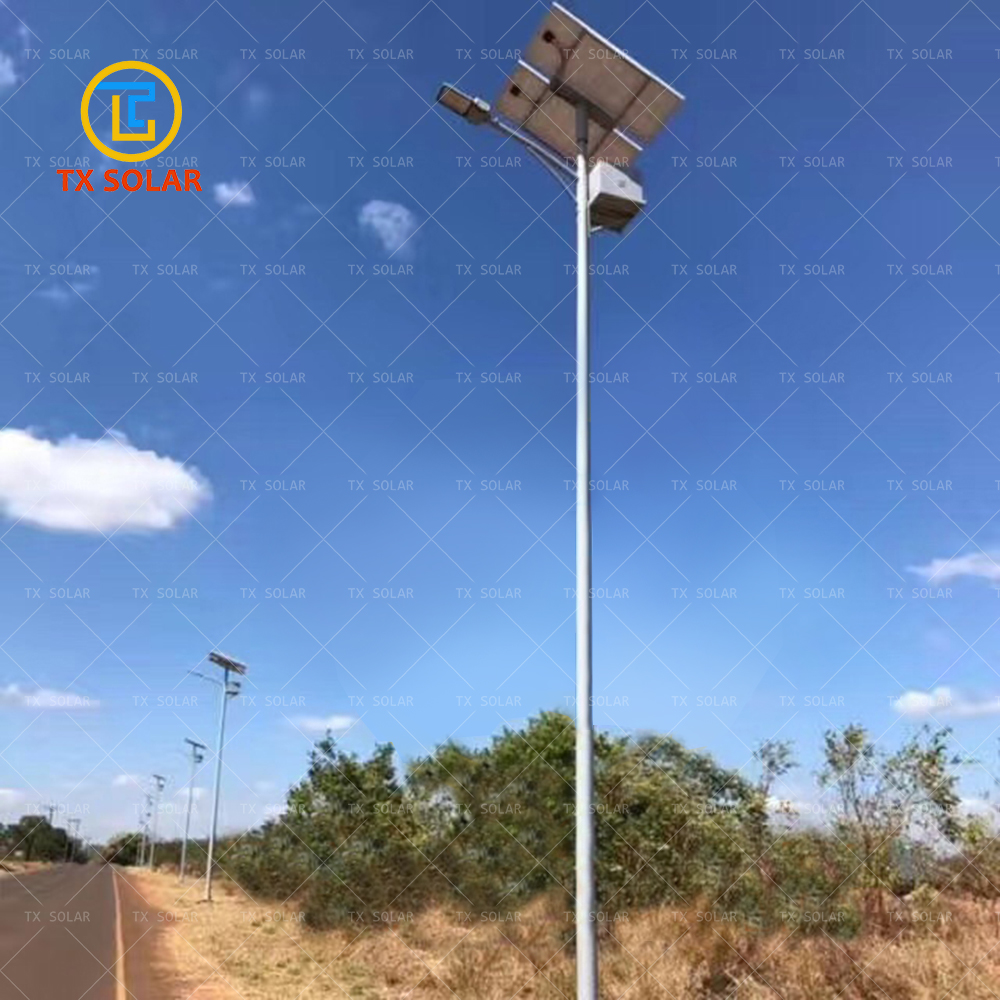
10m 100w Solar Street Light With Lithium Battery
View Details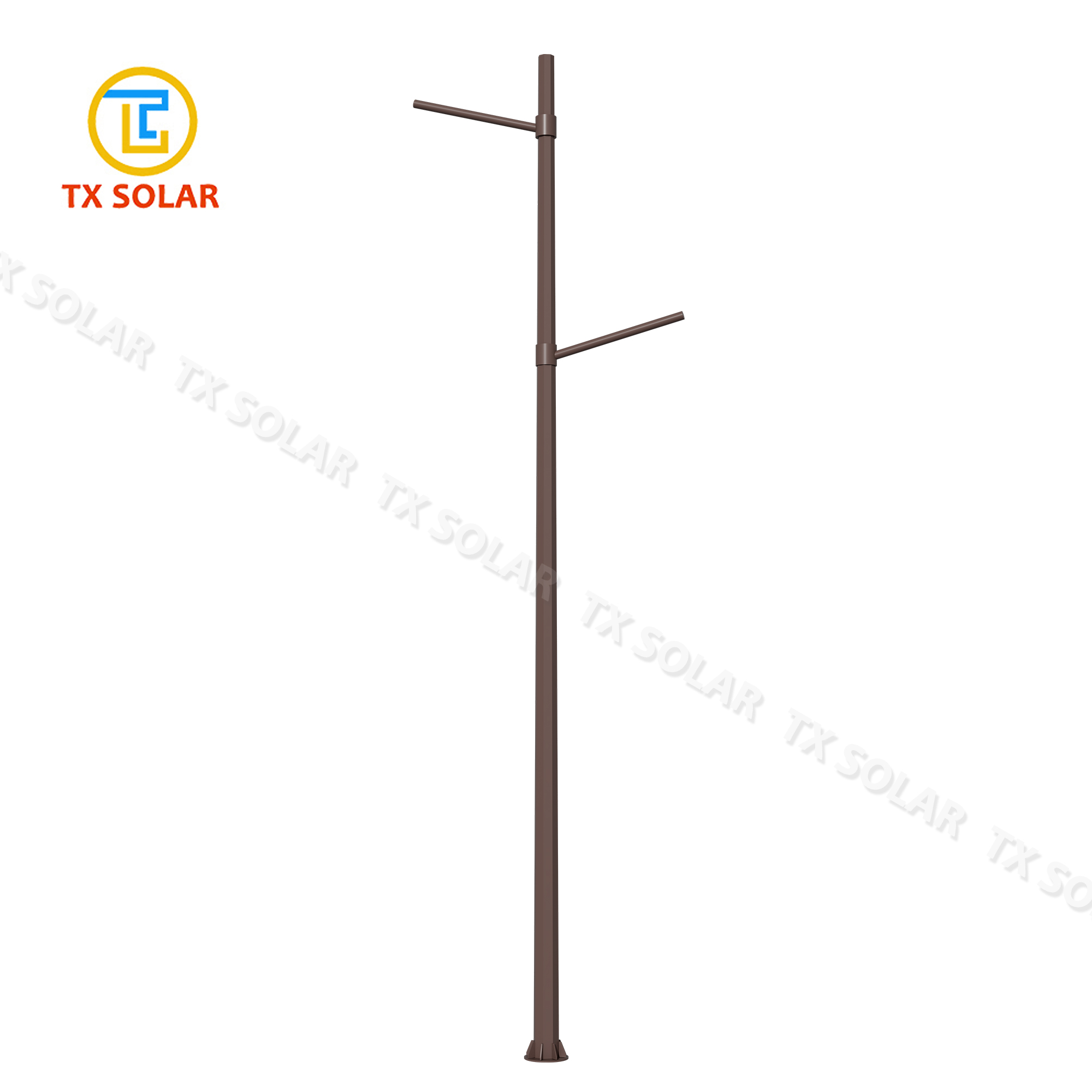
Hot Sale High and Low Arm Street Light Pole
View Details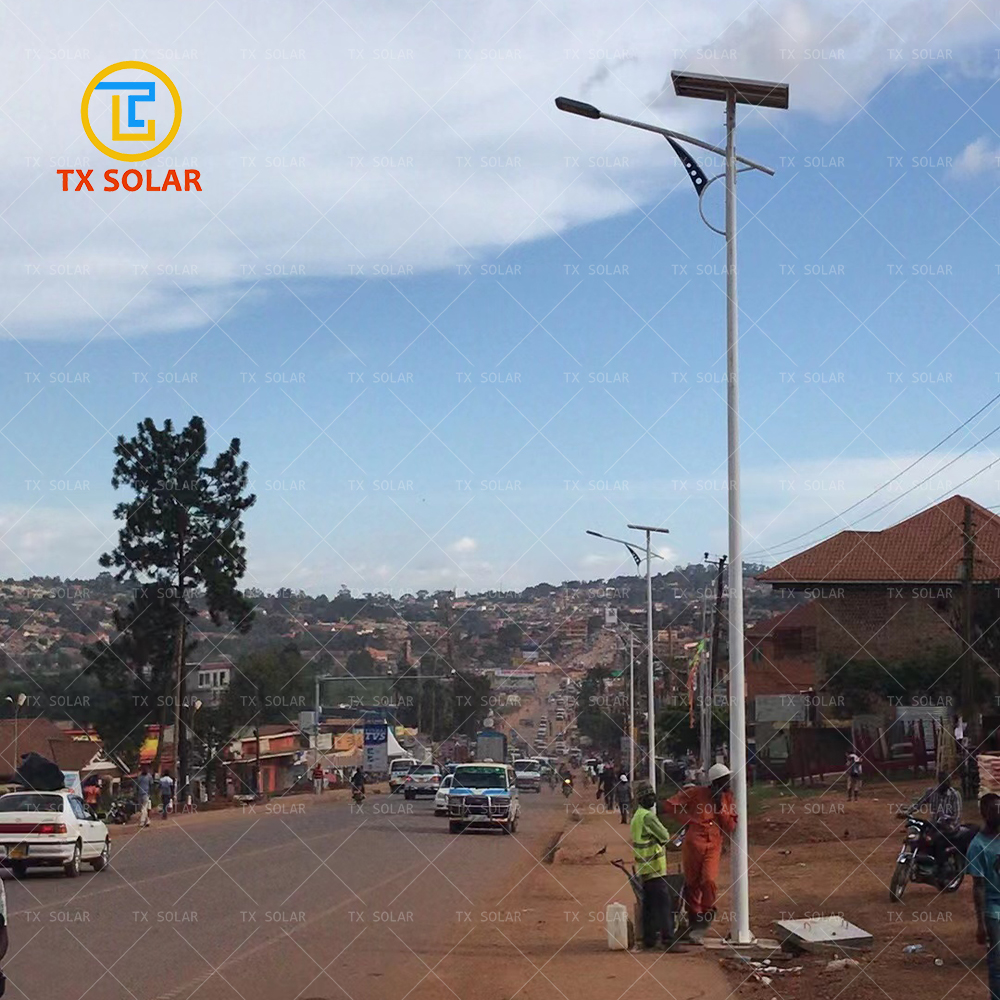
6M 30W Solar Street Light With Gel Battery
View Details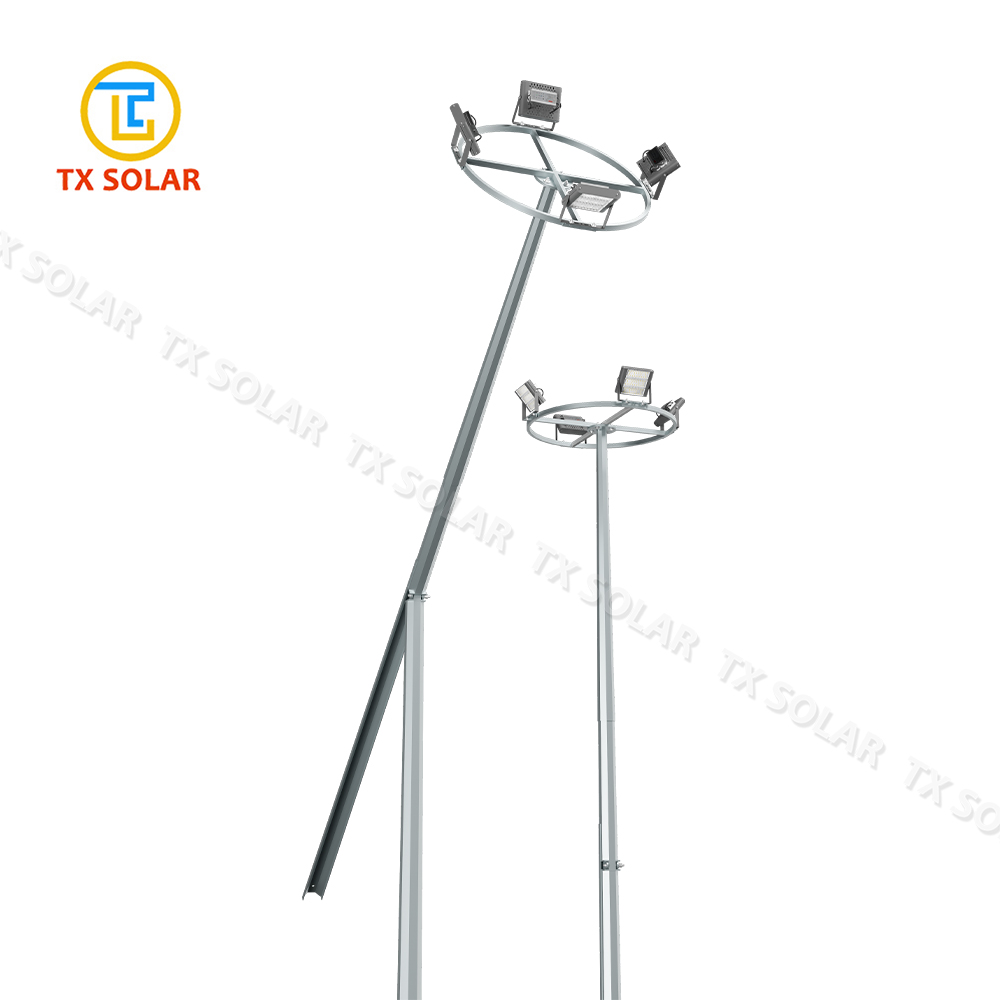
4m-20m Galvanized Mid Hinged Pole
View Details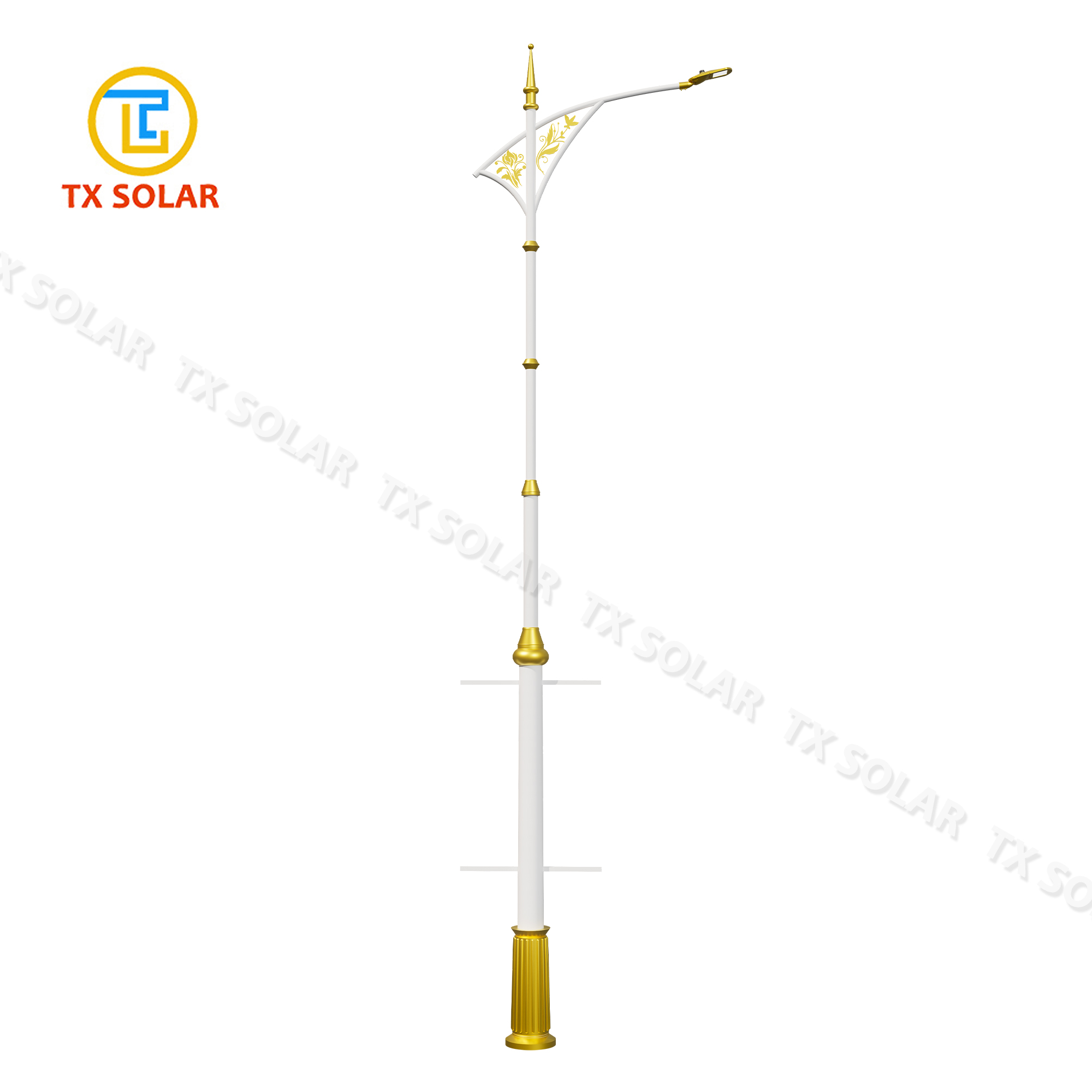
Exquisite Single Arm Custom Lamp Pole
View Details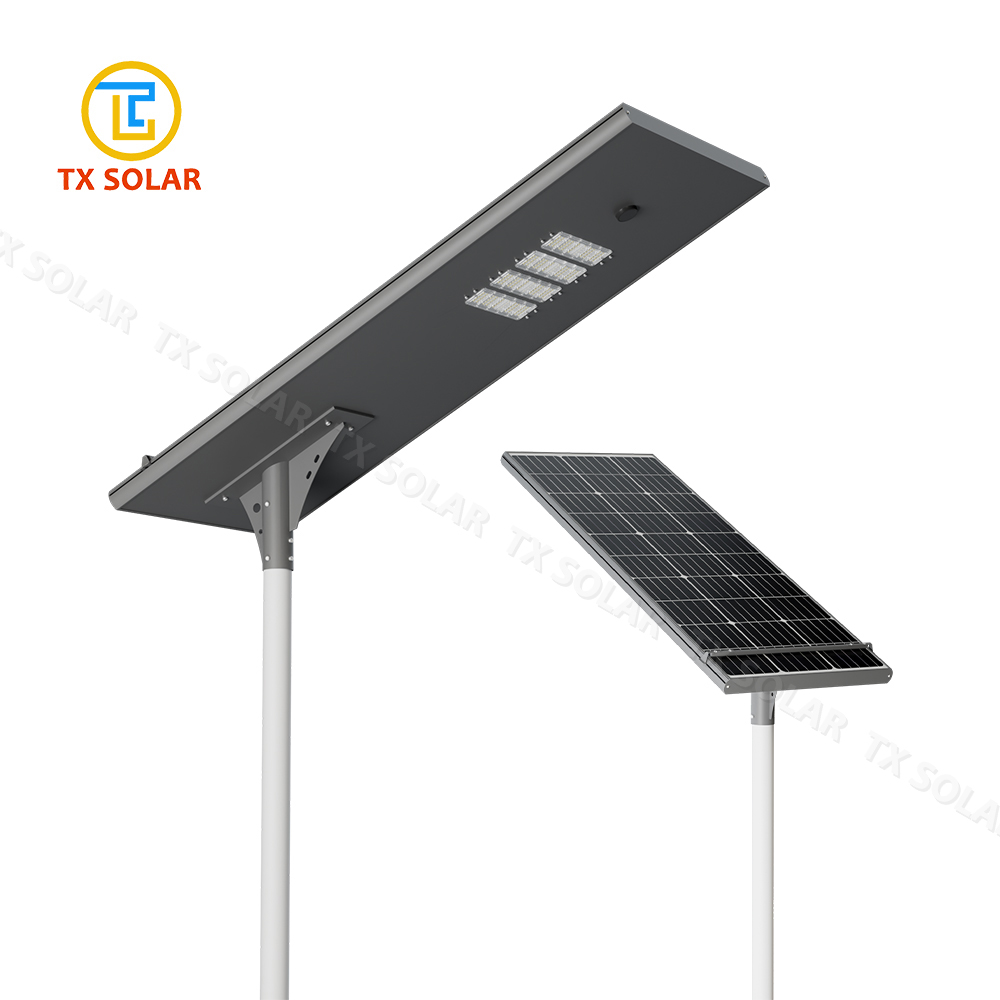
Automatic Self Clean All In One Solar Street Light
View Details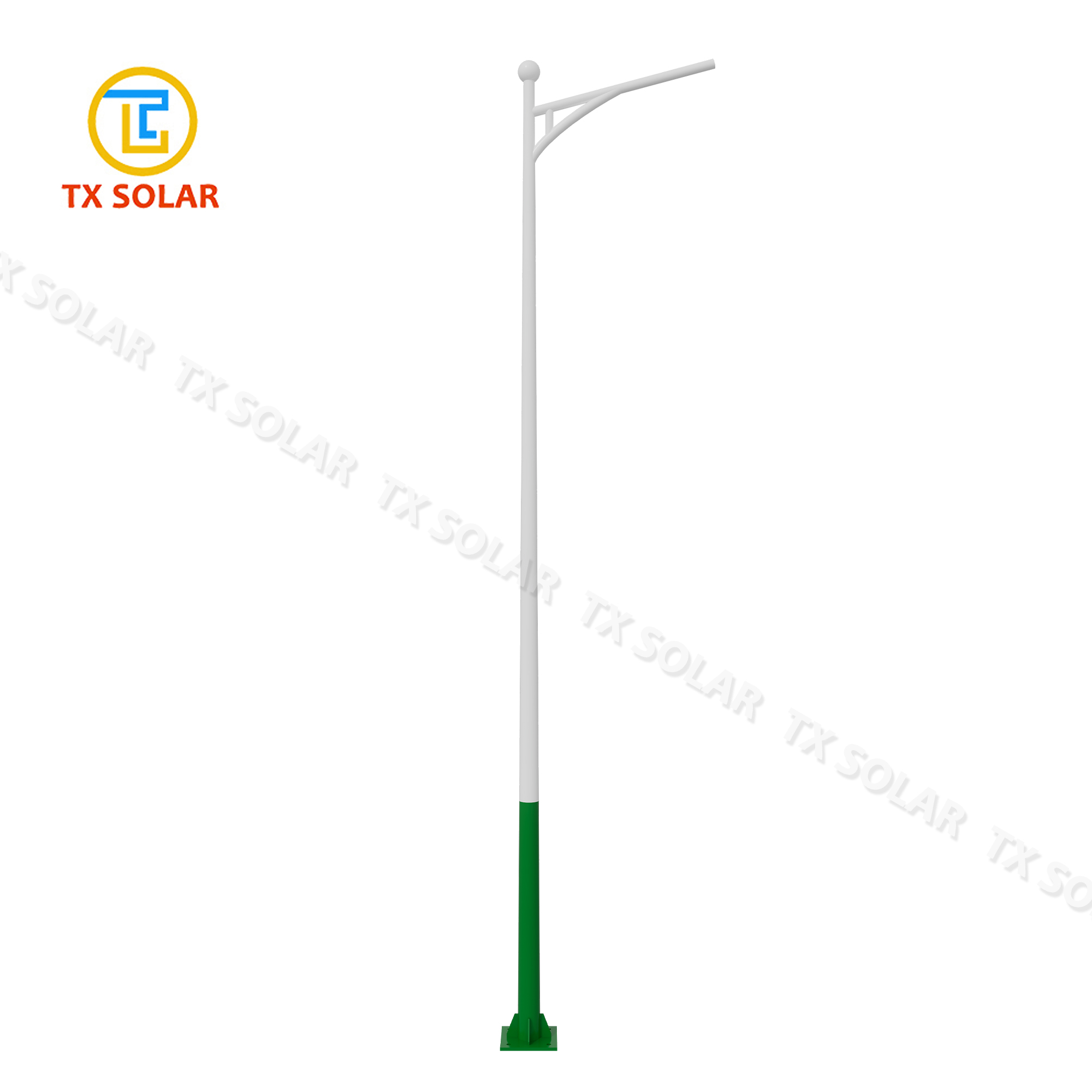
Q235 A-arm Single Arm Street Light Pole
View Details-

E-mail
-

Whatsapp
-

Top


