
Primary Municipal Roadway Solutions
Industrial & Commercial Landscape of 220V AC Municipal Lighting
The commercial deployment of 220v Ac Street Lights For Municipal Roadways represents the backbone of modern urban lighting infrastructure. Across the globe, municipalities are transitioning from legacy high-pressure sodium (HPS) and metal halide fixtures to advanced alternating current (AC) LED systems. Operating directly on standard 220V AC electrical grids, these street lights offer a reliable, cost-effective, and highly scalable solution for illuminating arterial roads, expressways, and urban centers.
From a commercial standpoint, the decision to implement 220V AC systems is heavily driven by the existing grid infrastructure. While solar-powered DC street lighting continues to gain traction in rural and off-grid applications, AC grid-tied systems remain the preferred choice for high-density municipal zones. The continuous power supply ensures uninterrupted operation, regardless of weather conditions or seasonal solar radiation levels. This reliability is critical for maintaining public safety, reducing traffic accidents, and supporting 24/7 economic activities in urban hubs.
Key Economic Advantages of Grid-Connected AC Systems
By utilizing the standard 220V AC municipal grid, city councils avoid the high upfront costs associated with large-scale battery storage and solar panel arrays on every pole. Furthermore, centralized power monitoring allows for streamlined maintenance operations, enabling utility teams to identify outages, monitor energy consumption, and manage load distributions in real time.
Industrially, the manufacturing of 220V AC street lights has evolved to meet stringent international standards for efficiency, durability, and electrical safety. Today's fixtures must deliver high luminous efficacy (often exceeding 150 lm/W) while maintaining a low total harmonic distortion (THD) and a high power factor (typically >0.95). These technical parameters are essential to prevent electrical noise and power loss across kilometers of municipal wiring, ensuring that public utility networks operate at peak efficiency.
Deep Application Scenarios in Modern Municipalities
Deploying 220V AC street lighting goes beyond simply mounting fixtures on metal poles. Different municipal zones demand specific optical distributions, structural designs, and intelligence levels to optimize both visibility and energy consumption.
1. High-Speed Expressways & Highways
Requires high-lumen output (typically 150W to 300W LED) and precise asymmetric optical lenses to prevent glare. The 220V AC system ensures consistent, high-intensity illumination over long distances without voltage drops, enhancing safety at high speeds.
2. Urban Arterials & Commercial Districts
Where aesthetics meet functionality. These areas utilize smart 220V AC poles integrated with IoT controllers to adjust brightness dynamically based on traffic flow and pedestrian density, reducing operational costs during off-peak hours.
3. Residential Streets & Pathways
Focuses on warm color temperatures (2700K to 4000K) and strict cut-off optics to eliminate light pollution in residential windows. The reliability of standard AC power guarantees secure environments for local communities year-round.
Smart City Integration & Multifunctional Poles
One of the most significant trends in municipal roadway development is the transition toward multifunctional smart poles. By leveraging the continuous power supply of a 220V AC line, municipalities can transform standard light poles into digital hubs. These poles can host 5G micro-cells, public Wi-Fi routers, environmental sensors, CCTV security cameras, and even electric vehicle (EV) charging stations.
This convergence of technologies allows city planners to consolidate street furniture, reducing visual clutter while maximizing the utility of public assets. The underlying 220V AC infrastructure provides the necessary power budget to run these auxiliary devices continuously, making it the ideal foundation for future-proof smart cities.
Technological Evolution & Future Trends
The future of 220v Ac Street Lights For Municipal Roadways is defined by digitalization, sustainability, and adaptive control. As municipalities strive to hit carbon neutrality goals, street lighting systems are undergoing rapid technological transformations:
- Advanced LED Driver Technology: Modern AC drivers are engineered to withstand extreme voltage fluctuations (from 90V to 305V AC) and feature built-in surge protection devices (SPDs) up to 10kV or 20kV to protect the sensitive LEDs from lightning strikes and grid transients.
- NEMA & Zhaga Smart Interfaces: Standardized socket interfaces (like NEMA 7-pin or Zhaga Book 18) are now standard on municipal fixtures. This allows cities to easily plug in wireless communication nodes (using LoRaWAN, Zigbee, or NB-IoT) to enable remote monitoring and dimming capabilities.
- Dark Sky Compliance: Environmental considerations are pushing manufacturers to design optics that minimize upward light output (ULOR = 0%), preserving the night sky and reducing the ecological impact on local wildlife.
- Circular Economy & Modular Design: Municipalities are demanding fixtures that are easy to repair and upgrade. Modular LED engines and tool-less entry housings allow maintenance crews to replace components in minutes, extending the lifespan of the physical fixture.
Yangzhou Tianxiang Road Lamp Equipment Co., Ltd.
Professional Outdoor Lighting Manufacturer Since 1996
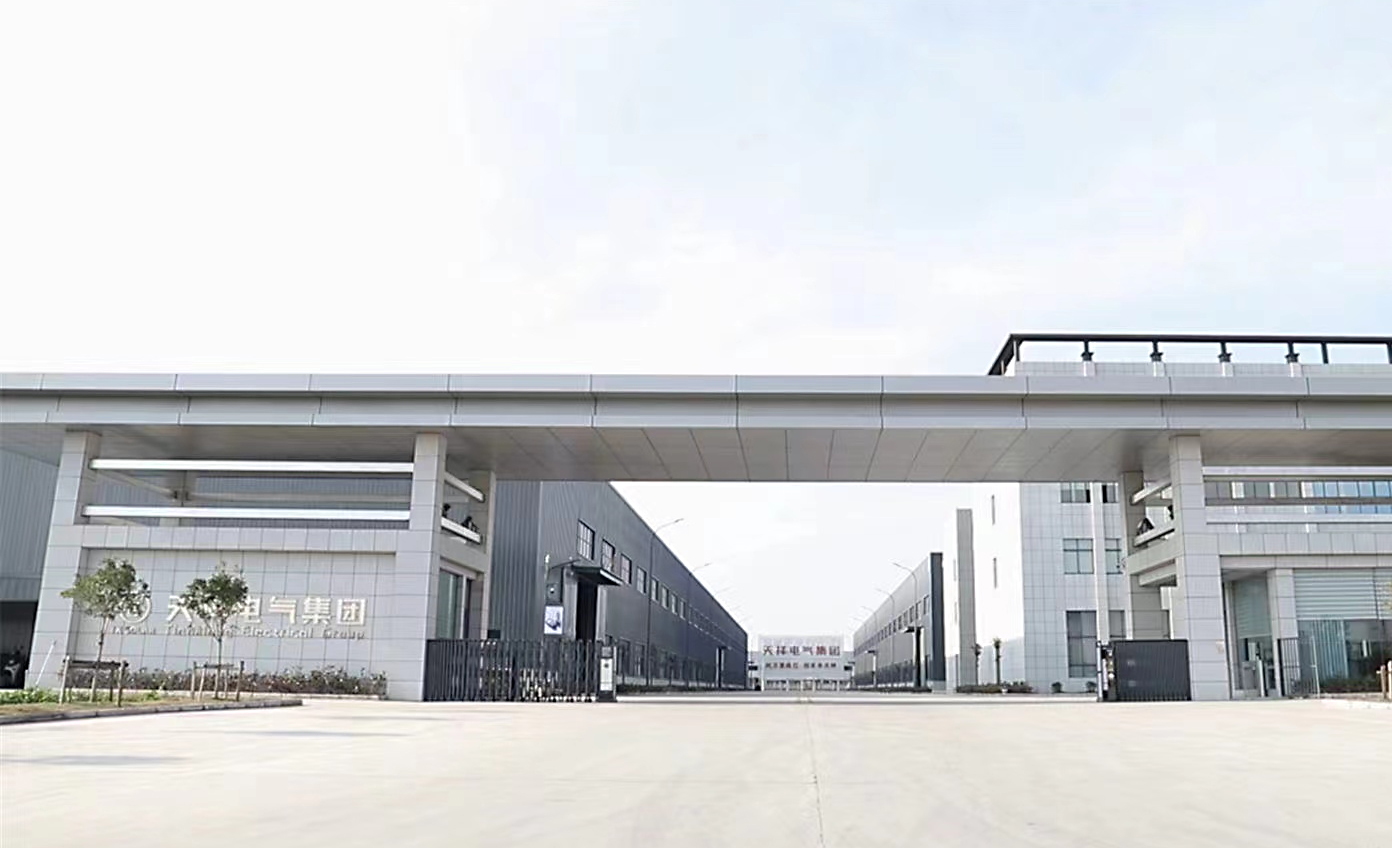
Yangzhou Tianxiang Road Lamp Equipment Co., Ltd. founded in 2008 and located in the smart Industrial Park of street lamp manufacturing base in Gaoyou City, Jiangsu Province, is a production-oriented enterprise focusing on street lamp manufacturing. At present, it has the most perfect and advanced digital production line in the industry.
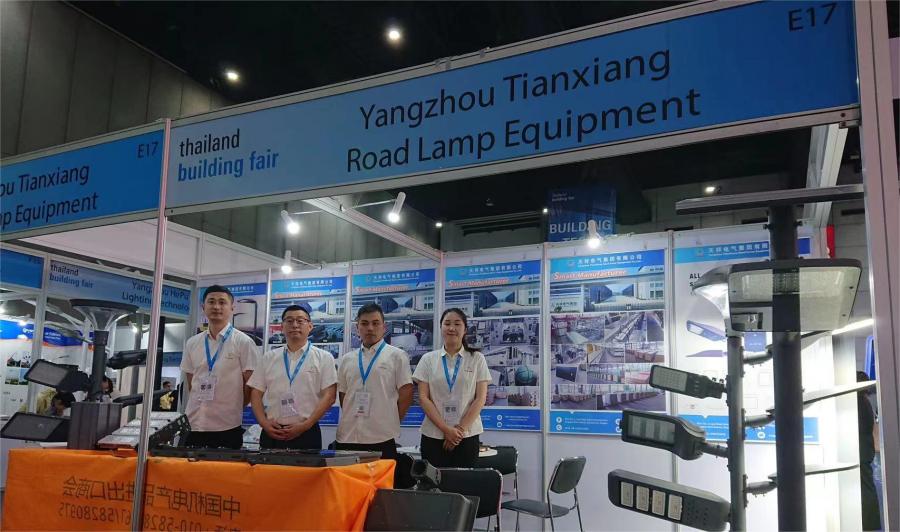
Up to now, the factory has been at the forefront of the industry in terms of production capacity, price, quality control, qualification and other competitiveness, with a cumulative number of lights on more than 1,700,000. In Africa, Southeast Asia, South America, and many other regions, we occupy a large market share and have become the preferred product supplier for many projects and engineering companies at home and abroad.
What We Have
The company was established in 1996, and joined this new industrial zone in 2008. Currently, our structural workforce consists of:
- Total Personnel: More than 200 dedicated professionals
- R & D Department: 12 specialized research and development personnel
- Engineering Team: 16 experienced engineers
- Quality Control (QC): 4 strict quality inspectors
- International Trade Department: 16 global sales representatives
- Domestic Sales Department (China): 12 market specialists
Enterprise Culture & Values
-


Our Mission
Continuous improvement, technological innovation, and the pursuit of 100% customer satisfaction.
-


Our Vision
To be the world's leading brand in renewable energy and energy efficient lighting solutions.
-


Our Value
Open, harmonious, pragmatic, and continuously innovative in all our engineering practices.
What You Get Partnering With Us
We have a powerful R&D and engineering team that offers exceptional products and comprehensive technical support. By operating our own solar panel, solar battery, and structural lighting workshops, we guarantee complete control over quality and cost.
Our Complete Product Portfolio
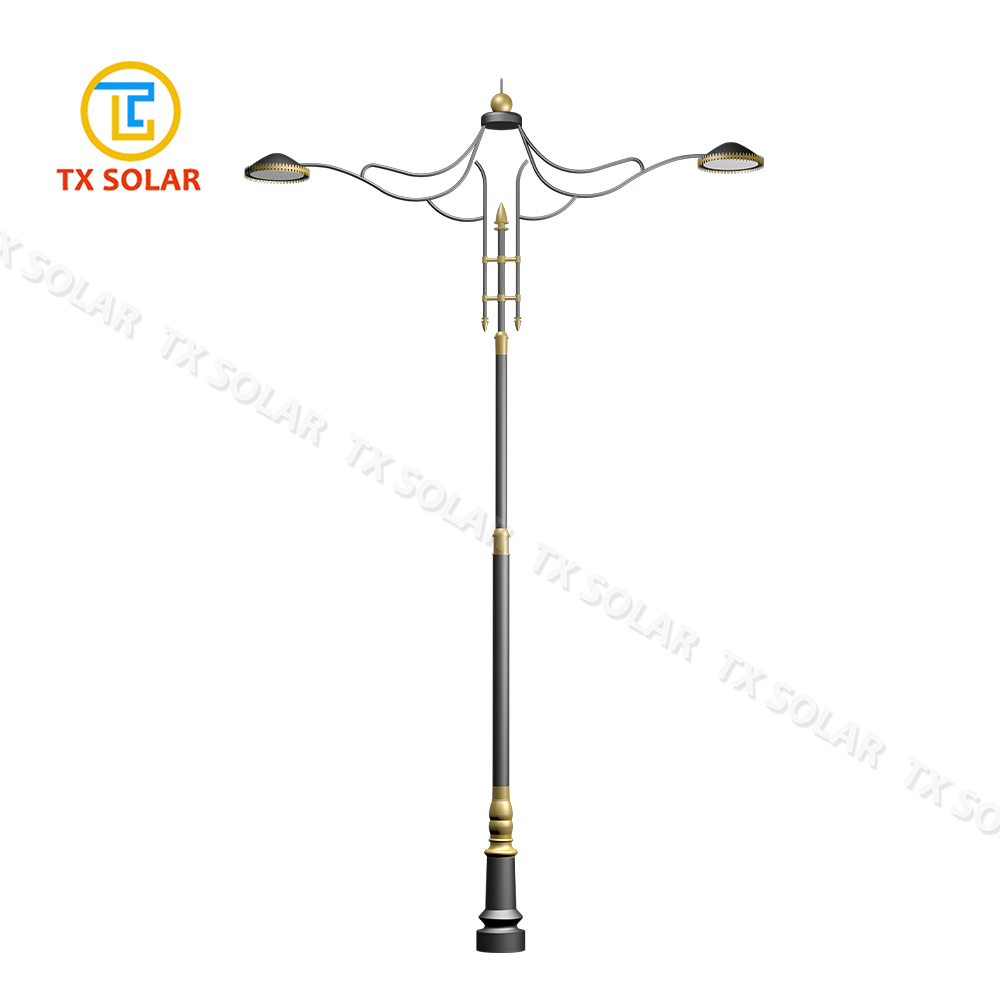
6-12M Custom Light Pole For The Middle East
Custom Poles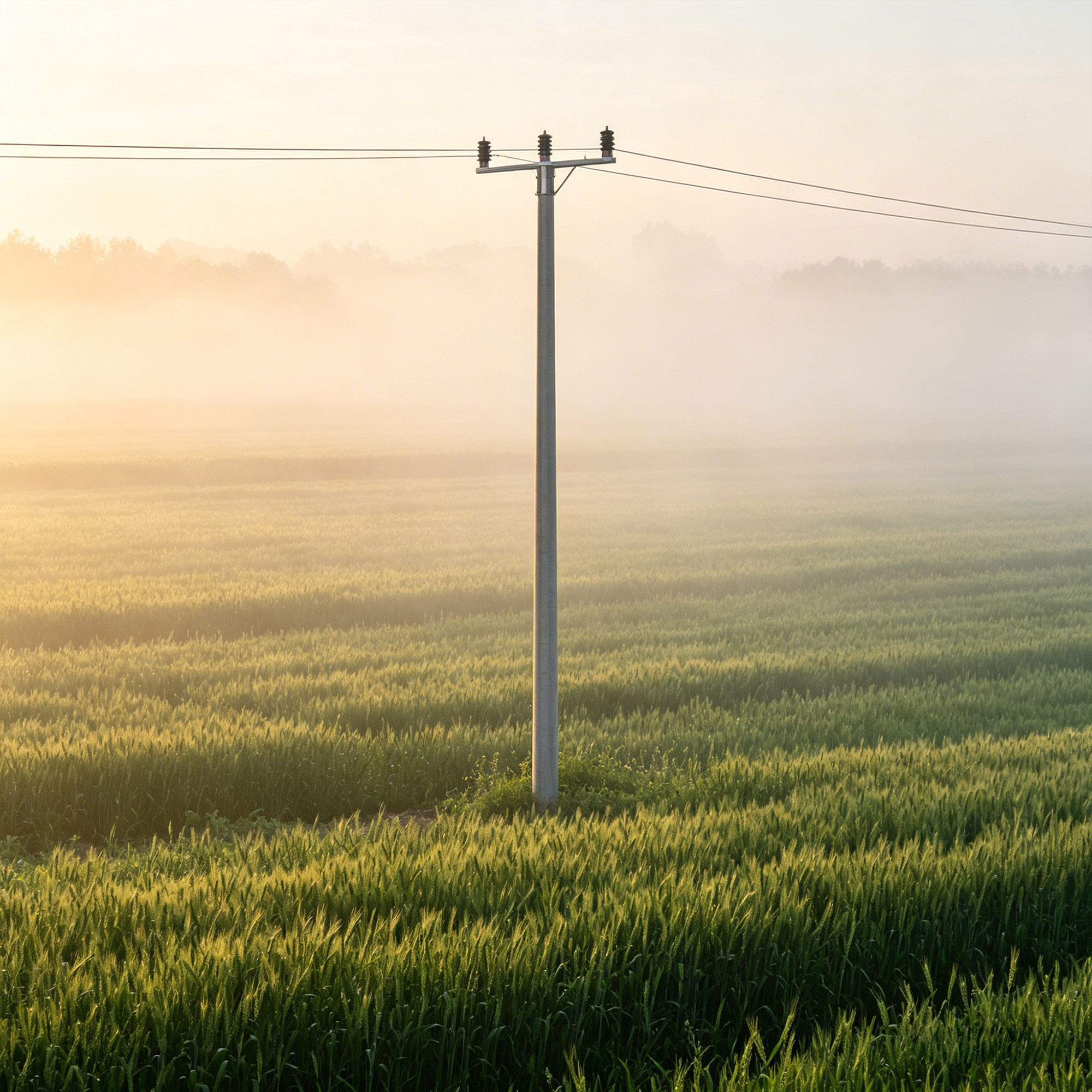
Wind Resistant Anti-Corrosion Telecom Metal Pole
Telecom Poles
IoT Smart Pole Street Lighting for Smart City
Smart City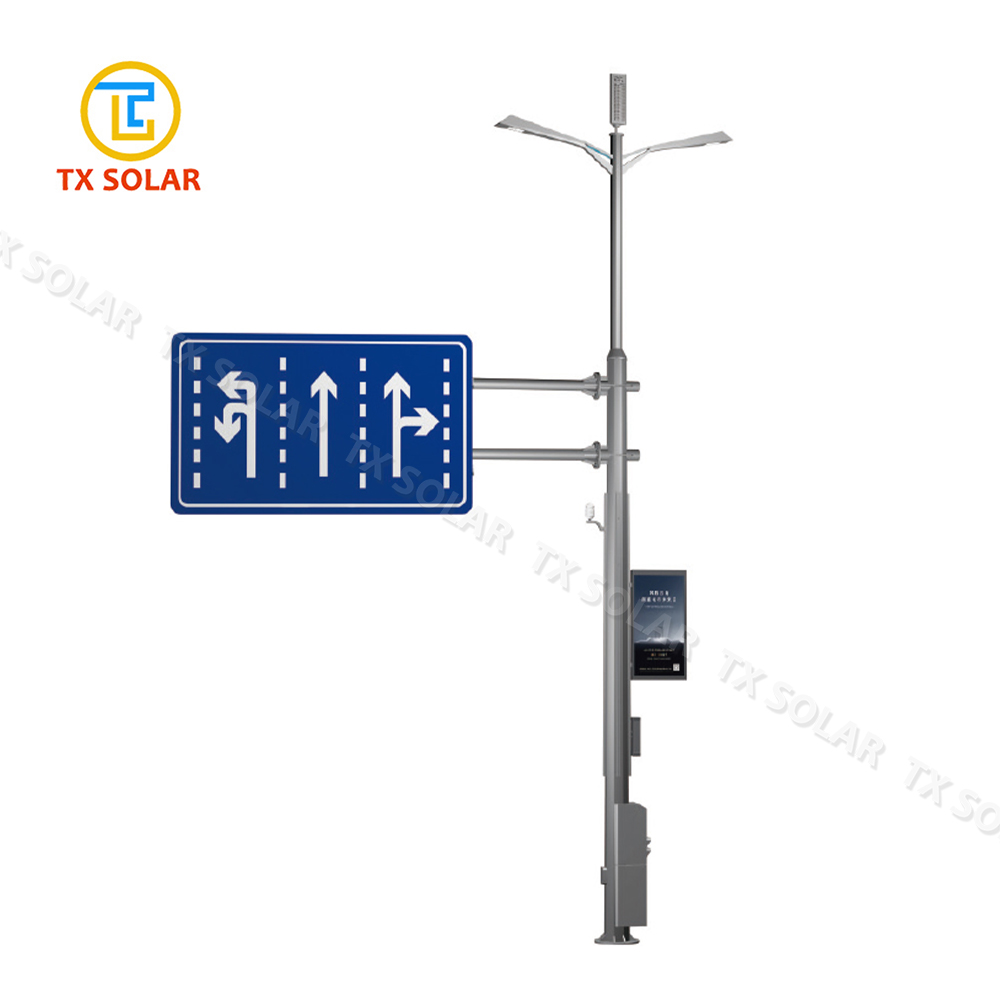
Multifunctional Intelligent Lamp Pole
Intelligent Poles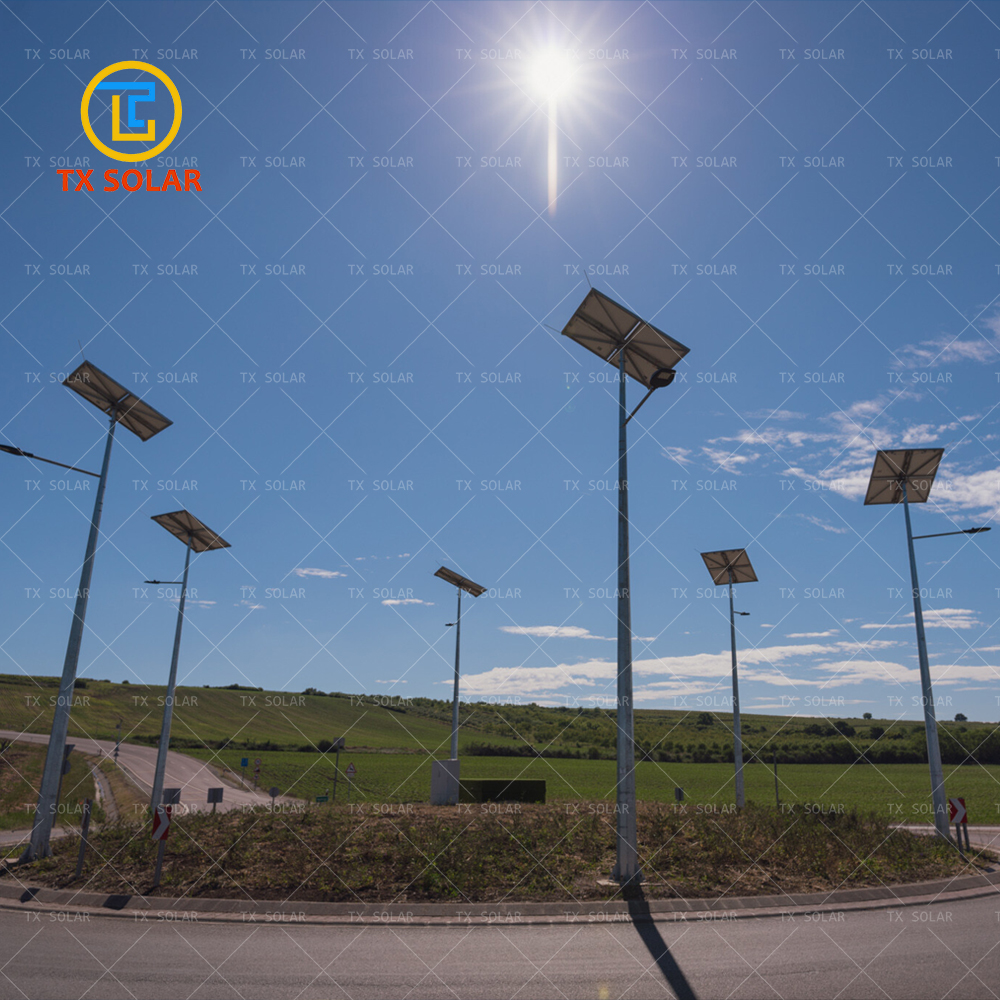
6m 30w Solar Street Light With Lithium Battery
Solar Street Lights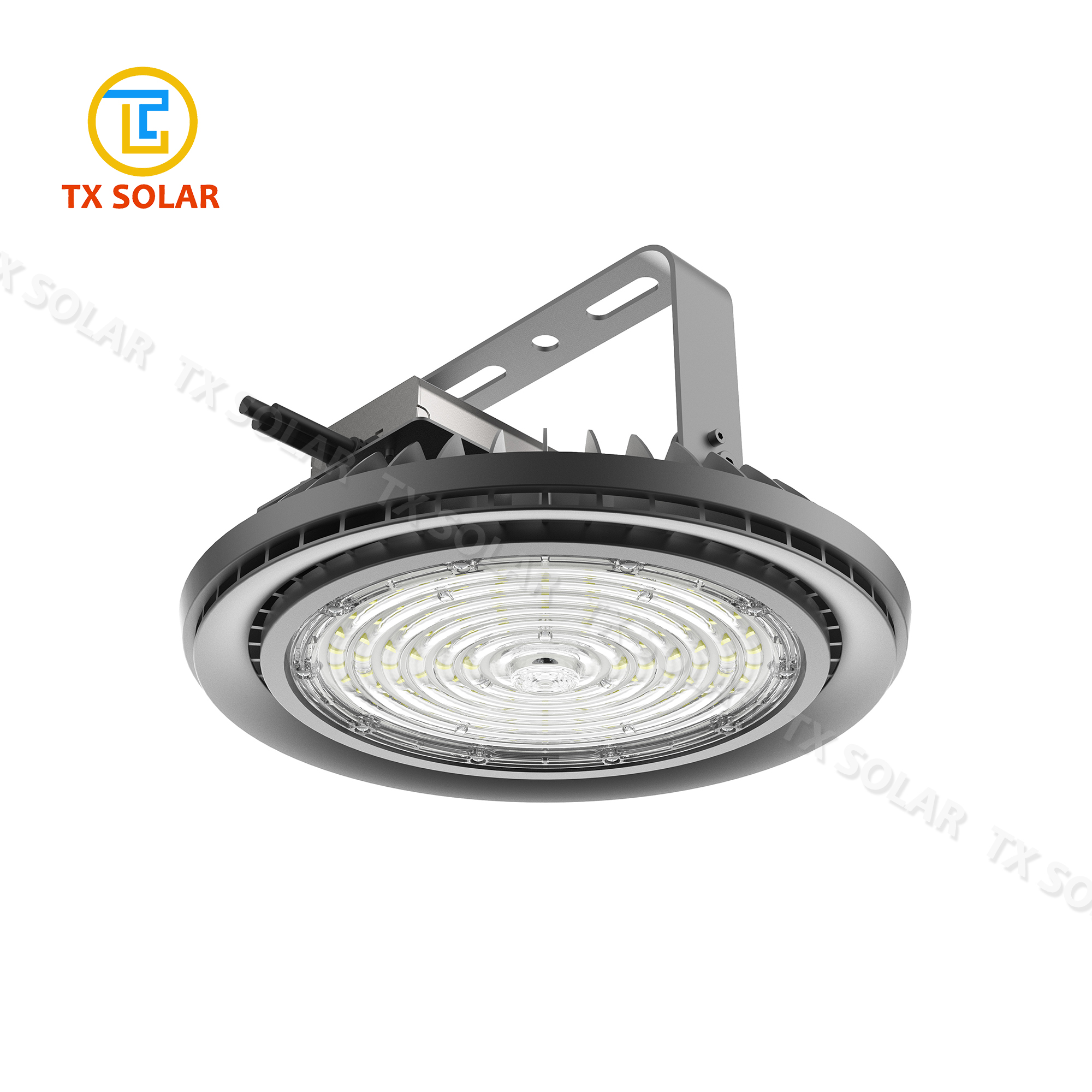
50w 100w 150w 200w Industrial UFO Workshop Light
Industrial Lighting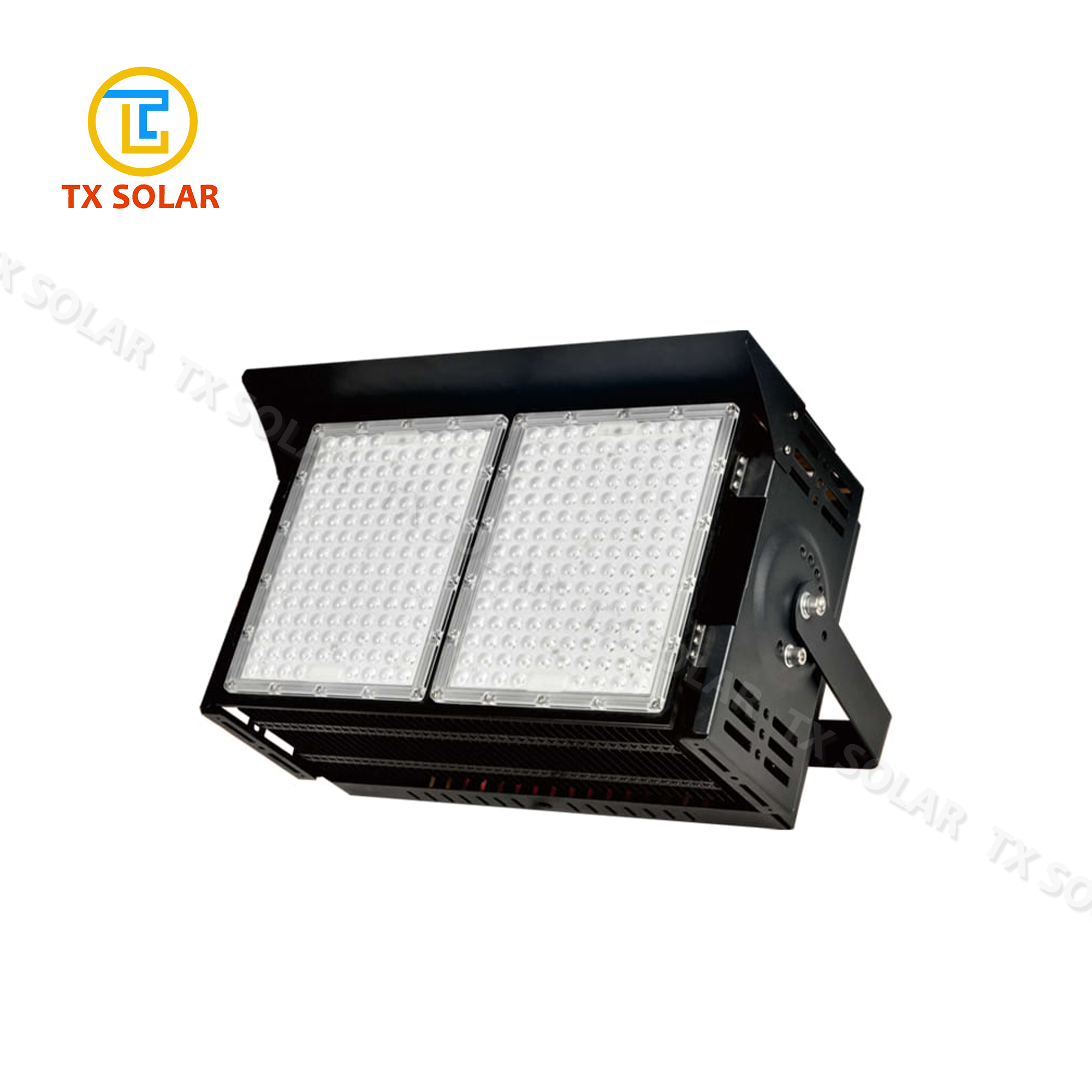
Highlight Waterproof Stadium Flood Light
Flood Lights
8m 60w Solar Street Light With Lithium Battery
Solar Street Lights-

E-mail
-

Whatsapp
-

Top


